
Nightmares: Why They Happen and How to Stop Them
Almost everyone has a bad dream now and then. Learn why nightmares happen, what triggers them and simple ways to have fewer of them.
Key Takeaways
- Nightmares are vivid, upsetting dreams that usually happen during REM sleep, late in the night.
- Occasional nightmares are normal at every age, and they're especially common in children.
- Stress, anxiety, trauma, poor sleep, alcohol and some medicines can trigger them.
- Nightmares differ from night terrors, which happen in deep sleep and are rarely remembered.
- Frequent, distressing nightmares can be treated, often with a therapy called imagery rehearsal.
What Are Nightmares?
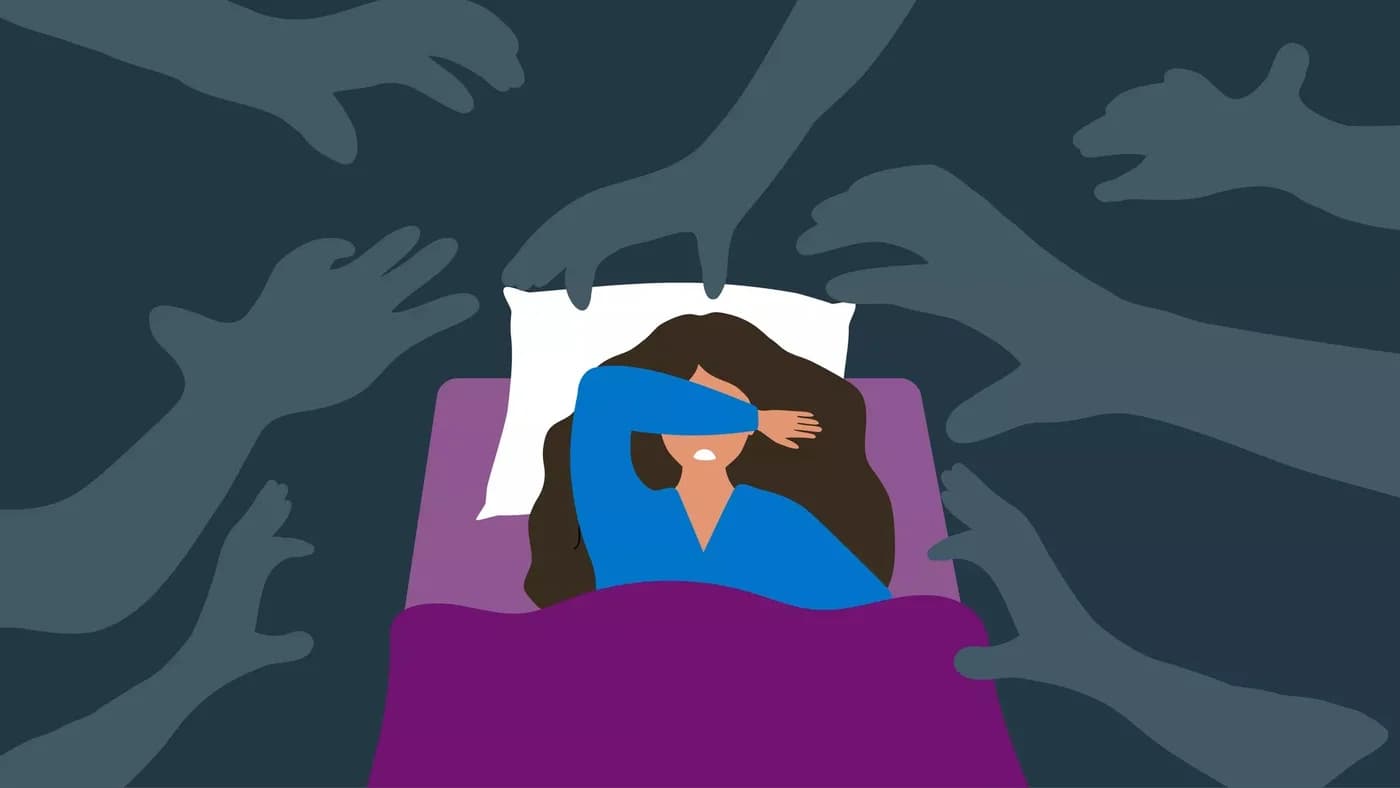
A nightmare is a vivid, disturbing dream that often wakes you up. Common themes include being chased, falling, being attacked, losing someone close or failing at something important. When you wake, you usually remember the dream clearly and may feel scared, anxious, sad or angry. Your heart may be racing and it can take a while to fall back asleep.
Nightmares mostly happen during REM sleep, the stage of sleep linked with vivid dreaming. Because REM periods get longer as the night goes on, nightmares are more likely in the second half of the night and the early morning hours.
How Common Are Nightmares?
Bad dreams are a normal part of life. Most adults have an occasional nightmare, and they're particularly common in children, often starting between the ages of about 3 and 6 and becoming less frequent with age. For most people, nightmares are rare and don't cause problems. A smaller number of adults have nightmares so often, or so upsetting, that they affect sleep, mood and daily life. When this happens, doctors may call it nightmare disorder.
Nightmares vs Night Terrors
Nightmares and night terrors are often confused, but they're different. Nightmares happen during REM sleep, the person usually wakes up fully and they can remember the dream. Night terrors happen during deep non-REM sleep, usually in the first few hours of the night. A person having a night terror may scream, thrash or sit up looking terrified, but they are hard to wake and usually don't remember anything in the morning. Night terrors are most common in young children.
What Causes Nightmares?
Stress and anxiety
Everyday worries about work, exams, money or relationships are among the most common triggers. Big life changes, such as moving house, a new job or losing someone, can bring on a phase of bad dreams.
Trauma
People who have been through a frightening or painful event may have repeated nightmares about it. Frequent trauma-related nightmares are a common feature of post-traumatic stress disorder (PTSD).
Poor or irregular sleep
Not getting enough sleep, frequent changes to your sleep schedule and jet lag can make nightmares more likely. After a period of short sleep, the body may catch up with extra REM sleep, which can bring intense dreams.
Medicines and substances
Some medicines, including certain antidepressants, blood pressure medicines and drugs that act on the brain, can cause vivid dreams or nightmares. Alcohol can disturb REM sleep, and stopping alcohol or some medicines suddenly can also trigger bad dreams.
Mental health conditions
Depression and anxiety disorders are linked with more frequent nightmares.
Other sleep disorders
Conditions such as sleep apnoea, which repeatedly disturb sleep, are sometimes linked with nightmares.
Scary content and late eating
Watching a frightening film or reading something upsetting before bed may influence your dreams. Some people find that heavy late-night meals lead to more disturbed sleep and dreams, though the research here is limited.
How to Have Fewer Nightmares
Start with the basics of good sleep. Keep a regular bedtime and wake-up time, and aim for seven to nine hours of sleep. Make your bedroom cool, dark and quiet, and keep it a calm place linked with rest.
Create a relaxing routine for the last hour before bed. Put away screens, avoid stressful conversations and work emails, and choose calm activities such as reading, gentle stretching or slow breathing. If worries race through your mind, try writing them down before bed so they feel less pressing.
Limit alcohol and caffeine, especially in the evening, and avoid heavy meals late at night. Regular exercise during the day can help lower stress and improve sleep, but try to finish vigorous workouts a few hours before bed.
What to Do After a Nightmare
If you wake from a nightmare, remind yourself that it was a dream and you're safe. Take a few slow, deep breaths, breathing out for longer than you breathe in. Turn on a soft light if it helps, drink a little water and do something calm for a few minutes before trying to sleep again. Avoid picking up your phone and scrolling.
For children, comfort and reassurance are the most important things. Stay with them for a few minutes, keep your voice calm and help them settle back to sleep. A night light can help some children feel safer.
Treatment for Frequent Nightmares
If nightmares happen often and affect your sleep or daily life, effective help is available. A well-studied treatment is imagery rehearsal therapy. In this approach, you write down a recurring nightmare, change the story to something less upsetting and then practise the new version in your mind during the day. Over time, this can reduce how often the nightmare happens and how distressing it feels. The American Academy of Sleep Medicine recommends this therapy for adults with nightmare disorder, including nightmares linked with PTSD. Other options include cognitive behavioural therapy, treating any underlying condition and, in some cases, medicine prescribed by a doctor.
When to See a Doctor
See a doctor if you have nightmares several times a week, if fear of nightmares makes you avoid sleep, if they cause daytime tiredness or distress, or if they began after a traumatic event or a new medicine. Seek help for a child whose nightmares are frequent, very distressing or come with other worrying changes in behaviour.
How Habuild Can Help
Habuild's live sessions combine yoga, exercise and breathing, which can help you manage stress and sleep better. The Habuild app's Box Breathing habit is a calm way to relax before bed.
Editorial Sources
- Morgenthaler et al. – Position Paper for the Treatment of Nightmare Disorder in Adults: An American Academy of Sleep Medicine Position Paper, Journal of Clinical Sleep Medicine (2018)
- Mayo Clinic – Nightmare disorder: Symptoms and causes
- Cleveland Clinic – Nightmare Disorder
- NHS – Night terrors and nightmares
Health Disclaimer
This article is for general information only and is not medical advice. If nightmares are frequent or affect your daily life, please consult a doctor or mental health professional.
Frequently Asked Questions
Related Articles

Sleep Anxiety: Why You Can’t Relax at Night
Sleep anxiety is uniquely self-reinforcing — the fear of not sleeping is often exactly what keeps you awake. See how the cycle forms, and the fastest way to break it.

Sleep Paralysis: Why It Happens and How to Stop It
Sleep paralysis feels genuinely terrifying, but it causes no physical harm and always resolves on its own. See why it happens, and practical ways to reduce how often it occurs.


REM Sleep Meaning: What Happens During This Sleep Stage
REM sleep meaning goes well beyond 'the stage where dreams happen' — it plays a real role in memory and emotional processing. See what happens in your brain and body during this stage.
Sleep Talking: Causes and How to Stop It
Sleep talking is a common parasomnia that happens with zero conscious awareness, and it's usually harmless. See the most common triggers, and when it's worth mentioning to a doctor.