
Sleep Anxiety: Why You Can’t Relax at Night
Sleep anxiety is uniquely self-reinforcing — the fear of not sleeping is often exactly what keeps you awake. See how the cycle forms, and the fastest way to break it.
Key Takeaways
- Explains the anxiety cycle – worry raises arousal right when the body needs to wind down.
- Names ‘orthosomnia’ as anxiety specifically triggered by obsessively checking sleep-tracker scores.
- Recommends removing the tracker from the bedroom if checking data has become a source of dread.
- States lying in bed actively trying to force sleep paradoxically makes falling asleep harder.
- States some people experience it mainly as physical symptoms without labelling it anxiety at all.
- States general daytime stress and sleep-specific fear are distinct and need separate addressing.
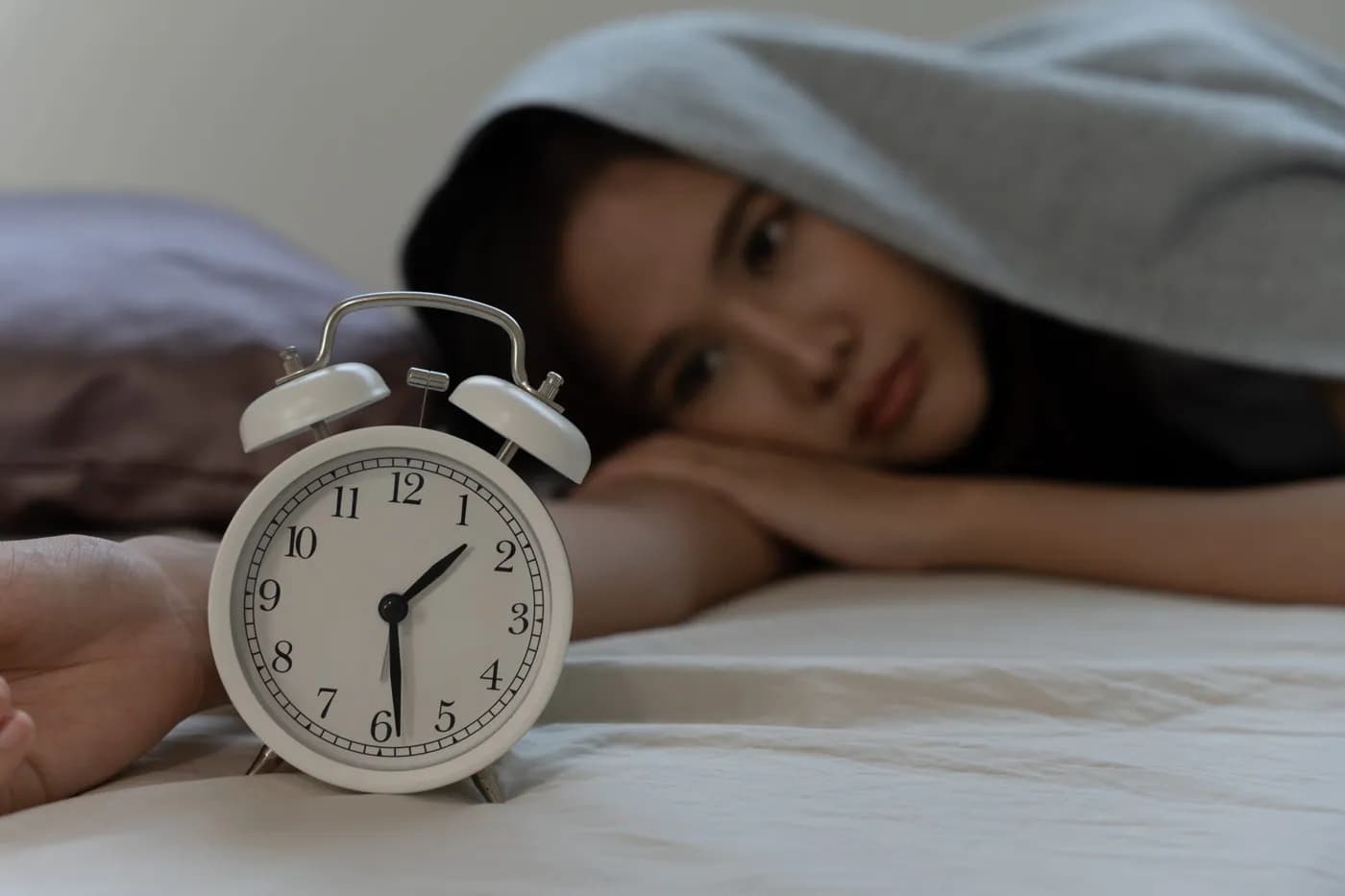
Sleep anxiety is worry specifically about sleep itself — fear of not falling asleep, of another bad night, or of how tomorrow will feel if tonight goes badly — and it’s uniquely self-reinforcing, since the anxiety it creates is often exactly what keeps you awake.
How sleep anxiety becomes a cycle
A few rough nights can trigger anticipatory worry about bedtime itself. That worry raises physiological arousal (a racing heart, tense muscles, alert mind) right when your body needs to be winding down, making it harder to fall asleep. A harder time falling asleep then reinforces the original fear, and the cycle strengthens each time it repeats — which is why sleep anxiety often persists well past whatever originally caused the first bad nights.
Signs of sleep anxiety specifically
- Feeling dread or tension as bedtime approaches, rather than tiredness
- Watching the clock and calculating how many hours of sleep are “still possible,” which increases stress rather than sleep
- Lying in bed actively trying to force sleep, which paradoxically makes falling asleep harder
- Feeling anxious during the day about how you’ll sleep that coming night
Why stress and sleep anxiety reinforce each other
General stress sleep problems and sleep-specific anxiety often blend together — daytime stress makes nights harder, and the resulting bad nights become their own distinct source of anxiety, separate from whatever the original stressor was. Addressing only the general stress without addressing the specific fear around sleep itself often isn’t enough to break the pattern.
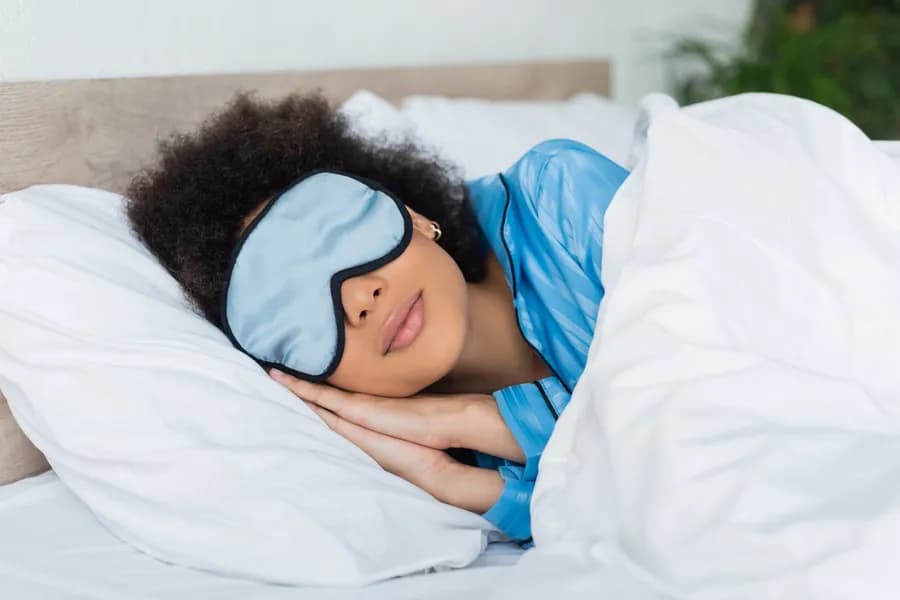
Calm rest after managing sleep anxiety
Sleep anxiety and orthosomnia: when tracking your sleep makes it worse
A newer, specifically modern variant of sleep anxiety has emerged alongside the popularity of sleep-tracking apps and wearables — sometimes informally called orthosomnia, an excessive preoccupation with achieving “perfect” sleep scores or metrics. Ironically, obsessively checking a sleep score each morning, or feeling distressed by a lower-than-hoped-for number, can itself become a source of sleep anxiety, adding a data-driven layer of worry on top of the ordinary fear of not sleeping well. For people who notice their tracker has become a source of dread rather than useful information, taking a break from checking the data — or removing the tracker from the bedroom entirely for a period — is a reasonable, evidence-informed step, since the anxiety generated by obsessive tracking can outweigh whatever insight the data provides.
How sleep anxiety shows up differently for different people
Sleep anxiety doesn’t always look identical across individuals. Some people experience it primarily as physical symptoms — a racing heart or tight chest at bedtime — without necessarily labelling their internal experience as “anxious” in the moment, which can make it harder to recognise for what it is. Others experience it more as intrusive, repetitive thoughts specifically about sleep itself, sometimes called “sleep effort syndrome” in clinical literature, where the harder someone consciously tries to sleep, the more elusive it becomes. Recognising your own specific pattern — physical, cognitive, or a mix of both — can help you choose which of the coping strategies below is likely to address your experience most directly.
Breaking the sleep anxiety cycle
- Get up if you’re not sleeping, rather than lying in bed anxiously trying — being in bed while anxious strengthens the bed-equals-stress association rather than bed-equals-sleep
- Practice a calming pre-bed routine consistently, giving your body a reliable signal to downshift; meditation for sleep is specifically useful here since it directly counters the physiological arousal driving sleep anxiety
- Challenge the catastrophic thinking — “I’ll be a wreck tomorrow” is rarely as true as it feels at 2am, and this kind of thought is a known amplifier of sleep anxiety specifically
- Avoid checking the time repeatedly, which fuels the anxious clock-watching cycle directly
- Seek CBT-I or professional support if the pattern persists, since structured insomnia treatment addresses exactly this cycle when self-management isn’t enough
Frequently Asked Questions
Related Articles
How to Reduce Anxiety Immediately: 7 Techniques That Calm You Down Fast
Acute anxiety episodes respond to techniques that address the body-mind connection through breath, movement, and grounding, working within minutes. See

Mudra for Anxiety (Gyan Mudra): Steps, Benefits and Precautions
Gyan Mudra, Prana Mudra, and Vayu Mudra shift the nervous system from the sympathetic fight-or-flight state to rest-and-digest, reducing baseline anxiety

How to Sleep Better at Night: 8 Proven Habits for Deeper, More Restful Sleep
Sleep quality is highly responsive to a few specific evening habits — no medication, expensive devices, or complicated protocols required. See all 8 proven habits.