
Oversleeping: Side Effects, Causes and How to Stop
Can you sleep too much? Here's how much sleep counts as oversleeping, the health problems linked to it, why it happens and how to get back on track.

Key Takeaways
- Oversleeping usually means regularly sleeping more than 9 hours a night as an adult.
- Long sleep is linked to higher rates of some health problems, but may not be the cause.
- Oversleeping can be a sign of sleep debt, depression, sleep apnea or another condition.
- A regular wake-up time, morning light and daytime activity can help you sleep less.
- If you feel very sleepy despite long sleep, see a doctor to find the cause.
How Much Sleep Is Too Much?
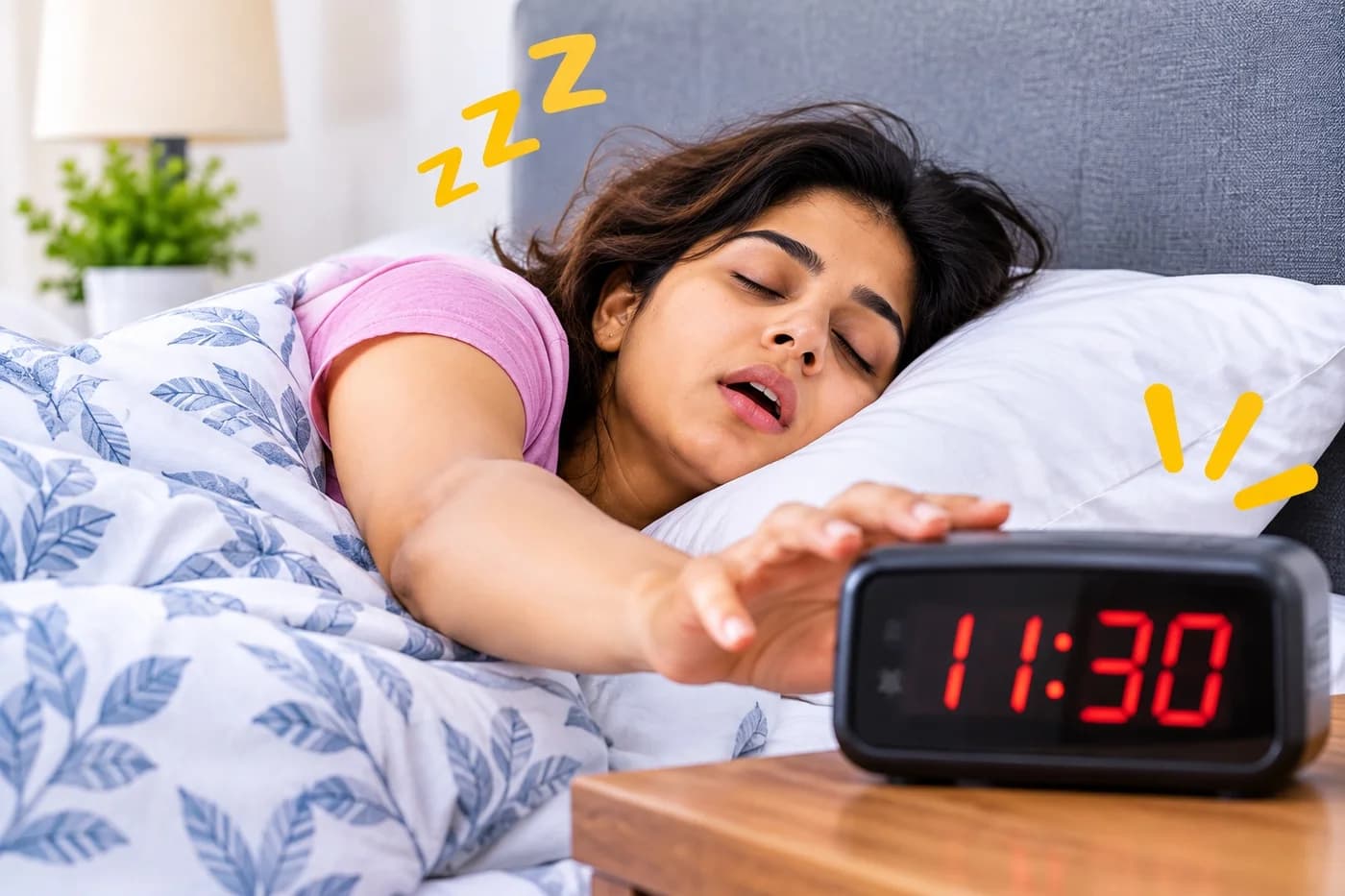
Most of the conversation about sleep is about getting enough, and for good reason: many adults don't. But it's also possible to sleep too much. For most adults, 7 to 9 hours a night is a healthy range. Regularly sleeping more than about 9 hours, or needing long naps on top of a full night's sleep, is usually described as oversleeping or long sleep.
Needs do vary. Teenagers need more sleep than adults, and you'll naturally sleep longer when you're ill or catching up after a few short nights. Occasional long sleeps are not a problem. What matters is a regular pattern of sleeping much more than usual, especially if you still feel tired.
Side Effects Linked to Oversleeping
Research has found that people who regularly sleep for long periods tend to have higher rates of several health problems. It's important to understand that these are associations: long sleep is often a sign of an underlying health issue rather than the direct cause. Still, the pattern is worth knowing about.
Higher risk of early death
A 2010 analysis that combined data from many studies found that adults who regularly slept for long periods had about a 30% higher risk of dying during the study period than those who slept 7 to 8 hours. The authors noted this may be explained by underlying health problems rather than sleep itself. Short sleepers showed a higher risk too, which is why sleep and health are often described as having a U-shaped relationship.
Heart disease, diabetes and weight
A 2018 review found that long sleep was also linked with higher rates of heart disease, stroke, type 2 diabetes and obesity, though not with high blood pressure. Again, this may partly reflect the fact that people with these conditions, or with low activity levels, tend to sleep longer.
Low mood
Oversleeping is common in depression, and sleeping too much can sometimes make low mood feel worse. Spending a lot of time in bed also tends to mean less time being active and outdoors, both of which support mood.
Headaches and grogginess
Many people notice headaches or a heavy, foggy feeling after sleeping much longer than usual. Irregular sleep can upset your body clock and leave you feeling worse rather than better rested.
Back pain
Lying in bed for long periods, especially on an unsupportive mattress, can leave you stiff and achy. Regular movement during the day helps prevent this.
Why Do People Oversleep?
There are many possible reasons. The most common is simply sleep debt: if you sleep too little during the week, your body tries to catch up at weekends with long lie-ins. Irregular schedules, shift work and late nights can all create this cycle.
Health problems can also cause long sleep. Sleep apnea breaks up sleep through the night, so people may spend longer in bed but still feel unrefreshed. Depression, an underactive thyroid and some medicines can increase the need for sleep. A small number of people have hypersomnia, a condition that causes excessive sleepiness even after long sleep, and conditions such as narcolepsy need specialist care.
Lifestyle matters too. Low daytime activity, little exposure to daylight, heavy alcohol use and boredom can all lead to more time in bed.
How to Stop Oversleeping
Start by setting a regular wake-up time and sticking to it every day, including weekends. Your body clock responds best to consistency, and a steady wake-up time is the anchor for everything else. Choose a bedtime that gives you about 7 to 9 hours of sleep.
Get daylight soon after waking. Open the curtains, step onto the balcony or go for a short walk. Morning light helps your body feel alert and makes it easier to wake up on time the next day.
Avoid the snooze cycle by placing your alarm across the room, and get out of bed when it rings. Plan something you enjoy for the morning, such as a walk, a yoga session or a quiet breakfast, so getting up feels worthwhile.
Stay active during the day. Regular exercise and time outdoors improve sleep quality, which can reduce how much sleep you feel you need. Limit long daytime naps to 20 to 30 minutes, and keep alcohol to a minimum.
Finally, deal with sleep debt in a healthier way. Instead of sleeping in for hours at the weekend, try to get enough sleep each night so you don't need to catch up.
Catching Up on Sleep the Right Way
After a few short nights, it's natural to want a long lie-in. A little extra sleep is fine, but sleeping in for several hours can shift your body clock and make it harder to fall asleep that night, starting the cycle again. A better approach is to go to bed a little earlier for a few nights, add a short early-afternoon nap if you need one and keep your usual wake-up time.
When to See a Doctor
Talk to a doctor if you regularly sleep more than 9 to 10 hours and still feel tired, if you struggle to stay awake during the day, if you snore loudly or stop breathing during sleep, or if long sleep comes with low mood, weight changes or other new symptoms. A doctor can look for causes such as sleep apnea, thyroid problems, depression or medicine side effects.
How Habuild Can Help
A regular morning routine is one of the best ways to steady your sleep. Habuild's live sessions run at several times through the day, including early morning, and combine yoga, exercise and breathing. The Habuild app's Walk Daily habit helps you get morning light and movement, and the Yoga Days streak helps you stay consistent.
Editorial Sources
- Sleep Foundation – Oversleeping
- Cappuccio et al. – Sleep duration and all-cause mortality: a systematic review and meta-analysis (2010)
- Jike et al. – Long sleep duration and health outcomes: a systematic review, meta-analysis and meta-regression (2018)
- CDC – About Sleep
Health Disclaimer
This article is for general information only and is not medical advice. If you regularly sleep for long periods and still feel tired, please consult a doctor.
Frequently Asked Questions
Related Articles
How Many Hours of Sleep Is Necessary? A Realistic Answer
How many hours of sleep is necessary depends heavily on age, not a flat 8-hour rule for everyone. See the real ranges by life stage, and the signs you're falling short.
Sleep Debt: What It Is and How to Pay It Back
Sleep debt compounds quietly from small nightly shortfalls, not just one dramatic sleepless night. See how to calculate it, and why weekend catch-up sleep only partly repays it.
Feeling Sleepy All the Time: Causes, Warning Signs and Next Steps
Feeling drowsy despite enough opportunity to sleep can reflect poor sleep quality, sleep apnoea, iron or vitamin B12 deficiency, thyroid disease,…

Common Types of Sleep Disorders and What Causes Them
Sleep disorders cover a wide range of conditions, from insomnia to sleep apnea to restless legs, and treatment differs completely by type. See how to recognise which one might be at play.