
Practical guides on daily habits: 5 routines that actually stick
Small, repeatable daily habits beat strict routines. Here are five practical habit-building ideas that fit real, busy days.
Key Takeaways
- Start small—tiny, consistent habits are more sustainable than major lifestyle changes.
- Anchor new habits to an existing daily routine (e.g., after brushing your teeth or making tea).
- Habits that take under two minutes are easier to maintain, even on busy days.
Most habit advice fails because it asks for too much change at once. The habits that actually stick are small, specific, and attached to something you already do every day.
Start with one anchor habit
Pick a single existing routine — brushing your teeth, making tea, locking the front door — and attach one new habit right next to it. The anchor removes the need to "remember."
Five daily habits worth building
- Drink a glass of water before your first cup of tea or coffee.
- Stretch for two minutes right after you get out of bed.
- Write down tomorrow’s top task before you close your laptop.
- Take a 10-minute walk after your largest meal of the day.
- Put your phone outside the bedroom before sleeping.
Why small habits beat big plans
A habit you can do in under two minutes survives bad days. Big plans need willpower every single time; small habits only need a trigger you already have.
How to track progress without pressure
A simple daily checkmark is enough. The goal is consistency over weeks, not a perfect streak — missing one day should never mean starting over.
How to Get Started with Yoga for Anxiety
What You Need to Begin
The barrier to entry is genuinely low. A yoga mat is helpful but not essential — a folded blanket or carpet works fine. Wear comfortable, non-restrictive clothing. No prior experience is needed, and you don’t need any equipment beyond a quiet space and 20 minutes.
Setting Realistic Goals
Resist the urge to commit to an hour-long daily session from day one. Begin with 15–20 minutes each morning or evening. The goal isn’t intensity — it’s showing up consistently. Even three sessions per week, maintained over a month, tends to produce a noticeable shift in how you feel.
Start with the Basics
Begin with slower-paced, breath-focused styles rather than vigorous flows. Child’s Pose, Legs-Up-the-Wall, and seated forward folds are all excellent starting points. Yoga for beginners offers a structured entry point with expert-guided sessions that keep the focus on breath awareness and form.
Balasana (Child’s Pose)
Kneel, bring your hips back toward your heels, and extend your arms forward or rest them alongside your body. Hold for 5–10 slow breaths. Balasana is deeply calming for the nervous system and helps release tension held in the hips and lower back. Inhale slowly through the nose, exhale fully through the mouth. The benefits of Balasana extend well beyond relaxation — it is a foundational anxiety-management pose.
Viparita Karani (Legs-Up-the-Wall)
Lie on your back and extend both legs vertically against a wall. Keep your arms relaxed at your sides, palms facing up. This gentle inversion slows the heart rate and signals the body to shift into a rest-and-digest state. Hold for 3–5 minutes with steady nasal breathing.
Adho Mukha Svanasana (Downward-Facing Dog)
From a hands-and-knees position, lift your hips up and back to form an inverted V. Bend the knees slightly if needed. This pose gently decompresses the spine, increases circulation to the brain, and provides a mild physical challenge that redirects anxious mental energy
Who Should Try Yoga to Manage Anxiety Naturally?
- Beginners
You do not need any prior experience with yoga to benefit from it for anxiety. In fact, beginners often report the sharpest improvements in the first few weeks because the breathwork and structured movement are entirely new inputs for the nervous system. - Women
Hormonal shifts across the menstrual cycle and life stages like perimenopause are closely linked to anxiety fluctuations. A regular yoga practice may support hormonal balance and stress resilience during these periods, complementing — not replacing — any existing care. - Older Adults
Yoga is gentle on joints and easily modified. For older adults managing anxiety alongside other health considerations, slower-paced styles like Hatha or Restorative yoga are particularly accessible. Always consult your doctor before beginning if you have significant health conditions.
Frequently Asked Questions
Related Articles
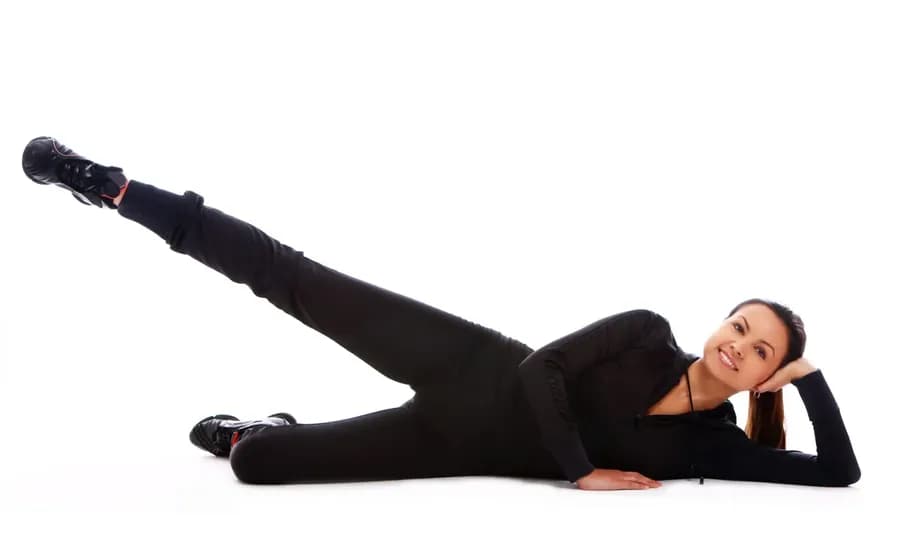
How to Reduce Hand Fat with Yoga: Best Exercises, Steps & Tips
Learn ardha matsyendrasana with Habuild. Discover ardha matsyendrasana benefits for spinal health, improved digestion, and flexibility. Start your practice now!


Iron rich foods need protein: 1/4th plate habit
Learn why iron-rich vegetarian foods work better when paired with protein and simple Indian meal habits.
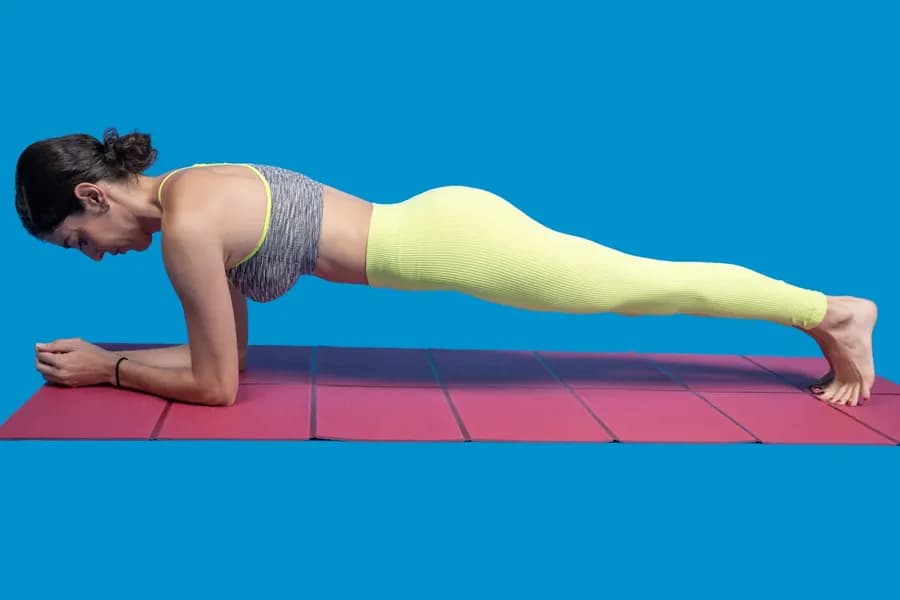
Marjaryasana–Bitilasana — The Cat–Cow Pose
Marjaryasana–Bitilasana, commonly known as Cat–Cow Pose, is a gentle, dynamic flow between two postures that warms up the body and brings flexibility to the entire spine.