
Sleep Hormones: Melatonin, Cortisol and More
Melatonin, cortisol and other chemical signals help decide when you feel sleepy and when you feel alert. Learn how these sleep hormones work and how to support them naturally.
Key Takeaways
- Melatonin rises in the evening as it gets dark, and light, especially bright light, holds it back.
- Cortisol is usually lowest in the evening and peaks in the morning, just before you wake up.
- Adenosine builds up while you're awake and creates sleep pressure; caffeine blocks its effect.
- Growth hormone release is closely linked with deep sleep, also called slow-wave sleep.
- Short sleep has been linked with lower leptin and higher ghrelin, hormones that affect appetite.
How Hormones Shape Your Sleep
Your sleep isn't controlled by a single switch. It depends on two main systems working together. The first is your body clock, or circadian rhythm, a roughly 24-hour cycle that tells your body when it's day and when it's night. The second is sleep pressure, the growing need for sleep that builds the longer you stay awake.
Hormones and other chemical messengers carry the signals for both systems. Some help you wind down at night, some help you wake up in the morning, and some do important repair work while you sleep. Understanding them makes it easier to see why simple habits, like getting daylight in the morning, can make such a difference.
Melatonin: The Main Sleep Hormone
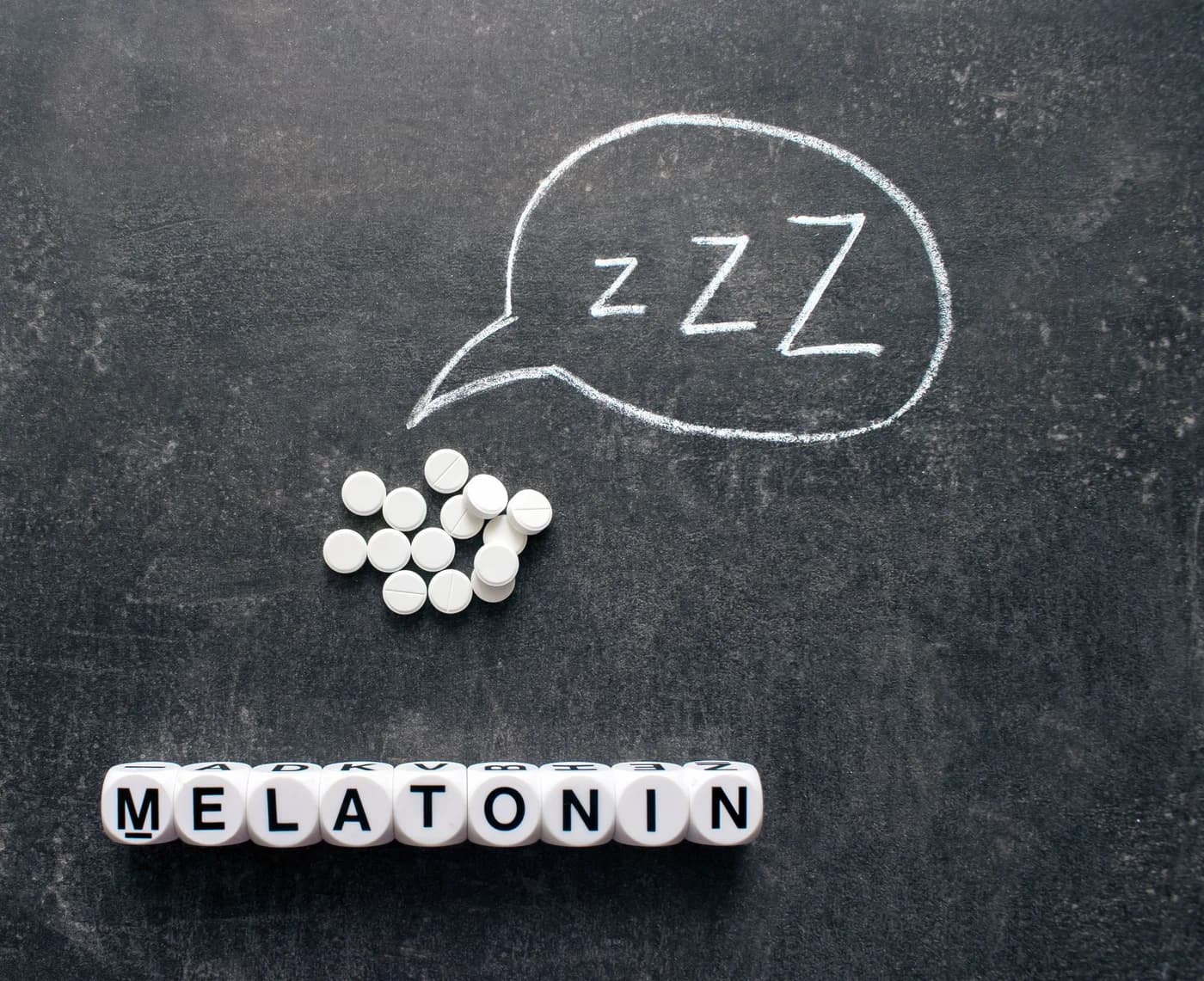
Melatonin is often called the sleep hormone, and for good reason. As the sun sets in the evening, your brain begins producing melatonin, which helps signal to your body that it's time to rest. Levels stay higher through the night and fall again in the morning.
Light is the most powerful signal for your body clock, and it has a direct effect on melatonin. The Sleep Foundation explains that light, particularly the blue light from phones, laptops and televisions, can hold back melatonin production. This is one reason scrolling in bed late at night can make it harder to fall asleep. Your brain is getting a "daytime" signal at the very moment you want it to get a "night-time" one.
Melatonin doesn't knock you out like a sleeping pill. It is better thought of as a timing signal. It tells your body that night has arrived, which helps prepare you for sleep.
Cortisol: The Morning Wake-Up Signal
Cortisol is best known as a stress hormone, but it also follows a daily rhythm that is closely tied to sleep. According to Cleveland Clinic, most people have lower cortisol levels in the evening as they go to sleep and peak levels in the morning, just before they wake up.
This morning rise helps you feel alert and ready to start the day. In a sense, cortisol and melatonin work as a pair. Melatonin is higher at night and lower during the day, while cortisol is lower at night and higher in the morning.
Ongoing stress can affect cortisol, and a racing mind at bedtime is one of the most common reasons people struggle to sleep. While the science of stress and sleep is complex, building a calm wind-down routine in the evening is a sensible step for most people.
Adenosine: The Sleep Pressure Chemical
Adenosine isn't actually a hormone. It is a chemical messenger in the brain, sometimes described as a neurotransmitter, but it plays such a big role in sleep that it belongs in this list.
As your brain uses energy through the day, adenosine builds up. According to the Sleep Foundation, this build-up appears to increase sleep pressure, the growing urge to sleep that you feel by the end of a long day. While you sleep, adenosine levels fall again, which is part of why you wake up feeling refreshed after a good night.
This is also how caffeine works. Caffeine blocks the receptors that adenosine acts on, so your brain doesn't register how much sleep pressure has built up. You feel more alert, but the need for sleep hasn't gone away. That's why coffee or strong tea late in the day can make it harder to fall asleep.
Growth Hormone: Repair During Deep Sleep
Growth hormone isn't only for children; adults make it too. Its release is closely linked with deep sleep, also known as slow-wave sleep, the most restful stage of the night.
In a 1997 study of healthy young men, researchers gave a drug that increased deep sleep and found that growth hormone release rose along with it. The increase in growth hormone was closely linked to the increase in the deepest stage of sleep. This doesn't mean you should try to boost deep sleep with medicines, but it does show how closely deep sleep and this hormone are connected, and it's one more reason that getting enough good-quality sleep matters.
Ghrelin and Leptin: Sleep and Appetite
Ghrelin and leptin are two hormones that help control appetite. Ghrelin tends to increase hunger, while leptin helps signal that you've had enough to eat.
In a study of just over 1,000 adults from the Wisconsin Sleep Cohort, researchers found that people who slept less had lower leptin levels and higher ghrelin levels. They also found that, among people sleeping less than eight hours, shorter sleep was linked with a higher body mass index. The researchers suggested these hormone changes may increase appetite. This kind of study shows a link rather than proving cause, but it's one reason sleep is often considered alongside diet and exercise when thinking about weight.
How to Support Your Sleep Hormones Naturally
The good news is that your daily habits have a real effect on these signals. A few simple changes can help:

- Get morning light. Open the curtains soon after waking, or spend a few minutes outside, to help set your body clock.
- Dim your evenings. Avoid screens and bright light in the hour or so before bed.
- Keep a regular schedule. Try to go to bed, wake up and eat meals at similar times each day, including weekends.
- Time your caffeine. Keep coffee and strong tea to the earlier part of the day, since caffeine near bedtime can disrupt your sleep.
- Wind down calmly. Gentle stretching, slow breathing or reading can help you relax before bed.
A Note on Melatonin Supplements
Melatonin supplements are widely available, and many people try them for sleep. But they aren't right for everyone, and the rules on how melatonin is sold and labelled differ between countries. Please consult a doctor before taking melatonin, especially if you take other medicines, are pregnant or breastfeeding, or are thinking of giving it to a child. For most people, building good daily habits is the best place to start.
How Habuild Can Help
Habuild's live sessions combine yoga, exercise and breathing, which support better sleep. The Habuild app's Box Breathing habit is a calm way to unwind in the evening before bed.
Editorial Sources
- Sleep Foundation – Circadian Rhythm
- Cleveland Clinic – Cortisol: What It Is, Function, Symptoms & Levels
- Sleep Foundation – Adenosine and Sleep
- Van Cauter et al. – Simultaneous stimulation of slow-wave sleep and growth hormone secretion by gamma-hydroxybutyrate in normal young men, Journal of Clinical Investigation (1997)
- Taheri et al. – Short Sleep Duration Is Associated with Reduced Leptin, Elevated Ghrelin, and Increased Body Mass Index, PLoS Medicine (2004)
Health Disclaimer
This article is for general information only and is not medical advice. If you have ongoing sleep problems or are thinking about taking melatonin, please consult a doctor.
Frequently Asked Questions
Related Articles
Natural Melatonin: How to Boost It for Better Sleep
Natural melatonin isn't a sedative — it's a timing hormone your body releases in response to darkness. See what actually raises it, and when a supplement is worth considering.


How to Lower Cortisol Naturally: Stress, Sleep and Medical Care
Cortisol is an essential hormone that follows a daily rhythm and helps the body respond to stress.


Circadian Rhythm Sleep Disorder: Symptoms and How to Reset Your Clock
A circadian rhythm sleep disorder is a persistent mismatch between your body clock and the schedule you need to keep, not just a strong night-owl tendency. See the types, symptoms and how it's treated.
The Stages of Sleep and Why Each One Matters
The stages of sleep aren't interchangeable — each one handles a different kind of physical or mental repair. See how they cycle through the night, and why timing your wake-up around them matters.