Sleep Study Test: What to Expect and Why It’s Done
A sleep study test records your breathing, oxygen and brain activity overnight — the objective data that symptoms alone can't provide. See what to expect, and what it costs.
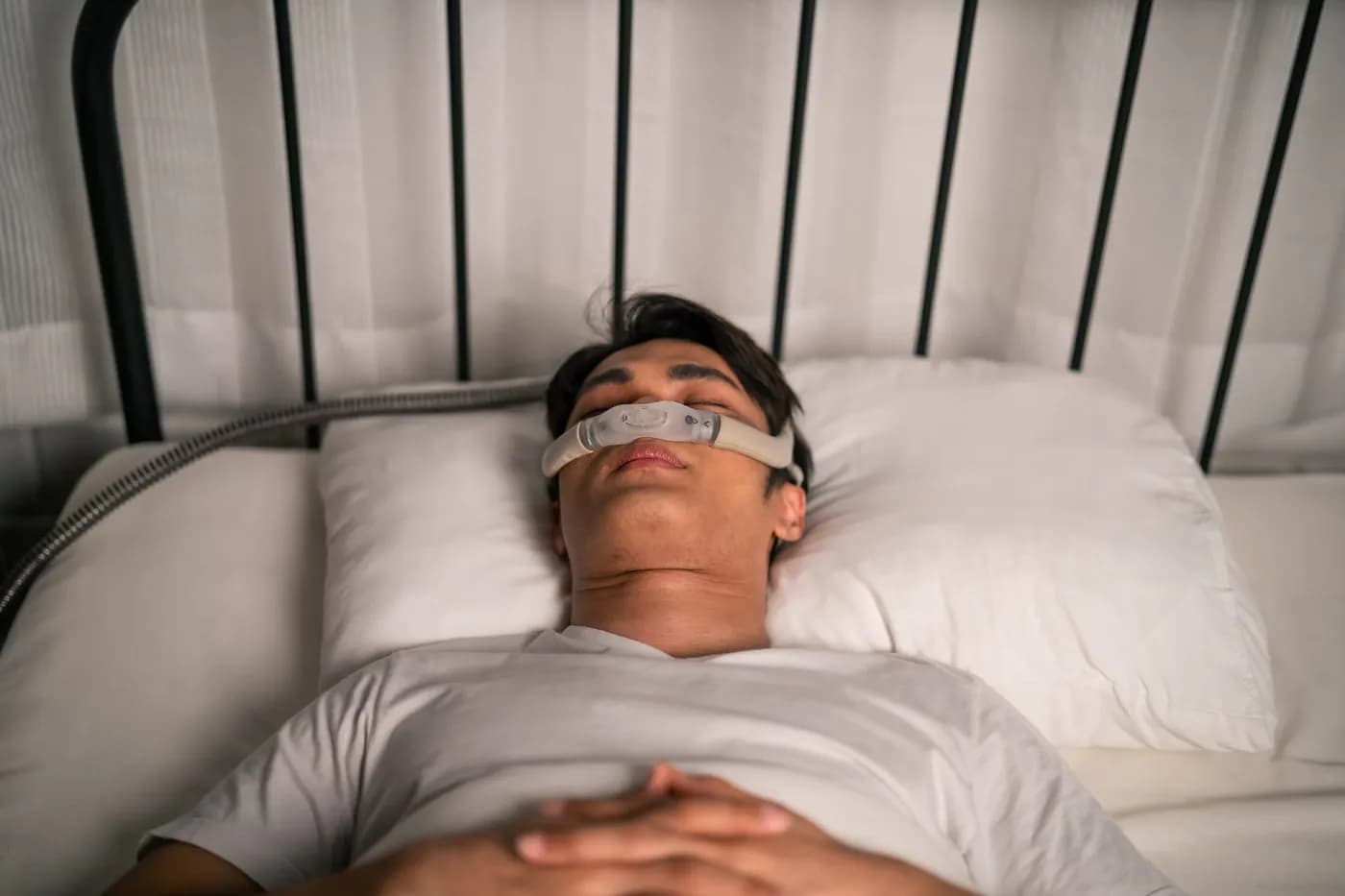
Key Takeaways
- States the formal name for a sleep study is polysomnography, tracking breathing and brain activity.
- Recommends washing hair without styling products the day of the test for clean sensor contact.
- States results are typically ready for review within one to two weeks after the test.
- Distinguishes a comprehensive in-lab study from a simpler, cheaper home-based version.
- States sleep specialists account for the ‘first night effect’ when interpreting unfamiliar results.
- Recommends avoiding caffeine and alcohol on test day so recorded data reflects a typical night.
A sleep study test (formally called polysomnography) records your breathing, oxygen levels, brain activity, heart rate, and body movement while you sleep, giving doctors the objective data needed to diagnose sleep apnea and several other sleep disorders that symptoms alone can’t confirm.
Why a sleep study test is done
Symptoms like loud snoring, daytime sleepiness, or restless nights can point toward several different sleep disorders, and a sleep study test is what actually distinguishes between them — confirming whether apnea is present, how severe it is, or ruling it out in favour of a different diagnosis like restless legs syndrome or a circadian rhythm issue. Without this objective data, treatment decisions like starting CPAP are largely guesswork.
What happens during a sleep study
- Sensors are attached to your scalp, face, chest, and fingertip, measuring brain waves, eye movement, muscle activity, heart rate, and blood oxygen
- You sleep as normally as possible, either in a dedicated sleep lab room designed to feel less clinical, or increasingly through a home sleep study with a simplified portable device
- A technician monitors data overnight in a lab setting, or the device records data independently for a home sleep study
- Results are analysed afterward by a sleep specialist, typically ready within one to two weeks
Lab sleep study vs. home sleep study
A full in-lab sleep study test captures the most comprehensive data and is generally used when a more complex diagnosis (beyond straightforward sleep apnea) is suspected. A home sleep study is more convenient, less expensive, and increasingly common for suspected straightforward obstructive sleep apnea, though it captures fewer data points and isn’t suitable for every situation — your doctor will recommend which type fits your specific symptoms.
Sleep study test cost
Sleep study test cost varies significantly depending on whether it’s done in a lab or at home, and by city and facility — a home sleep study is generally markedly less expensive than a full in-lab study. Many insurance plans cover a portion of the cost when a doctor has documented a reasonable clinical suspicion of a sleep disorder, so it’s worth checking coverage before assuming the full cost is out of pocket.
How to prepare for a sleep study test
A few simple preparations help a sleep study test produce accurate, usable results. Avoid caffeine and alcohol on the day of the test, both of which can alter your natural sleep pattern and make the recorded data less representative of your typical night. Wash your hair the day of the test without using styling products, since oils and gels can interfere with the scalp sensors’ contact. Bring your usual pre-bed routine items (a book, comfortable sleepwear) to make an in-lab setting feel as close to home as reasonably possible, since an unfamiliar environment can itself affect sleep, though sleep specialists account for this “first night effect” when interpreting results. If you’re doing a home sleep study, following the device setup instructions precisely matters more than in a lab setting, since there’s no technician present to fix a sensor that’s come loose overnight.
Understanding your sleep study test results
Results from a sleep study test are typically summarised using specific measurements, the most important being the Apnea-Hypopnea Index (AHI) — the number of breathing disruptions per hour of sleep — which classifies severity as mild, moderate, or severe. Other measured values include oxygen saturation levels (how much blood oxygen drops during disruptions), sleep efficiency (the percentage of time in bed actually spent asleep), and time spent in each sleep stage. Your doctor will walk through what these numbers mean specifically for your case, since the same raw AHI number can call for different treatment recommendations depending on your symptoms, other health conditions, and personal risk factors.
What happens after your results
If your sleep study test confirms sleep apnea or another sleep disorder, your doctor will discuss appropriate treatment based on the severity shown in your results — this is the step where a specific plan, like CPAP or an oral appliance, actually gets tailored to your data rather than guessed at.
Frequently Asked Questions
Related Articles
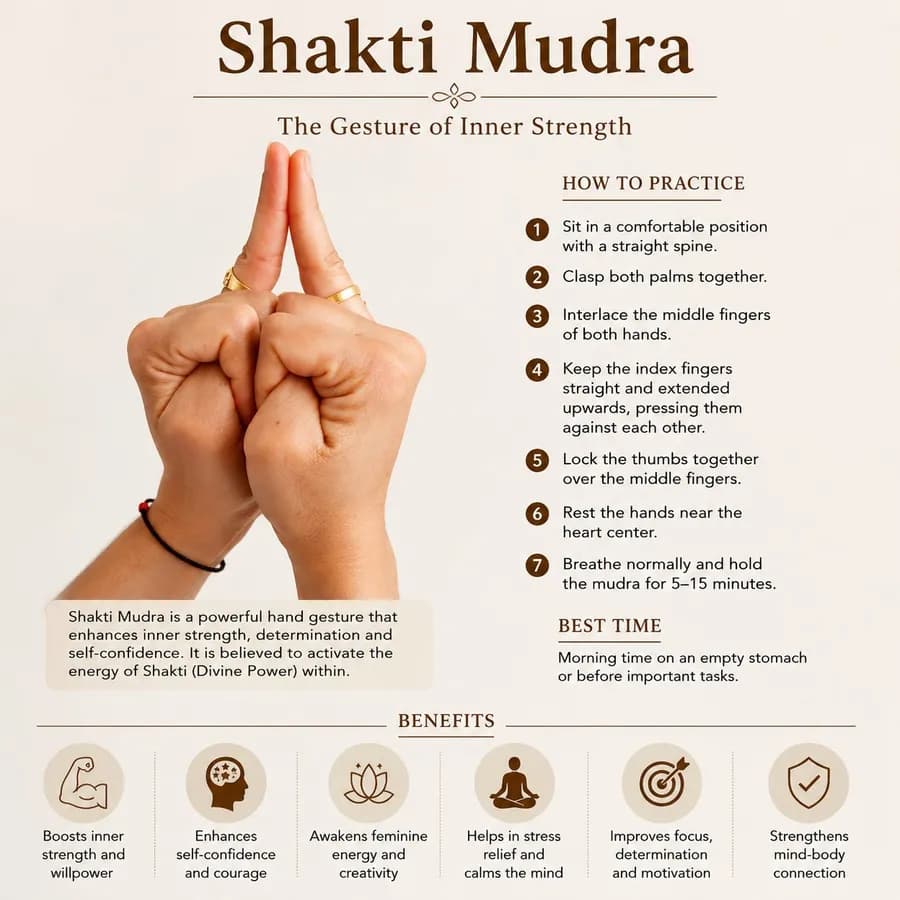
Mudra for Sleep (Shakti Mudra): Steps, Benefits, and Precautions
Shakti Mudra and Prithvi Mudra activate the parasympathetic nervous system and establish a conditioned pre-sleep signal when held for 10-15 minutes before