
Is It Good to Sleep After Lunch? Pros and Cons
That heavy feeling after lunch is common. Here's whether an afternoon sleep is good for you, how long it should be and when to skip it.

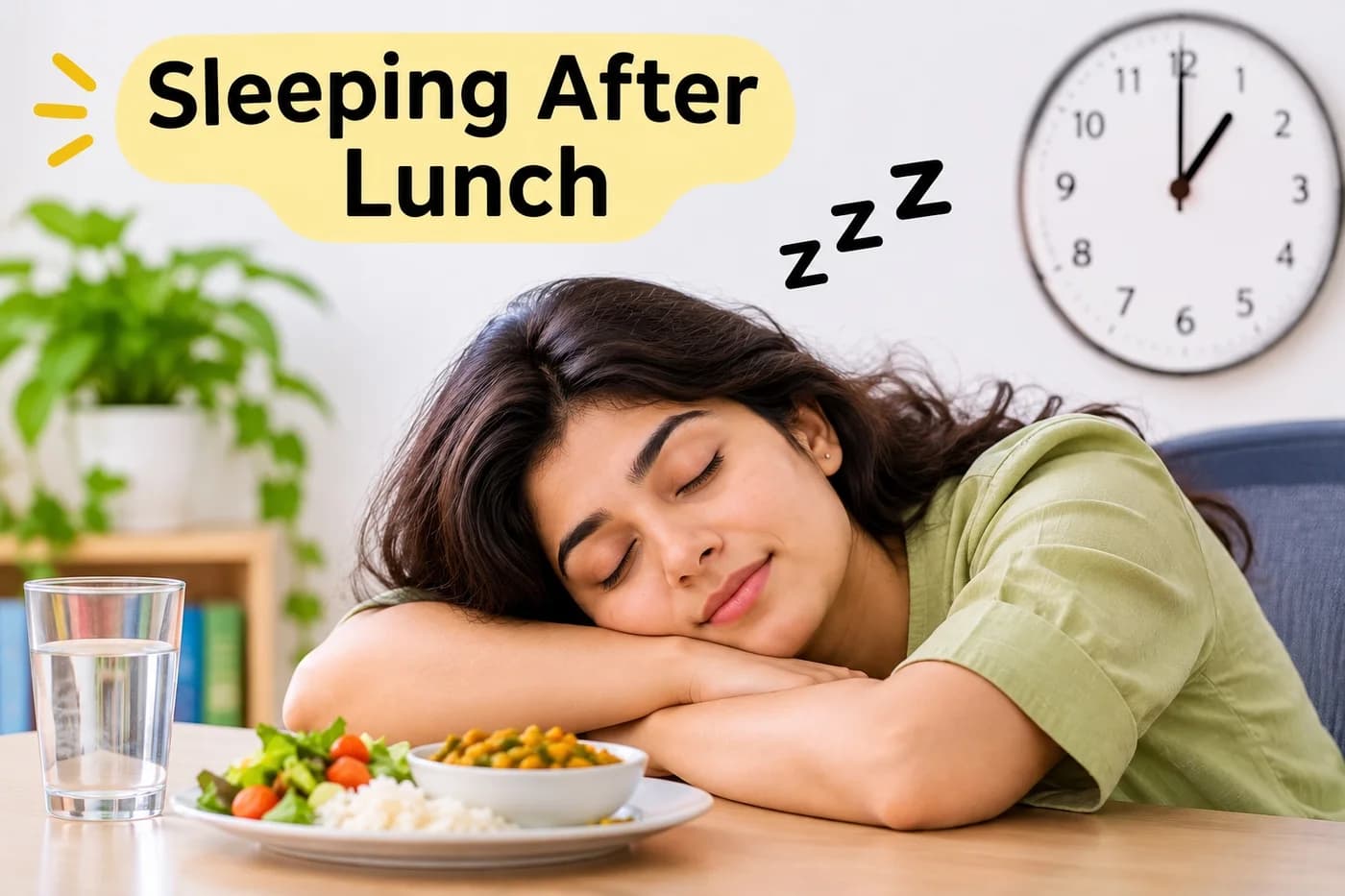
Key Takeaways
- Feeling sleepy after lunch is normal and is partly driven by your body clock.
- A short nap of 20 to 30 minutes can boost alertness without spoiling night sleep.
- Long afternoon sleeps, especially over an hour, are linked to some health risks.
- Lying down right after a big meal can trigger acid reflux; sit up for a while first.
- If you need a long sleep every afternoon, check your night sleep and see a doctor.
Why Do We Feel Sleepy After Lunch?
In many Indian homes and offices, the hour after lunch is when eyelids start to droop. A plate of rice, roti, dal and sabzi followed by a warm afternoon can make a nap feel almost unavoidable. In some families, an afternoon sleep is a long tradition, especially for older people and on weekends.
The sleepiness isn't only about food. Your body clock creates a natural dip in alertness in the early afternoon, which is why people feel drowsy around this time even if they skip lunch. A large or heavy meal can make the feeling stronger, and so can a short night's sleep. So feeling sleepy after lunch is normal; the real question is whether sleeping then is good for you, and for how long.
Benefits of a Short Sleep After Lunch
Better alertness and mood
A short nap after lunch can help you feel more awake and focused for the rest of the afternoon. Mayo Clinic notes that short naps can improve alertness, mood and performance, and reduce fatigue. For students, shift workers and anyone who slept poorly the night before, a brief rest can make the afternoon far more productive.
Less need for extra tea and coffee
Instead of reaching for another cup of chai to push through the slump, a short nap tackles the tiredness directly. That also means less caffeine later in the day, which is better for your night sleep.
A chance to relax
Even if you don't fall fully asleep, lying down quietly for 15 to 20 minutes gives your body and mind a break, which many people find calming in a busy day.
Possible Downsides of Sleeping After Lunch
Grogginess after long naps
If you sleep for an hour or more, you're more likely to enter deep sleep. Waking from deep sleep causes a heavy, groggy feeling called sleep inertia, which can leave you feeling worse than before you lay down.
Trouble sleeping at night
Long or late naps reduce the sleep pressure that builds up through the day. That can make it harder to fall asleep at night, especially for people who already have insomnia. Mayo Clinic advises against napping after about 3 pm for this reason.
Links with health risks
A 2015 analysis that combined many studies found that people who regularly napped for an hour or more a day had a higher risk of heart disease and of death from any cause than people who didn't nap, while short naps of up to about 30 minutes weren't linked to higher heart risk. These studies can't prove that long naps cause these problems. Long daytime sleep may instead be a sign of poor night sleep or an underlying health condition. Either way, it's a reason to keep naps short.
Acid reflux after a heavy meal
Lying down soon after a big meal makes it easier for stomach acid to move back up into the food pipe, causing heartburn. For people with heartburn, the NHS advises not eating within 3 or 4 hours before bed, and the same idea applies in the afternoon. If you nap after lunch, sit or walk gently for a while first, and avoid lying completely flat right after a heavy meal.
How Long Should You Sleep After Lunch?
For most adults, 20 to 30 minutes is enough. It's long enough to feel refreshed but short enough to avoid deep sleep and the grogginess that comes with it. Set an alarm so you don't oversleep, and try to finish your nap by mid-afternoon.
How to Nap Well After Lunch
Eat a balanced lunch rather than a very heavy one. Large portions of refined carbohydrates and fried food tend to make the afternoon slump worse. Adding protein, vegetables and some fibre can help keep your energy steadier.
Wait a little before lying down. A short walk of 10 to 15 minutes after lunch helps digestion and may reduce reflux. Then, if you still want to rest, find a quiet, dim spot and lie down or recline for 20 to 30 minutes with an alarm set. If you have reflux, rest in a reclined position or on your left side rather than flat on your back.
When you wake up, get up straight away, drink some water and step into daylight if you can. This helps shake off any leftover drowsiness.
When to Skip the Afternoon Sleep
If you have trouble falling or staying asleep at night, it's usually better to skip daytime naps and save your sleep for bedtime. And if you feel you need a long sleep every afternoon even after 7 or more hours of sleep at night, talk to a doctor. Constant daytime sleepiness can be a sign of a sleep problem, such as sleep apnea, or another health issue.
Fighting the Slump Without a Nap
A nap isn't the only way to beat the afternoon dip. A brisk walk outside, a few stretches at your desk, a glass of water or a few minutes of slow breathing can all lift your energy. Habuild has a separate guide on why meals make you sleepy if you'd like to understand the food side in more detail.
How Habuild Can Help
Habuild's live sessions combine yoga, exercise and breathing, which support steady energy and better night sleep. The Habuild app's Walk Daily habit is an easy way to fit in a short walk after meals, and the Box Breathing habit can help you reset during the afternoon.
Editorial Sources
- Mayo Clinic – Napping: Do's and don'ts for healthy adults
- NHS – Heartburn and acid reflux
- Yamada et al. – Daytime napping and the risk of cardiovascular disease and all-cause mortality: a prospective study and dose-response meta-analysis (2015)
- Sleep (journal) – Modeling napping, post-lunch dip, and other variations in human sleep propensity (2009)
Health Disclaimer
This article is for general information only and is not medical advice. If you feel very sleepy during the day despite enough sleep at night, please consult a doctor.
Frequently Asked Questions
Related Articles
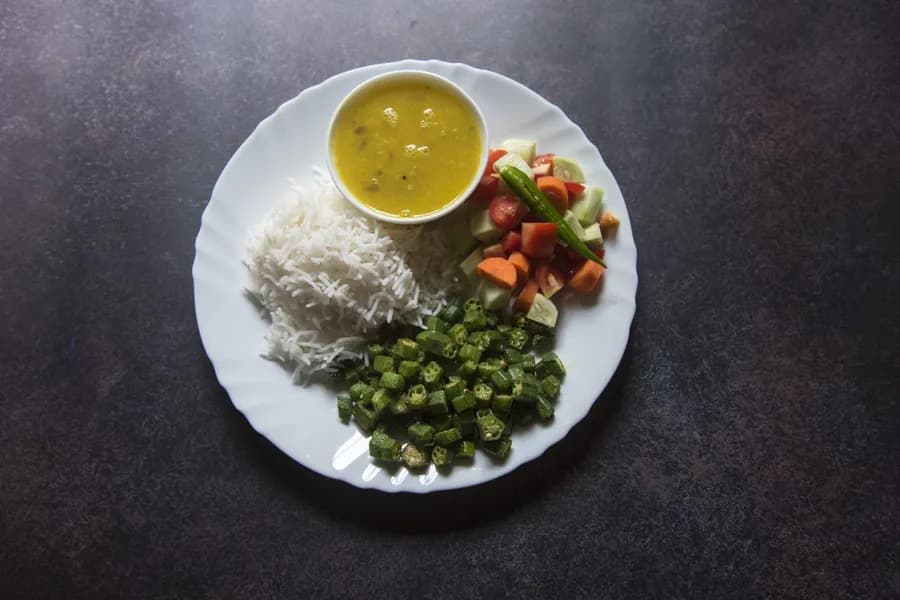
Why meals make you sleepy: balanced plate fix
That sleepy, sluggish feeling after a meal is often a sign of an unbalanced plate — too many carbs, not enough protein or fibre. See the simple fix.
Feeling Sleepy All the Time: Causes, Warning Signs and Next Steps
Feeling drowsy despite enough opportunity to sleep can reflect poor sleep quality, sleep apnoea, iron or vitamin B12 deficiency, thyroid disease,…

Acid Reflux Sleeping Position: What Helps at Night
Getting your acid reflux sleeping position right can meaningfully cut nighttime heartburn without medication — gravity does most of the work. See the exact position and elevation that helps most.
Sleep Debt: What It Is and How to Pay It Back
Sleep debt compounds quietly from small nightly shortfalls, not just one dramatic sleepless night. See how to calculate it, and why weekend catch-up sleep only partly repays it.