
Sleeping on Your Back: Benefits and Who Should Avoid It
Back sleeping keeps your spine neutral, but it isn't right for everyone. Here's who benefits, who should avoid it and how to do it comfortably.

Key Takeaways
- Back sleeping spreads your weight evenly and can keep your spine in a neutral line.
- It may suit people with some neck, shoulder or back pain if well supported.
- It can make snoring and obstructive sleep apnea worse.
- From 28 weeks of pregnancy, guidance is to go to sleep on your side, not your back.
- A pillow under the knees and a thin-to-medium head pillow make it more comfortable.
Is Sleeping on Your Back Good for You?
Most adults sleep on their side, but back sleeping, also called supine sleeping, has a loyal following. When you lie on your back, your weight is spread across the widest part of your body, and your head, neck and spine can rest in a fairly straight line. That's why back sleeping is often described as good for the spine.
But like every sleeping position, it has trade-offs. For some people, especially those who snore or have sleep apnea, and for women in later pregnancy, sleeping on the back is best avoided. Whether it's the right position for you depends on your health and how you feel when you wake up.
Benefits of Sleeping on Your Back
A neutral spine
With a suitable pillow and mattress, back sleeping lets your spine keep its natural curves without twisting. That can reduce strain on the neck and lower back compared with positions that bend or rotate the spine.
Less pressure on shoulders and hips
Side sleeping puts much of your weight on one shoulder and one hip. On your back, the load is shared more evenly, which some people with shoulder or hip pain find more comfortable.
May help some people with neck and back pain
People with certain types of neck or back pain often feel better on their back, as long as they have the right support. A pillow under the knees helps the lower back stay relaxed, and a pillow that supports the curve of the neck stops the head from tipping forward or back.
Fewer creases on the face
Because your face isn't pressed into a pillow, back sleeping avoids the sleep lines some people notice after sleeping on their side or stomach. This is a small benefit, but it's one many people mention.
Who Should Avoid Sleeping on Their Back?
People who snore or have sleep apnea
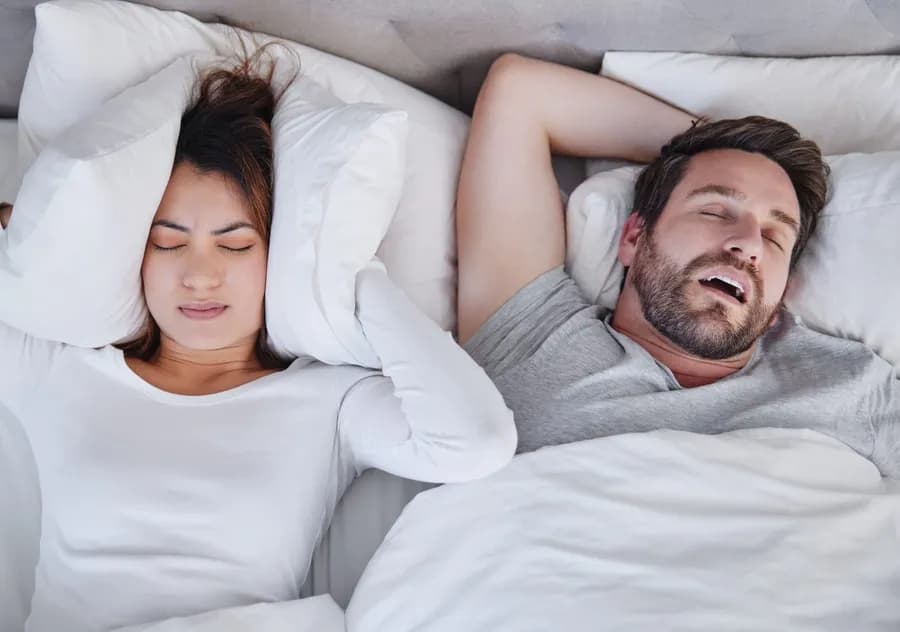
When you lie on your back, gravity can pull your tongue and soft tissues towards the back of your throat, narrowing the airway. That makes snoring louder and can make obstructive sleep apnea worse, in which breathing repeatedly stops and starts during sleep. Many people with sleep apnea have more breathing pauses on their back than on their side. If you snore loudly, wake up gasping or feel very tired during the day, speak to a doctor, and try sleeping on your side.
Pregnant women in later pregnancy
Health guidance in the UK advises that from 28 weeks of pregnancy, women should go to sleep on their side rather than their back, because research suggests going to sleep on the back after 28 weeks can increase the risk of stillbirth. If you wake up on your back, there's no need to panic; simply turn onto your side. Habuild has separate guides on sleeping positions during pregnancy.
People with acid reflux
Lying flat on your back can make it easier for stomach acid to travel up into the food pipe, especially after a late meal. Many people with reflux feel better sleeping on their left side or with the head of the bed raised.
Some people with lower back pain
For some people, lying flat on the back increases lower back discomfort, especially on a very soft or very hard mattress. A pillow under the knees often helps; if it doesn't, side sleeping with a pillow between the knees may be more comfortable.
How to Sleep Comfortably on Your Back
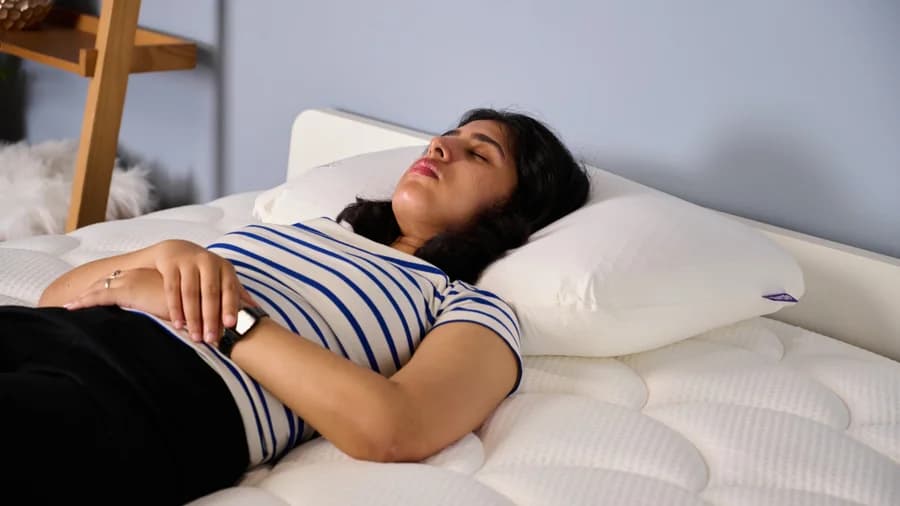
Start with your pillow. Back sleepers usually do best with a thin to medium pillow that fills the gap under the neck without pushing the chin towards the chest. A pillow that's too high bends the neck forward, while no pillow at all can let the head tip back.
Place a pillow or rolled towel under your knees. This bends them slightly and lets the lower back relax into the mattress instead of arching. Check your mattress too: a medium-firm mattress that keeps your hips from sinking usually gives the most even support.
Keep your arms relaxed by your sides or resting on your stomach, rather than above your head, which can strain your shoulders over the night.
Signs Back Sleeping Isn't Working for You
Pay attention to how you feel in the morning. Waking up with a stiff neck, an aching lower back or a dry mouth and sore throat can be signs that back sleeping isn't suiting you, or that your pillow and mattress need adjusting. If your partner says you snore loudly or seem to stop breathing at times, that's a reason to switch to your side and speak to a doctor.
How to Train Yourself to Sleep on Your Back
If you'd like to become a back sleeper, start by lying on your back as you fall asleep each night, with pillows placed on either side of your body to make rolling over less likely. Don't worry if you wake up in another position; it can take a few weeks for a new habit to settle. Relaxing for a few minutes on your back before sleep, with slow breathing, can make the position feel more natural.
Is There a Best Sleeping Position?
There's no single best sleeping position for everyone. Back sleeping suits many people well, side sleeping is often better for snorers, pregnant women and people with reflux, and stomach sleeping is generally the hardest on the neck. The best position for you is one that lets you sleep well and wake up without pain. Habuild also has guides on side and stomach sleeping positions if you'd like to compare.
How Habuild Can Help
Habuild's live sessions include yoga and gentle strengthening that support a healthy spine and posture, which can make any sleeping position more comfortable. The Habuild app's Box Breathing habit is a simple way to relax before bed.
Editorial Sources
- Sleep Foundation – How to Sleep on Your Back
- NHS – Preventing stillbirth
- Positional obstructive sleep apnea syndrome in elderly patients (2020)
- Sleep Foundation – How to Sleep Better with GERD
Health Disclaimer
This article is for general information only and is not medical advice. If you snore loudly, have back pain or are pregnant, please consult a doctor about the best sleeping position for you.
Frequently Asked Questions
Related Articles
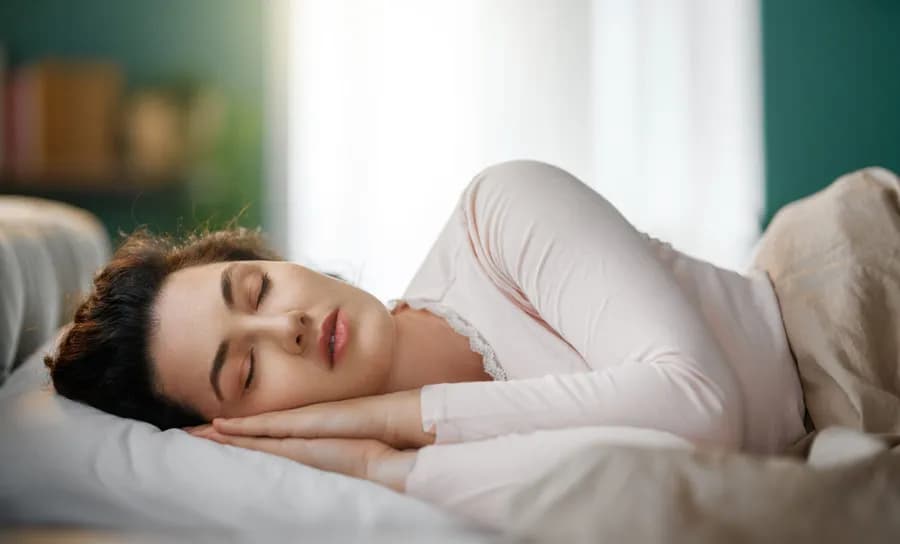
Best Sleeping Position for Your Health: Back, Side or Stomach?
The best sleeping position isn't the same for everyone — it depends on what you're optimising for, from spinal alignment to acid reflux. See how back, side and stomach sleeping actually compare.
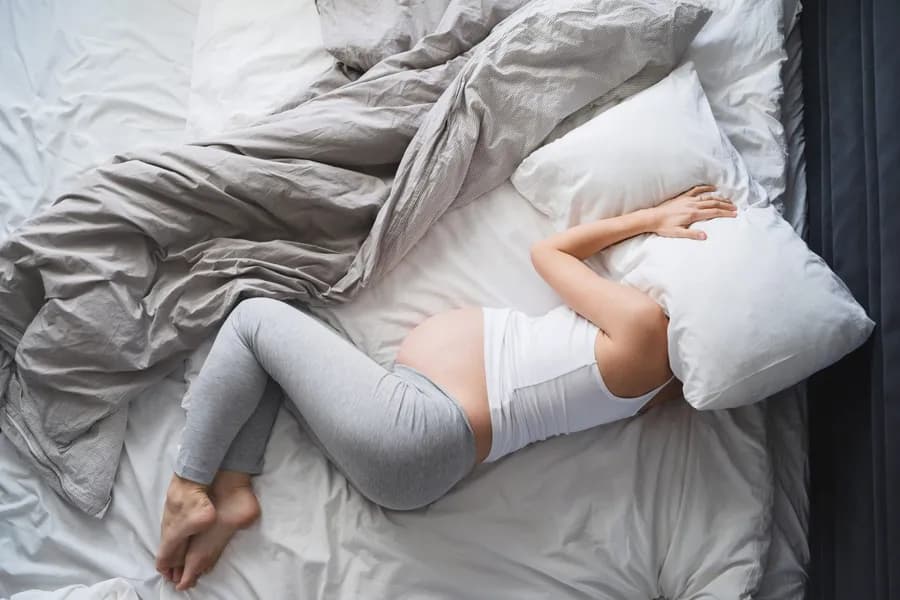
Pregnancy Sleeping Positions: What’s Safe and What to Avoid
Pregnancy sleeping positions matter more as pregnancy progresses — what's fine in the first trimester isn't necessarily ideal by the third. See what's safe and what to avoid, trimester by trimester.
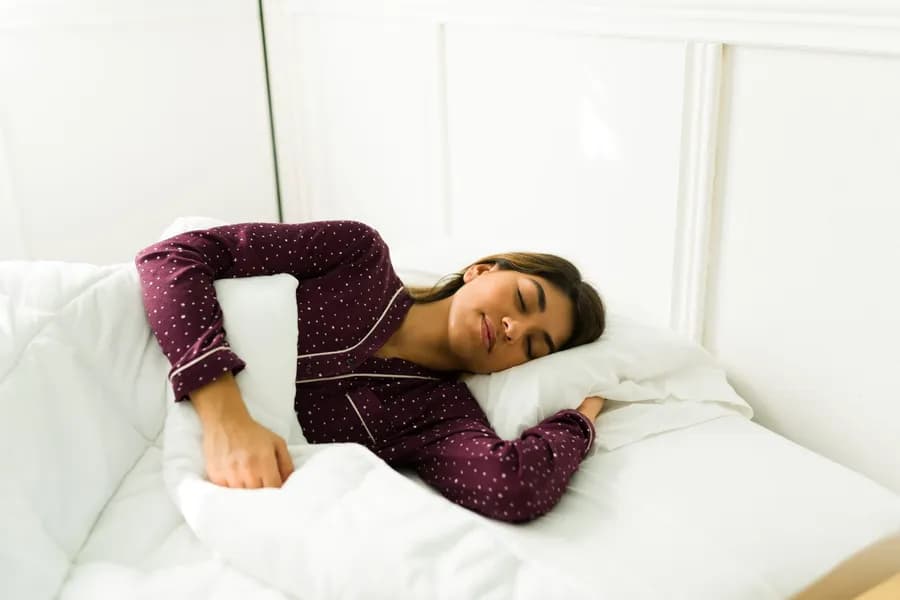
Acid Reflux Sleeping Position: What Helps at Night
Getting your acid reflux sleeping position right can meaningfully cut nighttime heartburn without medication — gravity does most of the work. See the exact position and elevation that helps most.
How to Stop Snoring: 7 Proven Ways for Quiet, Restful Sleep
Snoring signals a partly blocked airway during sleep, and most cases are caused by lifestyle, posture, and breathing patterns you can change. See 7 proven ways for quiet, restful sleep.
