
How to Stop Snoring: 7 Proven Ways for Quiet, Restful Sleep
Snoring signals a partly blocked airway during sleep, and most cases are caused by lifestyle, posture, and breathing patterns you can change. See 7 proven ways for quiet, restful sleep.


Key Takeaways
- Tongue Slide exercise strengthens the tongue muscles that collapse and cause snoring.
- Camacho et al. 2015 review found oropharyngeal exercises reduce snoring in 8-12 weeks.
- Sleeping on your side and avoiding alcohol 3 hours before bed resolves mild snoring.
- Untreated snoring linked to obstructive sleep apnoea raises blood pressure, per AHA.
- Soft Palate Lift involves holding an ‘ahhh’ sound for 5 seconds, repeated 10 times.
- Most people notice measurable change within 2-4 weeks of consistent daily practice.
Snoring is more than an annoyance; it’s a signal that the airway is partly blocked during sleep, and over time it disrupts sleep quality for both the snorer and anyone sharing the room. The good news: most snoring is caused by lifestyle, posture, and breathing patterns that you can change.
This guide walks through how to stop snoring immediately, how to prevent snoring long-term, and how to stop snoring while sleeping using simple daily habits, breathing exercises, and a structured routine you can start tonight.
Benefits of Learning How to Stop Snoring
- Better Sleep Quality and Deeper Recovery When the airway stays open, your body cycles through deep and REM sleep properly. Snoring fragments those cycles, leaving you tired even after a full eight hours.
- Improved Daytime Energy and Focus People who address snoring often report sharper concentration, better mood, and steadier energy within two to four weeks of consistent practice.
- Healthier Heart and Lower Blood Pressure Long-term snoring especially when it indicates obstructive sleep apnea is linked to higher blood pressure and cardiovascular strain, per the American Heart Association. Reducing it protects long-term heart health.
- A Calmer, Better-Rested Partner The relationship benefit is real. Couples who sleep through the night tend to be measurably happier and more patient with each other.
How to Get Started with a Snoring-Reduction Routine
What You Need to Begin
No equipment is required. A firm pillow that keeps your head elevated, a quiet space for five minutes of breathing practice morning and evening, and the willingness to make a few small lifestyle adjustments are enough.
Setting Realistic Goals
Most people see noticeable change in 2–4 weeks of consistent practice. Don’t expect a single night to fix years of snoring. Focus on building daily breathing and posture habits that compound over time.
Start with the Basics
Sleep on your side, not your back. Avoid alcohol three hours before bed. Practice slow nasal breathing for five minutes before sleep. These three changes alone resolve mild snoring for many people. For deeper support, a structured practice like our yoga for snoring guide walks through the breathing techniques in detail.
Best Exercises to Stop Snoring
Tongue Slide
Place the tip of your tongue against the back of your front teeth, then slide it backward along the roof of your mouth. Repeat 10–15 times. Strengthens the tongue muscles that collapse during snoring. A systematic review by Camacho et al. (2015) found oropharyngeal exercises measurably reduce snoring frequency and intensity in 8–12 weeks of consistent practice.
Soft Palate Lift
Open your mouth, say “ahhh” while lifting the back of your throat. Hold 5 seconds, repeat 10 times. Strengthens the soft palate to reduce vibration during sleep.
Pursed-Lip Breathing
Breathe in through the nose for 4 counts, exhale through pursed lips for 6 counts. Do 10 cycles. Trains slow, controlled breathing that carries into sleep.
Anulom Vilom (Alternate Nostril Breathing)
Close the right nostril, inhale through the left; close the left, exhale through the right. Reverse. 5 minutes daily clears nasal passages and balances the breath.
Cheek Hook
Hook a finger inside the cheek, pull gently outward while contracting the cheek muscle inward. 10 reps each side. Tones the muscles around the airway.
Singing or Humming for 5 Minutes
The vibration tones the soft palate and upper throat. Research from the University of Exeter has linked singing exercises to reduced snoring frequency in regular practitioners. There’s a reason professional singers report low snoring rates.
Side-Sleeping Practice
Train yourself to sleep on your side. Sew a tennis ball into the back of your t-shirt for two weeks; the discomfort retrains the position. Most positional snoring drops meaningfully inside sleepers, per the American Academy of Sleep Medicine. Pair with breathwork from our sleeping yoga asanas guide.
Common Mistakes to Avoid
- Drinking Alcohol Before Bed Alcohol relaxes throat muscles, making collapse and snoring worse. Cut it three hours before sleep.
- Sleeping Flat on Your Back The single biggest cause of positional snoring. Side-sleeping reduces it dramatically.
- Ignoring Persistent, Loud Snoring If snoring is loud, irregular, or includes gasping or pauses, it may be obstructive sleep apnea, a medical condition. See a doctor for a sleep study before assuming home practice will be enough.
- Inconsistency Like any breath-and-muscle training, snoring exercises only work with daily practice. Three weeks of consistency beats three months of occasional effort.
Solutions to the question: How to stop snoring?
- Mild to Moderate Snorers The exercises and habits in this guide work best for people who snore most nights but don’t have diagnosed sleep apnea.
- People with Nasal Congestion If allergies or chronic congestion contribute to your snoring, breathing exercises and nasal hygiene help significantly.
- Older Adults Snoring often worsens with age as throat muscles lose tone. These exercises slow that decline. Always check with a doctor if snoring is a recent change after age 50.
- Working Professionals Snoring-driven sleep loss tanks daytime productivity. A 10-minute daily routine pays off measurably at work.
Build Your Sleep and Breathing Routine with Habuild
Stopping snoring isn’t about a single trick, it’s about consistent daily breathing, throat-muscle work, and good sleep posture. With a structured, guided routine, you can build all three from home in 15 minutes a day.
What you get with Habuild’s daily program:
- Daily live guided breathing and yoga sessions
- Beginner-friendly progression with no equipment
- Expert form correction in real time
- Community support to keep daily practice going
Related reads: How to Sleep Better at Night: 8 Proven Habits for Deeper, More Restful Sleep · How to Get Deep Sleep: 7 Proven Ways to Improve and Lengthen Deep Sleep
Snoring often improves when the muscles around the airway gain more tone and the breath becomes more controlled overall, which is precisely what a regular pranayama and asana practice trains. Certain breathing exercises strengthen the throat and diaphragm, while postural improvements from yoga can open up the airway that a collapsed, forward-leaning posture tends to narrow during sleep. Habuild’s free yoga challenge includes breathing practices that are worth folding into your routine.
Frequently Asked Questions
Related Articles

How to Reduce Weight — the Honest Daily Routine That Actually Produces Sustainable Loss
Sustainable weight loss happens at 0.5-1kg per week through consistent moderate caloric deficit — crash diets produce fast scale changes that almost always regain, and often exceed, the original weight. See the realistic approach.
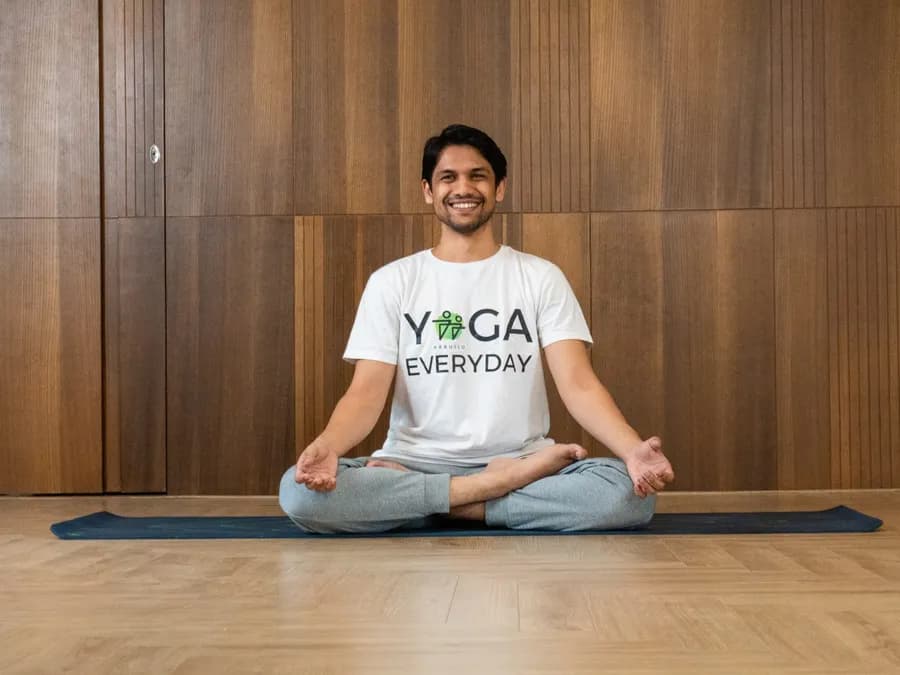
Pranayama Asana: A Guide to Breathing Poses Benefits and Practice
Practice Pranayama Asana with Habuild. Learn pranayama breathing types, steps, and benefits for lung health, stress relief, and daily vitality. Start today!
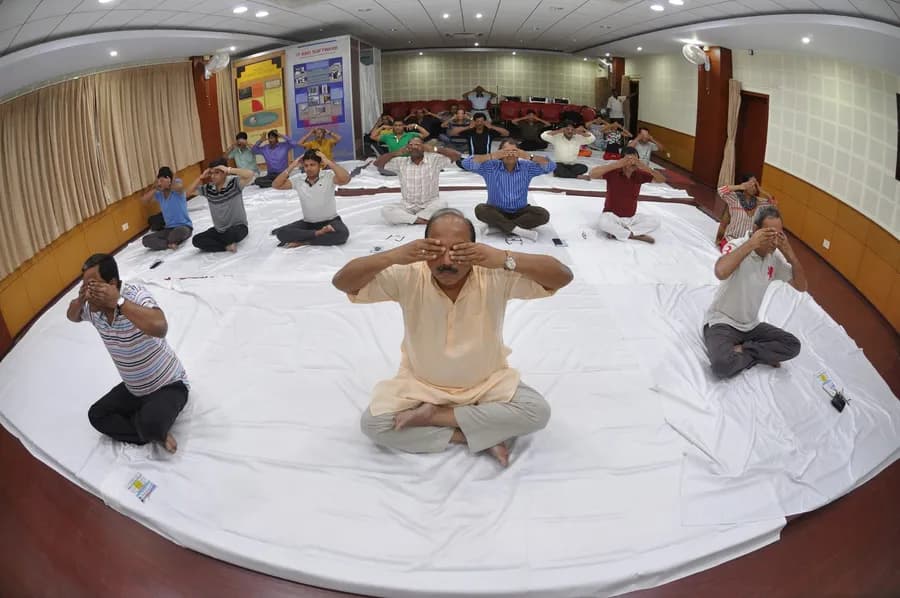
Bhramari Pranayama: Steps, Benefits and Precautions
Bhramari pranayama, the humming bee breath, brings the head still and quiet within seconds. Learn the correct hand position, steps, and precautions with Habuild's guided practice.