
Spooning Position Sleep: Pros, Cons and Comfort Tips
Spooning position sleep is valued as much for closeness as for actual sleep quality, and most couples don't sustain it all night, which is completely normal. See the real pros, cons and comfortable variations.


Key Takeaways
- States physical closeness during sleep is linked to increased oxytocin, the bonding hormone.
- States felt security is consistently positive, though measured sleep continuity isn’t.
- Names the inside arm losing circulation as one of the most common spooning complaints.
- Recommends the inside partner tuck their arm under their own pillow to avoid the dead-arm problem.
- States most couples drift into separate positions after falling asleep, which is entirely normal.
- Recommends treating it as a falling-asleep ritual rather than forcing an all-night arrangement.
Spooning position sleep — one partner curled behind the other, both facing the same direction — is one of the most common couple sleep positions, valued as much for the closeness it offers as for how it actually holds up through a full eight hours. Most couples who try it end up somewhere between fully embracing it and adapting it into something more sustainable.
The real benefits of spooning position sleep
Physical closeness during sleep is linked to increased oxytocin release, the hormone associated with bonding and stress reduction, which is a genuine reason spooning position sleep feels calming beyond just the comfort of the posture itself. It’s also inherently a side sleeping position for both partners, meaning it carries the same digestion and snoring-reduction benefits that side sleeping offers generally, at least for whoever is on the bottom.
What research says about touch and sleep quality
Beyond the general association with oxytocin, some sleep research has specifically looked at co-sleeping couples and found mixed results on objective sleep quality — subjective reports of feeling more secure and content are consistently positive, while actual measured sleep continuity (fewer awakenings, deeper stages) doesn’t always show a clear improvement from physical contact itself, and can sometimes be slightly worse due to a partner’s movement or heat. This gap between how spooning position sleep is felt to affect sleep and what’s measured is worth knowing, since it explains why the emotional benefit is well established even though the purely physiological sleep-quality benefit is less clear-cut.
The honest downsides of spooning position sleep
- The inside arm — the partner whose arm is underneath often loses circulation or wakes up with a dead arm, one of the most common complaints about this position
- Temperature mismatch — two bodies pressed together generate more heat, which can be uncomfortable, especially in warmer climates or seasons
- Difficult to sustain all night — most couples who start in a spooning position sleep drift apart to their own separate positions after falling asleep, which is completely normal and not a sign anything’s wrong
Tips for making spooning position sleep more comfortable
- The inside partner can bend their arm up under their own pillow instead of under their partner’s body, avoiding the circulation problem
- Keep a slight gap between bodies if the room runs warm, rather than pressing fully together all night
- Don’t expect (or force) the position to last the whole night — using it to fall asleep together, then separating naturally, gets the bonding benefit without the physical strain
- If one partner consistently disrupts the other’s sleep in this position, it’s fine to treat it as a falling-asleep ritual rather than an all-night arrangement, the same logic covered in sleep divorce for couples optimising for both closeness and actual rest
Variations on spooning position sleep worth trying
Not every couple needs the classic full-body version to get the benefits. A few common variations solve specific complaints while keeping much of the closeness:
- Half-spoon — the inside partner lies flatter on their back while the outside partner curls in from behind, reducing the trapped-arm problem significantly
- Back-to-back contact — spines or shoulders touching without full body wrap-around, offering some physical connection with far less shared body heat
- Loose spoon with a body pillow between — maintains proximity and the psychological comfort of closeness while physically preventing the tightest, most heat-generating contact
- Foot or leg contact only — for couples who find any upper-body spooning uncomfortable but still want some point of physical connection through the night
Experimenting with these variations is often more sustainable long-term than either forcing the classic full-spoon all night or abandoning physical closeness altogether.
Does spooning position sleep suit every couple?
Not necessarily — significant height differences, one partner’s snoring, or simply different temperature preferences can make it more frustrating than comforting for some couples. There’s no obligation to sleep this way through the night if it doesn’t work for both people; the emotional benefit of closeness can still be had briefly before both partners settle into whatever position lets them actually sleep well.
Frequently Asked Questions
Related Articles

Why Is Sleep Important? Benefits for Your Body and Mind
Why is sleep important? It's an active process your body uses for memory, immune function and emotional regulation, not just rest. See what actually happens overnight, and why cutting it short costs more than it seems to save.

Mudra for Insomnia: Hand Gestures That Support Better Sleep
Each finger represents one of the five elements, and joining specific fingers is said to balance these elements and shift the body toward calm before

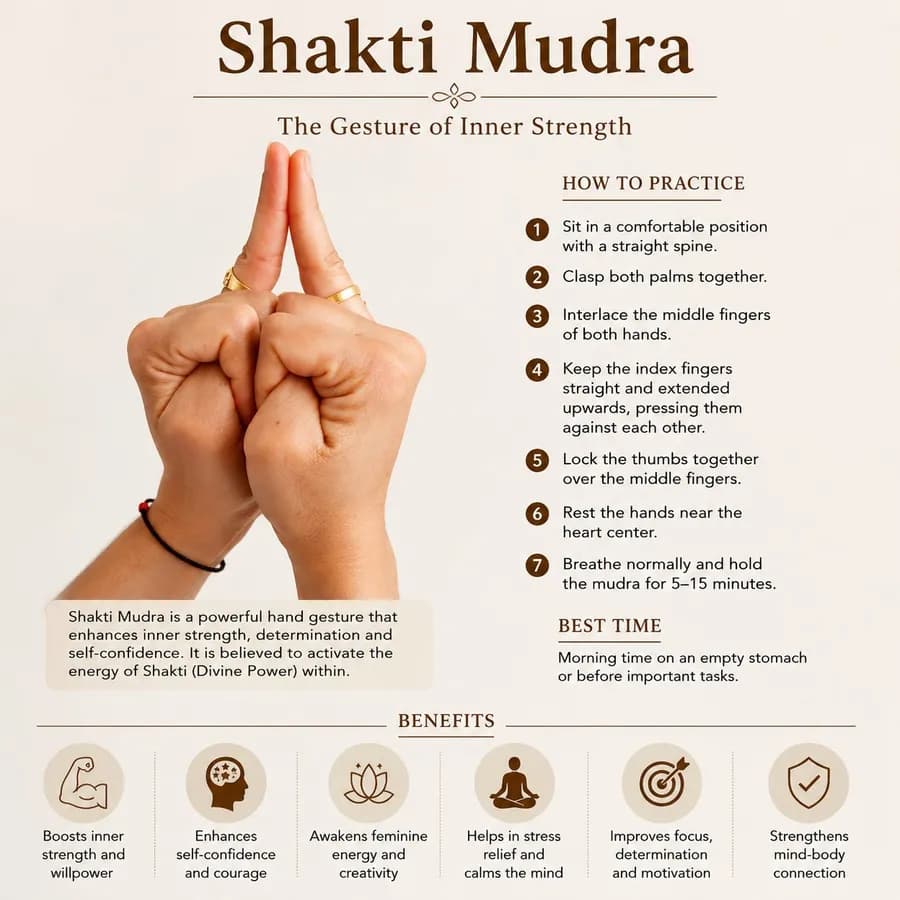
Mudra for Sleep (Shakti Mudra): Steps, Benefits, and Precautions
Shakti Mudra and Prithvi Mudra activate the parasympathetic nervous system and establish a conditioned pre-sleep signal when held for 10-15 minutes before