
Yoga for Sleep Apnea: Can It Really Help?
Yoga for sleep apnea won't replace a CPAP machine, but specific throat and breath practices have real research behind easing mild symptoms. See what actually helps, and what it can't do.
Key Takeaways
- States obstructive apnea happens when throat muscles relax too much, partially blocking the airway.
- Names Simhasana, lion’s pose, as actively toning the tongue and throat through its stretch-and-roar.
- Recommends holding simhasana with tongue extended for 5-8 breaths, repeated three times.
- Frames yoga as a helpful addition alongside medical treatment, not a cure for sleep apnea.
- States consistency matters more than intensity for these slow-building throat-muscle exercises.
- Names excess neck and throat weight as one of the most significant contributing apnea factors.
Yoga for sleep apnea isn’t a cure, but there’s genuine research behind specific practices — particularly throat and upper-airway exercises, and poses that support easier breathing — as a helpful addition alongside proper medical treatment for obstructive sleep apnea.
How yoga for sleep apnea can help
Obstructive sleep apnea happens when throat muscles relax too much during sleep, partially or fully blocking the airway. Certain yoga and breathing practices strengthen and tone the muscles of the throat, tongue, and airway, which some studies suggest can reduce the frequency and severity of mild apnea episodes. Separately, general yoga practice supports weight management and stress reduction, both of which are known contributing factors in obstructive sleep apnea.
Yoga practices most linked to sleep apnea improvement
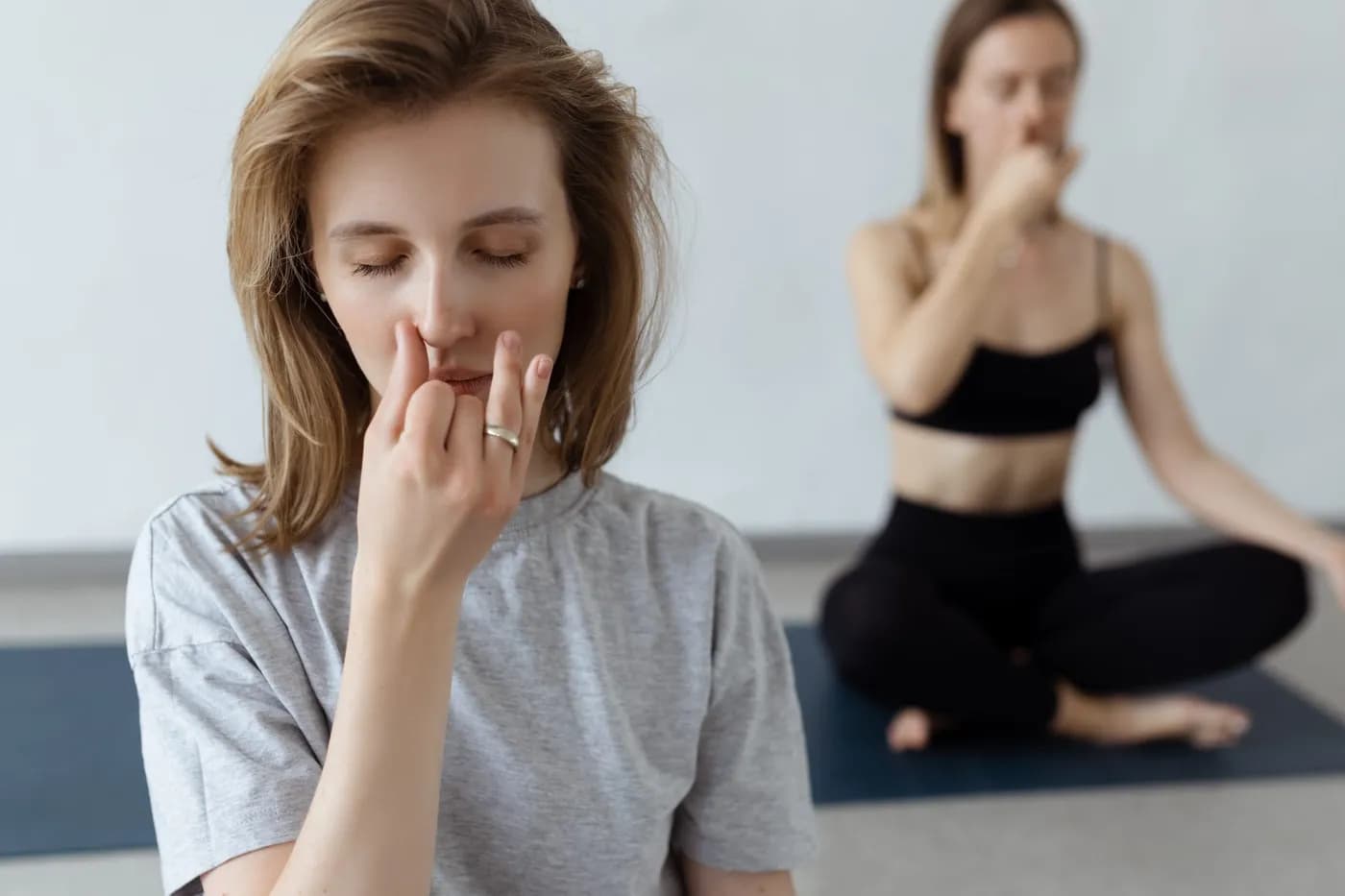
- Bhramari pranayama (humming bee breath) — strengthens breath control and has shown mild benefit for snoring and apnea symptoms in small studies
- Simhasana (lion’s pose) — actively works and tones the tongue and throat muscles through its exaggerated stretch-and-roar movement
- Ujjayi pranayama — a controlled, audible breath that builds awareness and control over the throat’s airway muscles
- Chin-to-chest and neck stretches — support general tone and flexibility in the neck and throat area
- General restorative and gentle flow yoga — supports weight management and lowers stress, both relevant to reducing apnea severity over time
If snoring rather than diagnosed apnea is your main concern, how to stop snoring covers a broader set of remedies worth trying alongside these practices.
CPAP machine alongside yoga for sleep apnea practice
A simple myofunctional routine within yoga for sleep apnea
Myofunctional therapy — exercises specifically targeting the muscles of the mouth, tongue, and throat — overlaps closely with several yoga practices and has its own growing evidence base for mild sleep apnea. A simple nightly sequence might include: 5-10 rounds of bhramari pranayama, holding simhasana with the tongue fully extended for 5-8 breaths repeated 3 times, pressing the tongue flat against the roof of the mouth and holding for 10 seconds repeated 5 times, and finishing with a few minutes of ujjayi breathing to close the practice. Consistency matters far more than intensity here — these are slow-building strength exercises for small muscles, similar in principle to physiotherapy, not a practice that produces results from occasional or inconsistent effort.
How yoga for sleep apnea fits alongside weight and lifestyle factors
Because excess weight around the neck and throat is one of the most significant contributing factors in obstructive sleep apnea, yoga’s broader role in supporting weight management is arguably as relevant as the specific throat exercises. A regular practice that includes both restorative and more active styles supports gradual, sustainable weight change alongside stress reduction — and lower stress has its own independent benefit, since stress and poor sleep quality can worsen how apnea is experienced even when the physical obstruction itself is unchanged.
What yoga for sleep apnea cannot do
This needs to be said clearly: yoga is a supportive practice, not a treatment for obstructive sleep apnea. It does not replace a CPAP machine, a dentist-fitted oral appliance, or medically supervised weight loss when those are indicated, and it should never be used as a substitute for a proper sleep study if apnea is suspected. Untreated sleep apnea carries real cardiovascular risk, so yoga is best understood as something you do alongside your doctor’s treatment plan, not instead of it.
What the research actually measured
Most of the studies behind yoga for sleep apnea used the Apnea-Hypopnea Index (AHI) — the number of breathing disruptions per hour of sleep — as their main outcome, and found modest but real reductions after consistent practice over 3-6 months, generally in mild to moderate cases rather than severe ones. None of the research suggests yoga can bring severe obstructive sleep apnea down to a safe range on its own, which is exactly why it’s positioned as a complementary practice rather than an alternative to CPAP or other prescribed treatment when apnea is more than mild.
Who should try yoga for sleep apnea, and how
Anyone diagnosed with mild-to-moderate obstructive sleep apnea, or anyone with frequent loud snoring who hasn’t yet been evaluated, can reasonably add these practices to their routine — but a sleep study to confirm the diagnosis and severity should come first, since that determines what other treatment (if any) is medically necessary alongside the yoga practice. A qualified yoga teacher can also confirm you’re doing the throat and breath exercises correctly, since technique matters more here than in a general flexibility practice.
Frequently Asked Questions
Related Articles
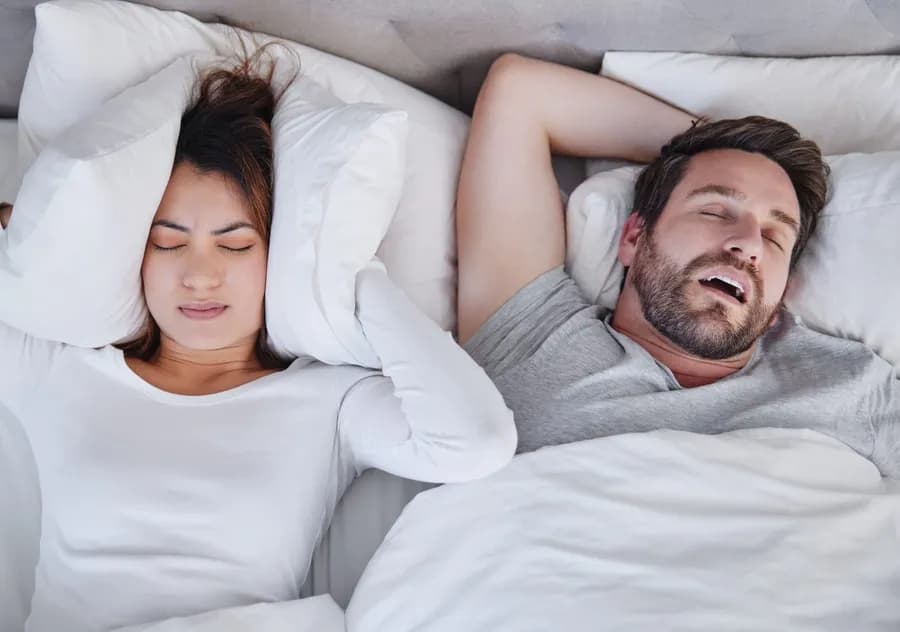
How to Stop Snoring: 7 Proven Ways for Quiet, Restful Sleep
Snoring signals a partly blocked airway during sleep, and most cases are caused by lifestyle, posture, and breathing patterns you can change. See 7 proven ways for quiet, restful sleep.

Why Is Sleep Important? Benefits for Your Body and Mind
Why is sleep important? It's an active process your body uses for memory, immune function and emotional regulation, not just rest. See what actually happens overnight, and why cutting it short costs more than it seems to save.
How to Sleep Better at Night: 8 Proven Habits for Deeper, More Restful Sleep
Sleep quality is highly responsive to a few specific evening habits — no medication, expensive devices, or complicated protocols required. See all 8 proven habits.