
Barefoot Walking on Grass: Benefits and Precautions
Walking barefoot on grass is a popular morning habit in India. Here's what it may do for you, what the research actually says and who should keep their shoes on.

Key Takeaways
- Walking barefoot on grass can feel relaxing and works the small muscles in your feet.
- Research on minimalist shoes suggests less cushioning can strengthen foot muscles.
- Claims about "grounding" or "earthing" have very limited research so far.
- People with diabetes or reduced feeling in their feet should avoid walking barefoot.
- Walk only on clean, well-kept grass to lower the risk of cuts and infections.
Why Is Barefoot Walking on Grass So Popular?
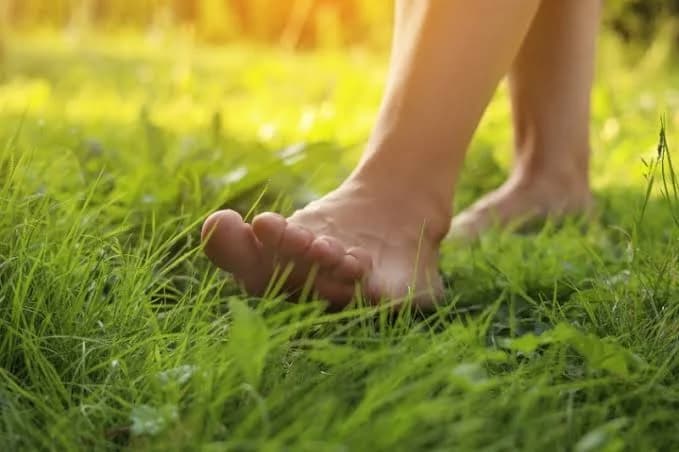
In many Indian homes, walking barefoot on dewy grass in the morning is a familiar habit, often recommended by parents and grandparents. It feels cool and calming underfoot, and it's an easy way to spend a few quiet minutes outdoors before the day gets busy. Many parks and housing societies have a patch of lawn where you'll see people doing exactly this at sunrise.
Today, barefoot walking has also become popular around the world, partly because of growing interest in "grounding" or "earthing" and in natural, minimalist footwear. With so many claims being made, it's worth looking at what the evidence actually says, and at who should be careful.
Possible Benefits of Walking Barefoot on Grass
It works the muscles in your feet
Your feet contain many small muscles that help with balance and support your arches. Shoes, especially thick, heavily cushioned ones, can reduce how much these muscles have to work, because the shoe does some of the job for them.
A 2023 review in the International Journal of Sports Medicine looked at 9 studies of minimalist shoes, which are thin, flexible shoes that let the foot move more naturally. It found that wearing them increased the strength of the small foot muscles by 9 to 57% and their size by 7 to 11% in healthy people. A larger 2025 review also found small gains in foot strength, though it rated the evidence as low quality.
These studies were on minimalist shoes rather than barefoot walking on grass, so the results can't be applied directly. But walking barefoot on a soft, even surface works your feet in a similar way, which is one plausible benefit of the habit.
It can feel relaxing
Many people find the cool, soft feel of grass underfoot genuinely calming, especially as part of a slow morning walk. Spending a few minutes outdoors in a green space, away from screens and traffic, is something many people find helps them unwind and start the day in a better frame of mind.
It encourages a gentler walking style
Without shoes, most people naturally take shorter steps and land more softly on the ground. On soft grass, this can feel comfortable and natural, and it makes you more aware of how your feet move.
What About Grounding or Earthing?
"Grounding" or "earthing" is the idea that touching the earth with bare skin transfers electrical charge into the body, and that this brings health benefits. Many claims are made about it, from better sleep to reduced inflammation.
Cleveland Clinic notes that there's not much research on earthing, and that even the better studies are too preliminary to draw firm conclusions. It's generally safe for most healthy people to try, but there isn't enough evidence to say it treats any health condition. Similarly, popular claims that walking on grass improves eyesight or cures specific diseases are not backed by strong research. It's best to enjoy barefoot walking for what it is, a pleasant habit, rather than as a treatment.
Who Should Avoid Walking Barefoot?
People with diabetes
Diabetes can reduce feeling in the feet. NHS diabetes foot-care advice warns people with diabetes to avoid walking barefoot at any time, because they may not notice a cut, blister or injury, which can then lead to serious infections. If you have diabetes, always protect your feet with suitable footwear.
People with nerve damage or foot problems
If you have numbness, poor circulation, foot deformities or other foot conditions, Cleveland Clinic advises checking with a podiatrist or doctor before walking barefoot. People with open cuts or wounds on their feet should keep them covered and protected until they heal.
Safety Tips for Barefoot Walking on Grass
If you'd like to try it, a few simple precautions make barefoot walking safer:
- Choose clean, well-kept grass: check for stones, glass, thorns and animal droppings
- Avoid areas that may be dirty: skip grass or soil where animal or human waste may be present, as some infections can enter through bare skin
- Start with short walks: 5 to 10 minutes, then build up slowly
- Check and wash your feet afterwards: look for cuts, blisters or splinters
- Be careful on wet grass: dewy grass can be slippery, and avoid very hot surfaces
How to Start Barefoot Walking Gently
If your feet are used to shoes all day, start gently. Begin with about 5 minutes on a soft, even lawn, walking slowly and paying attention to how your feet feel. Over the next few weeks, you can gradually add a few minutes at a time. Some soreness in the arches or calves is common at first, because muscles that are rarely used are being asked to work harder, but sharp pain is a sign to stop. Simple foot exercises, such as spreading your toes or rising slowly onto your tiptoes, can also help your feet adapt.
Should You Walk Barefoot or in Shoes?
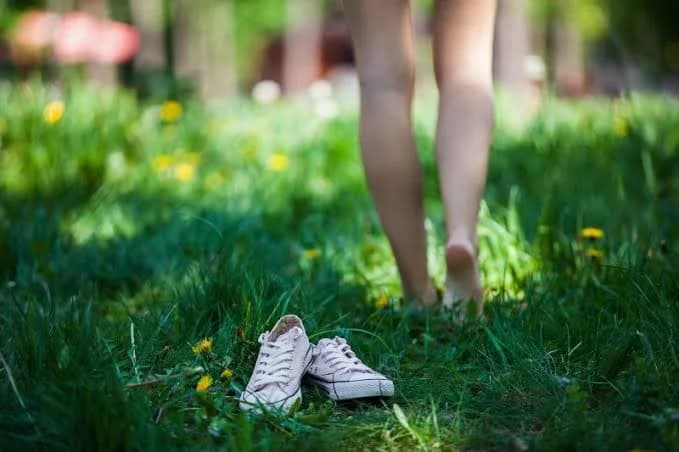
For most people, the best approach is a mix of both. Supportive shoes are still the better choice for brisk fitness walks, long distances and walking on roads, where they protect your feet and joints. Short barefoot walks on clean, soft grass can be a pleasant addition for comfort and foot muscle work, as long as your feet are healthy. Habuild's live sessions include walking along with exercises, yoga and breathing, and the Habuild app's Walk Daily habit helps you track your walks.
Editorial Sources
- Xu et al. – Minimalist shoes and intrinsic foot muscles, International Journal of Sports Medicine (2023)
- Peters-Dickie et al. – Effect of footwear on foot muscle strength, Clinical Biomechanics (2025)
- Cleveland Clinic – Is earthing actually good for you?
- Kent Community Health NHS Foundation Trust – Diabetes foot care advice
Health Disclaimer
This article is for general information only and is not medical advice. If you have diabetes, nerve damage or a foot condition, please speak to your doctor or podiatrist before walking barefoot.