
Benefits of Leg Exercises: Strength, Stability & More
Discover the top benefits of leg exercises for strength, posture, and daily energy. Start a structured routine today — try Habuild with a 14-day free trial.
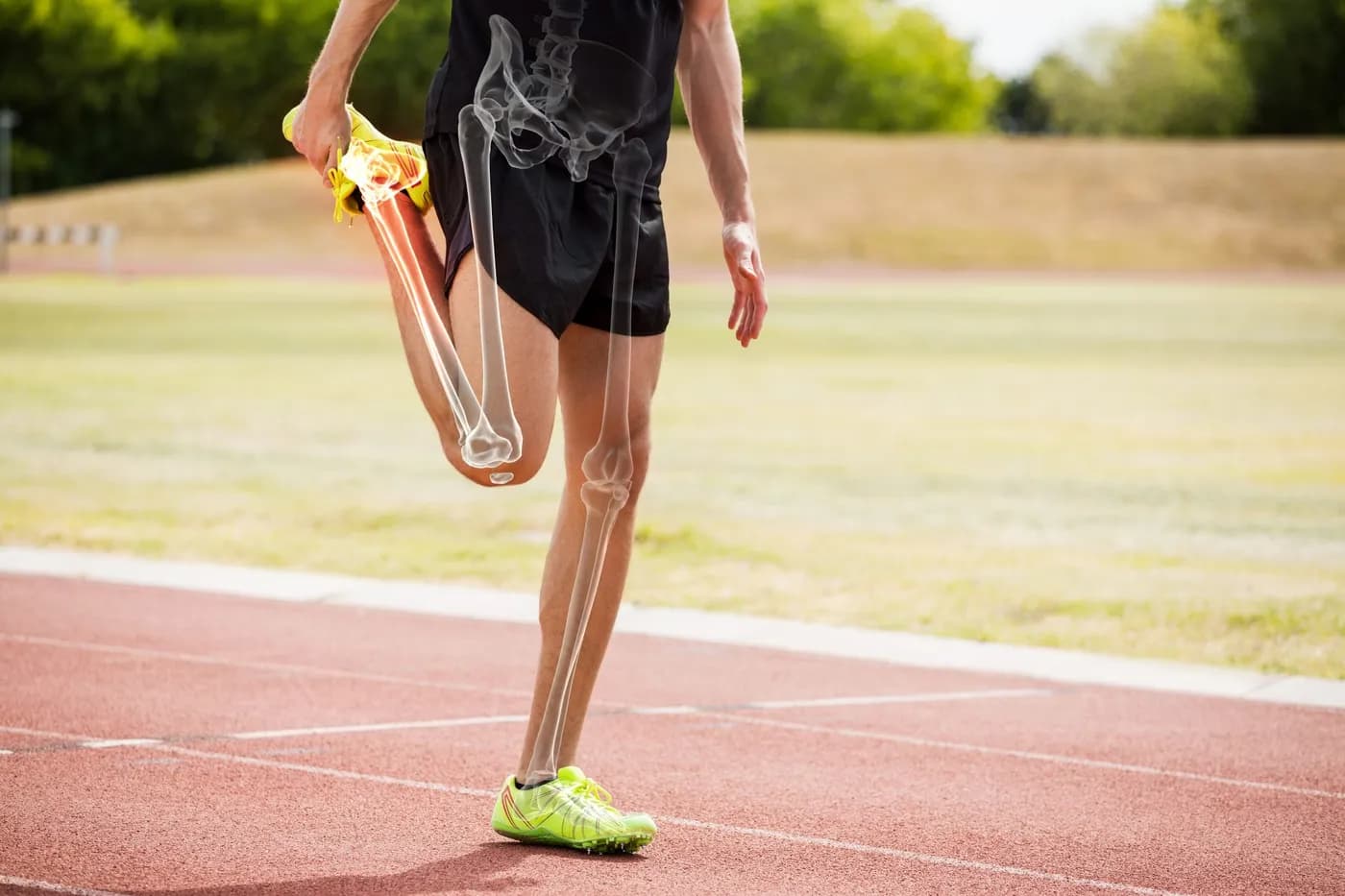
Key Takeaways
- Targets the body’s largest muscle groups – quadriceps, hamstrings, glutes, and calves.
- Single-leg moves like lunges train the stabiliser muscles and nervous system together.
- Strengthening around the knees and hips creates a natural support system for both joints.
- Weak hips and glutes are a leading cause of poor posture and lower back pain.
- Hanging and lying leg raises build hip flexor strength and activate the lower core.
- Side leg raises specifically activate the hip abductors and glute muscles.
The benefits of leg exercises extend far beyond muscle tone. Consistent lower-body training builds functional strength, supports joint health, boosts metabolism, and improves balance — all from home, with no equipment required.
Your legs carry you through every single day — climbing stairs, walking to work, keeping your balance as you age. Yet most people either skip leg day entirely or train their lower body without any real structure. A consistent, well-designed leg routine has a measurable effect on your overall energy and metabolism. Here is everything you need to know to start taking leg training seriously.
8 Key Benefits of Leg Exercises
- Builds Lower-Body Strength and Muscle Leg exercises target the largest muscle groups in your body — quadriceps, hamstrings, glutes, and calves. Training these muscles regularly builds real, functional strength that translates directly into everyday movement. Whether you are lifting groceries or walking uphill, stronger legs make the effort easier.
- Boosts Metabolism and Calorie Burn Because leg muscles are so large, training them demands significant energy — both during the session and in recovery. Your body continues burning calories for hours after a leg workout, which supports a healthy weight over time when combined with consistent practice.
- Improves Bone Density Weight-bearing leg exercises apply healthy stress to your bones, signalling them to become denser and stronger. This is particularly important as you age, when bone density naturally declines. Regular training helps your skeleton stay resilient and reduces the risk of fractures.
- Enhances Balance and Coordination Single-leg movements like lunges and leg raises challenge your stabiliser muscles and your nervous system simultaneously. Over time, this sharpens your coordination and balance — a benefit that pays off not just in workouts but in daily life and injury prevention.
- Supports Knee and Hip Joint Health Strengthening the muscles around your knees and hips creates a natural support system for these joints. Many people experience discomfort in these areas precisely because the surrounding muscles are weak. Consistent strength training for legs helps build that protective layer gradually.
- Improves Posture and Spinal Alignment Weak hips and glutes are a leading cause of poor posture and lower back pain. When your lower body is strong and balanced, your spine stays better aligned, reducing the strain that comes from sitting for long hours or moving inefficiently throughout the day.
- Leg Raise Exercise Benefits: Core and Hip Flexor Strength Leg raise exercises — both lying flat and hanging — are uniquely effective at building hip flexor strength and activating the lower core. The leg raise exercise benefits extend beyond the legs themselves: a stronger core means better stability in every other exercise you do and less lower-back fatigue in daily sitting and standing.
- Benefits of Side Leg Raises: Hip Abductor and Glute Activation Side leg raises specifically target the hip abductors and the gluteus medius — muscles that are chronically underworked in most people. The benefits of side leg raises include better lateral stability, reduced knee valgus during squats, and stronger outer hips that protect you during running and walking. They require zero equipment and are an excellent daily movement even on rest days.
How to Get Started with Leg Exercises
What You Need to Begin
You do not need a gym or any equipment to start training your legs effectively. Bodyweight squats, lunges, glute bridges, and leg raises can all be done on a mat at home. As you build strength, you can progress to resistance bands or dumbbells — but they are entirely optional at the beginning.
Setting Realistic Goals
Avoid the trap of going too hard in the first week. Start with two to three leg-focused sessions per week and allow at least one rest day between sessions. The goal in the early weeks is building the movement habit and learning correct form — not maxing out effort. Soreness is normal; sharp joint pain is not.
Start with the Basics
Begin with three foundational movements: bodyweight squats, glute bridges, and standing lunges. Aim for 3 sets of 10–12 repetitions each. Once you can perform these with control and without discomfort, add variations like sumo squats, reverse lunges, or weighted goblet squats. Habuild’s strength training for beginners programme walks you through progression step by step.
Best Exercises for Leg Strength and Stability
Squats
The squat is the foundation of lower-body training. It works the quads, hamstrings, glutes, and core simultaneously. Start with feet shoulder-width apart, toes slightly turned out, and lower until your thighs are parallel to the floor. Aim for 3 sets of 12 reps. Keep your chest up and knees tracking over your toes throughout.
Lunges
Lunges improve single-leg strength and expose imbalances between your left and right side. Step forward with one foot, lower your back knee toward the floor, then push through your front heel to return. Do 10 reps per leg for 3 sets. Reverse lunges are easier on the knees and a great starting variation.
Glute Bridge
Lie on your back with knees bent and feet flat. Drive your hips upward by squeezing your glutes, hold at the top for two seconds, then lower slowly. This is one of the most effective exercises for glute activation and lower-back health. 3 sets of 15 reps works well for most beginners.
Leg Raises
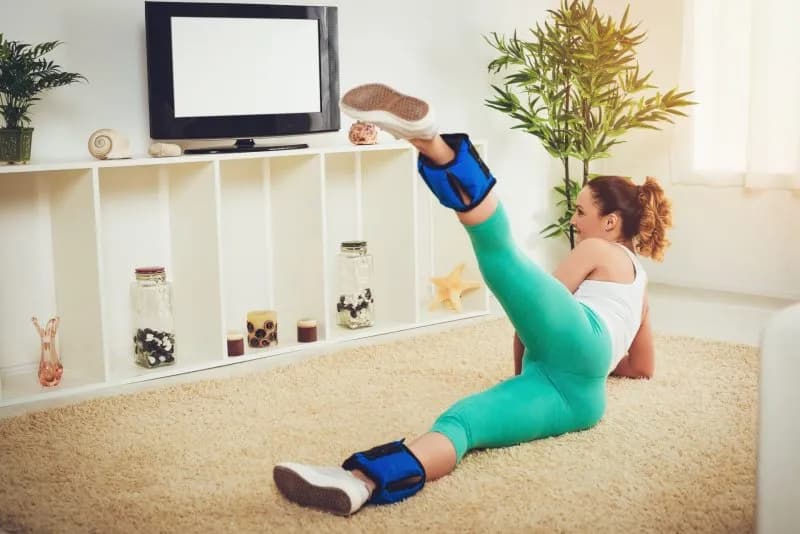
Lie flat on your back and raise both legs to 90 degrees, then lower them slowly without letting your lower back arch off the floor. This movement directly builds hip flexor strength and lower-core endurance. Start with 3 sets of 10 controlled reps and progress by slowing the descent further each week.
Side Leg Raises
Lie on your side with legs stacked. Slowly raise the top leg to about 45 degrees, pause, then lower with control. This isolates the hip abductors and the gluteus medius — muscles that most people rarely consciously train. 3 sets of 15 per side will create noticeable stability improvements within a few weeks.
Wall Sit
Slide your back down a wall until your thighs are parallel to the floor. Hold for 30–60 seconds. The wall sit builds isometric quad strength and mental endurance — useful for both athletic performance and everyday stair-climbing.
Calf Raises
Stand on the edge of a step or flat on the floor. Rise onto your toes, pause, then lower slowly. Calf raises improve lower-leg circulation and ankle stability. They are particularly valuable for people who stand or walk for long periods. 3 sets of 20 reps, done slowly, is a good target.
Common Mistakes to Avoid
- Poor Form The most common and costly mistake in leg training is prioritising weight or reps over movement quality. Allowing your knees to cave inward during squats or rushing through lunges increases injury risk significantly. Move slowly, film yourself occasionally, or train with a coach who can correct you in real time.
- Skipping the Warm-Up Cold muscles and stiff joints do not perform well under load. A five-minute warm-up — leg swings, hip circles, bodyweight squats — makes a measurable difference in how well your muscles activate and how safely you can train. Structured leg swings exercises are a great place to start.
- Overtraining Without Recovery Training legs every day without rest does not accelerate results — it stalls them. Muscles grow during recovery, not during the workout itself. Two to four sessions per week with adequate sleep and nutrition is consistently more effective than daily high-volume training that leaves you depleted.
- Inconsistency Doing an intense leg workout once every two weeks will not produce meaningful change. The body adapts to regular, repeated stimulus. Three weeks of consistent moderate training outperforms one week of extreme effort followed by two weeks off. Consistency is the variable that separates people who see results from those who stay stuck.
Who Should Try Leg Exercises?
- Beginners If you have never trained consistently before, leg exercises are one of the best entry points into fitness. The movements are intuitive, require no equipment, and produce visible improvements in strength and stamina relatively quickly. Bodyweight squats and glute bridges give you an immediate foundation to build on.
- Women There is a persistent myth that leg training will make women bulky. In practice, most women do not have the hormonal profile to build large muscle mass from standard strength training. What they build is toned, defined lower-body muscle — along with better posture, improved bone density, and stronger joints. You can also explore how yoga for legs complements strength work for a balanced lower-body routine.
- Older Adults As we age, maintaining leg strength becomes critical for independence, balance, and fall prevention. Exercises like glute bridges, wall sits, and calf raises are joint-friendly and highly effective for older adults. If you have existing joint conditions or osteoporosis, consult your doctor before beginning a new programme — but for most people, gentle progressive leg training is actively encouraged by health professionals.
- Working Professionals Sitting for eight or more hours a day shortens the hip flexors, weakens the glutes, and contributes to lower-back pain. A 20-minute leg routine three times per week directly counteracts these effects. It improves posture at the desk, reduces end-of-day fatigue, and increases the kind of low-level energy that helps you stay focused through long workdays.
Build Strength with a Routine That Actually Works
Building stronger legs is not about doing random workouts when motivation strikes — it is about following a structured, progressive plan with guidance you can trust. With the right support, you can train effectively from home and build real lower-body strength over time.
What You Get with Habuild’s Strong Everyday Program:
- Daily live guided strength and yoga sessions
- Beginner-to-advanced progression built into every week
- No-equipment and home-friendly workouts
- Expert guidance to ensure correct form and prevent injury
- Community support so you stay consistent, not just motivated
Start Your Strength Training Journey
Related reads: Types of Leg Workouts: Build Strength & Stability · Strength Exercises for Weight Loss: Benefits, Best Moves & How to Start
Leg strength translates into posture and daily energy gains slowly, through repeated loading over weeks rather than any single leg day. A structured routine ensures those sessions build on each other instead of happening in isolation. Habuild’s Strong Everyday program offers a guided, structured approach to build that leg strength consistently over time.
Frequently Asked Questions
Related Articles
10 Benefits of Lifting Weights You Should Know
Discover the top benefits of lifting weights — from burning fat to building strength. Start your journey with Habuild's guided strength training program.
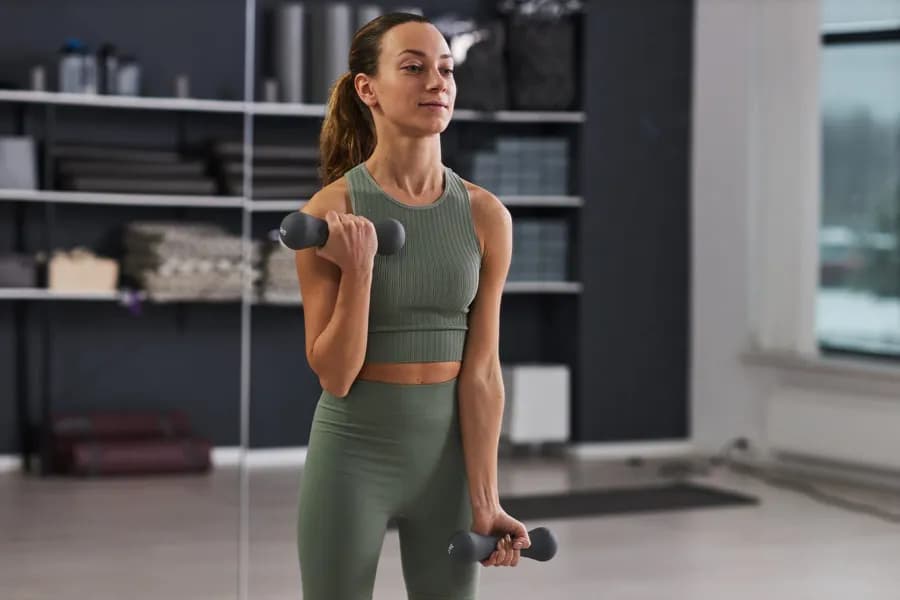
Best Exercises for Biceps: Build Strength, Size and Consistency
Standing dumbbell curls, hammer curls, concentration curls, chin-ups, and resistance band curls target both heads of the bicep — most can be done with minimal or no equipment. See the full list.
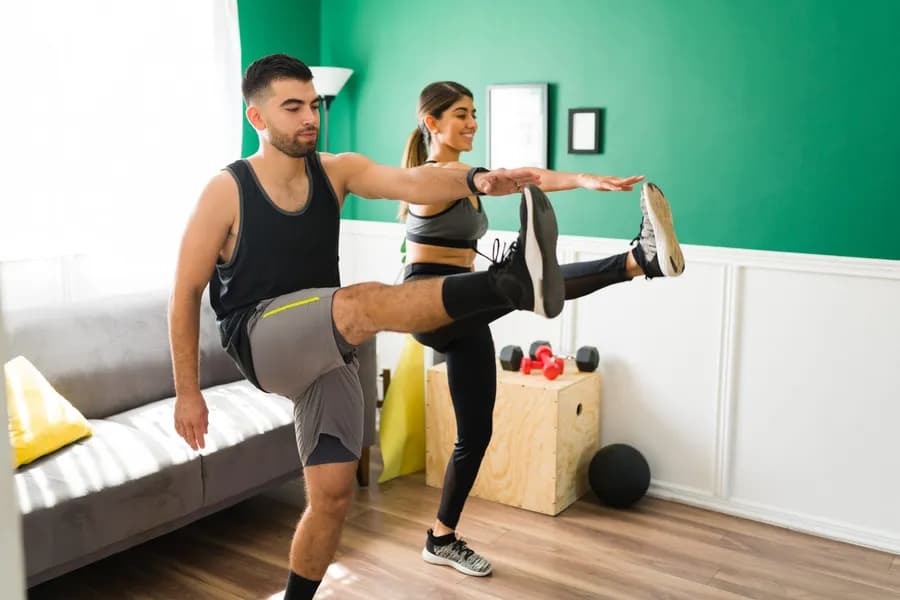
Active Recovery Workout: Benefits, Best Exercises & How to Get Started
Discover the best active recovery workout routines for full body relief. Learn exercises, mistakes to avoid, and how to stay consistent. Start for ₹1 today.
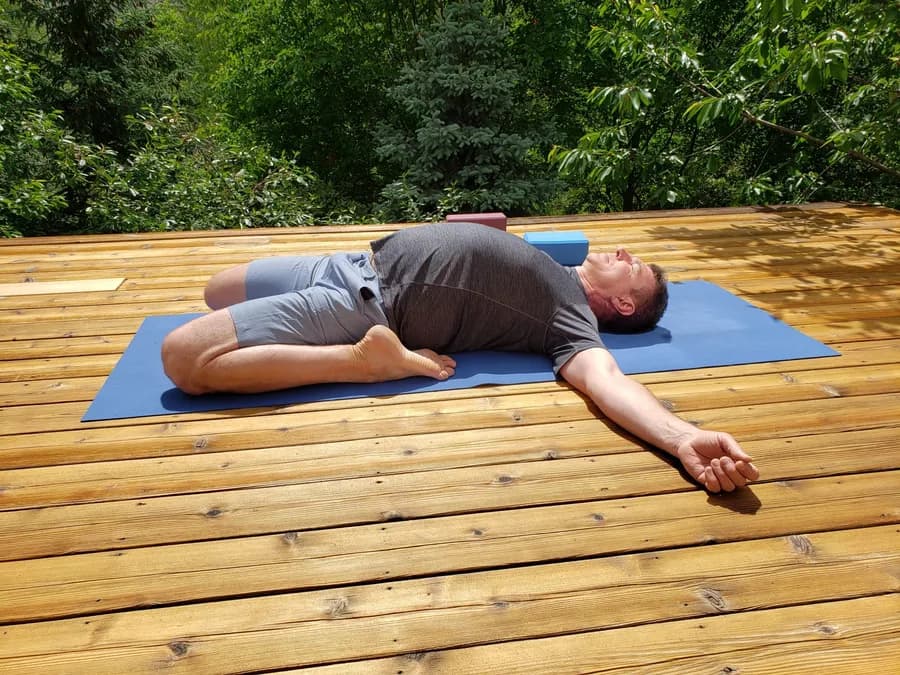
Benefits of Daily Exercise: Strength, Energy & More
Discover the key benefits of daily exercise — from stronger muscles to better sleep. Start your journey with Habuild's guided strength program with a 14-day free trial.
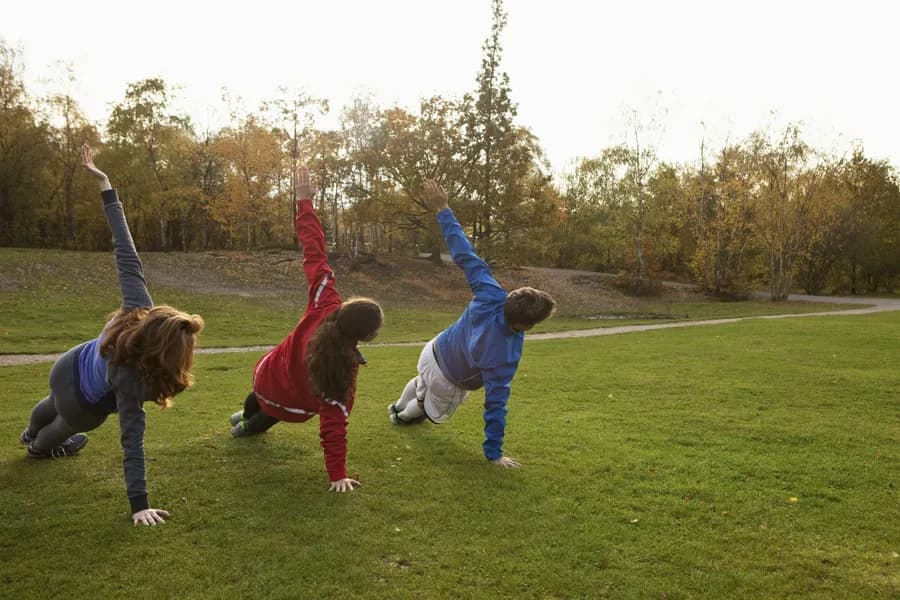
Benefits of Exercising in Morning
Discover the top benefits of exercising in morning — from better energy to fat loss. Start your day right with Habuild. try free for 14 days.