
Best Exercise for Sore Knees: Moves That Help
Discover the best exercise for sore knees to ease discomfort and build strength. Start your guided routine today — first 7 days for just ₹1.
Key Takeaways
- The right movement, not rest, is the most effective approach for sore knees.
- Every extra kilogram of body weight adds roughly four kilograms of pressure on the knees.
- A structured routine can show noticeable improvement within weeks of consistent practice.
- A folded blanket under the knee during floor work adds meaningful comfort for sensitive joints.
- Improves balance and proprioception, reducing compensatory strain on surrounding joints.
- Start with 15-20 minutes, three to four times a week, prioritizing consistency over intensity.
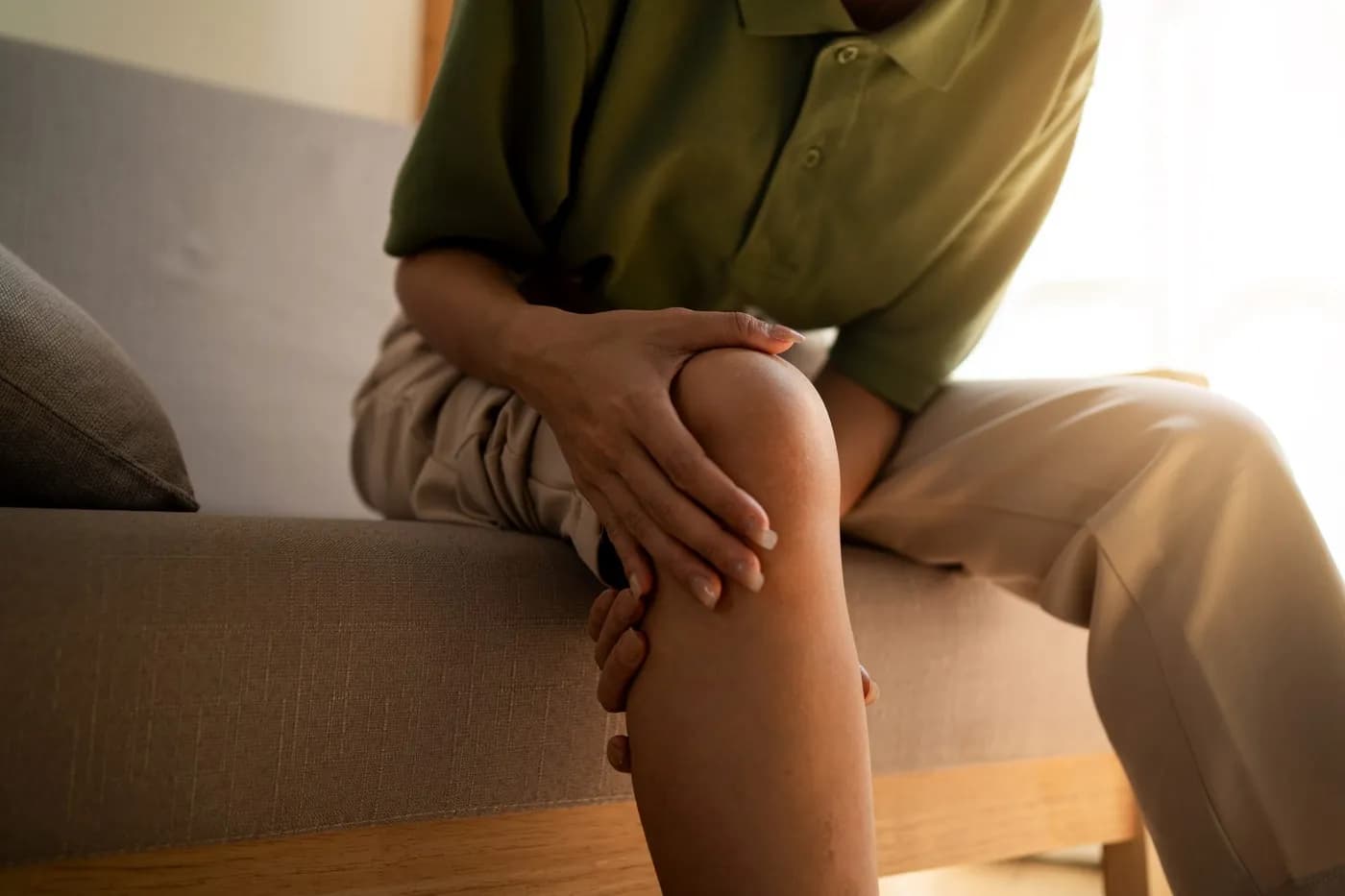
The best exercise for sore knees isn’t rest — it’s the right kind of movement. Gentle, targeted exercises strengthen the muscles around the knee joint, improve flexibility, and support long-term mobility. Whether your discomfort stems from prolonged sitting, weak quads, or everyday wear, a structured routine can produce noticeable improvement within weeks of consistent practice.
If you’re dealing with stiff, achy, or uncomfortable knees, this guide covers the safest exercises to start with, the mistakes that slow progress, and how to build a daily habit that your knees will actually thank you for.
6 Key Benefits of Exercising with Sore Knees
- Strengthens Muscles Around the Joint When the quadriceps, hamstrings, and glutes are strong, they absorb more of the load your knees take during daily activity. Regular low-impact exercise gradually builds this protective muscle layer without putting direct stress on the joint itself.
- Improves Joint Mobility and Range of Motion Gentle movement keeps the knee joint lubricated and functional. Skipping exercise entirely can cause stiffness to worsen, making routine movements like climbing stairs or getting up from a chair progressively harder.
- Reduces Inflammation Over Time Consistent low-intensity movement supports circulation, which may help ease the mild inflammation that contributes to knee discomfort. This isn’t an overnight change — it builds with daily practice. You can also explore exercises for better circulation that complement a knee recovery routine.
- Supports Healthy Body Weight Every kilogram of extra body weight adds roughly four kilograms of pressure on your knee joints. Exercise that helps maintain a healthy weight directly reduces the load your knees carry every single day.
- Enhances Balance and Coordination Knee discomfort often affects movement confidence. Stability exercises improve balance and proprioception — your body’s sense of position — which reduces compensatory strain on surrounding joints. Building coordination through targeted exercises is a smart complement to any knee-focused routine.
- Builds Long-Term Consistency in Movement The biggest benefit of a structured routine isn’t any single session — it’s showing up regularly. Small, daily movement habits create cumulative improvements in how your knees feel and function over weeks and months.
How to Get Started with Exercise for Sore Knees
What You Need to Begin
You don’t need a gym or special equipment. A yoga mat, enough floor space to lie down, and supportive footwear are all you need. If your knees are particularly sensitive, a folded blanket under the knee during floor work adds meaningful comfort.
Setting Realistic Goals
Start with 15–20 minutes of movement, three to four times a week. In the first month, the goal isn’t intensity — it’s consistency. Progress looks like less stiffness after a session, more confident movement on stairs, or fewer difficult knee days per week. Avoid measuring success by pain elimination alone.
Start with the Basics
Begin with exercises that work through a pain-free range of motion. Seated leg raises, mini squats to a 30-degree bend, and standing calf raises are safe starting points for most people. Always warm up for five minutes — brisk walking in place or gentle ankle circles are enough to prepare the joint.
Best Exercises for Sore Knees
These seven movements are low-impact, home-friendly, and specifically chosen to support the muscles that protect the knee joint. They draw on both yoga exercises for knee pain and functional strength principles — a combination well suited to gradual, sustainable improvement.
Straight Leg Raises
Lie on your back, bend one knee with the foot flat, and lift the straight leg to about 45 degrees. Hold for 3 seconds, lower slowly. This strengthens the quadriceps without bending the knee under load. Do 3 sets of 12 reps per leg.
Wall Sit (Shallow)
Stand with your back against a wall and slide down until your thighs are at a gentle angle — no deeper than 45 degrees. Hold for 20–30 seconds. This builds quad endurance with controlled, supported load. For sore knees, keep the bend shallow throughout.
Glute Bridges
Lie on your back with knees bent and feet flat on the floor. Press through your heels to lift your hips until your body forms a straight line from shoulders to knees. Hold for 2 seconds at the top, then lower slowly. Strong glutes reduce the knee’s workload during daily movement. Do 3 sets of 15.
Standing Calf Raises
Hold a chair for balance, rise onto your toes slowly, and lower with control. This strengthens the calf-Achilles complex, which plays a supporting role in knee stability. Do 3 sets of 15–20 reps.
Seated Hamstring Stretch
Sit at the edge of a chair, straighten one leg with the heel on the floor, and gently lean forward from the hips until you feel a mild pull behind the thigh. Hold for 30 seconds per side. Tight hamstrings pull on the back of the knee — regular stretching helps reduce that chronic tension.
Yoga Warrior I (Modified)
Among the best yoga poses for knee pain, a modified Warrior I keeps the front knee directly over the ankle — never past the toes. This builds hip and quad strength simultaneously while training correct knee alignment during movement. Hold for 20–30 seconds per side. If the knee feels strain, shorten your stance.
Step-Ups (Low Step)
Use the bottom stair or a low, stable platform. Step up one foot at a time, then step back down with control. This functional movement strengthens quads and glutes in a real-world pattern. Start with 2 sets of 10 per leg and add reps gradually as strength improves.
For a broader approach to knee rehabilitation, the dedicated exercises for knees guide covers additional movements across difficulty levels.
Common Mistakes to Avoid
- Poor Form Letting the knee cave inward during squats or lunges is the most common error. Always track your knee over your second toe. If you can’t maintain alignment, reduce your range of motion — control matters more than depth.
- Skipping the Warm-Up Cold muscles and stiff joints don’t respond well to sudden movement demands. Five minutes of gentle walking in place, ankle circles, or light hip rotations raises tissue temperature and reduces the chance of aggravating existing soreness.
- Overtraining Through Pain There’s a clear difference between mild muscle fatigue — which is expected — and sharp, joint-level pain, which is a signal to stop. If an exercise consistently produces pain at or inside the knee, skip it and consult a physiotherapist before continuing. More repetitions do not equal faster recovery.
- Inconsistency Doing ten exercises on Monday and nothing for the rest of the week produces far less improvement than twenty minutes every day. Knee health responds to consistent, low-dose movement — not occasional intense sessions. A structured daily program is what makes the difference over time.
Who Should Try Exercise for Sore Knees?
- Beginners If you’ve never followed a structured movement routine before, knee-focused exercise is a gentle, low-barrier entry point. Most exercises require no equipment and can be done in a small space at home. Start slow, focus on form, and increase duration before intensity.
- Women Women are statistically more prone to certain types of knee discomfort, partly due to hip angle differences that affect knee alignment. Strength-based exercise — particularly for the glutes and inner quads — directly addresses these factors. This isn’t about bulking up; it’s about building the joint stability that everyday movement depends on.
- Older Adults Age-related cartilage changes and reduced muscle mass both contribute to knee sensitivity. Low-impact exercises support bone density, balance, and functional independence without excessive joint stress. Always check with your doctor before starting a new routine, especially with an existing knee condition. Yoga for sore knees is also a complementary gentle practice worth exploring.
- Working Professionals Extended sitting shortens hip flexors, weakens glutes, and shifts load onto the knees when you stand. Even 20 minutes of targeted daily movement helps counteract the postural effects of a desk-bound lifestyle — and every exercise here can be done before or after the workday without a commute to the gym.
Build Strength with a Routine That Actually Works
Recovering from knee discomfort isn’t about picking random exercises from a list — it’s about following a structured, progressive plan consistently, with guidance that keeps your form in check. That’s exactly what Habuild’s Strong Everyday program is built around.
What you get when you join:
- Daily live guided strength and yoga sessions
- Beginner-to-advanced progression at your own pace
- No equipment needed — entirely home-friendly
- Expert guidance on form, especially for sensitive joints
- A community that makes showing up every day easier
If you want the most effective strength exercises you can do at home, Habuild’s program gives you a proven, guided path forward.
Related reads: क्या Exercise Daily करना चाहिए? जानें सही जवाब · What Are Pilates Exercise? Benefits, Moves & Routine
Easing knee discomfort and building the surrounding strength both take patience — a single gentle session helps momentarily, but it’s the steady, well-paced repetition that actually supports the joint over time. Habuild’s Strong Everyday program offers guided, structured training that can help you build that supportive strength consistently and safely.
Frequently Asked Questions
Related Articles

Best Exercises for Strengthening the Knee
Discover the best exercises for strengthening the knee — reduce soreness, build stability, and move better. Start your guided plan for 14-day free trial today.
Best Stretching Exercises for Lower Back Pain
Discover the best stretching exercises for lower back pain. Build daily consistency with guided routines that may gradually ease discomfort. Try for 14-day free trial.
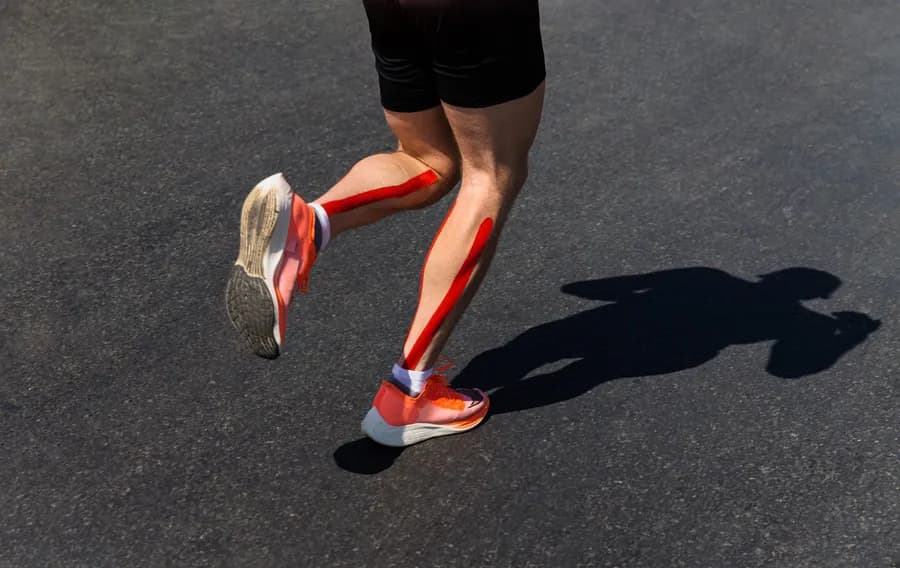
Best Exercises for Hamstrings
Discover the best exercises for hamstrings — stretches, strengtheners & beginner tips. Build consistency with Habuild. Start your 14-day free trial trial today.

Best Exercises for Glutes: Build Stronger, Firmer Glutes
Discover the best exercises for glutes to build strength, shape, and power. No gym needed. Start your guided training journey for just ₹1.
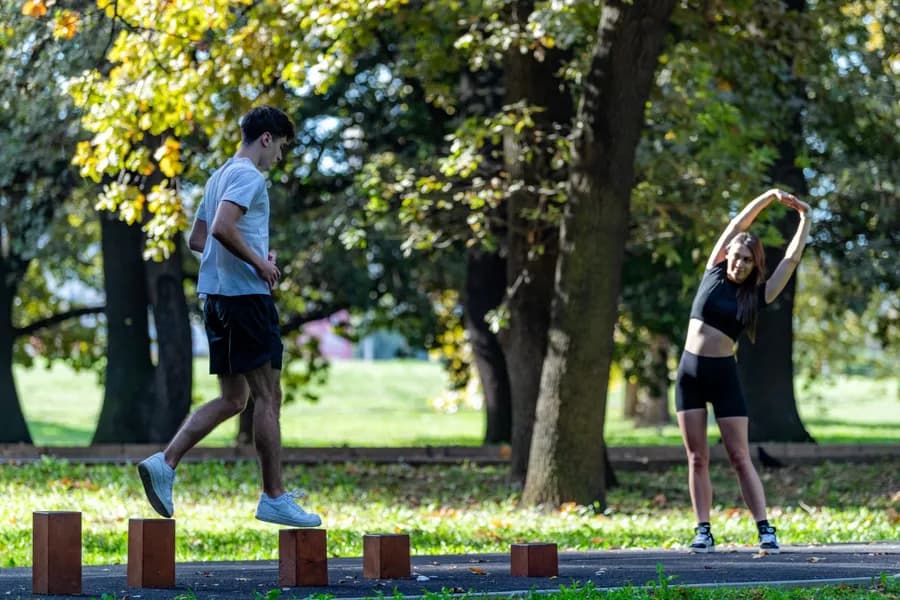
Warm Up Exercises Before Workout
Discover the best warm up exercises before workout to boost shoulder stability and prevent injury. Start your ₹1 trial with Habuild today.