
What Are Pilates Exercise? Benefits, Moves & Routine
Controlled, breath-led movements strengthen the deep core and develop body awareness, with every rep performed slowly and with precision. See the benefits, moves, and routine.
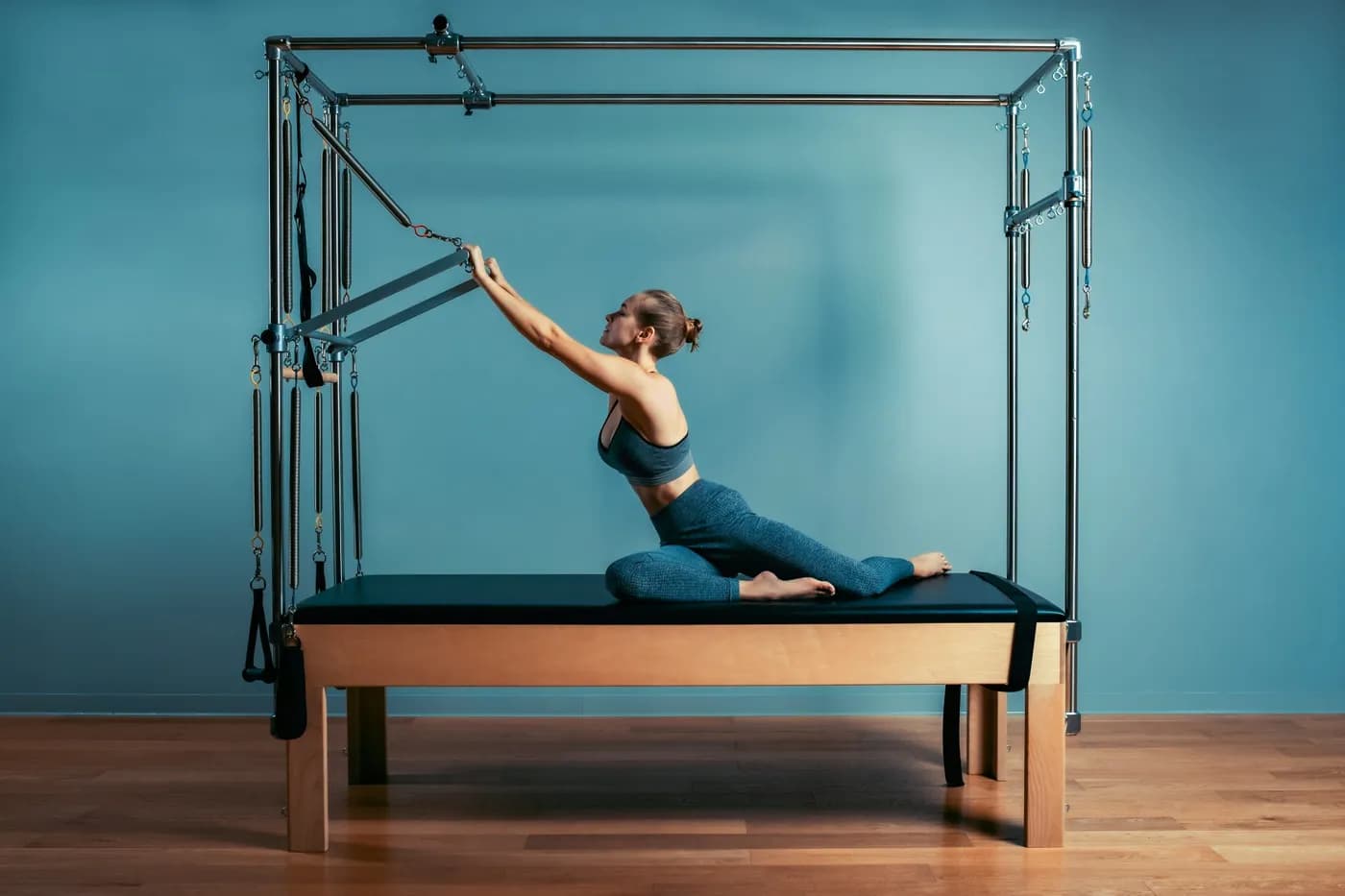
Key Takeaways
- Every movement is intentional and breath-led rather than rushed through.
- Trains the transverse abdominis, obliques, and pelvic floor that crunches often miss.
- Fills the gap left by heavy lifting by training stabilisers and small supporting muscles.
- Runners, swimmers, and weekend athletes use it to fix muscle imbalances and build power.
- Each exercise stretches and strengthens simultaneously, building flexibility without strain.
- Most moves require stabilising on one limb, sharpening balance and coordination with age.
Pilates exercise is a low-impact movement system built on controlled, breath-led movements that strengthen the deep core, improve posture, and develop body awareness. Every rep is performed slowly and with precision, making it one of the most accessible and joint-friendly ways to build functional strength.
If you have ever wondered what are pilates exercise and why so many people are adding them to their weekly routine, you are in the right place. Unlike random workouts, pilates exercise follows a structured approach where every movement is intentional, breath-led, and supportive of long-term mobility.
This guide breaks down the benefits, the best beginner-friendly moves, who should try it, and how to get started — even from home with zero equipment.
10 Benefits of Pilates Exercise
Pilates is more than a workout. When practiced consistently, it shapes how your body moves, holds itself, and recovers from daily stress. Here are the most meaningful benefits.
- Builds Deep Core Strength Pilates trains the deep abdominal muscles — transverse abdominis, obliques, and pelvic floor — that conventional crunches often miss. This is the foundation of a stable spine and stronger movement overall.
- Improves Posture and Spinal Alignment Long hours of sitting tighten the chest and weaken the back. Pilates restores balance by lengthening the spine and strengthening postural muscles, which gradually helps you stand and sit taller.
- Enhances Flexibility Without Strain Each exercise stretches and strengthens at the same time. Over weeks of practice, you will notice longer, more supple muscles without the soreness that comes from aggressive stretching.
- Supports Joint Health Because pilates is low-impact and controlled, it is gentle on knees, hips, and shoulders. It is one of the few practices that builds strength without grinding down joints.
- Develops Balance and Coordination Most moves require you to stabilise on one limb or shift your weight smoothly. This sharpens neuromuscular coordination, which becomes more important with age.
- Complements Strength Training If you lift weights or follow a structured strength training program, pilates fills the gap by training your stabilisers and small supporting muscles that heavier lifts often ignore.
- Eases Lower Back Discomfort Consistent practice may gradually ease tension in the lower back by strengthening the core and improving hip mobility. It complements — not replaces — medical advice.
- Boosts Mind-Body Awareness Every rep is performed with breath and focus. Over time, this builds a sharper sense of how your body moves in space, which carries into walking, lifting, and daily tasks.
- Reduces Stress Through Breathwork Pilates breathing patterns calm the nervous system, similar to a focused yoga session, helping you feel grounded after a session.
- Improves Athletic Performance Runners, swimmers, and weekend athletes use pilates to fix muscle imbalances and build explosive yet controlled power from the core.
How to Get Started with Pilates Exercise
Starting pilates does not require fancy equipment or a studio membership. What matters most is consistency, correct breathing, and easing in at your own pace.
What You Need to Begin
You need a yoga or pilates mat, comfortable clothing, and roughly 4 to 6 feet of floor space. Optional add-ons include a small cushion, a resistance band, or a light dumbbell — but none are essential in your first 4 weeks.
Setting Realistic Goals
Aim for 3 to 4 sessions a week of 20 to 30 minutes. Pilates rewards consistency far more than intensity. Avoid the trap of training daily for one week and quitting; a steady rhythm builds the real change.
Start with the Basics
Master breathing first — inhale through the nose, exhale fully through the mouth while engaging the core. Then layer in foundational moves like the hundred, pelvic curls, and single-leg stretches before attempting harder variations.
Best Pilates Exercises for Beginners
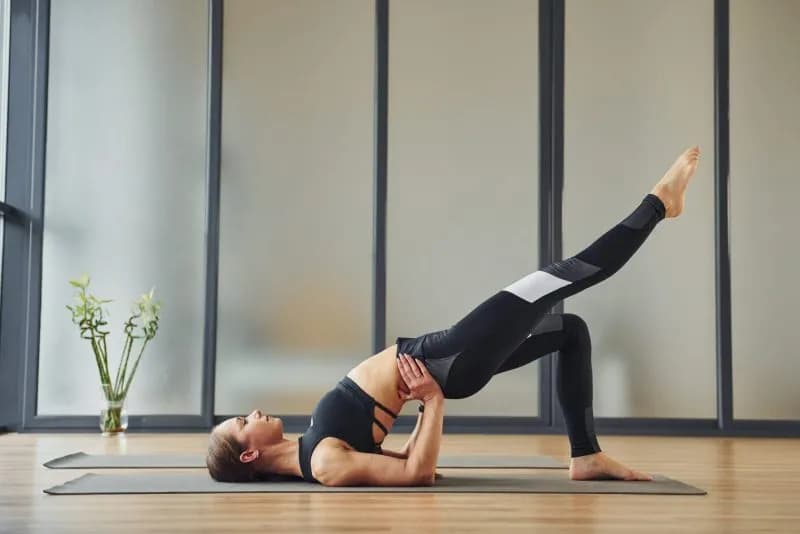
These foundational moves form the backbone of nearly every beginner pilates routine. Start with 2 sets of 8 to 12 reps each.
The Hundred
Lie on your back, lift your legs to a tabletop position, curl your head and shoulders up, and pump your arms by your sides while breathing in for 5 counts and out for 5 counts. Repeat for 100 pumps. This warms up the entire core.
Pelvic Curl (Bridge)
Lie with knees bent, feet flat, and slowly roll your spine off the floor one vertebra at a time. Pause at the top, then lower with control. Aim for 10 reps. This activates glutes and the lower back. You can deepen the benefit by also exploring the benefits of bridge pose in yoga.
Single-Leg Stretch
Lying on your back with head and shoulders curled up, extend one leg out while hugging the other knee in. Switch legs with control. Do 10 reps each side. This builds coordination and core endurance.
Roll-Up
Lie flat, arms overhead. Slowly peel up vertebra by vertebra to reach your toes, then roll back down with the same control. 8 to 10 reps. Builds spinal articulation and ab strength.
Plank Variations
Hold a forearm plank for 20 to 40 seconds, keeping hips level and core braced. Progress to side planks for oblique work. Excellent crossover with general core muscle exercises.
Leg Circles
Lying on your back, raise one leg straight up and draw small circles with control, keeping hips stable. 5 circles each direction, both legs. Trains hip mobility and core stability together.
Common Mistakes to Avoid
Pilates looks gentle, but small errors reduce results and increase injury risk. Watch for these.
- Poor Form Rushing through reps with a sagging lower back or hunched shoulders defeats the purpose. Quality over quantity — always.
- Skipping Warm-up Cold muscles do not articulate well. Spend 3 to 5 minutes on cat-cow, shoulder rolls, and breathing before launching into the main sequence.
- Holding Your Breath Breath is half of pilates. Holding it spikes tension and reduces core engagement. Match your breath to each movement.
- Inconsistency Two intense sessions followed by a two-week break gives almost nothing. Three short, consistent sessions a week beats one long monthly burst — every time.
Who Should Try Pilates Exercise?
Pilates suits a wider range of people than most fitness formats. Here is how different groups benefit.
- Beginners The slow pace and emphasis on form make pilates one of the most beginner-friendly entries into fitness. No prior strength or flexibility is required.
- Women Pilates builds long, toned, functional strength without bulking. It is especially helpful pre- and post-natal (with medical clearance) and pairs well with female strength training for a complete weekly routine.
- Older Adults Low-impact movement supports joint mobility, balance, and bone-loading without strain. Please consult your doctor before starting if you have an existing condition.
- Working Professionals A 20-minute mat session at home counters the posture damage of desk work, restores spinal mobility, and clears mental fog — without needing a gym.
Build Strength with a Routine That Actually Works
Pilates and strength training are not about random workouts — they are about showing up daily with a plan that builds steadily. With the right guidance, you can train effectively from home and see real progress in posture, strength, and energy over time.
What you get with Habuild’s Strong Everyday program:
- Daily live guided strength and movement sessions
- Beginner to advanced progression at your pace
- No-equipment, home-friendly workouts
- Expert coaching to keep your form correct
- A supportive community that keeps you consistent
Explore the structured strength training sessions and start your journey today.
Pilates exercise is a low-impact movement system focused on controlled, breath-led movements that build core strength, flexibility, and body awareness. Every rep is performed slowly and with precision.
Related reads: What Is the Best Exercise Routine? A Complete Guide · Best Exercise for Sore Knees: Moves That Help
Pilates’ slow, precise reps build functional strength gradually, which means the real payoff shows up after weeks of steady practice, not a single session. Following a structured, guided plan makes that steadiness far more achievable than trying to design your own routine. Habuild’s Strong Everyday program offers exactly this kind of guided training for building strength consistently.
Frequently Asked Questions
Related Articles
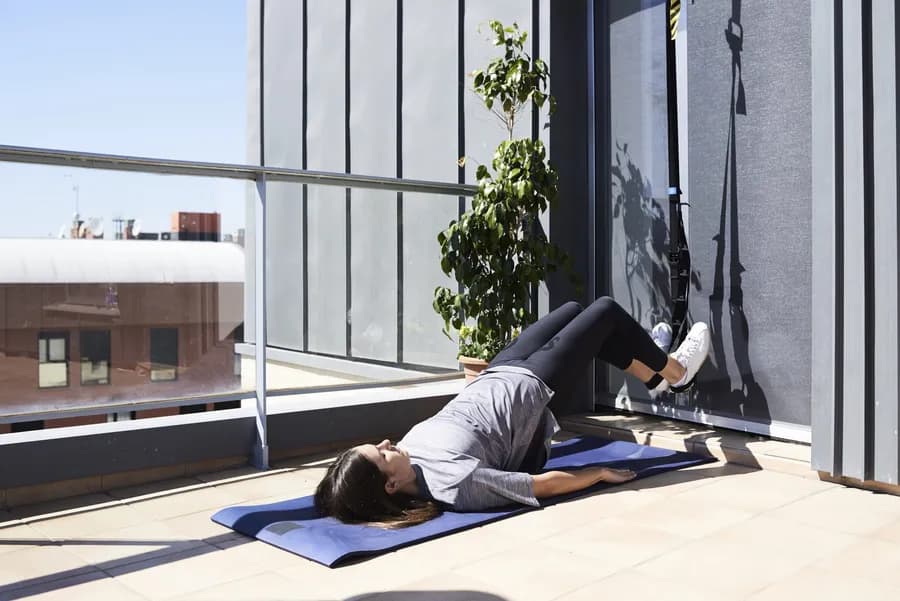
Wall Pilates Exercises: Full Guide for Strength & Toning
Using a wall for support and feedback builds core strength, improves posture, and tones the body with low-impact, joint-friendly precision. See the full guide.
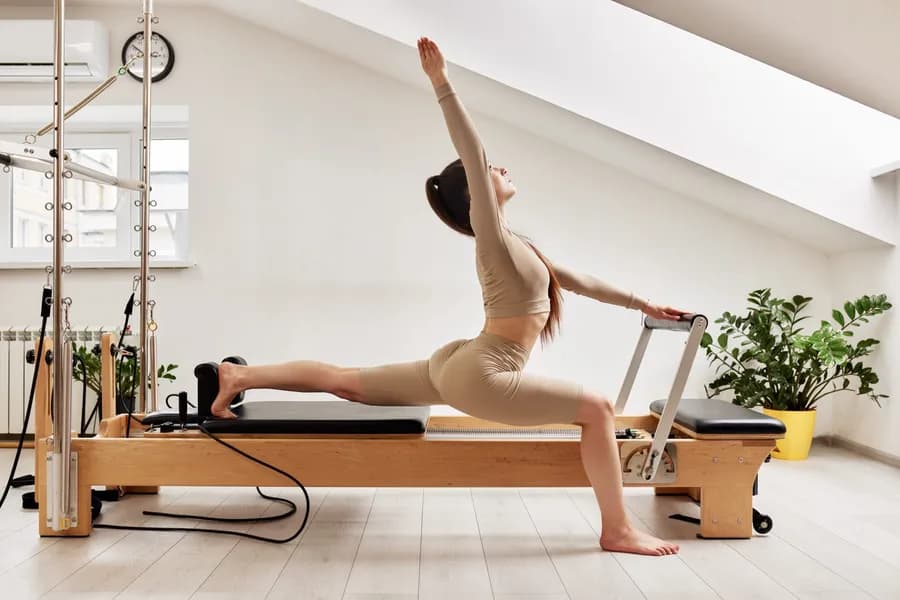
10 Benefits of Pilates: Strength, Posture & More
Pilates builds deep core strength, improves posture, and increases flexibility without strain — functional strength you actually use in daily life. See all 10 proven benefits.
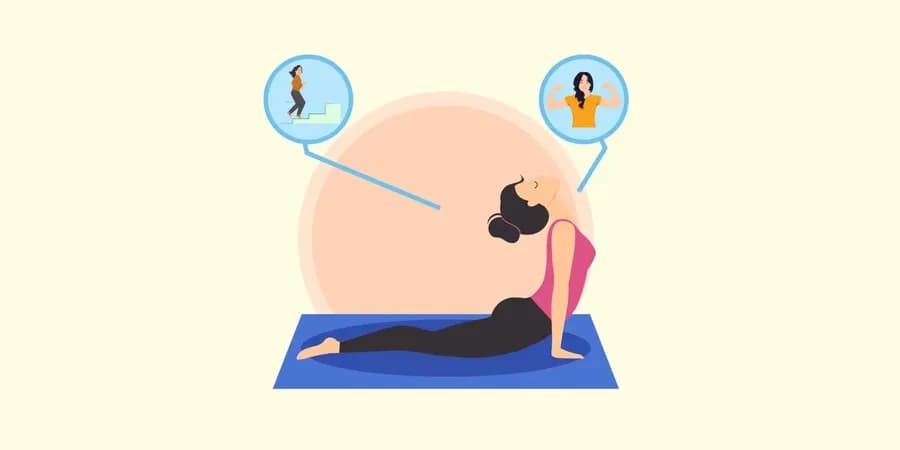
What Is The Best Exercise For Flexibility? Top Picks
A daily 15-minute routine combining downward dog, low lunge, butterfly, and seated forward fold builds lasting range of motion better than long, occasional sessions. See the top picks.
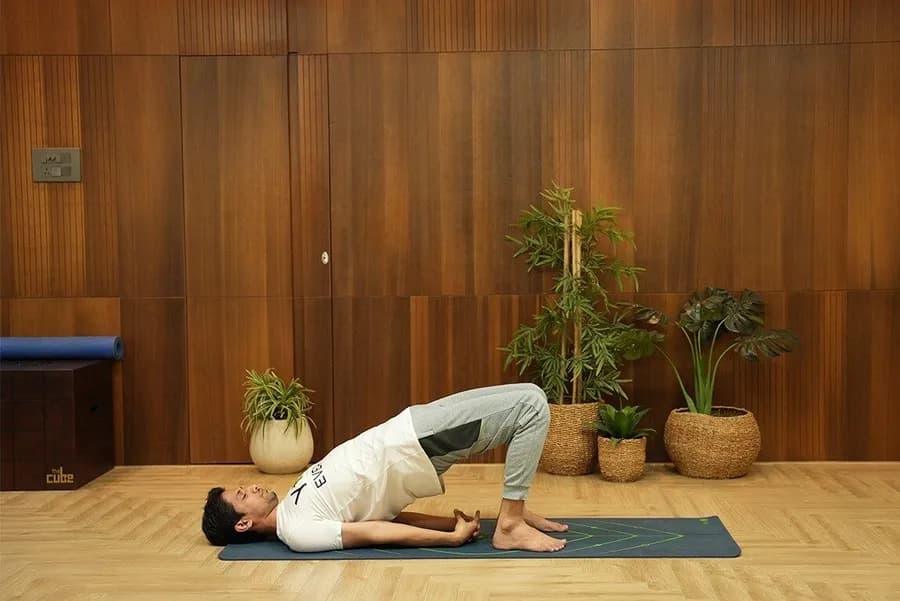
What Is Glute Bridge Exercise: Benefits & How to Do It
Lying on your back, bending your knees, and lifting your hips by squeezing your glutes strengthens the gluteus maximus, hamstrings, and core with no equipment. See the benefits and how to do it.
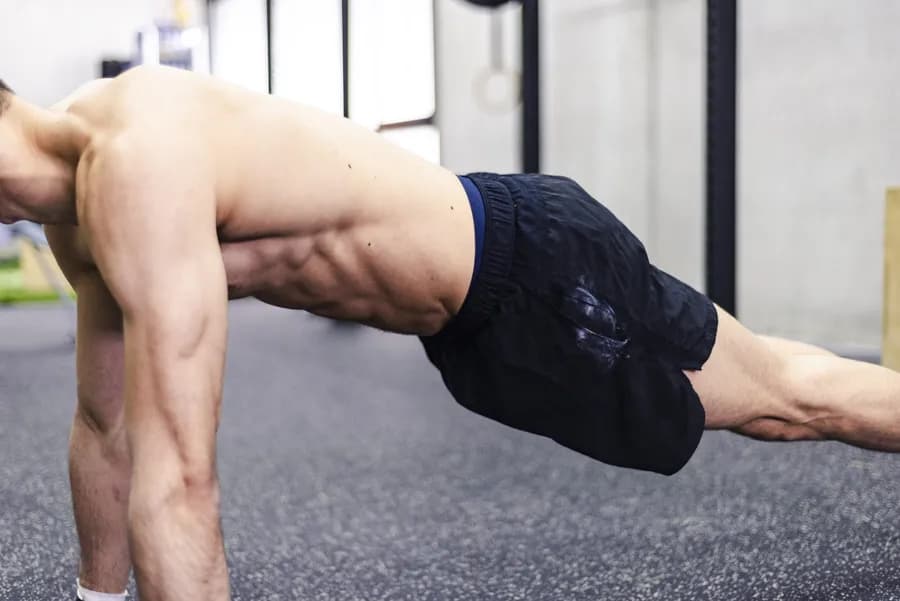
Do Planks Build Abs? the Honest Answer about Plank Effectiveness for Abs Development
Planks build the deep core muscles and isometric strength, but visible abs also require low enough body fat for that muscle to show — which needs full-body fat loss. See what planks actually do.