
How Many Calories Do 10000 Steps Burn?
There is no single calorie number for 10,000 steps. Body size, pace and terrain change the result, so a realistic estimate is a range, not a promise.

Key Takeaways
- For many adults, 10,000 steps may use roughly 250 to 600 calories.
- Body weight, pace, distance and terrain change the estimate.
- Tracker calorie numbers are better for trends than food calculations.
- You can improve health without reaching 10,000 steps every day.
Fitness trackers make 10,000 steps look like a precise achievement, so it is tempting to expect one precise calorie number too. There isn’t one. A smaller person strolling on level ground and a larger person walking quickly uphill can take the same number of steps and use very different amounts of energy. A realistic estimate is a range, not a promise.
Why the number changes
Ten thousand steps is not one distance
Stride length differs with height, pace and walking style. For many adults, 10,000 steps may cover roughly 6 to 8 kilometres, but the distance can be shorter or longer. Distance is one reason two people with the same step count may not have done the same amount of work.
Body size and pace matter
Moving a larger body generally takes more energy. Walking faster, climbing hills, carrying a load or using stairs also raises effort. Fitness changes efficiency too. This is why a broad estimate of about 250 to 600 calories is more honest than claiming that every person burns 400.
Trackers calculate rather than measure
A watch usually combines steps, heart rate and the personal details you entered. Wrist movement, poor sensor contact and an outdated weight can affect the result. Use the same device to compare your own weeks; do not treat its calorie figure as laboratory data or permission to eat an exact amount back.
The calorie total is not the main prize
Walking supports heart health, blood pressure, blood sugar, mood, sleep and everyday mobility. Those benefits matter even when the tracker shows a modest calorie number. The CDC also notes that the activity needed for weight management varies from person to person.
Build a target you can keep
Do you need 10000 steps?
No. Ten thousand is a memorable goal, not a medical threshold. If you currently average 3,000 steps, moving towards 4,000 or 5,000 is meaningful progress. Health benefits begin below 10,000, and people with pain, disability or chronic illness may need a different target.
Start from your normal week
Track three to seven ordinary days, then add about 500 to 1,000 steps if that feels comfortable. A ten-minute walk after lunch, getting off one stop earlier or taking two short movement breaks can be easier than forcing one long walk. Habuild’s Walk app can help you follow your own baseline and streak.
Walking is not strength work
Walking is excellent movement, but muscles and bones also benefit from resistance exercise. Add two or more strength sessions a week if appropriate for your health. Habuild’s strength training programme offers guided options you can do from home.
Use pain as information
Normal effort can feel warm or mildly tiring. Chest pain, faintness, severe breathlessness or sudden weakness needs urgent attention. Persistent foot, knee, hip or back pain is a reason to reduce the increase and seek advice. Supportive footwear and varied routes may help, but pain should not be treated as proof of a good workout.
A simple habit to try
Add one ten-minute walk to the part of your day where it fits most naturally. Repeat it for two weeks before raising the target. If you miss a day, continue the next day rather than doubling the distance. Consistency matters more than protecting a perfect number.
Calories are not food credits
A tracker might show 350 calories after a long walk, but that number is uncertain and does not need to be “eaten back” exactly. Exercise can also change appetite. Build meals around hunger, nutrition and your goal rather than matching every device calorie with a snack.
Step count misses some movement
Cycling, swimming, yoga and strength training may add few steps while still benefiting health. Carrying groceries, climbing stairs and household work can also be harder than their step total suggests. A low-step day is not necessarily an inactive day, and a high-step day is not automatically a complete exercise plan.
Pace can be used without racing
Try the talk test: at moderate intensity you can speak in sentences but not sing comfortably. A few brisk intervals can raise effort without making the whole walk punishing. If you take medicines that affect heart rate, the talk test may be more useful than chasing a watch zone.
Weather changes the plan
Heat, humidity and air pollution can make the same route harder. Walk earlier, choose shade or use an indoor corridor when conditions are poor. Carry water for longer outings and avoid pushing through dizziness, headache or nausea. On bad-air days, indoor movement may be the safer choice.
Weight change is rarely linear
Walking can support a calorie deficit, but the scale also reflects water, digestion, hormones and medicine. Judge the habit by stamina, mood, blood pressure and consistency as well as weight. If progress stalls, do not double steps suddenly; review food and activity with a qualified professional.
Editorial sources
Frequently Asked Questions
Related Articles

Walking Exercise: a Complete Guide to Walking Programs, Treadmill Plans, and Daily Workouts
The difference between a casual stroll and a transformative walking routine isn't speed or distance — it's intentional pacing, consistent volume, and progression. See the complete guide to programs and plans.


Benefits of Walking after Dinner: What Post-Meal Walking Does for Your Health
Muscle contractions during walking consume blood glucose directly, bypassing insulin, while the movement also improves digestion and supports the.

Incline Walking Benefits: Why Walking Uphill Changes Everything
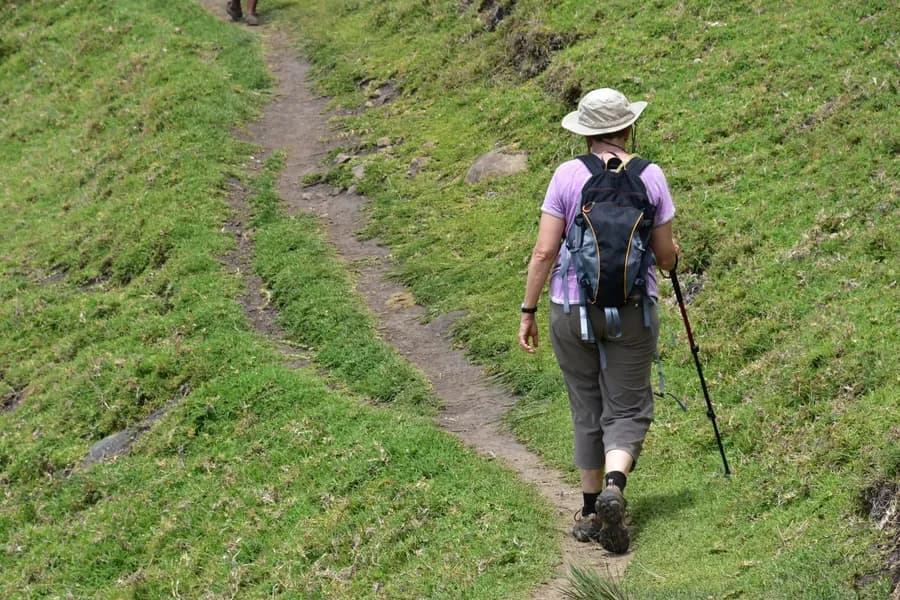
Raising the gradient on a walk — treadmill or hilly path — makes your heart work harder and burns significantly more energy than flat ground. See why.

Walking Ke Fayde: Rozana Paidale Chalkar Sehat Banayein
Rozana 30 minute brisk walking se dil ki sehat, blood sugar control, neend aur maansik tanav — sab par seedha asar padta hai. Top benefits aur sahi.