
Mobility Exercises for Beginners: Full Body Routine to Move Better Every Day
Unlike stretching, mobility training actively trains your joints and muscles to move through their full range — and it pays off quickly. See the full body routine to move better every day.
Key Takeaways
- Unlike stretching, mobility training actively moves joints through their full range.
- A solid mobility base lets you squat deeper and press overhead without shoulder strain.
- Rounded shoulders and anterior pelvic tilt often stem from restricted mobility in specific areas.
- A short evening routine can signal the nervous system to downshift before sleep.
- Genuine progress is often visible within the first two to three weeks.
If you’ve been feeling stiff after long hours at a desk or struggling with basic movements like bending or reaching, mobility exercises for beginners are exactly where you need to start. Unlike stretching, mobility training actively trains your joints and muscles to move through their full range — and it pays off quickly. This guide gives you a practical, beginner-friendly full body mobility routine you can follow at home, no equipment needed.
10 Benefits of Mobility Training for Beginners
- Reduces Daily Stiffness Regular mobility work gradually eases the tightness that builds up from sedentary habits. Over time, you’ll notice everyday movements like getting up from a chair or turning your head feel far less laboured.
- Improves Joint Health Controlled movement through a joint’s full range stimulates synovial fluid production, which keeps cartilage nourished and joints functioning well as you age.
- Builds a Foundation for Strength Training Poor mobility often leads to compensations and poor form during strength work. A solid mobility base means you can squat deeper, hinge safely, and press without shoulder strain — making your strength training far more effective.
- Enhances Posture Many postural problems — rounded shoulders, forward head, anterior pelvic tilt — stem from restricted mobility in specific areas. Targeted mobility drills can gradually support better alignment throughout the day.
- Supports Fat Loss and Metabolism Better mobility means you can train harder and recover faster. When you move well, you burn more during workouts and recover with less soreness — a positive cycle for long-term body composition goals.
- Lowers Injury Risk Stiff, restricted joints are more prone to sprains and strains. Mobility training builds the joint control that helps your body handle unexpected loads and positions.
- Improves Sleep and Recovery A short evening mobility routine signals the nervous system to downshift, which may gradually improve sleep quality when practiced consistently over time.
- Boosts Athletic Performance Whether you run, swim, or play weekend cricket, better range of motion directly improves stride length, throwing mechanics, and rotational power.
- Accessible at Any Fitness Level Mobility work requires no equipment and can be scaled to any ability. It’s one of the few forms of training where beginners see genuine progress within the first two to three weeks.
- Builds Body Awareness Slow, deliberate mobility drills teach you to feel which areas are tight and which are stable — an awareness that carries over into every other form of physical activity.
How to Get Started with Mobility Exercises
What You Need to Begin
You need almost nothing to start: a yoga mat or a soft carpet, comfortable clothing, and about 15–20 minutes. No bands, no weights, no gym membership required. A wall or chair nearby can help with balance in some exercises.
Setting Realistic Goals
Don’t chase extreme flexibility in week one. The goal for a beginner is consistency — showing up daily or five days a week for short sessions. Noticeable improvements in range and comfort typically emerge after two to four weeks of regular practice. Avoid pushing into sharp pain; work at a comfortable challenge.
Start with the Basics
Begin with movements that cover the major joint systems: hips, thoracic spine, shoulders, ankles, and wrists. The exercises in the section below are ordered to flow naturally from one to the next. Do each movement slowly with control — speed is the enemy of good mobility work at this stage.
Best Mobility Exercises for Beginners — Full Body Routine
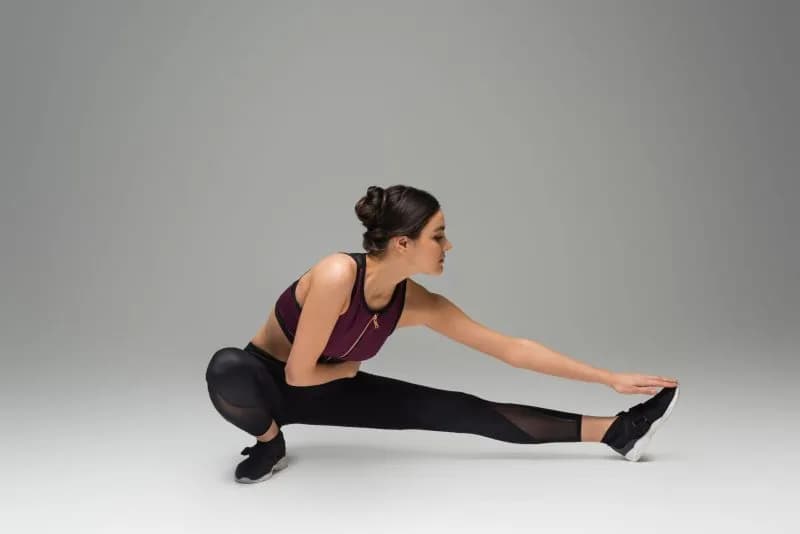
This is your go-to full body mobility routine for beginners. Run through it in order, moving at a slow and steady pace. Do 2–3 rounds of the full sequence.
Cat-Cow (Spinal Mobilisation)
Start on all fours with wrists under shoulders and knees under hips. Inhale as you drop your belly and lift your chest (cow), then exhale as you round your spine toward the ceiling (cat). This warms up the entire spine and is a perfect opener. 10 reps, slow breathing. Explore the benefits of Cat-Cow pose for back health and spinal mobility.
Hip 90/90 Stretch
Sit on the floor with both knees bent at roughly 90 degrees — one in front, one to the side. Sit tall, hold for 5 breaths, then switch sides. This is one of the most effective movements for opening up the hip joint and reducing lower back tension. 3 holds per side.
World’s Greatest Stretch
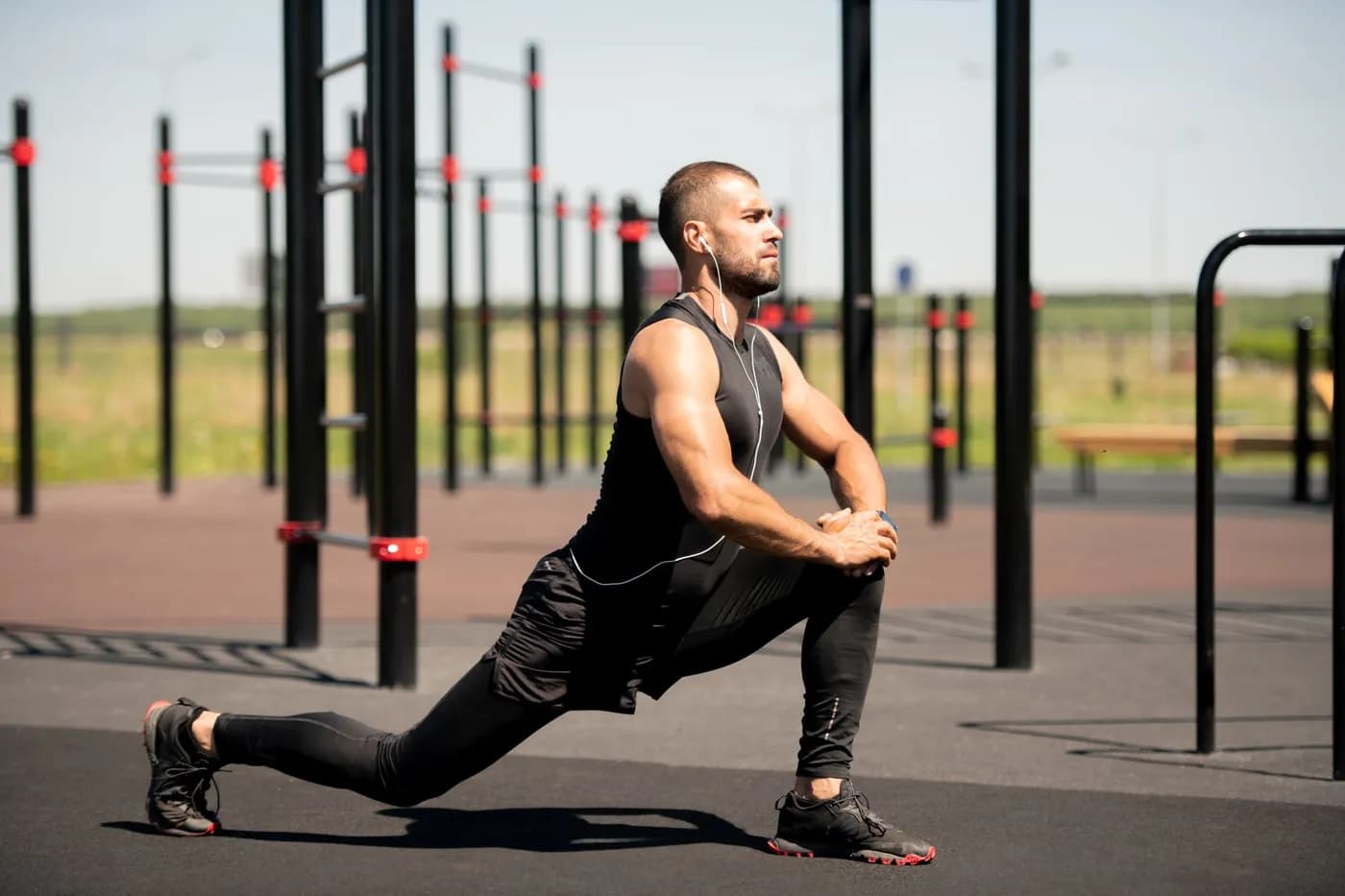
Step into a deep lunge. Place the same-side hand on the floor beside your front foot, then rotate your opposite arm toward the ceiling while looking up. This single movement targets the hip flexors, thoracic spine, and shoulder — making it a cornerstone of any beginner mobility routine. 5 reps per side.
Thoracic Rotation (Thread the Needle)
Begin again on all fours. Slide one arm under your body as far as it will go, letting your shoulder drop toward the floor. Hold for 2–3 breaths, then return. This exercise specifically targets mid-back rotation, which most desk workers severely lack. 6 reps per side.
Ankle Circles and Dorsiflexion Work
Stand facing a wall about 10 cm away. Place one foot close to the wall and try to touch your knee to the wall while keeping your heel flat. This tests and trains ankle dorsiflexion — a joint restriction that limits squatting mechanics more than almost anything else. 10 knee-to-wall reps per side, then 10 ankle circles each direction.
Shoulder CARs (Controlled Articular Rotations)
Stand tall and slowly rotate one arm in the largest circle you can manage — moving with intention and keeping the rest of your body still. This actively maps the shoulder’s usable range and helps identify where restrictions exist. 3 slow circles each direction, per arm.
Deep Squat Hold
With feet shoulder-width apart and toes slightly turned out, lower into a deep squat and hold — using a doorframe or a sturdy support if needed. This integrates hip, ankle, and lower back mobility into one position. Build up from 20-second holds to 60 seconds over several weeks. 2–3 holds.
Common Mistakes to Avoid
- Poor Form Rushing through mobility drills defeats the purpose. If you’re not controlling the movement, you’re not training the joint — you’re just compensating with momentum. Slow each repetition down and feel the range at every point.
- Skipping the Warm-Up Even a brief 3–5 minute gentle walk or some light arm swings before your mobility session helps bring circulation to the joints and makes the work feel significantly more productive. Cold tissue is far less responsive.
- Overtraining or Pushing Too Far There is a difference between a productive stretch sensation and sharp, pinching joint pain. The former is the goal; the latter is a signal to back off. More is not always better — consistent moderate sessions outperform occasional aggressive ones every time.
- Inconsistency A 15-minute session five times a week will produce far better results than a 90-minute session once a week. The nervous system and connective tissue adapt through repeated, frequent exposure — not occasional effort. Treat your mobility routine the way you would treat brushing your teeth.
Who Should Try Mobility Exercises?
- Beginners If you’re new to any form of exercise, mobility training is the safest and most rewarding place to start. It builds body awareness, reduces discomfort, and prepares you for more demanding training down the line — all with zero equipment and very low injury risk.
- Women Women often have naturally higher flexibility but less joint stability. Mobility training — which combines range of motion work with control — addresses both sides of the equation. It complements strength training well, helping women build functional movement rather than passive stretchiness. Explore structured female strength training that pairs well with a daily mobility practice.
- Older Adults Mobility naturally declines with age, but a consistent routine can meaningfully slow that process and support independence in daily activities. Exercises like the 90/90 hip stretch and deep squat hold are particularly valuable for maintaining hip mobility and reducing fall risk.
- Working Professionals Hours at a desk compress the hip flexors, round the thoracic spine, and tighten the shoulders — a combination that leads to chronic discomfort over years. A 15–20 minute morning or lunchtime mobility session can provide noticeable relief and make the rest of your workday feel physically easier.
Note: if you have a diagnosed joint condition or recent surgery, please consult your doctor before starting any new exercise routine.
Build Strength with a Routine That Actually Works
Building better movement isn’t about doing random drills — it’s about consistency, guidance, and following a structured plan. Mobility is the foundation; once you have it, progressive strength training built on top of it produces real, lasting results. With the right support, you can train effectively from home and see genuine progress over time.
What You Get with Habuild’s Strong Everyday Program:
- Daily live guided strength and mobility sessions
- Beginner to advanced progression — no experience needed
- No-equipment and home-friendly workouts
- Expert guidance to ensure correct form from day one
- Community support to help you stay consistent
Start Your Mobility and Strength Journey
Related reads: What Are Mobility Exercises? Complete Guide for Beginners · 10 Best Beginner Mobility Exercises to Build Flexibility and Move Better
Mobility training only reverses stiffness when it’s practiced regularly enough to actually retrain how your joints move, not as a one-off fix after a long week at the desk. A guided program keeps that regularity built in, pairing mobility work with the rest of your training so it never gets skipped. Habuild’s Strong Everyday program takes that structured approach to help you move better, day after day.
Frequently Asked Questions
Related Articles
Flexibility Exercises for Beginners: A Complete Guide
Discover the best flexibility exercises for beginners. Build a daily stretch routine, improve mobility, and feel better — start your 14-day free trial trial today.
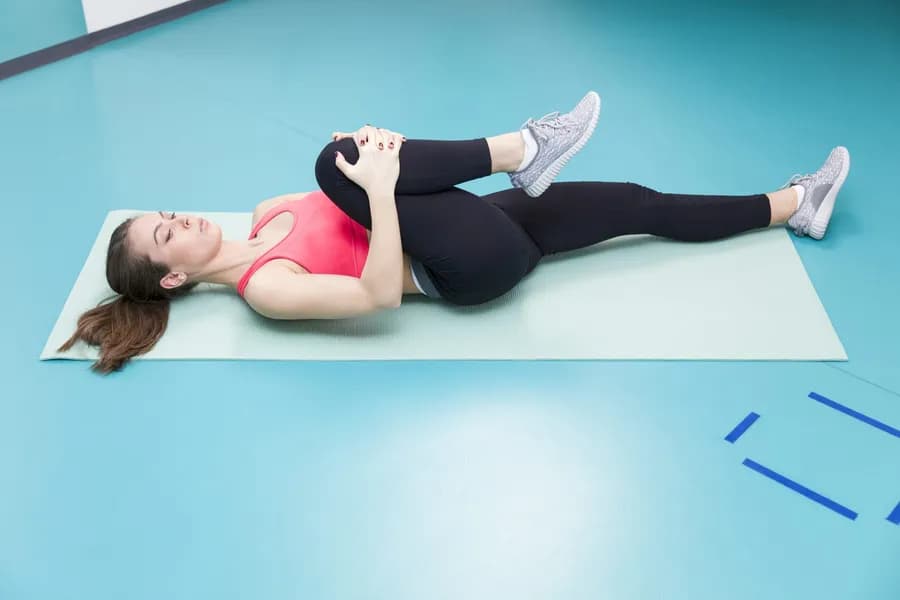
What Are Mobility Exercises? Complete Guide for Beginners
Controlled movements that take your joints through their full range of motion build flexibility, strength, and stability together, unlike static stretching. See the complete guide for beginners.
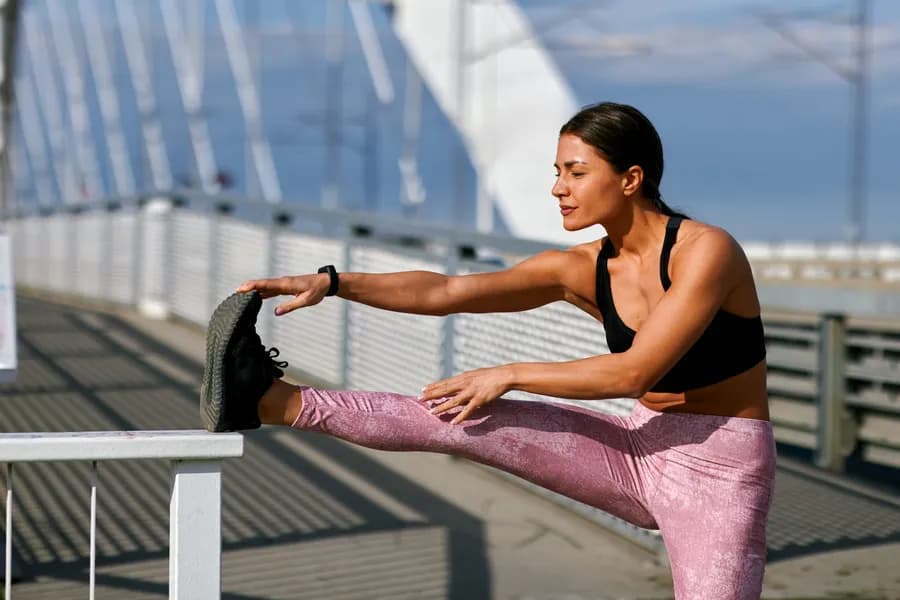
Dynamic Stretching Exercises: Benefits, Poses & How to Get Started
Controlled, flowing movements take muscles and joints through their full range of motion before activity, reducing injury risk. See the poses and how to build them into your warm-up.
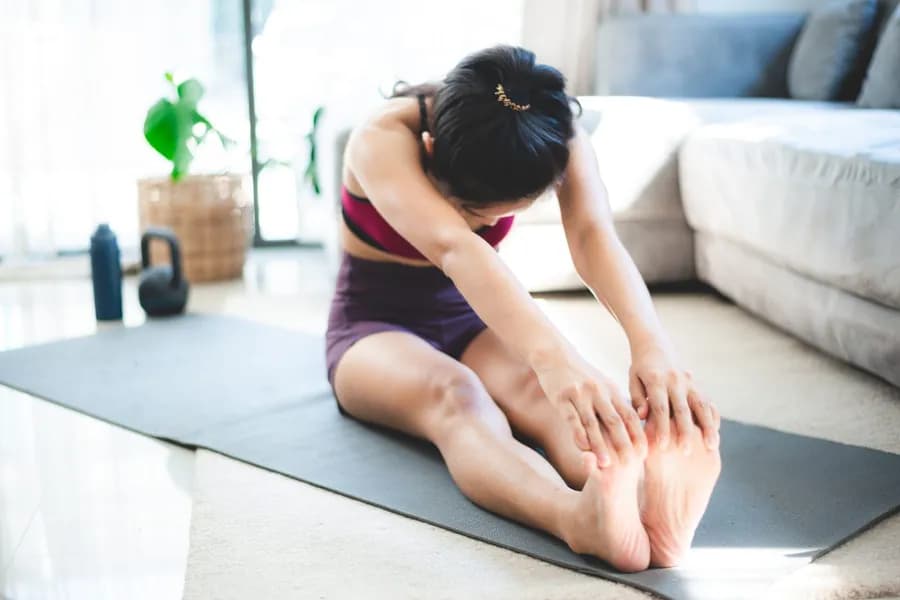
Static Stretching Exercises: Benefits, Best Poses & How to Get Started
Holding a muscle at the end of its comfortable range for 20-60 seconds without bouncing improves flexibility and eases tension — no equipment needed. See the core benefits and best poses.

Morning Stretching Exercises: Build Flexibility and Start Your Day Right
Gentle movements right after waking release overnight muscle tightness and lubricate joints, targeting the spine, hips, hamstrings, and shoulders in 10-20 minutes. See the full routine.
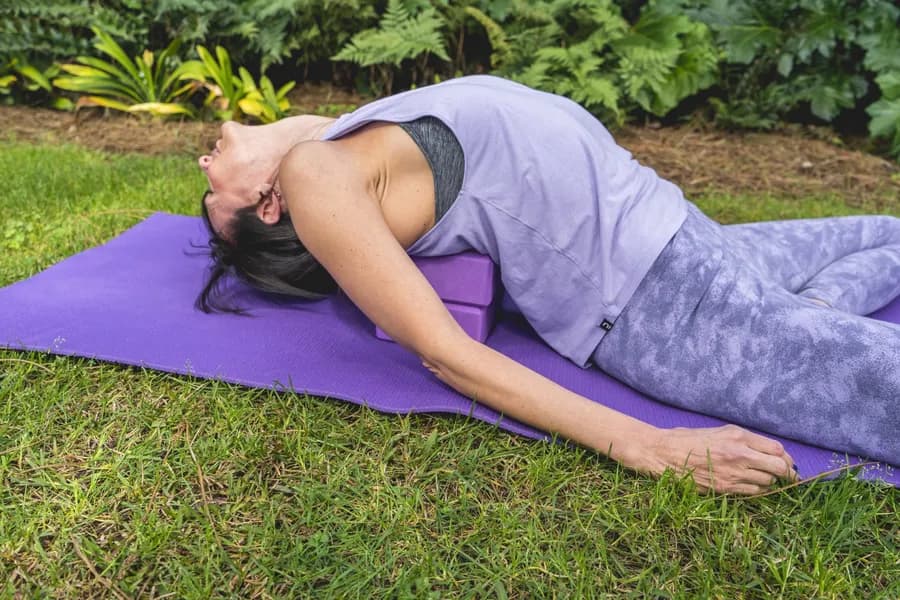
Best Exercises for Posture: A Complete Guide to Standing Taller Every Day
Targeted movement done regularly can gradually ease forward-rounded posture and reduce neck and shoulder tension within weeks. See the 7 most effective moves.