
Push Up Variations: The Complete Guide to Building Strength at Home
Push up variations scale from a wall push up for beginners to plyometric and single-arm versions for advanced training — no gym required. See the complete guide.
Key Takeaways
- Scale from a wall push-up for beginners to plyometric and single-arm variations.
- Every push-up requires the core to stabilize the body in a plank position.
- Wide-grip or pike push-ups target the upper back to counteract desk-related rounding.
- Progressing from knee to standard to archer push-ups provides steady muscle growth.
- Needs nothing but a flat surface and bodyweight to start.
Push up variations are one of the most effective tools in any home workout plan — no equipment needed, no gym membership required. Whether you’re a complete beginner or looking to add more challenge, the right push up variation builds upper body strength, improves core stability, and supports consistent daily training. This guide covers everything you need to get started.
Push up variations scale from a wall push up for absolute beginners to plyometric and single-arm variations for advanced athletes. That range makes them the backbone of virtually every practical beginner home workout routine — and a reliable long-term progression tool for anyone training without a gym.
10 Benefits of Push Up Variations
- Builds Upper Body Strength Push ups engage your chest, shoulders, and triceps simultaneously. Varying hand position or body angle shifts the load across different muscle groups, making them a versatile strength-building tool without any equipment.
- Strengthens the Core Every push up requires your core to stabilize your body in a plank position. Over time, this consistent demand builds a stronger, more stable midsection — supporting posture and daily movement.
- Improves Functional Strength Unlike isolated machine exercises, push ups mimic real-world pushing movements. This functional strength training approach makes everyday tasks easier and reduces the risk of injury.
- Supports Fat Loss Compound bodyweight movements engage multiple muscle groups at once, increasing calorie burn during and after your session. With consistent practice, they gradually support a leaner body composition over time.
- Enhances Posture Push up variations that target the upper back and rear deltoids — such as wide-grip or pike push ups — help counteract the forward rounding that comes from long hours at a desk.
- Builds Lean Muscle Progressive overload through harder push up variations — moving from knee push ups to standard, then archer or single-arm — provides a reliable stimulus for muscle growth over time.
- Improves Bone Density Weight-bearing exercises like push ups place healthy stress on the bones of the arms, wrists, and spine, supporting bone density maintenance — especially important as we age.
- Accessible for All Fitness Levels From a wall push up for absolute beginners to plyometric push ups for advanced athletes, there is a variation for every starting point. No gym, no equipment needed.
- Boosts Cardiovascular Endurance High-rep sets or explosive push up variations elevate your heart rate, adding a mild cardiovascular benefit to your strength session and making them an efficient dual-purpose exercise.
- Supports Mental Discipline The habit of showing up — even for 10 minutes — builds mental consistency that carries over into every other area of life. A daily push up practice is a simple and powerful entry point.
How to Get Started with Push Up Variations
What You Need to Begin
Absolutely nothing — just a flat surface and your bodyweight. A yoga mat adds comfort for your wrists and knees. No dumbbells, no pull-up bar, no gym required. This makes push ups one of the most accessible beginner gym workout alternatives for women and men training at home.
Setting Realistic Goals
Start with a manageable target — even 3 sets of 5 knee push ups is a legitimate starting point. Focus on clean form over high reps. The goal in the first two to three weeks is building the movement pattern, not exhausting yourself. Avoid jumping to harder variations before your form is solid.
Start with the Basics
Begin with wall push ups or incline push ups with hands on a chair or step. Once you can complete 3 sets of 12–15 with control, progress to knee push ups, then to a full standard push up. Each step strengthens the wrist, shoulder, and core stability you need for the harder variations. A structured home routine pairs well with a strength training at home guide to keep your progression on track.
Best Push Up Variations for Every Level

Wall Push Up
Stand facing a wall, place your palms flat at shoulder height, and perform a slow press. The ideal starting point for complete beginners. Builds wrist and shoulder endurance with minimal load. Sets/Reps: 3 × 12–15.
Incline Push Up
Hands on a raised surface — a step, bench, or sturdy chair — feet on the floor. Lowering the incline progressively brings you closer to a standard push up. Excellent for beginners building workout routines at home. Sets/Reps: 3 × 10–12.
Knee Push Up
Lower to your knees instead of balancing on your toes. Keep your hips aligned — do not let your lower back sag. Allows you to build chest and tricep strength before handling your full bodyweight. Sets/Reps: 3 × 10–15.
Standard Push Up
Hands slightly wider than shoulder-width, body in a straight line from head to heels, chest touches the floor. This is the foundation. Master this before moving to advanced variations. Sets/Reps: 3 × 8–12.
Wide-Grip Push Up
Hands wider than shoulder-width. Shifts more of the work onto the outer chest. Great for building chest width. Sets/Reps: 3 × 8–10.
Diamond Push Up
Hands together beneath your chest, thumbs and index fingers forming a diamond shape. Places the majority of load on your triceps and inner chest. Expect it to feel significantly harder than a standard push up. Sets/Reps: 3 × 6–10.
Pike Push Up
From a downward dog position, bend your elbows and lower the crown of your head toward the floor, then press back up. Targets the shoulders directly and serves as a stepping stone toward handstand push ups. Sets/Reps: 3 × 6–10.
For a broader look at structured upper body training, explore Habuild’s upper body workout guide.
Common Mistakes to Avoid
- Poor Form The most common error is allowing the hips to sag or pike upward mid-rep. Your body should form a straight diagonal line from crown to heels throughout the entire movement. Five clean reps beat ten sloppy ones every time.
- Skipping the Warm-Up Cold wrists and tight shoulder joints are the fastest route to an overuse injury. Spend 5 minutes on wrist circles, arm swings, and a few cat-cow stretches before your session. Non-negotiable — especially for beginners.
- Overtraining Doing 200 push ups on day one is a reliable way to end up too sore to train for a week. Muscle repair happens during rest — not during the session itself. Three to four upper body sessions per week with adequate recovery is a sustainable, effective cadence.
- Inconsistency Training hard for five days then skipping two weeks produces almost no lasting adaptation. The compounding benefit of strength training comes from showing up regularly over months. A structured daily program — even 15 minutes — outperforms sporadic hour-long sessions every time.
Who Should Try Push Up Variations?
- Beginners Push up variations are genuinely the best entry point for anyone new to strength training. No learning curve with machines, no risk of dropping weights — just a scalable bodyweight progression. If you’ve been looking for a straightforward beginner home workout routine, this is it. See how it connects to broader strength training for beginners programming.
- Women There is a persistent myth that push ups will make women bulky. They won’t. What they will do is build lean, functional upper body strength, improve shoulder posture, and tone the arms and chest. Starting from knee or incline push ups and progressing gradually is a completely normal and effective training path for women at any fitness level.
- Older Adults Wall and incline push up variations are low-impact, joint-friendly options that support bone density and functional shoulder strength — both of which matter significantly as we age. If you have any existing joint concerns, please consult your doctor before beginning any new exercise program.
- Working Professionals Push ups take 10–15 minutes, require no equipment, and can be done in your living room before work. For anyone with a desk job and limited time, they are one of the most efficient ways to counteract the posture-damaging effects of long sitting hours.
Build Strength with a Routine That Actually Works
Building strength isn’t about doing random workouts — it’s about consistency, guidance, and following a structured plan. With the right support, you can train effectively from home and see real progress over time.
Push up variations are a core part of Habuild’s Strong Everyday program, designed to meet you at your starting point and move you forward — daily.
What You Get with Habuild’s Strong Everyday Program:
- Daily live guided strength sessions — including progressive push up training
- Beginner to advanced exercise progressions
- No-equipment, home-friendly workouts
- Expert guidance to ensure correct form
- A supportive community to keep you consistent
Ready to take the next step? Explore Habuild’s full body workout for strength program to see how push up training fits into a complete home routine.
Start Your Strength Training Journey
Related reads: Strength Training for Beginners at Home: The Complete Guide · Muscle Building Exercises at Home: Complete Guide
Cycling through push up variations keeps your upper body challenged, but the strength only compounds if the harder versions show up on a schedule you actually stick to. Progressing from a standard push up to a decline or archer variation takes weeks of deliberate loading, not occasional effort. That’s the structure Habuild’s Strong Everyday program is built around — guided sessions that push your form and your strength forward at a pace that holds.
Frequently Asked Questions
Related Articles
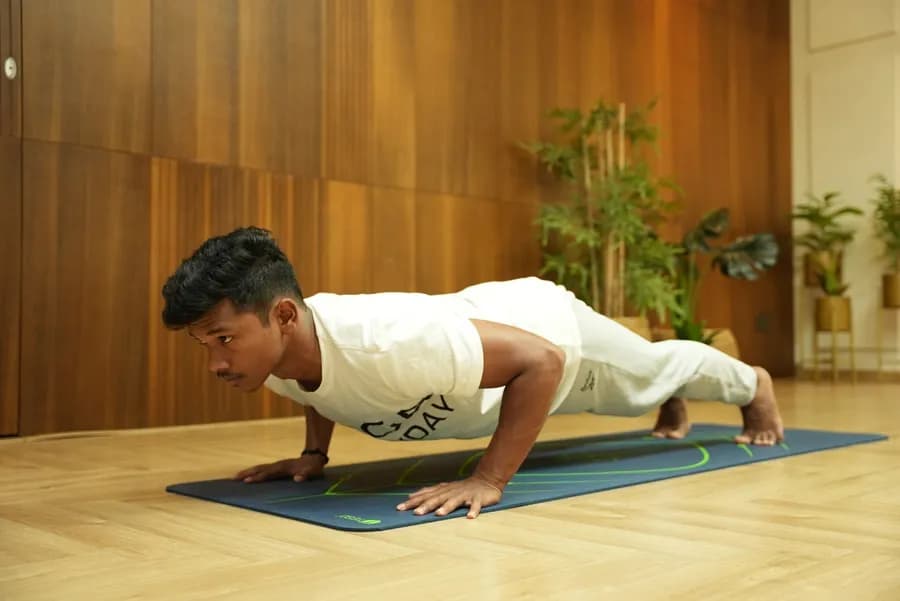
Push Ups Kaise Kare — Sahi Form, Fayde aur 30-Day Beginner Plan
Push ups mein chest, shoulders, triceps aur core ek saath kaam karte hain — sahi form ke saath daily practice se upper body strength mein noticeable improvement hoti hai. Poora 30-day plan dekhein.

Bodyweight Exercises for Beginners: The Complete Guide to Getting Started
Bodyweight exercises use only your own body mass as the load — no gym, no dumbbells, no machines. See the complete guide to building functional strength and endurance.

Strength Training Chest Workout: Build Real Strength at Home
A structured chest workout progressively loads the pectoral muscles, shoulders, and triceps to build pushing strength and better posture — achievable at home with little or no equipment. See the full workout.
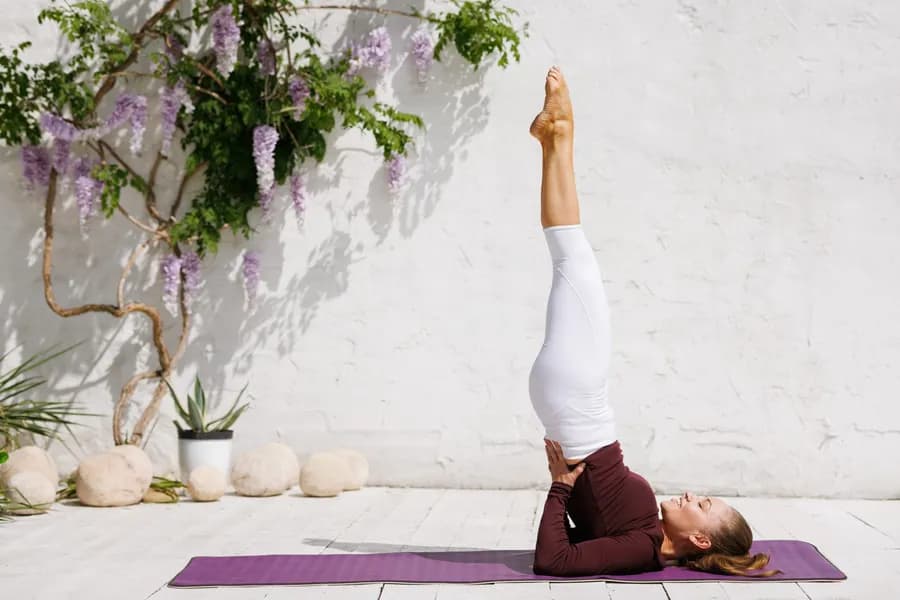
Shoulder Exercises for Mobility: Benefits, Best Moves & How to Start
Controlled movements and stretches restore shoulder range of motion and ease chronic stiffness — 15-20 minutes a day can show improvement within three to four weeks. See the best moves.

Chest Ke Sath Konsi Exercise Kare
पुश-अप्स, वाइड-ग्रिप पुल-अप्स, डायमंड पुश-अप्स और डम्बल फ्लाई — छाती की मांसपेशियों को टारगेट करने वाली एक्सरसाइज़ जो बिना जिम के घर पर की जा सकती हैं। पूरी गाइड देखें।
Exercise at Home for Beginners: Your Complete Guide to Getting Started
A simple routine of squats, push-ups, planks, and lunges, done three to four times a week, is enough to produce measurable progress in the first month. See how to get started.