
Strength Training Diet: Nutrition Guide for Better Results
Discover the best strength training diet to fuel your workouts, build muscle, and improve performance. Start your 14-day free trial trial with Habuild today.
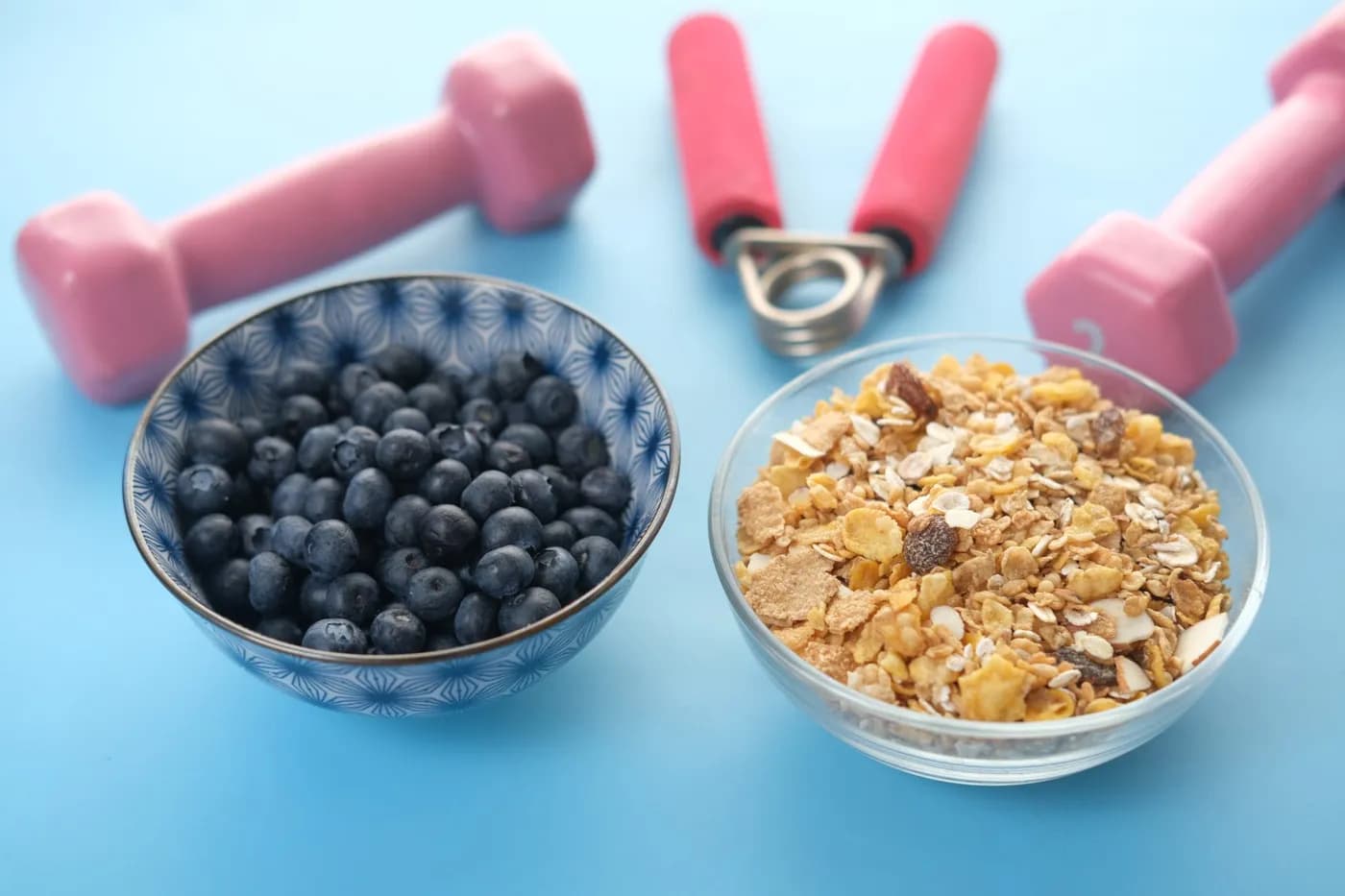
Key Takeaways
- Adequate protein intake signals the body to repair and rebuild muscle fibres after training.
- Healthy fats from nuts, seeds, and avocados support testosterone and other anabolic hormones.
- Calcium and Vitamin D from dairy and leafy greens work alongside training to support bone density.
- Anti-inflammatory foods like turmeric, berries, and fatty fish support smoother recovery.
- A carbohydrate-rich meal before training helps push harder and delay fatigue during heavy sets.
- The basics are simple: whole grains, lean protein, healthy fats, and plenty of vegetables.
A well-planned strength training diet is the foundation that separates consistent progress from frustrating plateaus. You can follow the most structured workout plan available, but without the right nutrition behind it, your muscles simply won't have the raw material to grow, recover, or perform. Whether you're just getting started with resistance training or looking to lift heavier over time, this guide covers everything you need to know about eating for strength — from macros to meal timing to common pitfalls.
7 Key Benefits of Eating Right for Strength Training
- Supports Muscle Protein Synthesis Adequate protein intake signals your body to repair and rebuild muscle fibres broken down during training. Without enough dietary protein, this repair process slows down significantly — and so does your progress.
- Sustains Energy Through Workouts Carbohydrates are your muscles' primary fuel source. A well-timed, carbohydrate-rich meal before training helps you push harder, maintain form longer, and delay fatigue during heavy sets.
- Accelerates Recovery Between Sessions The right combination of protein and carbs after a session replenishes glycogen stores and kickstarts the recovery cycle. This means you feel less sore and are ready to train again sooner. For a broader view of how nutrition fits into your training load, explore diet for strength training.
- Improves Hormonal Balance Healthy fats from nuts, seeds, and avocados support testosterone and other anabolic hormones that play a direct role in muscle development and strength gain.
- Helps Manage Body Composition Eating at the right caloric level — slightly above maintenance when building, or at a moderate deficit when cutting — lets you gain lean muscle without excessive fat gain.
- Strengthens Bone Density Calcium and Vitamin D from dairy, leafy greens, and fortified foods work in parallel with strength training to support bone density and reduce long-term injury risk. See also strength training for bone density for a complete picture.
- Keeps Inflammation in Check Anti-inflammatory foods — turmeric, berries, fatty fish, and olive oil — help your body manage the mild inflammation that comes with regular training, supporting smoother recovery over time.
How to Get Started with Your Strength Training Diet
What You Need to Begin
You don't need expensive supplements or elaborate meal-prep containers. The essentials are simple: whole grains, lean protein sources (eggs, legumes, paneer, chicken, fish), healthy fats, and plenty of vegetables. A basic kitchen setup and a rough idea of your daily caloric needs are enough to get started.
If you train at home without equipment, your nutrition still follows the same rules — your muscles absolutely notice when protein is missing from your meals.
Setting Realistic Goals
Most people fall into one of two traps: under-eating (thinking less food means a leaner body) or over-eating (assuming more calories always equals more muscle). A sustainable approach is to estimate your maintenance calories, then adjust by 200–300 calories in either direction based on your current goal.
Avoid dramatic swings. Consistency in eating patterns matters far more than any single perfect meal.
Start with the Basics
Three fundamentals to build your diet around: hit your daily protein target (roughly 1.6–2.2g per kg of bodyweight), prioritise complex carbs around your training window, and don't skip healthy fats. Track loosely and adjust as you observe how your body responds over 3–4 weeks.
Best Foods for a Strength Training Diet
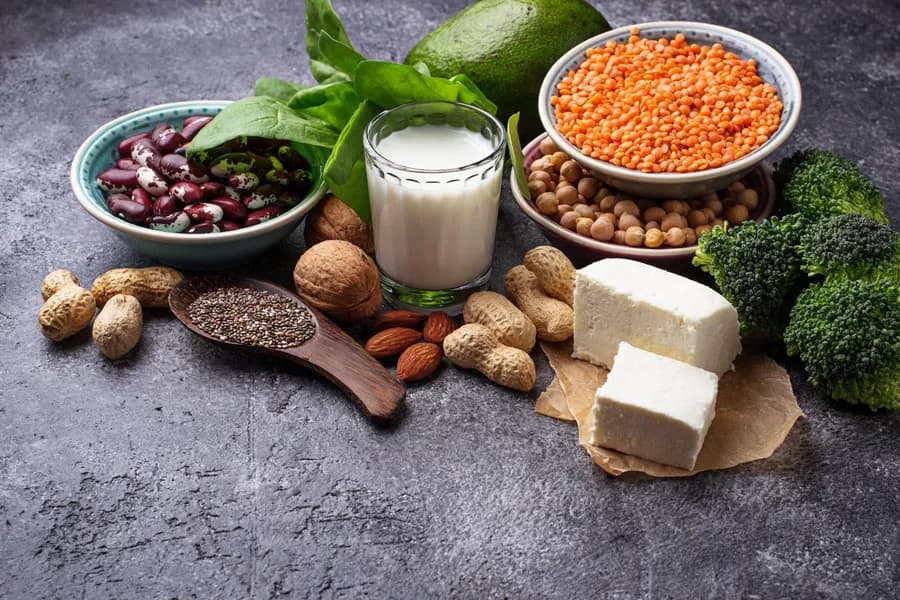
Eggs
One of the most complete protein sources available. Two whole eggs provide around 12–14g of protein along with leucine, the amino acid most directly linked to triggering muscle protein synthesis. Easy to cook, affordable, and versatile.
Paneer and Greek Yogurt
Both are rich in slow-digesting casein protein, making them excellent for evening meals or post-workout recovery. Greek yogurt also contains probiotics that support gut health — an often overlooked factor in nutrient absorption.
Brown Rice and Oats
Complex carbohydrates that release energy steadily, preventing blood sugar spikes during training. A bowl of oats before a morning session or brown rice with your post-workout meal gives muscles the glycogen they need to perform and recover. Aim for 0.5–1 cup cooked per meal depending on training intensity.
Dal, Rajma, and Chickpeas
Plant-based protein powerhouses that also deliver fibre, iron, and complex carbs in a single serving. Combining lentils with a grain source provides all essential amino acids in one meal.
Nuts, Seeds, and Avocado
Healthy fats from these sources support hormone production, help absorb fat-soluble vitamins, and keep you satiated between meals. A small handful of almonds or walnuts makes an effective pre-workout snack when you're short on time.
Lean Chicken or Fish
High biological value protein with minimal saturated fat. Salmon and mackerel also deliver omega-3 fatty acids, which actively support muscle recovery and may gradually ease post-training soreness through consistent practice.
Leafy Greens and Colourful Vegetables
Spinach, broccoli, and bell peppers provide magnesium, potassium, Vitamin C, and antioxidants that directly support muscle contraction, immune function, and recovery. They're also low in calories, so you can eat generously without affecting macro targets.
Common Mistakes to Avoid in Your Strength Training Diet
- Not Eating Enough Protein This is the single most common nutritional gap among people new to strength training. If you're not hitting at least 1.6g of protein per kg of bodyweight daily, you're leaving recovery and muscle-building potential on the table — regardless of how well you train.
- Skipping Pre-Workout Nutrition Training in a fully fasted state occasionally is fine, but regularly skipping food before sessions leads to premature fatigue, poor form, and suboptimal strength output. A light meal 60–90 minutes before training — something with both carbs and protein — makes a measurable difference in session quality.
- Over-Relying on Supplements Protein powders and creatine are useful additions to an already solid food-based diet. They are not replacements for whole meals. If your underlying diet is poor, no supplement will compensate for the missing nutrients your body needs to build and recover.
- Inconsistent Eating Patterns Eating well on weekdays and abandoning structure on weekends creates a recovery deficit that compounds over time. Your muscles don't take weekends off — and neither should your nutrition. A flexible, sustainable approach beats a rigid plan that falls apart every Friday evening.
Who Should Follow a Strength Training Diet?
- Beginners If you're new to lifting or resistance training, nutrition is where you'll see the fastest gains. Beginners respond strongly to even modest improvements in protein intake and meal timing. Start simple, stay consistent, and adjust as your training progresses.
- Women A common concern among women is that eating for strength will lead to bulk. It won't. Building significant muscle mass requires years of progressive overload and specific hormonal conditions. For most women, eating adequately for strength training simply means more energy, better body composition, and improved bone health over time.
- Older Adults After 40, the body's ability to synthesise muscle protein from dietary intake naturally declines. Older adults benefit from slightly higher protein intakes (closer to 2.0–2.2g/kg) spread evenly across meals. Combined with resistance training, this approach supports muscle retention and mobility over the long term. Always consult a doctor or registered dietitian before making significant dietary changes, particularly if you have pre-existing health conditions.
- Working Professionals Time-constrained schedules make consistent eating challenging. Meal prepping twice a week — batch-cooking grains, boiling eggs, portioning nuts and yogurt — solves most of this. A diet that takes 30 minutes of prep on Sunday will sustain three to four days of solid nutrition without daily effort.
Build Strength with a Routine That Actually Works
Building strength isn't about random workouts or crash diets — it's about consistency, guidance, and a structured plan that covers both training and nutrition. With the right support, you can make real, sustainable progress from home.
What You Get with Habuild's Strong Everyday Program:
- Daily live guided strength and yoga sessions
- Beginner to advanced progression with no guesswork
- No-equipment and home-friendly workouts
- Expert guidance to ensure correct form and safe movement
- Community support to help you stay consistent through the tough days
New to structured training? Start with strength training for beginners to understand how to build a foundation. Ready to get practical? How to do strength training at home is your next step.
Related reads: Strength Training for Women · Strength Training for Muscle Gain: Complete Guide
Even the best strength training plan falls short if the nutrition behind it is inconsistent — muscles need fuel on a schedule that matches your training, not just on the days you remember to eat well. Pairing a reliable diet approach with an equally reliable workout structure is what actually moves the needle. Strong Everyday program gives you that training consistency to match, so your nutrition efforts have something steady to support.
Frequently Asked Questions
Related Articles

Strength Training Foods: Best Diet for Muscle & Power
Discover the best strength training foods to fuel muscle growth and recovery. Build a diet for weight training that supports real, consistent progress.


Strength Training Routine for Beginners
Start your strength training routine for beginners today. Learn the best exercises, avoid common mistakes, and build real consistency from day one.

Strength Training for Muscle Gain: Complete Guide
Discover the best strength training for muscle gain with exercises, beginner tips, and a home workout plan. Start your 14-day free trial trial with Habuild today.

Does Muscle Gain Increase Weight? What the Scale is Not Telling You
Muscle is roughly 18% denser than fat by volume, so a given weight of muscle takes up less space — the scale can rise, stay flat, or fall while the body visibly transforms. See what the scale isn't telling you.

How to Increase Muscle Mass: a Practical Home Training Guide
Progressive overload, adequate protein, and proper recovery working together are what actually build muscle, whether training with bodyweight or dumbbells. See the practical home training guide.