
Walking in Place: Benefits and How to Do It at Home
No park, no treadmill, no problem. What walking in place does for your body, how it compares with walking outside and a simple 20-minute routine.
Key Takeaways
- Walking in place gets you moving indoors with no equipment and very little space.
- In one study, stepping in place used about 258 kcal an hour, versus 304 for treadmill walking.
- Lifting your knees higher and pumping your arms makes it harder.
- It's useful on rainy, very hot or high-pollution days when walking outside is hard.
- Short bouts through the day add up; you don't need one long session.
What Is Walking in Place?
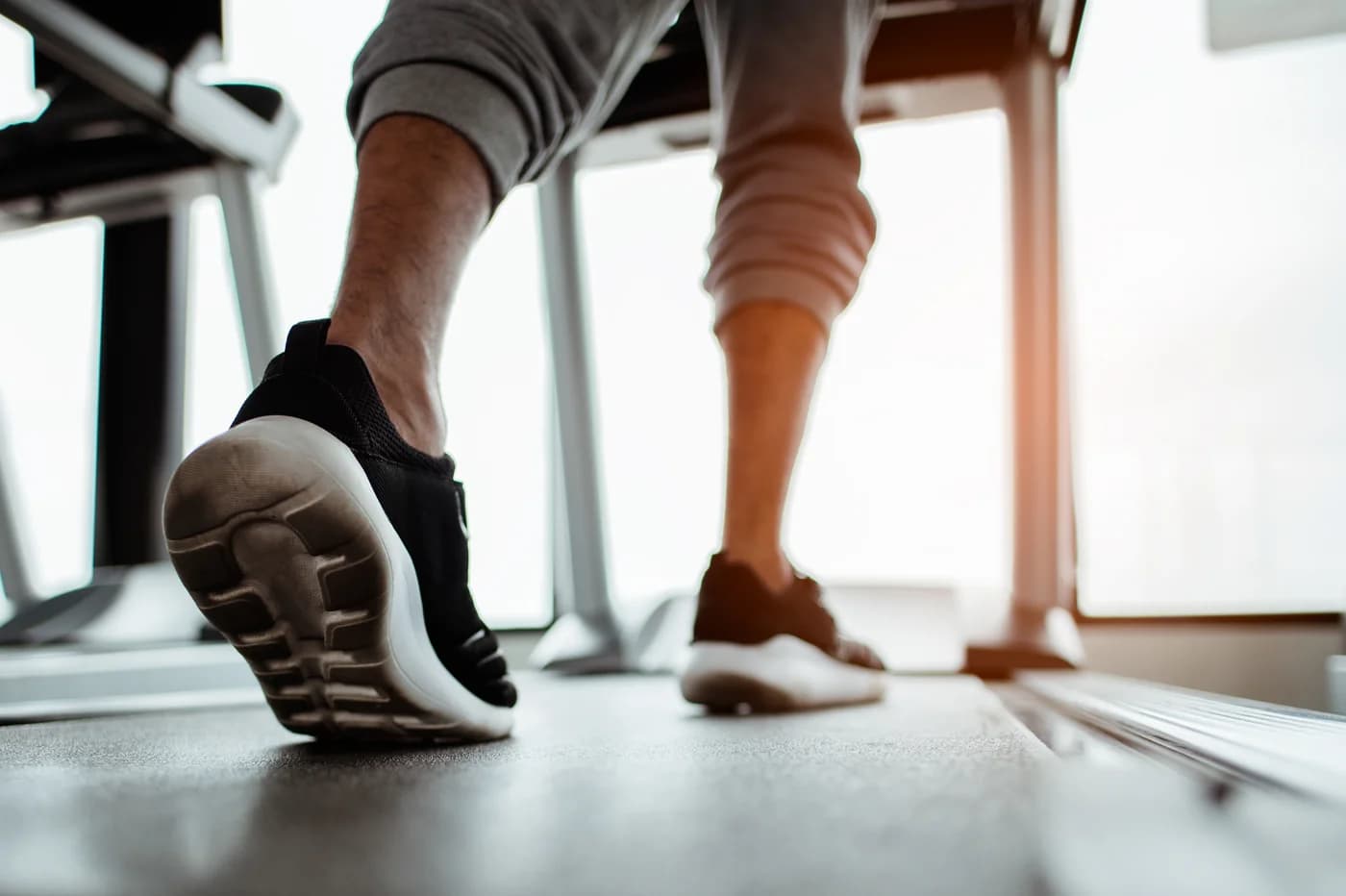
Walking in place, also called marching on the spot or stepping in place, means lifting your feet in a walking rhythm without moving forward. You can do it in your living room, bedroom or office, or even while waiting for the kettle to boil. All you need is a small clear space and a pair of supportive shoes.
It sounds almost too simple to count as exercise. But research shows that walking in place can raise your heart rate and burn a useful amount of energy, especially if you keep a steady rhythm and swing your arms. For many people, it's the easiest way to stay active on days when going outside isn't practical.
Benefits of Walking in Place
You can do it anywhere, in any weather
Indian weather often gets in the way of a daily walk. Heavy monsoon rain, harsh summer afternoons and smoggy winter mornings can all make outdoor walking difficult or unpleasant. Walking in place lets you stay active indoors on those days, so your routine doesn't come to a stop just because of the weather.
No cost, no equipment
You don't need a treadmill, a gym membership or any special gear. That makes walking in place one of the most accessible forms of exercise there is, whatever your budget or the size of your home.
It's low-impact
Both feet stay close to the ground, so walking in place is gentle on the knees and ankles compared with jogging or jumping. Cleveland Clinic notes that it can suit people with some orthopaedic limitations, and it's easy to make gentler still by keeping your steps small.
It breaks up long sitting
If you work at a desk or spend long evenings in front of the TV, a few minutes of walking in place every hour is an easy way to interrupt long periods of sitting. You don't have to change clothes or leave the room, which makes it far more likely that you'll actually do it.
It counts towards your weekly activity
WHO recommends that adults do at least 150 minutes of moderate activity a week. Brisk walking in place, done regularly, can help you reach that target, especially when combined with outdoor walks on the days you can get out.
Walking in Place vs Walking Outside
Researchers at the University of Tennessee compared walking in place with other activities in a 2012 study published in Medicine & Science in Sports & Exercise. They measured how much energy 23 adults used over an hour of each activity:
- Sitting and watching TV: about 81 kcal
- Stepping in place during TV commercials only: about 148 kcal
- Stepping in place continuously: about 258 kcal
- Walking on a treadmill at about 4.8 km/h: about 304 kcal
So walking in place burned a little less energy than walking at a normal pace, but far more than sitting still. Simply stepping in place during the commercial breaks in an hour of TV added about 2,100 steps, which shows how much small bouts can add up.
Walking outside has its own advantages, including fresh air, daylight, changes in terrain and a change of scene. The best plan for many people is to walk outdoors when they can and walk in place when they can't, rather than skipping activity altogether.
How to Walk in Place With Good Form
Good form makes walking in place more comfortable and more effective. Stand tall with your shoulders relaxed and your eyes looking forward, rather than down at your feet. Lift one knee at a time to a comfortable height and place your foot down softly, landing gently rather than stamping. Swing your arms naturally, bending your elbows to about 90 degrees, and keep a steady rhythm that makes you breathe a little faster but still lets you talk. Breathe normally throughout, without holding your breath.
To make it harder, lift your knees higher, speed up the rhythm, pump your arms more strongly or add side steps and step-backs between sets. To make it easier, keep your knees low and the pace slow, hold the back of a sturdy chair or a wall for balance, and do short bouts of 2 to 3 minutes with rests in between.
A Simple 20-Minute Walking-in-Place Routine
This routine builds up gradually and then eases off, so it suits most beginners:
- 3 minutes: easy marching, small steps, gentle arm swings
- 5 minutes: brisk marching with stronger arm swings
- 2 minutes: higher knees at a steady pace
- 3 minutes: brisk marching
- 2 minutes: side steps, left and right, with arm swings
- 3 minutes: brisk marching
- 2 minutes: slow, easy marching to cool down
Do this on most days, or split it into two 10-minute bouts if that's easier to fit around work and family.
Easy Ways to Fit It Into Your Day
The beauty of walking in place is that it slots into moments you'd otherwise spend sitting or standing still. You could march through every TV ad break, walk in place while you're on a phone call, do a few minutes of gentle marching after lunch or dinner, or take a 3-minute marching break for every hour you sit at your desk. Every short bout adds steps to your day, and those steps all count towards your weekly activity.
Who Should Take Care
Walking in place is gentle, but a few precautions help. If you have balance problems, keep a chair or wall within reach so you can steady yourself. If you have knee, hip or ankle pain, keep your knees low and the pace easy. If you have a heart condition or another health problem, check with your doctor before starting. And if you feel dizzy, unusually breathless or have chest pain at any point, stop and rest.
How Habuild Uses Walking in Place
Walking is part of Habuild's live sessions, done right where you are, so you can warm up without leaving your mat. The Habuild app's Walk Daily habit also helps you build a regular walking habit, indoors or out.
Editorial Sources
- Steeves et al. – Energy cost of stepping in place while watching television commercials (2012)
- Cleveland Clinic – 7 Reasons To Start Walking in Place
- WHO – Be Healthy: Physical activity
Health Disclaimer
This article is for general information only and is not medical advice. Please consult a doctor before starting any new exercise routine, especially if you have a health condition, balance problems or are pregnant.
Frequently Asked Questions
Related Articles

Walking Exercise: a Complete Guide to Walking Programs, Treadmill Plans, and Daily Workouts
The difference between a casual stroll and a transformative walking routine isn't speed or distance — it's intentional pacing, consistent volume, and progression. See the complete guide to programs and plans.
Beginner Home Workout Without Equipment: Everything You Need to Start
No gym membership, no gear, and no experience required — just your body, a little space, and the consistency to show up. See the benefits, best exercises, and common mistakes.

10 Benefits of Walking 30 Minutes a Day for Health, Fitness, and Weight Loss
The trick isn't to walk longer, it's to walk daily, at the right pace, with consistency over months. See all 10 benefits for health, fitness, and weight loss.
Exercise at Home for Beginners: Your Complete Guide to Getting Started
A simple routine of squats, push-ups, planks, and lunges, done three to four times a week, is enough to produce measurable progress in the first month. See how to get started.