
Walking on an Empty Stomach: Good or Bad?
Many people walk first thing in the morning before eating. Here's what research says about fasted walking, fat burning and who should eat first.
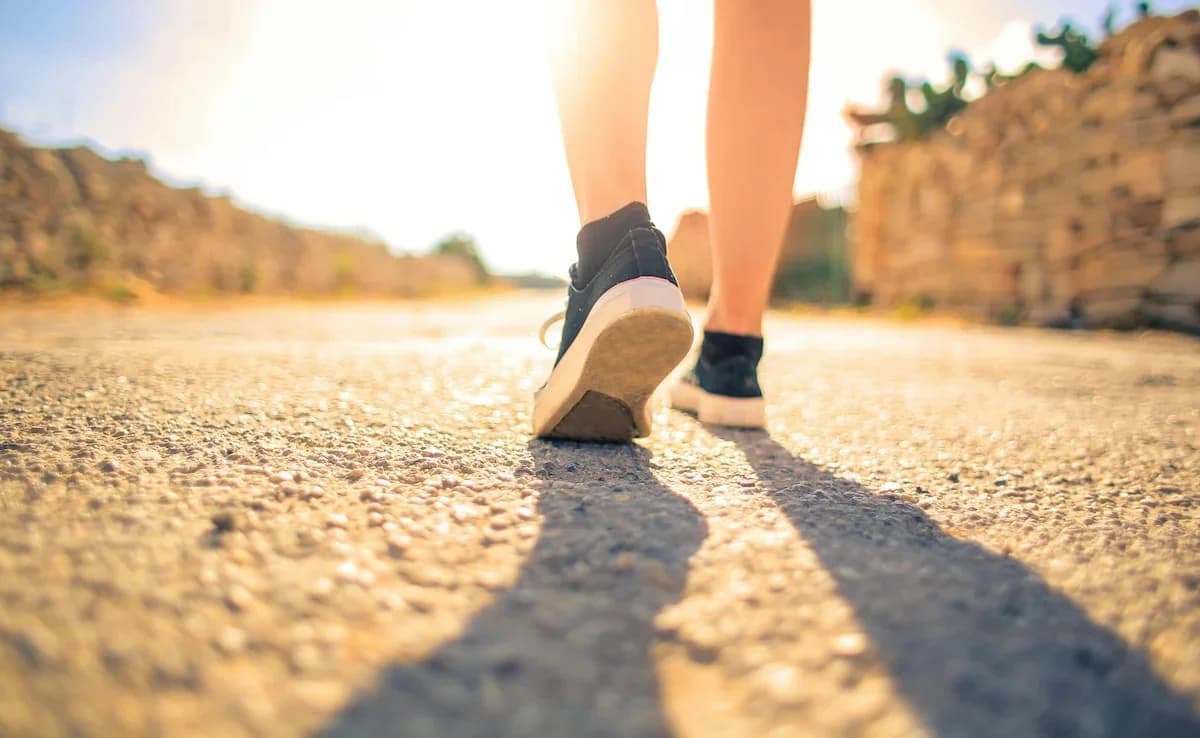
Key Takeaways
- A light-to-brisk walk before breakfast is safe for most healthy adults.
- You burn more fat during a fasted walk, but studies show similar fat loss to walking after food.
- The best time to walk is the time you can keep up every day.
- People with diabetes on insulin or certain tablets should take care, as sugar may drop.
- Drink water first, and stop if you feel dizzy, weak or shaky.
Why People Walk Before Eating
For many people, a morning walk before breakfast is simply the most practical choice. The day hasn't filled up yet, the air is cooler, and there's no risk of a heavy meal making you feel sluggish. Some people also walk on an empty stomach because they've heard it burns more fat.
Both reasons have some truth in them, but the fat-burning claim needs a closer look.
What Happens in Your Body During a Fasted Walk
After a night without food, your insulin levels are low and your body's stored carbohydrate, called glycogen, is lower in the liver. When you walk in this state, your body tends to use a higher share of fat for fuel during the exercise itself. A review of several studies found that people burned more fat during aerobic exercise done after an overnight fast than during the same exercise done after eating.
That sounds like a clear win, but fat burned during one session is only part of the picture. Burning more fat during your walk doesn't automatically mean you lose more body fat over weeks.
Does It Help You Lose More Weight?
When researchers compared fasted and fed exercise over time, the results were similar. In one study, young women did the same cardio sessions for four weeks, one group before breakfast and the other after a meal, while both followed a calorie-controlled diet. Both groups lost weight and fat, with no meaningful difference between them.
So walking on an empty stomach isn't a shortcut to faster fat loss. What matters most is how much you move in total, how consistently you do it and how you eat across the whole day. If walking before breakfast helps you walk more regularly, that is its real advantage.
Possible Benefits of Walking Before Breakfast
It's easier to stay consistent
Morning walks are less likely to be cancelled by work, traffic or evening plans. Consistency is what drives results, so this is a genuine benefit.
Comfort for your stomach
Some people feel heavy, crampy or uncomfortable walking soon after a meal. Walking first and eating afterwards can feel better for them.
Morning sunlight
An early walk outdoors exposes you to daylight, which helps set your body clock. This can support better energy in the day and better sleep at night.
A calm start to the day
A quiet walk before the day gets busy can lower stress and help you feel more focused.
Possible Downsides

Dizziness or weakness
Some people feel light-headed, weak or shaky if they exercise without eating, especially on longer or faster walks. If this happens to you, a light snack before walking is a better choice.
Low blood sugar in people with diabetes
If you have diabetes and take insulin or certain tablets such as sulfonylureas, walking on an empty stomach can sometimes make your blood sugar fall too low. Talk to your doctor about the safest timing and carry a quick source of sugar.
Acidity
People who are prone to acidity may feel discomfort on an empty stomach. A glass of water and a small, light snack can help.
Overeating later
For some, a fasted walk leads to strong hunger and a much bigger breakfast. Plan a balanced breakfast with protein, such as eggs, curd, paneer, sprouts or a besan chilla, to keep hunger steady.
Who Should Eat Before Walking?
Have something light before you walk if you have diabetes and take medicine that can lower blood sugar, if you are pregnant, if you have low blood pressure or a history of fainting, or if you plan a long or very brisk walk. Older adults who feel weak in the morning should also eat a little first. Good options include a banana, a few soaked almonds, a small bowl of poha or a slice of toast, eaten 30 to 60 minutes before you set out.
Tips for a Safe Morning Walk on an Empty Stomach
Drink a glass of water when you wake up, because you lose fluid overnight. Start slowly for the first five minutes to let your body warm up, then pick up the pace. Keep fasted walks to a comfortable length, such as 20 to 45 minutes, and save very long or intense sessions for after you've eaten. Eat a balanced breakfast within an hour or so of finishing. Most importantly, listen to your body and stop if you feel unwell.
Empty Stomach vs After a Meal: A Quick Comparison
If your main goal is blood sugar control, a walk after a meal has an edge, because it helps your muscles use the glucose from the food you've just eaten. If your goal is simply to build a regular habit, a walk before breakfast may be easier to protect from the rest of your day. Many people do both: a longer walk in the morning and a short 10 to 15 minute walk after dinner. There's no rule that says you have to choose only one.
So, Is It Good or Bad?
For most healthy adults, walking on an empty stomach is neither magic nor harmful. It's simply one good option. If you enjoy it and feel fine, keep going. If you feel weak or shaky, eat a little first. Either way, the walk itself is what counts.
Walking With Habuild
Habuild's live sessions run in morning and evening batches and include walking along with exercises, yoga and breathing. The Habuild app's Walk Daily habit helps you track your walks.
Editorial Sources
- Vieira et al. – Effects of aerobic exercise performed in fasted v. fed state on fat and carbohydrate metabolism in adults: a systematic review and meta-analysis, British Journal of Nutrition (2016)
- Schoenfeld et al. – Body composition changes associated with fasted versus non-fasted aerobic exercise, Journal of the International Society of Sports Nutrition (2014)
- Colberg et al. – Physical Activity/Exercise and Diabetes: A Position Statement of the American Diabetes Association, Diabetes Care (2016)
- Mayo Clinic – Eating and exercise: 5 tips to maximize your workouts
Health Disclaimer
This article is for general information only and is not medical advice. If you have diabetes or another health condition, please talk to your doctor about the safest time to exercise.
Frequently Asked Questions
Related Articles
Benefits of Walking after Dinner: What Post-Meal Walking Does for Your Health
Muscle contractions during walking consume blood glucose directly, bypassing insulin, while the movement also improves digestion and supports the.


10 Benefits of Walking 30 Minutes a Day for Health, Fitness, and Weight Loss
The trick isn't to walk longer, it's to walk daily, at the right pace, with consistency over months. See all 10 benefits for health, fitness, and weight loss.


Walking Exercise: a Complete Guide to Walking Programs, Treadmill Plans, and Daily Workouts
The difference between a casual stroll and a transformative walking routine isn't speed or distance — it's intentional pacing, consistent volume, and progression. See the complete guide to programs and plans.
How to Lose Belly Fat — the Best Exercises, Honest Truth, and Daily Routine That Works
Visible belly fat reduction takes 12-16 weeks of systemic fat loss, targeted core work, and addressing the cortisol and sleep drivers that store fat in the midsection — not crunches alone. See the exercises that work.