
What Is the Best Exercise for Belly Fat?
There's no single magic move — planks, bicycle crunches, mountain climbers, squats, and burpees, done 4-5 times a week, are among the most effective. See the full approach.
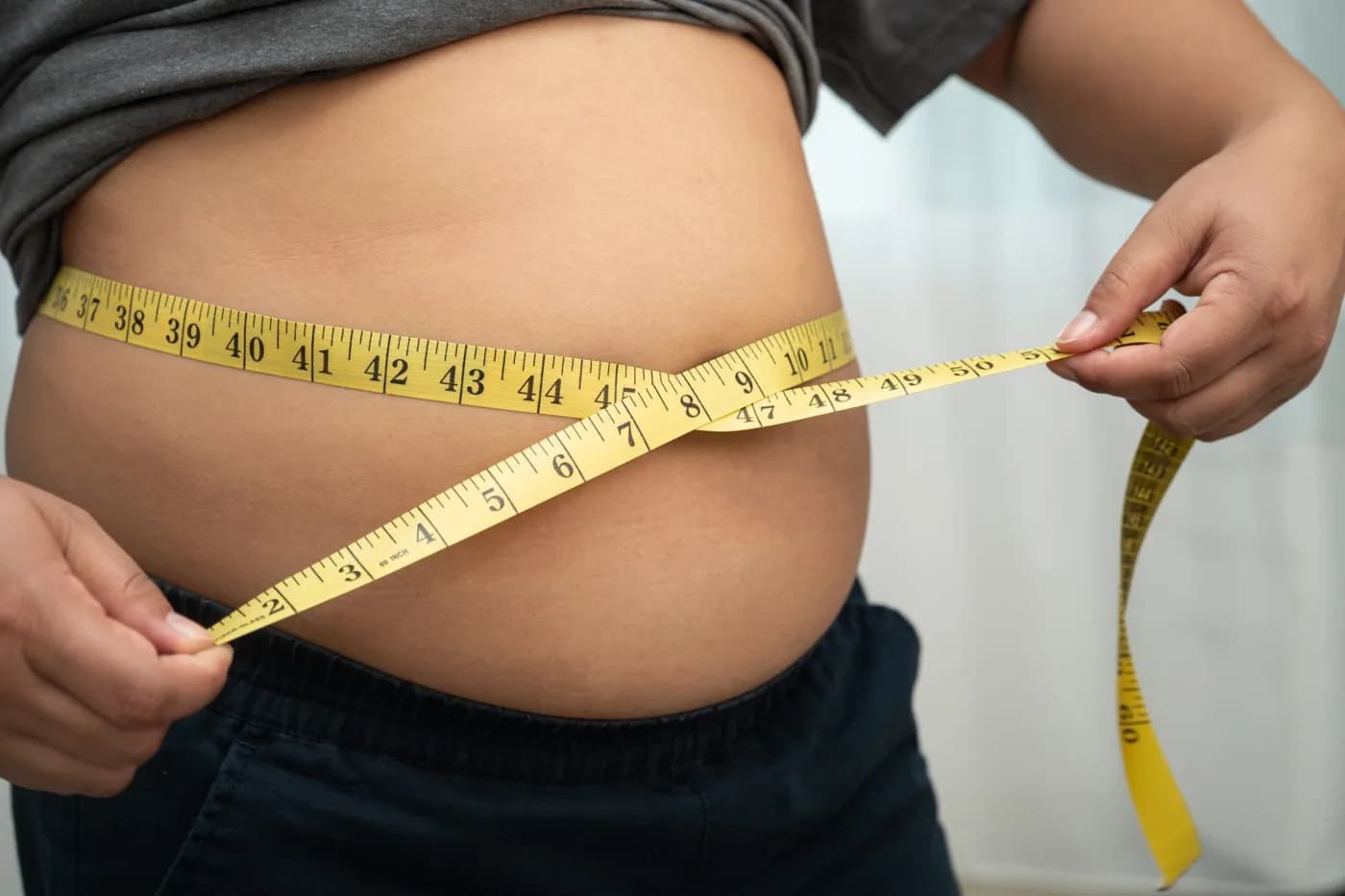
Key Takeaways
- No single magic move works – a combination of planks, crunches, and squats does.
- Visceral fat, stored deep around organs, responds well to regular movement.
- A consistent routine done 4-5 times a week outperforms any single ‘best’ exercise.
- Visible changes typically take 6-12 weeks of consistent effort, not seven days.
- Reduced stress and cortisol from regular exercise also plays into belly fat storage.
There is no single magic move for belly fat — but a consistent combination of planks, bicycle crunches, mountain climbers, squats, and burpees, practiced 4–5 times a week, is among the most effective approaches. Strength-based core training builds lean muscle, raises metabolism, and helps manage visceral fat gradually over time.
If you've been wondering what is the best exercise for belly fat, you're not alone. Millions of people search for this answer every day — and the honest answer isn't a single magic move. It's a combination of strength-based exercises, consistency, and the right structure. This guide breaks down exactly what works, why it works, and how to get started today — no gym required.
8 Benefits of Targeting Belly Fat Through Exercise
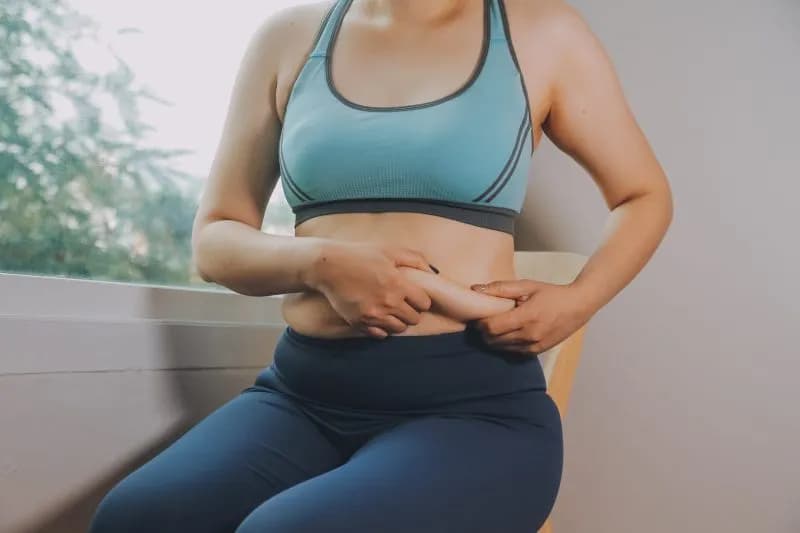
- Reduces Visceral Fat Over Time Visceral fat — the fat stored deep around your organs — responds well to regular movement. Consistent strength and core training may gradually reduce this type of fat when practiced alongside a balanced diet.
- Boosts Metabolism Strength-focused exercises build lean muscle, and muscle burns more calories at rest than fat does. Over weeks of consistent training, your resting metabolic rate improves noticeably. For a deeper look at the mechanism, does strength training burn fat is a detailed resource worth reading.
- Improves Core Stability A strong core isn't just about aesthetics — it supports your spine, improves posture, and reduces the risk of lower-back discomfort during daily activities.
- Supports Better Posture Weak abdominal muscles often lead to a forward pelvic tilt and slouched shoulders. Targeted core work gradually corrects this imbalance.
- Enhances Functional Strength Exercises that target the midsection also strengthen the hips, glutes, and lower back — muscle groups you rely on every day for lifting, bending, and climbing stairs.
- Helps Manage Blood Sugar Levels Regular exercise — particularly strength-based movement — supports better insulin sensitivity, which may help with managing blood sugar over time. Always complement this with medical guidance.
- Improves Mental Wellbeing A consistent workout routine, even 20–30 minutes a day, is strongly associated with reduced stress and improved mood — both of which are linked to lower cortisol levels and less fat accumulation around the belly.
- Builds Long-Term Consistency The greatest benefit of structured belly-fat exercise isn't a single session — it's what happens when you show up every day. Habit is the real differentiator.
How to Get Started with Exercises for Belly Fat
What You Need to Begin
Almost nothing. A yoga mat or soft floor surface, comfortable clothes, and 20–30 minutes are all you need to start. Most effective belly-fat exercises are bodyweight-based and completely home-friendly. No dumbbells, no gym membership, no equipment required to begin.
Setting Realistic Goals
Visible changes in belly composition typically take 6–12 weeks of consistent effort — not 7 days. Set process-based goals (e.g., "exercise 5 days a week") rather than outcome goals (e.g., "lose 5 inches in a month"). This mindset shift is what separates people who stick with it from those who don't.
Avoid the trap of overtraining in week one. Starting with 3–4 sessions a week and building from there is far more sustainable than going all-out and burning out.
Start with the Basics
Before you attempt advanced core moves, master the fundamentals: proper plank form, controlled crunches, and bodyweight squats. These three, done consistently, lay a solid foundation. Focus on slow, controlled movement rather than speed — quality always beats quantity for core work.
Best Exercises for Belly Fat
Plank
The plank is arguably the single most effective core-strengthening exercise. It activates the transverse abdominis — the deep core muscle that acts like a natural corset around your midsection. Hold for 20–45 seconds, rest, and repeat 3 times. Progress by increasing hold time each week. For form guidance and variations, see core strength plank.
Crunches
Classic crunches target the rectus abdominis (the "six-pack" muscle). Lie on your back, knees bent, feet flat. Lift your shoulders off the floor by contracting your abs — not pulling your neck. Aim for 3 sets of 15–20 reps. Keep the movement controlled and deliberate.
Bicycle Crunches
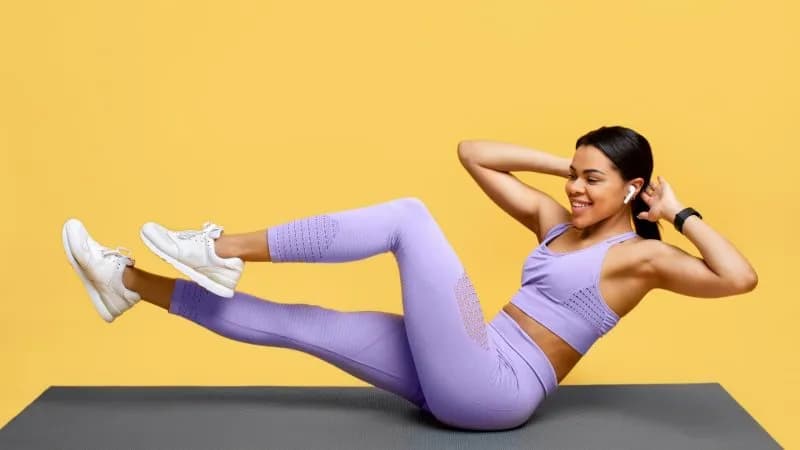
One of the highest-activation ab exercises in research. Lie flat, bring opposite elbow to opposite knee in a pedalling motion. 3 sets of 12–15 reps per side. This hits the obliques and the rectus abdominis simultaneously — making it one of the most time-efficient moves you can do.
Mountain Climbers
A full-body move that raises your heart rate while targeting the core. From a high plank position, drive alternate knees toward your chest quickly. 3 sets of 30 seconds. Mountain climbers combine cardiovascular demand with core engagement — a potent combination for belly fat management.
Leg Raises
Lie flat on your back and raise both legs to 90 degrees, then slowly lower them without letting your lower back arch off the floor. 3 sets of 12 reps. This isolates the lower abdominal area, which many people find hardest to target.
Squats
Don't underestimate squats for belly fat. They recruit large muscle groups — quads, glutes, hamstrings — which drives a significant calorie burn and hormonal response. 3 sets of 15–20 bodyweight squats. A strong lower body also supports better core activation during other exercises.
Burpees
The ultimate compound movement. One burpee involves a squat, a plank, a push-up, and a jump — engaging nearly every muscle in the body. Start with 3 sets of 8–10 reps. Burpees burn calories, build strength, and are highly effective for overall fat loss including around the midsection.
Common Mistakes to Avoid
- Poor Form Rushed reps with sloppy technique don't just reduce effectiveness — they increase injury risk. A neck-pulling crunch stresses the cervical spine, not the abs. Slow down and feel the muscle working. Guided sessions make a real difference here.
- Skipping the Warm-Up Cold muscles are less responsive and more prone to strain. Spend 5 minutes on light movement — cat-cow stretches, hip circles, and arm swings — before any core session. This primes your nervous system and improves the quality of every rep that follows.
- Overtraining The abs are muscles like any other. They need recovery. Training your core 7 days a week without rest doesn't accelerate results — it often leads to fatigue, soreness, and stagnation. 4–5 sessions per week with rest days is more effective than daily grinding.
- Inconsistency The most common reason belly fat doesn't shift isn't the wrong exercise — it's showing up 3 days, stopping for 2 weeks, then restarting. A modest routine done consistently every week will always outperform an aggressive one done sporadically.
Who Should Try Belly Fat Exercises?
- Beginners You don't need any prior fitness experience to start. Bodyweight core exercises are beginner-friendly by design. The learning curve is gentle, the barrier to entry is low, and the habit itself — more than the specific exercises — is what produces results over time.
- Women Hormonal fluctuations, postnatal recovery, and metabolic differences make belly fat particularly stubborn for many women. Strength-based core training supports gradual fat loss and also improves pelvic floor engagement and postural alignment. There's no risk of "bulking up" — the hormonal profile simply doesn't support that outcome without extreme, deliberate effort. Strength training for women offers a tailored starting point.
- Older Adults Core strength becomes increasingly important with age for balance, posture, and fall prevention. Low-impact movements like the plank, seated leg raises, and modified crunches are well-tolerated by most older adults. Always consult your doctor before starting a new exercise programme if you have any pre-existing conditions.
- Working Professionals A desk-bound lifestyle weakens the hip flexors and core, contributing to both posture issues and abdominal fat accumulation. A focused 20-minute core session during a lunch break or before work is enough. Time-efficiency is built into these exercises.
Build Strength with a Routine That Actually Works
Building a stronger, leaner midsection isn't about doing random workouts — it's about consistency, guidance, and following a structured plan every day. With the right support, you can train effectively from home and see real progress over time.
What You Get with Habuild's Strong Everyday Program:
- Daily live guided strength and core sessions
- Beginner to advanced progression — structured week by week
- No-equipment, home-friendly workouts
- Expert guidance to ensure correct form on every move
- Community support that makes showing up feel easy
Related reads: Which Exercise Is Best for Belly Fat? · What Are The Exercises To Reduce Belly Fat: Full Guide
There's no single move that reduces belly fat on its own — planks, squats, and burpees only work when they're repeated consistently across weeks, not attempted in scattered bursts. A structured program can keep that combination varied and progressively challenging instead of letting it go stale. Habuild's Strong Everyday program offers guided strength and core training built around that kind of steady, structured effort.
Frequently Asked Questions
Related Articles

How to Lose Fat While Building Muscle
Body recomposition — losing fat while building muscle at the same time — is achievable with consistent resistance training and adequate protein. See how the two goals work together.
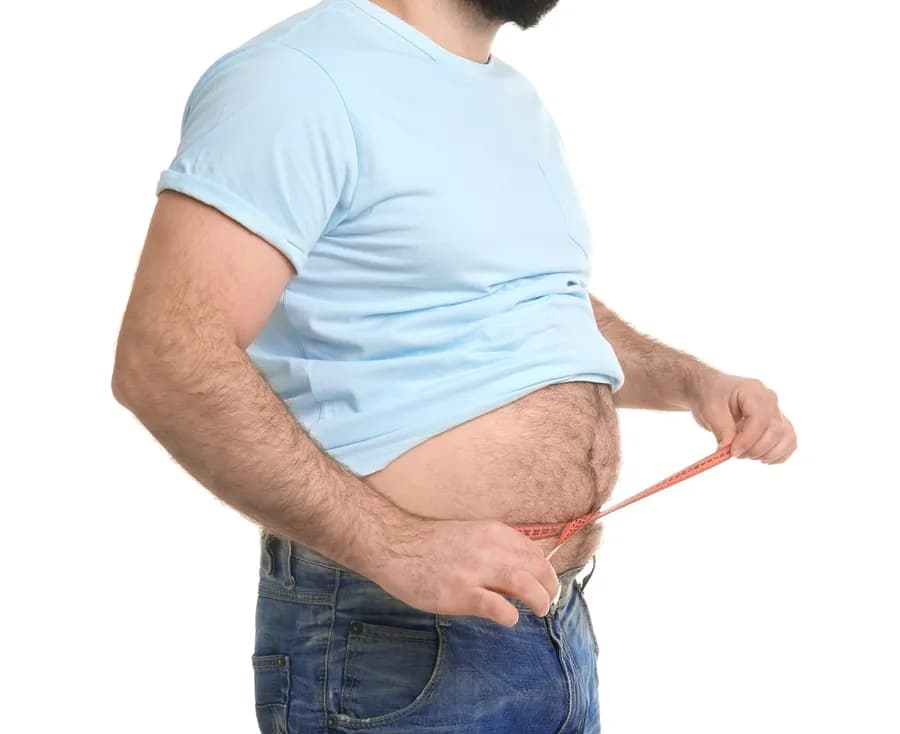
Strength Training for Fat Loss at Home: The Complete Guide
Resistance-based training builds lean muscle that raises your resting metabolic rate and delivers an afterburn effect cardio alone doesn't. See the complete home guide.
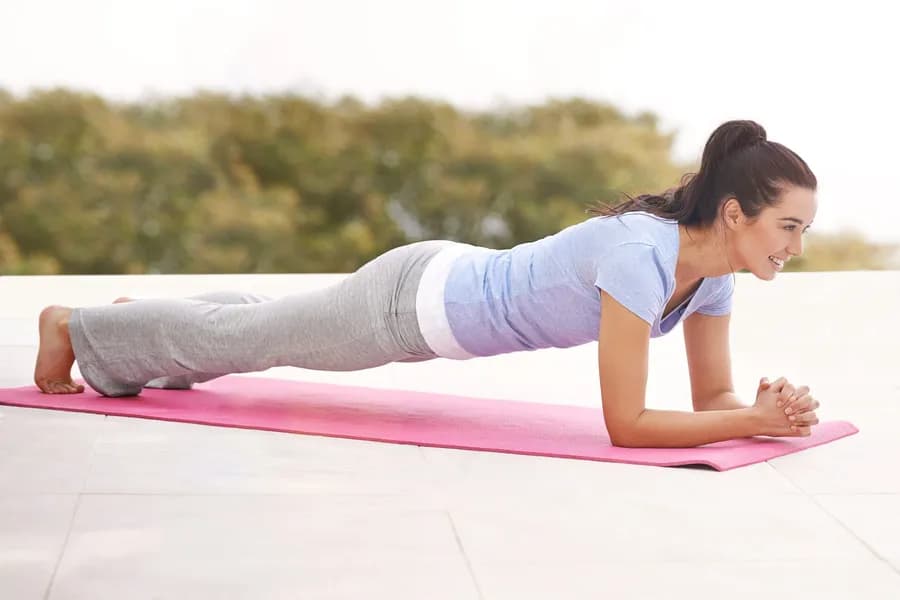
Best Exercises for Core Strength
The plank, dead bug, hollow body hold, glute bridge, bird dog, mountain climbers, and side plank train the deep stabilisers and posterior chain — no equipment needed. See the full list.
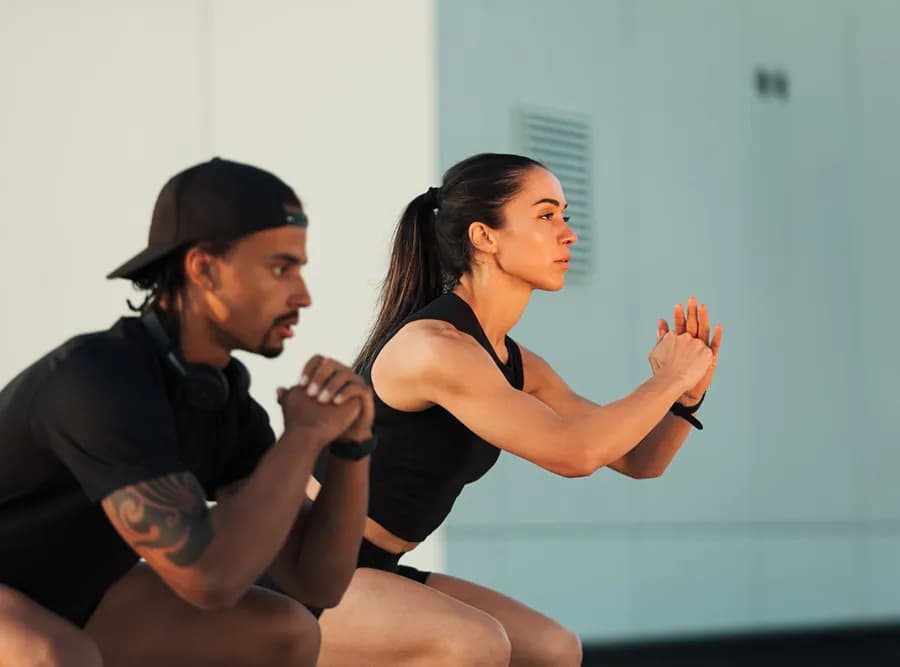
How Many Squats Should I Do a Day?
Beginners benefit from 20-30 bodyweight squats daily, intermediates 50-75, and advanced trainees 100 or more. See how the right number depends on your level and goal.
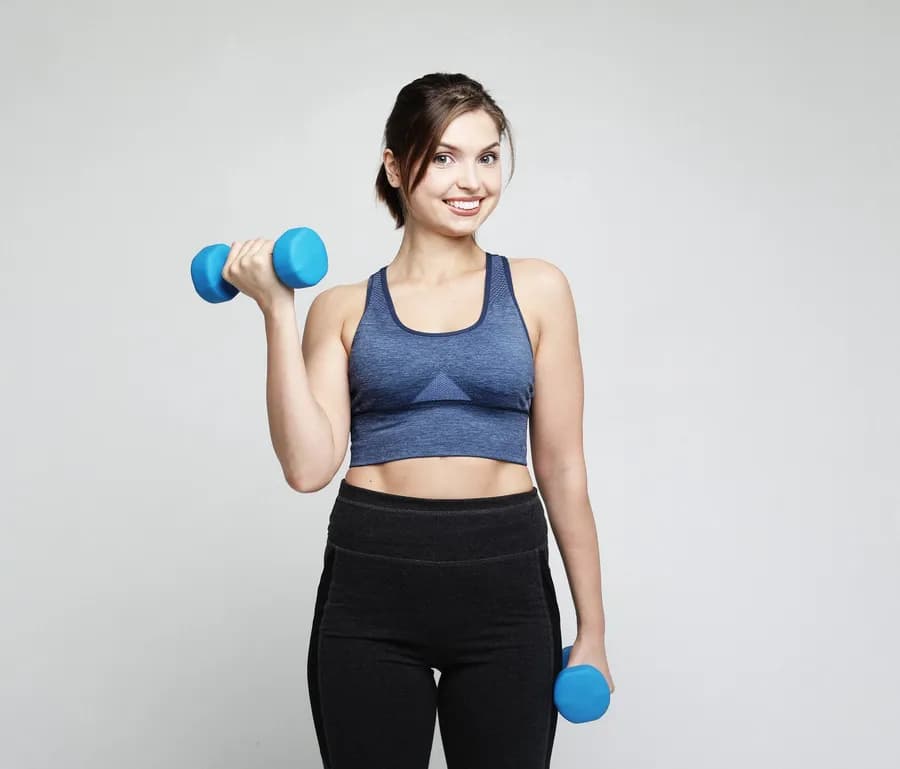
Strength Training for Beginners at Home: The Complete Guide
Bodyweight or light resistance exercises, done consistently at home, progressively build muscle and improve posture — no gym membership or prior experience required. See the complete guide.