
10 Benefits of Kegel Exercises: Why a Strong Pelvic Floor Matters
The pelvic floor is invisible, often forgotten, and arguably the most under-trained muscle group in the body — yet it affects bladder control, sexual.

Key Takeaways
- A Cochrane review names kegel-based training the first-line intervention for stress incontinence.
- Improvement in bladder control is often noticeable within just 4-8 weeks of daily practice.
- The pelvic floor is part of the deep core system, linking it to back pain relief too.
- Benefits include reduced post-urination dribbling and better bladder control after prostate surgery.
- Menopause is named a specific period of natural pelvic floor weakening that practice slows.
- Also strengthens the rectal muscles, supporting bowel control after childbirth or surgery.
Kegel exercises target the pelvic floor — a hammock of muscles that supports the bladder, uterus (in women), prostate (in men), and bowel. They’re invisible, often forgotten, and arguably the most under-trained muscles in the body. Yet they affect bladder control, sexual function, core strength, lower-back health, and recovery from pregnancy and surgery. Per the Cochrane review on pelvic floor muscle training for urinary incontinence, kegel-based pelvic floor training is the first-line, evidence-supported intervention for stress incontinence in women.
This guide covers what kegel exercises are, the benefits of kegel exercises, the benefits of pelvic floor exercises for men and women, and the benefits of a strong pelvic floor across life stages.
10 Benefits of Kegel Exercises
- Better Bladder Control The most well-known benefit. Per the Cochrane review, strong pelvic floor muscles measurably reduce urinary leakage during coughing, sneezing, exercise, or laughter. Improvement is often noticeable within 4–8 weeks of daily practice.
- Stronger Core and Reduced Back Pain The pelvic floor is part of the deep core system. Strengthening it improves overall core stability and often resolves chronic lower-back pain that other approaches missed.
- Better Sexual Function Kegels improve sensation, control, and orgasm intensity for both women and men. The benefit is one of the most commonly reported and least discussed.
- Faster Postpartum Recovery After a doctor’s clearance, kegels rebuild the muscles stretched and weakened during pregnancy and delivery. Critical for postpartum core and bladder recovery.
- Improved Prostate Health (Men) The benefits of kegel exercises for men include reduced post-urination dribbling, improved bladder control after prostate surgery, and supported prostate health.
- Stronger Pelvic Floor for Women The benefits of pelvic floor exercises for women extend through menopause, when natural pelvic floor weakening tends to occur. Daily practice slows that decline significantly.
- Reduced Pelvic Organ Prolapse Risk A strong pelvic floor supports the bladder, uterus, and rectum in their proper positions. Daily kegels reduce the risk of pelvic organ prolapse, particularly post-pregnancy and post-menopause.
- Better Posture and Hip Stability Pelvic floor strength contributes to overall pelvic alignment. Strong pelvic floors mean better hip and lower-back stability.
- Improved Bowel Control Kegels also strengthen the muscles around the rectum, supporting bowel control. Particularly useful after childbirth or surgery.
- Greater Confidence and Quality of Life The downstream effect of all the above: more confidence in physical activity, fewer worries about leakage, and a better quality of daily life. Pair with our pelvic floor strength exercises guide for a structured progression.
How to Get Started with Kegel Exercises
What You Need to Begin
A quiet 5 minutes daily and the ability to identify the pelvic floor muscles (the muscles you’d use to stop urinating mid-flow — though don’t practice by stopping urination repeatedly). No equipment.
Setting Realistic Goals
Don’t aim for marathon kegel sessions. Aim for correct technique — quality over quantity. Three sets of 10 contractions, three times daily, for 4–6 weeks.
Start with the Basics
Lie down for the first 2 weeks (easier to identify the muscles), then progress to seated and standing. Hold each contraction 3–5 seconds, fully relax for 3–5 seconds, repeat. Pair with our yoga for pelvic floor programme for complementary supportive work.
Best Kegel Exercises and Variations
Basic Kegel Hold (Lying Down)
3 sets × 10 reps. Lie on your back, contract pelvic floor for 5 seconds, fully relax for 5 seconds. The starting standard for most beginners.
Quick Flicks
3 sets × 10 reps. Quick 1-second contractions and 1-second relaxations. Builds fast-twitch pelvic floor strength — useful for sneeze-leak prevention.
Long Holds
3 sets × 5 reps of 10-second holds. Builds endurance. For intermediate practitioners after 4–6 weeks of basics.
Seated Kegels
3 sets × 10 reps while sitting at a desk. Easy to integrate into work day.
Standing Kegels
3 sets × 10 reps while standing. Most challenging position, and the one most relevant to real-world bladder control.
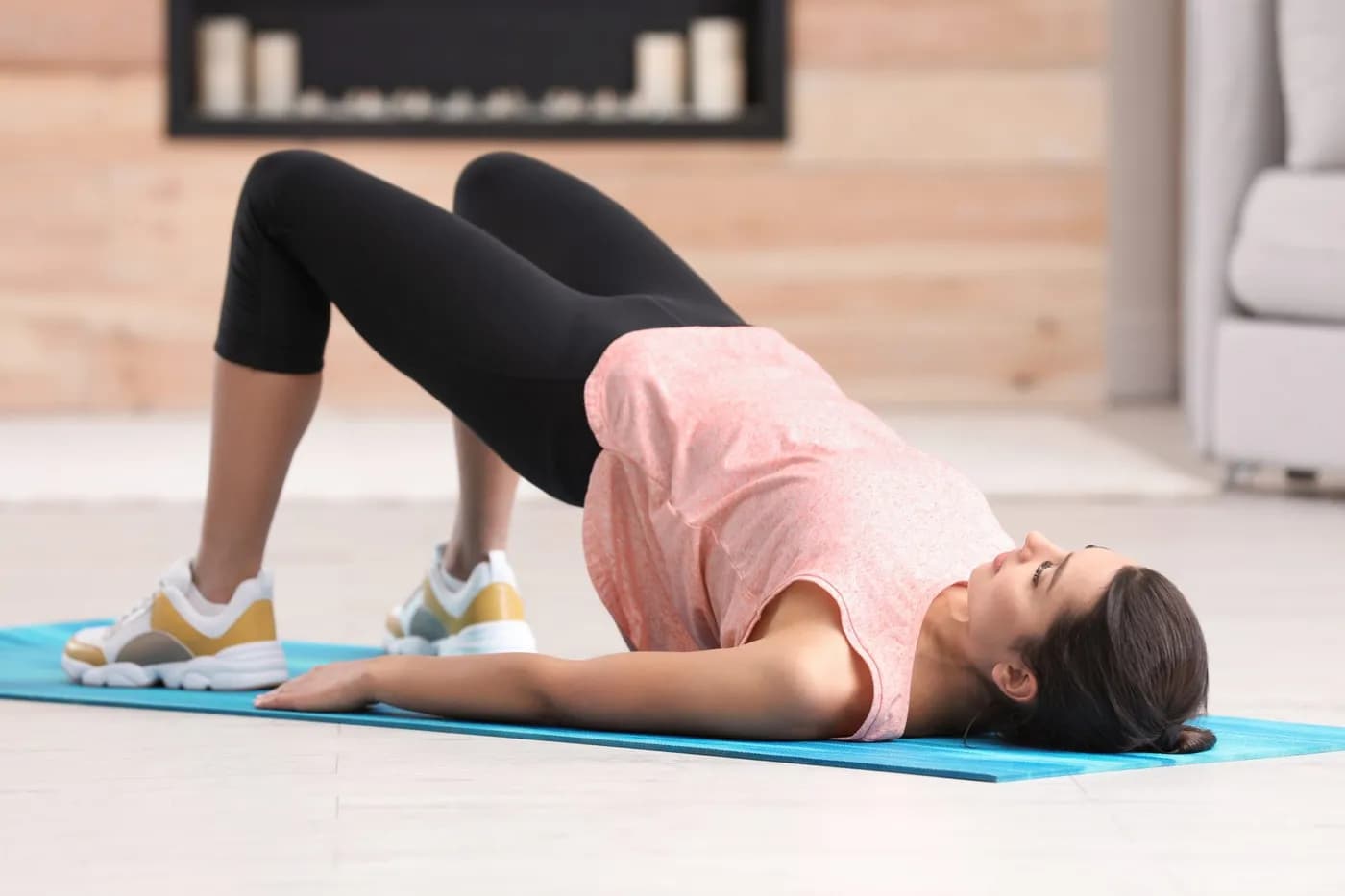
Kegel with Bridge
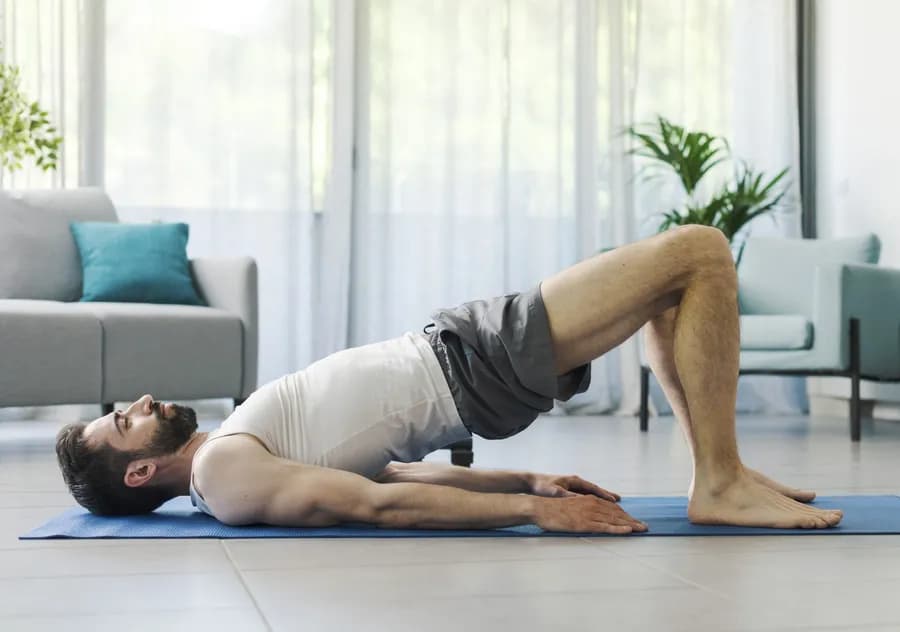
3 sets × 10 reps. Lie on back, lift hips into a bridge, contract pelvic floor at the top, lower. Combines pelvic floor with glute strength.
Kegel with Squat
3 sets × 10 reps. Bodyweight squat with pelvic floor contraction at the bottom. Most functional kegel — directly translates to daily life.
Common Kegel Mistakes to Avoid
Holding the Breath
Breathe naturally throughout. Holding the breath raises pressure inside the abdomen and works against pelvic floor strengthening.
Squeezing Other Muscles
Glutes, thighs, and abs should not be squeezing during a kegel. Isolate the pelvic floor.
Doing Too Many, Too Fast
More isn’t better. Three sets of 10, three times daily, is the standard. Excessive kegels can over-tighten the pelvic floor — the opposite problem (hypertonic pelvic floor).
Skipping Relaxation
Full relaxation between contractions is essential. A pelvic floor that can’t fully relax is as problematic as one that can’t fully contract.
Who Should Do Kegel Exercises?
- Women after Childbirth (With Doctor’s Clearance) The most well-known indication. Kegels rebuild the postpartum pelvic floor and reduce long-term incontinence and prolapse risk.
- Women in Perimenopause and Menopause Pelvic floor weakening is common during this transition. Daily kegels slow that decline.
- Men, Particularly after 40 Often forgotten, but men benefit equally from pelvic floor strength — for bladder control, prostate health, and sexual function.
- Adults with Mild Stress Incontinence The first-line, evidence-supported approach per the Cochrane review. Most people see meaningful improvement in 6–8 weeks of daily practice.
Build a Pelvic-Floor Strengthening Routine with Habuild
Pelvic floor strength is built through consistent daily practice — not aggressive sessions. With expert daily guidance and clear instruction, you can build the routine that produces lasting pelvic floor health.
What you get with Habuild’s daily program:
- Daily live guided yoga and strength sessions including pelvic floor work
- Beginner-friendly progression with no equipment
- Expert instructors trained in pelvic-floor-safe practice
- Community accountability for daily consistency
The bladder control, core support, and recovery benefits described here are the payoff of pelvic floor training sustained over months, not the result of any single week of diligent contractions. Habuild’s Yoga Everyday program can help anchor this kind of targeted work inside a broader daily practice, so it doesn’t fall off the radar once initial motivation fades.
Frequently Asked Questions
Related Articles
10 Benefits of Isometric Exercises for Strength and Daily Fitness
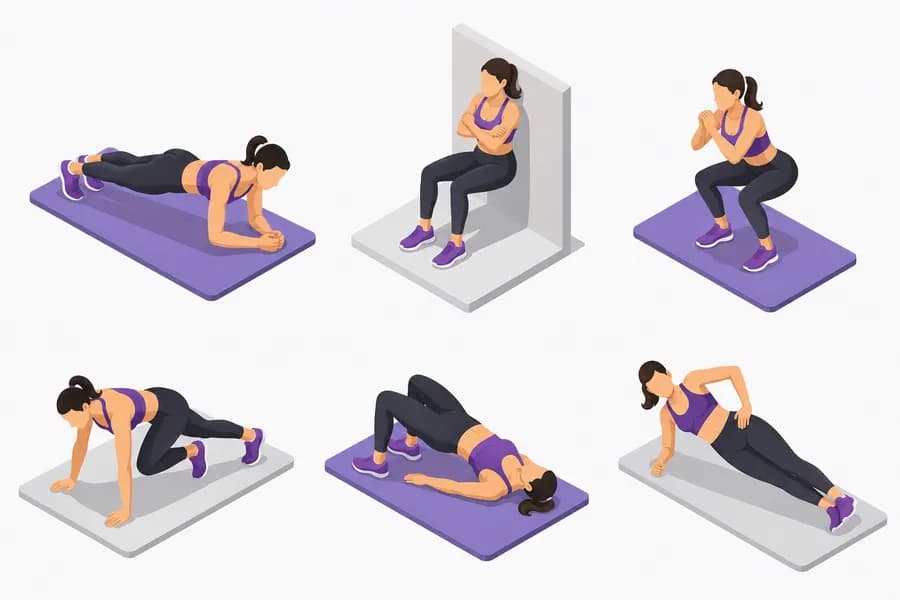
Isometric exercises hold a muscle contraction at a fixed angle, with no joint movement and no equipment, in sessions under 15 minutes. See all 10 benefits.
What Are Kegel Exercises? Benefits, How To & Routine
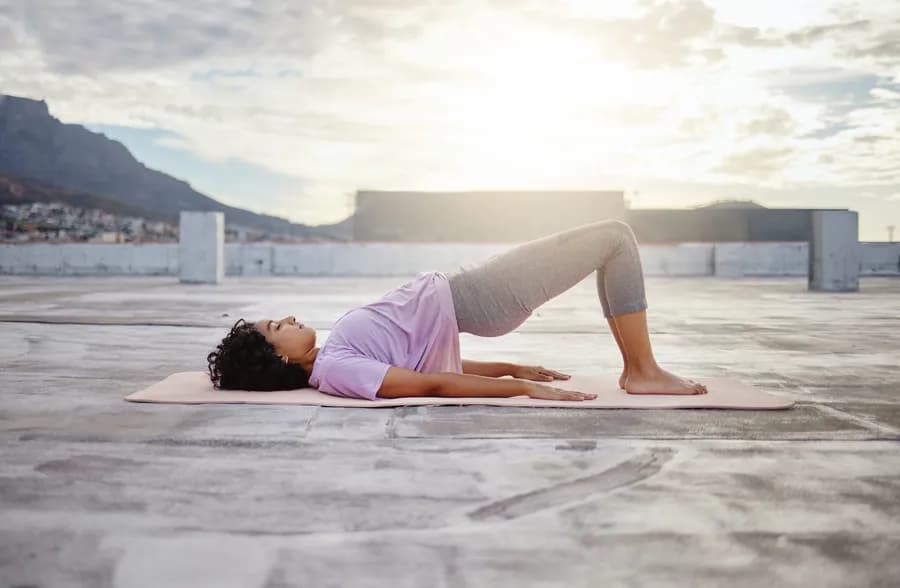
Small, targeted contractions of the pelvic floor muscles support your bladder, bowel, and core with no equipment, no gym, no special setup needed. See the benefits and routine.
Kegel Exercises for Men: Benefits, How-To & Routine
Simple, equipment-free contractions of the pelvic floor muscles support the bladder, bowel, and sexual function when practised for 2-3 short sessions daily. See the benefits, how-to, and routine.