
What Are Kegel Exercises? Benefits, How To & Routine
Small, targeted contractions of the pelvic floor muscles support your bladder, bowel, and core with no equipment, no gym, no special setup needed. See the benefits and routine.
Key Takeaways
- The correct muscles are the ones used to stop urine mid-stream or hold in gas.
- A realistic beginner routine is three short sessions a day with 8-10 contractions each.
- Overworking the pelvic floor can leave it sore or tight, the opposite of the goal.
- Supports both men and women, though the reported benefits differ – firmness versus contraction.
- May help manage prolapse and pelvic pressure symptoms when done under guidance.
- Requires no mat, weights, or app – it can be done sitting, standing, or lying down.
Kegel exercises are small, targeted contractions of the pelvic floor muscles — the muscles that support your bladder, bowel and core. Done for a few minutes daily, they help improve bladder control, core stability, postpartum recovery and sexual health. No equipment, no gym, no special setup needed.
If you have ever wondered what are kegel exercises and why so many doctors and trainers recommend them, the simple answer is this: they are small, targeted contractions of your pelvic floor muscles — the same muscles that support your bladder, bowel and core stability. Done consistently, kegels help you build a stronger, more responsive pelvic floor without any equipment, gym, or special setup. This guide breaks down how they work, who should do them, the right technique, common mistakes, and a simple routine you can start from your living room today.
Top Benefits of Kegel Exercises
Kegels look small, but the muscles they target carry a lot of weight in your daily life — quite literally. Here is what consistent practice can support.
- Stronger Bladder Control A weak pelvic floor often shows up as small leaks while sneezing, laughing, lifting heavy bags or running. Regular kegels strengthen the muscles that close the urethra, which can help you manage bladder urgency and reduce those moments of leakage over time.
- Better Core Stability Your pelvic floor is the floor of your core. When it gets stronger, your deep abdominals and lower back work together more efficiently. This pairs beautifully with broader core muscle exercises, giving you better posture and a more stable midsection.
- Improved Recovery After Childbirth Pregnancy and delivery stretch the pelvic floor significantly. Kegels are one of the gentlest ways to help these muscles regain tone, supporting postpartum recovery alongside guidance from your doctor.
- Support for Sexual Health For both women and men, a stronger pelvic floor is linked to better sensation, control and confidence. Men often notice firmer engagement, while women report stronger contractions and more comfort.
- Help with Prolapse and Pressure Symptoms For people experiencing a feeling of heaviness or pressure in the pelvic area, a structured kegel routine — done under guidance — may help manage symptoms by supporting the surrounding muscles.
How to Get Started with Kegel Exercises
What You Need to Begin
Absolutely nothing. No mat, no weights, no app. You can do kegels sitting at your desk, standing in a queue, or lying in bed. The only requirement is being able to identify the correct muscles — the ones you would use to stop the flow of urine midstream, or to hold in gas. That squeezing-and-lifting sensation is the muscle you are training.
Setting Realistic Goals
Start small. Three short sessions a day, with 8–10 contractions each, is enough for a beginner. Avoid the temptation to do hundreds at once. The pelvic floor fatigues like any other muscle, and overworking it can leave you feeling sore or tight, which is the opposite of what you want.
Start with the Basics
Inhale gently, then on the exhale lift and squeeze the pelvic floor muscles upward and inward. Hold for 3–5 seconds. Release fully for the same count. The release matters as much as the contraction — half the strength gain comes from learning to relax the muscle completely.
Best Kegel Exercises and Variations to Practice
Once you know how to engage the muscle, you can layer in different patterns to build strength, endurance and reactive control.
Short Quick Squeezes
Squeeze and release in a 1-second-on, 1-second-off rhythm. Aim for 10 reps. This trains the fast-twitch fibres that respond to sudden pressure — like a sneeze or cough.
Long Holds
Lift the pelvic floor and hold for 5–10 seconds while breathing normally, then release for an equal count. Do 8–10 reps. This builds endurance in the muscles that support you all day.
Elevator Kegels
Imagine your pelvic floor as an elevator rising through 4 floors. Lift to floor 1, pause. Floor 2, pause. Continue up, then descend slowly floor by floor. This trains control and awareness, not just strength.
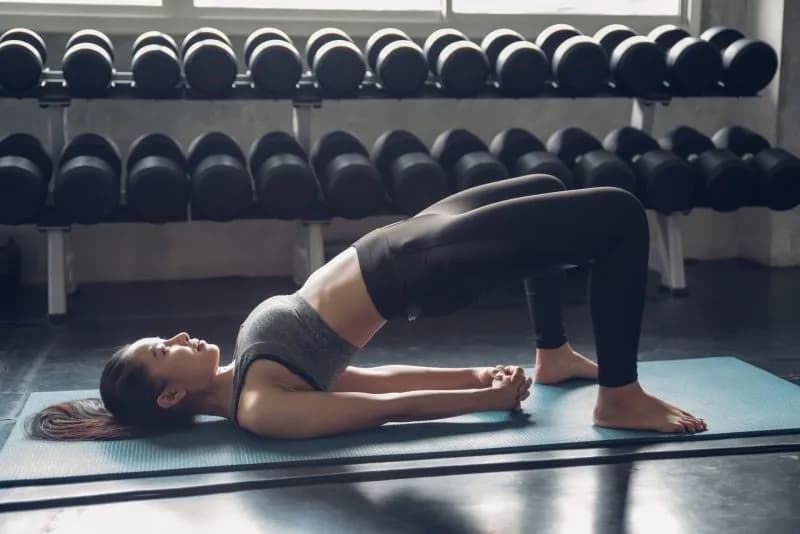
Bridge with Kegel
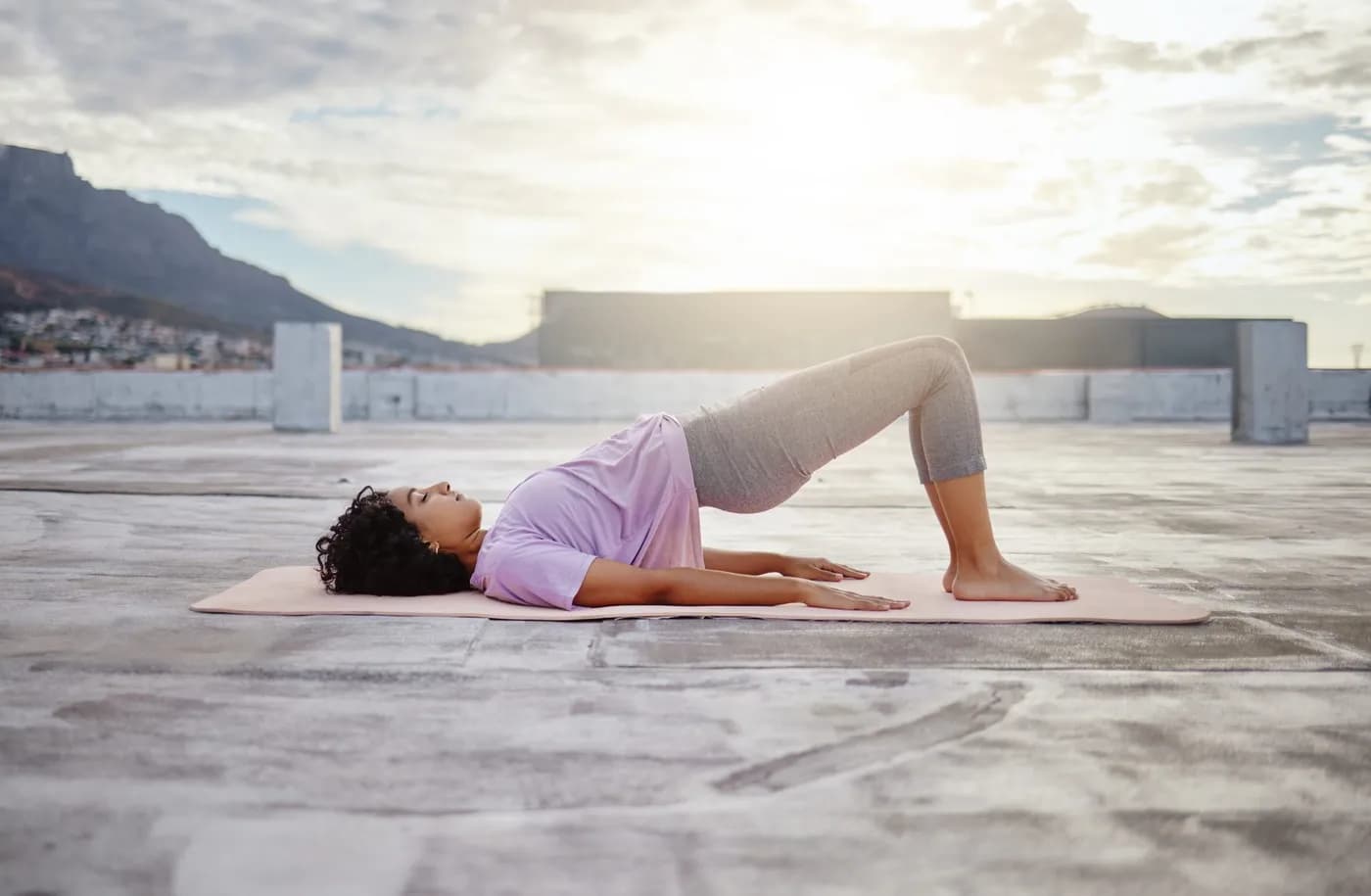
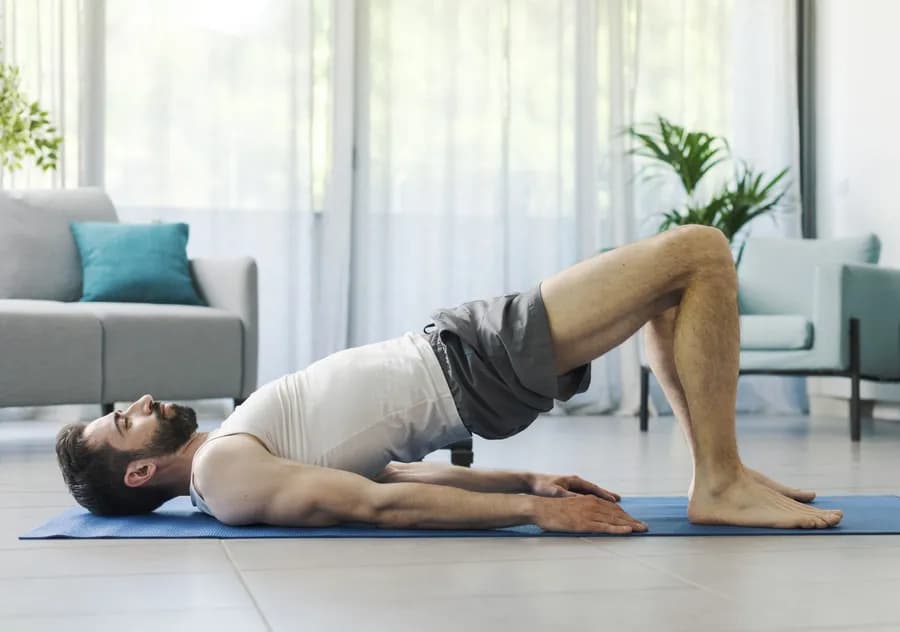
Lie on your back, knees bent. As you lift into a bridge, engage the pelvic floor. Lower slowly. This connects your kegel to glute and core work — a useful crossover with Benefits Of Bridge Pose for whole-body stability.
Standing Kegels
Once seated kegels feel easy, practise them standing. Gravity makes the work harder, and standing kegels mimic real-life situations like lifting groceries or climbing stairs.
Kegel with Squat
Lower into a shallow squat, engage the pelvic floor on the way up. This integrates kegels into a functional movement pattern and complements your broader Strength Training practice.
Common Mistakes to Avoid
- Holding Your Breath Many beginners clench the jaw, shoulders and breath while contracting the pelvic floor. Breathe normally — the pelvic floor responds best when the diaphragm is also moving.
- Squeezing the Wrong Muscles If your glutes, inner thighs or abs are doing the work, you are missing the target. The contraction should feel internal and subtle, not visible from the outside.
- Skipping the Release A pelvic floor that cannot fully relax is just as problematic as a weak one. Always release completely between contractions.
- Inconsistency Doing kegels for two days and then forgetting for a month will not bring results. Like any muscle group, the pelvic floor responds to daily, repeated practice — even just five minutes a day.
Who Should Try Kegel Exercises?
- Beginners Kegels are one of the most beginner-friendly exercises in existence. No fitness level required, no soreness the next day, and you can practise them anywhere. They are an easy entry point into body awareness work.
- Women Pregnancy, childbirth, hormonal changes and ageing all affect the female pelvic floor. Kegels support bladder control, postpartum recovery and pelvic stability. For women looking for broader pelvic and core support, kegels pair well with Yoga For Hormonal Balance.
- Men Yes, men have a pelvic floor too. Kegels help with bladder control, post-prostate surgery recovery and sexual health. The technique is identical — lift and squeeze the muscles you would use to stop urination.
- Older Adults As we age, the pelvic floor naturally weakens. Gentle, consistent kegels can help older adults maintain continence and confidence in daily activities. Speak to a doctor if you have any existing pelvic condition before starting.
- Working Professionals If you sit for long hours, your pelvic floor often becomes either weak or chronically tight. A few minutes of kegels at your desk can wake the muscles up and support your posture through the workday.
Build Strength with a Routine That Actually Works
Kegel exercises are powerful, but they work best when they sit inside a larger habit of daily movement — breathwork, core engagement, strength and mobility. That is exactly what Habuild's daily live sessions are built for. You join a community, follow a structured plan, and never have to figure out what to do on your own.
What you get with Habuild:
- Daily live guided strength and yoga sessions
- Beginner-friendly progressions including pelvic floor work
- No-equipment, home-friendly workouts
- Expert guidance to ensure correct form
- A supportive community that keeps you consistent
Ready to build the habit? Explore Habuild's Online Yoga Classes and pair your pelvic floor work with structured Female Strength Training sessions, one short class a day.
Kegel exercises are short squeezes and lifts of the pelvic floor muscles — the muscles that support your bladder, bowel and core. They take a few minutes a day, need no equipment, and can be done anywhere.
Related reads: Kegel Exercises for Men: Benefits, How-To & Routine · What Are Bird Dog Exercises? Benefits, Form & Routine
A few minutes of Kegels daily can support core stability and bladder control, but like any targeted practice, the results depend on doing them consistently rather than remembering them occasionally. Pairing this kind of targeted work with a broader, guided strength routine tends to keep it going far more reliably. Habuild's Strong Everyday program offers structured sessions that build overall strength alongside core and pelvic floor stability.
What is Kegel exercise for men and what is Kegel exercise for female differ mainly in anatomy, not technique — both groups are training the same pelvic floor muscles to support bladder control and core stability.
Frequently Asked Questions
Related Articles
Kegel Exercises for Men: Benefits, How-To & Routine
Simple, equipment-free contractions of the pelvic floor muscles support the bladder, bowel, and sexual function when practised for 2-3 short sessions daily. See the benefits, how-to, and routine.

Benefits of Squats for Women — 7 Real Results from Daily Practice and What to Expect Honestly
Consistent daily squat practice produces measurable results in glute shape, leg strength, and posture within 8-12 weeks — the 'bulky thigh' myth doesn't hold up given women's hormonal profile. See all 7 real results.
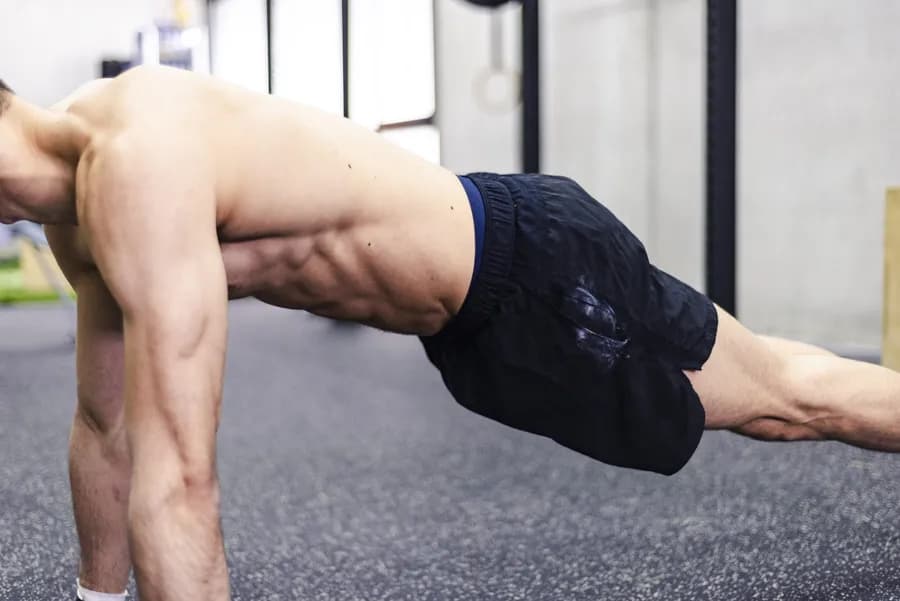
Do Planks Build Abs? the Honest Answer about Plank Effectiveness for Abs Development
Planks build the deep core muscles and isometric strength, but visible abs also require low enough body fat for that muscle to show — which needs full-body fat loss. See what planks actually do.
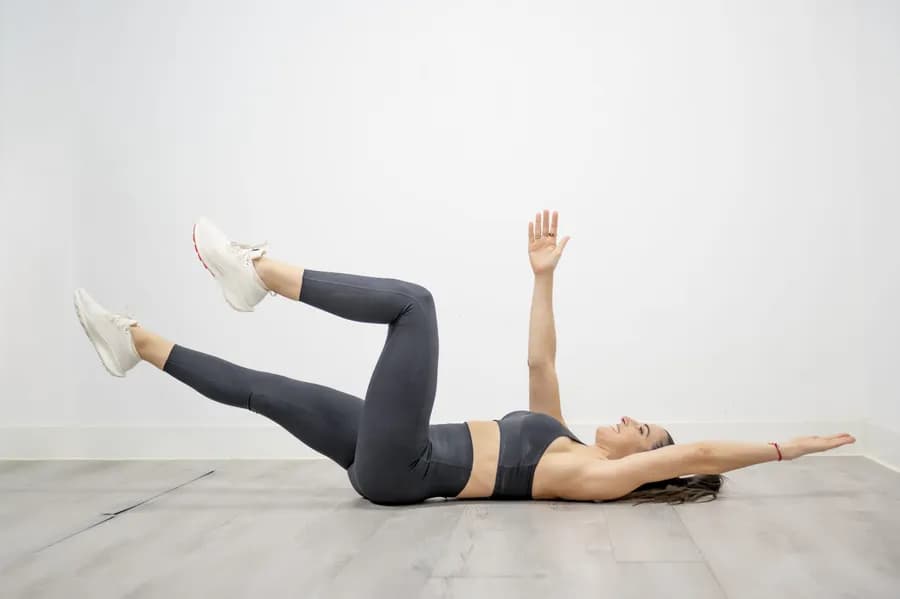
How to Do Dead Bug Exercise: Step-by-Step Guide for Deep Core Stability
This clinically supported core exercise builds transverse abdominis activation and anti-rotation strength with zero compressive load on the spine — but is almost always performed incorrectly. See the step-by-step guide.
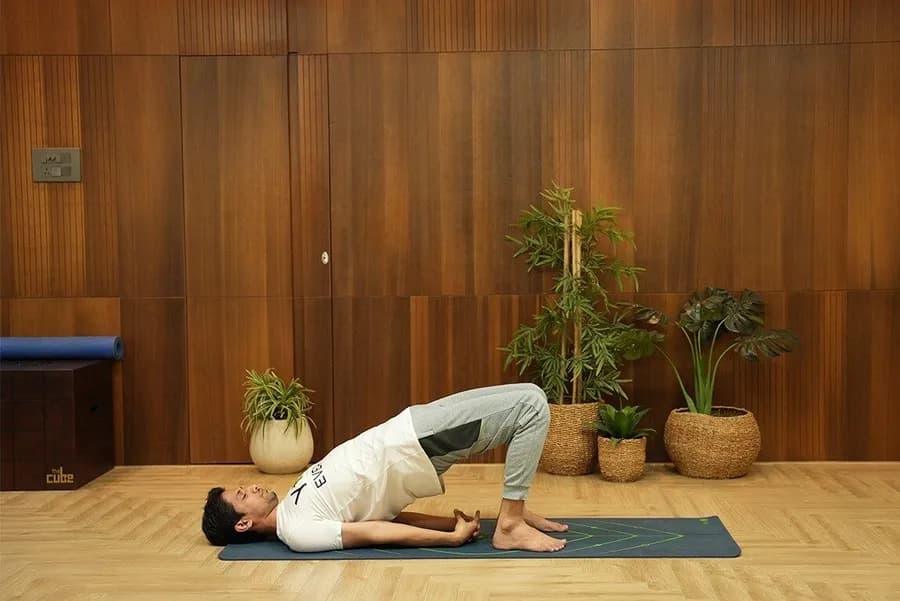
What Is Glute Bridge Exercise: Benefits & How to Do It
Lying on your back, bending your knees, and lifting your hips by squeezing your glutes strengthens the gluteus maximus, hamstrings, and core with no equipment. See the benefits and how to do it.