
Cool Down Stretches: Best Poses & Recovery Routine
Learn the best cool down stretches to ease soreness and build lasting flexibility. Start a guided routine with Habuild — try free for 14 days.
Key Takeaways
- A 5-10 minute routine after any workout is one of the highest-return recovery habits.
- Gentle post-exercise stretching helps flush metabolic waste, reducing next-day soreness.
- Muscles are warmest and most receptive to lengthening right after exercise ends.
- Stopping abruptly after intense movement places unnecessary stress on the cardiovascular system.
- Keeps blood moving through muscles during the transition from active to resting state.
- A closing ritual signals to the brain that the session is complete, reinforcing consistency.
Cool down stretches are gentle, targeted movements performed after exercise to lower heart rate gradually, reduce muscle soreness, and build lasting flexibility. A 5–10 minute cool down routine after any workout — strength, cardio, or yoga — is one of the highest-return habits you can build for long-term recovery and injury prevention.
Cool down stretches are one of the most overlooked parts of any workout — yet they play a crucial role in how your body recovers, reduces next-day soreness, and builds lasting flexibility. Whether you’ve just finished a strength session, a run, or a yoga flow, spending 5–10 minutes on targeted post-workout stretches can meaningfully improve how you feel the next morning. This guide walks you through the best cool down stretches, how to get started, and which common mistakes silently undermine your recovery.
7 Key Benefits of Cool Down Stretches
- Reduces Muscle Soreness Gentle stretching after exercise helps flush metabolic waste from worked muscles. Regular cool downs are associated with noticeably less delayed-onset muscle soreness (DOMS), especially after intense strength training days.
- Lowers Heart Rate Gradually Stopping abruptly after high-intensity movement can place unnecessary stress on the cardiovascular system. A proper cool down guides your heart rate back to its resting state in a controlled, measured way.
- Improves Flexibility Over Time Muscles are warmest and most receptive to lengthening right after exercise — making the post-workout window the most effective time to build lasting flexibility gains. Exploring dedicated flexibility yoga practices alongside your cool down can accelerate range-of-motion progress when done consistently.
- Supports Better Posture Training tightens the hip flexors, chest, and hamstrings, gradually pulling the body out of alignment. Targeted stretching counteracts these imbalances and supports an upright, healthier posture over time.
- Calms the Nervous System Slow, deliberate breathing during a cool down activates the parasympathetic nervous system — your rest-and-digest mode. This reduces cortisol levels and promotes genuine mental relaxation after a demanding session.
- Enhances Blood Circulation Stretching keeps blood moving through the muscles during the transition from active to resting state, supporting nutrient delivery and tissue repair. If circulation is a concern, pairing your cool down with yoga practices that support healthy blood flow can further amplify recovery benefits.
- Builds a Sustainable Fitness Habit A cool down ritual signals to your brain that the session is complete. This small closing routine reinforces consistency — and consistency is ultimately what produces results across weeks and months of training.
How to Get Started with Cool Down Stretches
What You Need to Begin
You need almost nothing to cool down effectively. A mat or soft surface, comfortable clothing, and a quiet space are all it takes. No foam roller or equipment is required — though they can be useful additions as your practice develops.
- A yoga mat or carpeted floor
- Loose, non-restrictive clothing
- 5–10 minutes of uninterrupted time
- A slow, steady breathing rhythm throughout each stretch
Setting Realistic Goals
Start by targeting two or three stretches from the list below after each session. You don’t need a 20-minute routine from day one — building the habit of doing something consistently is far more valuable than a perfect session once a week. Aim for 5–7 minutes initially, then expand naturally as it becomes part of your post-workout rhythm.
Start with the Basics
Focus on the major muscle groups you used during the session. After lower-body training, prioritise hip flexors, hamstrings, and calves. After upper-body work, target the chest, shoulders, and lats. Breathe into each position — exhale as you deepen the stretch, and never force a range that causes sharp discomfort.
Best Cool Down Stretches for Post-Workout Recovery
Balasana (Child’s Pose)
Kneel on your mat, sit your hips back toward your heels, and extend both arms forward along the floor. Balasana gently decompresses the lower back while stretching the hips and ankles simultaneously. Hold for 30–60 seconds, breathing deeply into the back body with each exhale.
Adho Mukha Svanasana (Downward-Facing Dog)
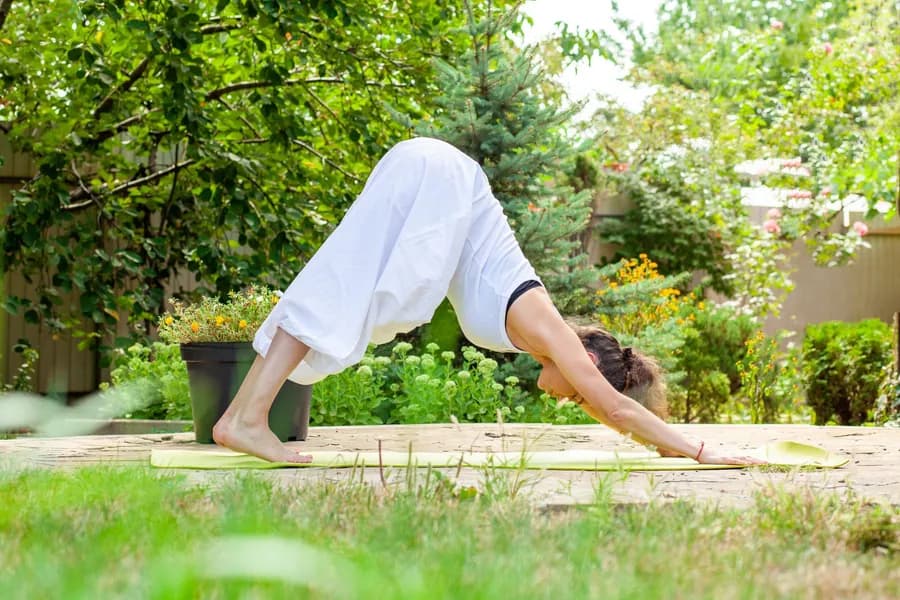
From all fours, tuck your toes and lift your hips toward the ceiling, forming an inverted V. This pose stretches the hamstrings, calves, and shoulders in a single position — one of the most efficient post-workout stretches available. Gently pedal your heels to deepen the calf release.
Supta Matsyendrasana (Supine Spinal Twist)
Lie on your back, draw one knee to your chest, then guide it across your body while the opposite arm extends outward. This reclined twist releases accumulated tension through the thoracic spine and IT band — both areas that take significant load during strength and cardio training. Hold 30–45 seconds per side with full, relaxed breathing.
Anjaneyasana (Low Lunge)
Step one foot forward into a lunge, lower the back knee to the mat, and lift your torso upright with arms raised overhead. This is one of the most effective hip flexor stretches available — particularly valuable after running, cycling, or squat-heavy sessions. Hold 30–45 seconds per side and feel the front of the rear hip gradually release.
Paschimottanasana (Seated Forward Fold)
Sit with legs extended, flex your feet, and fold forward from the hips — not the lower back — reaching toward your feet. Paschimottanasana provides a deep stretch through the entire posterior chain: hamstrings, calves, and the lumbar spine. Keep the spine long rather than rounded for the fullest benefit.
Setu Bandhasana (Bridge Pose)
Lie on your back with knees bent and feet flat on the floor. Press through your feet and lift the hips gently, holding for a few steady breaths before lowering slowly. This pose opens the chest and hip flexors while activating the glutes in a restorative way — ideal after a desk-heavy day or lower-body training session.
Makarasana (Crocodile Pose)
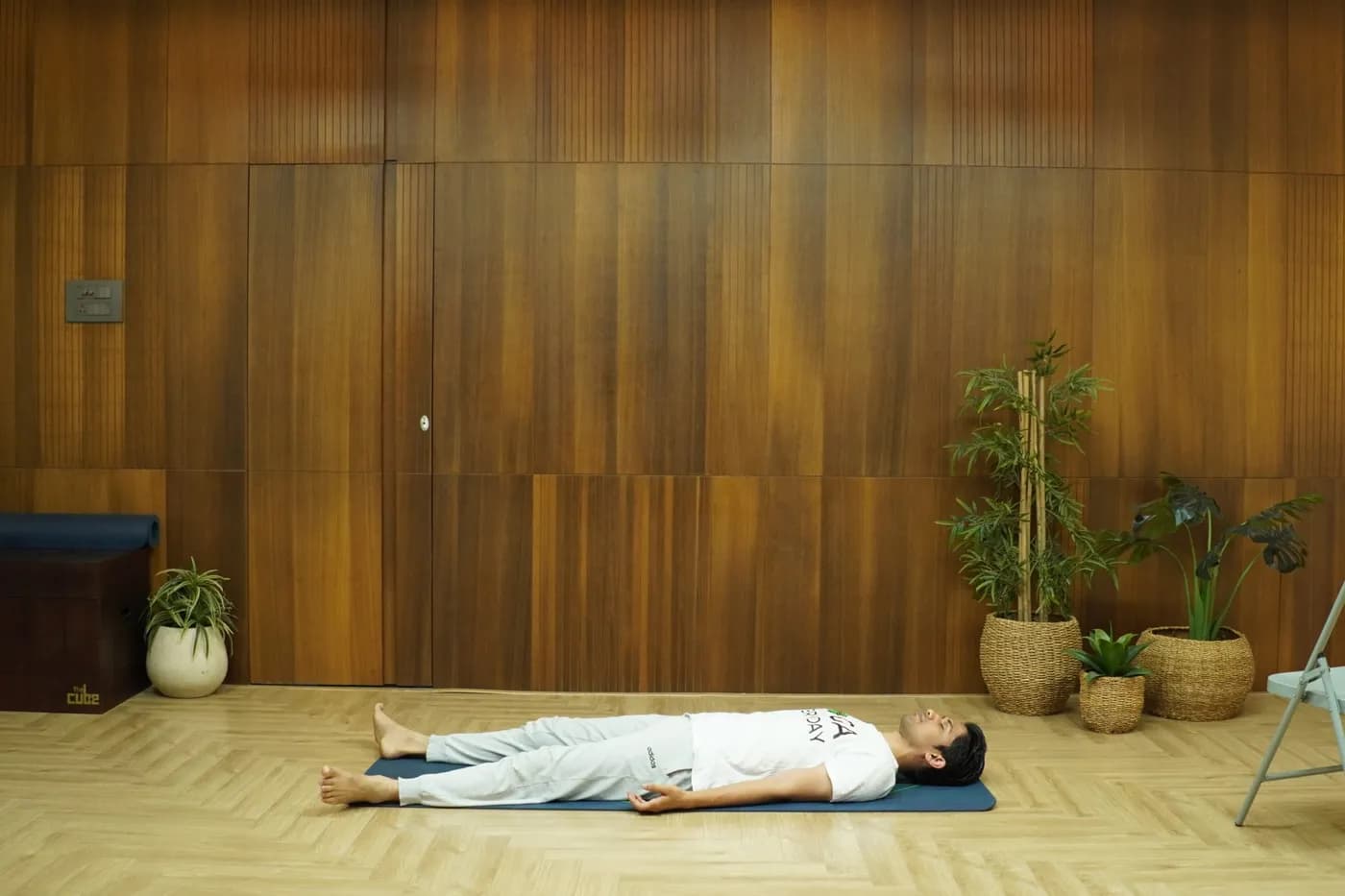
Lie face down with your forehead resting on stacked forearms. Let the entire body soften into the mat. This pose releases lower back tension, settles the nervous system, and serves as a grounding final posture to close any training session before rest or savasana.
Common Mistakes to Avoid
- Skipping the Warm-Up Before Your Session Cool downs work best when paired with a proper warm-up on the other end. Starting a workout cold means muscles are already under greater stress — making the recovery phase even more critical. A 5-minute dynamic warm-up protects you at both ends of every session.
- Holding Breath During Stretches Many people unconsciously hold their breath when reaching into a tight spot. This triggers a protective tension response in the muscle — the exact opposite of what you want. Exhale deliberately as you move deeper into each stretch, and keep the breath slow and uninterrupted throughout the entire cool down.
- Forcing Range of Motion Too Quickly Flexibility improves gradually, not in a single session. Pushing a stretch past your comfortable range risks straining tendons and ligaments. The goal is a gentle, sustained pull — not pain. If something feels sharp rather than pleasantly intense, ease back immediately.
- Inconsistent Practice A thorough cool down once a week provides almost no lasting benefit. The gains in flexibility, recovery quality, and nervous system regulation accumulate only through daily or near-daily repetition. Five consistent minutes every day outperforms thirty minutes once a week, without exception.
Who Should Try Cool Down Stretches?
- Beginners If you are new to working out, your muscles are adapting to loads they’ve never encountered before. A structured cool down from day one reduces soreness, lowers injury risk, and builds a strong foundational habit around deliberate movement and recovery.
- Women Women often carry significant tension in the hips and lower back — particularly those managing hormonal fluctuations through the training cycle. Post-workout stretches targeting the pelvis, inner thighs, and lower spine can support both physical recovery and a calmer nervous system response.
- Older Adults Joint mobility naturally decreases with age, and muscles take longer to recover after exertion. Gentle post-workout stretching helps maintain range of motion, reduces morning stiffness, and may ease discomfort associated with reduced daily activity. Please consult your doctor before starting any new stretching routine if you have existing joint conditions.
- Working Professionals If you exercise after long hours at a desk, your hip flexors and upper back are likely already compressed before training begins. A focused cool down addressing these specific areas counteracts postural load built up during the workday — leaving you genuinely restored rather than simply finished.
Build Flexibility with a Routine That Actually Works
Building lasting flexibility and recovery habits isn’t about doing the perfect stretch once — it’s about showing up consistently, with good guidance, every single day. The right structure makes that consistency far easier to maintain than willpower alone.
What You Get with Habuild’s Yoga Everyday Program:
- Daily live guided sessions including structured cool down sequences
- Beginner to advanced progression — no prior experience needed
- No equipment required — practice from anywhere at home
- Expert instructors ensuring correct form and safe stretching technique
- A supportive community that keeps you consistent over the long term
Looking for structured daily guidance you can follow from home? Daily online yoga classes at Habuild include cool down and flexibility sequences as part of every live session — designed to complement your strength training and support genuine recovery.
Frequently Asked Questions
Related Articles

Yoga Stretches for Flexibility: Best Poses & Warm-Up Routine
Discover the best yoga stretches for flexibility with poses, warm-up tips, and a beginner routine. Start your 14-day free trial trial with Habuild Yoga.

Beginner Yoga for Flexibility (Daily Flexibility Practice for Beginners): Steps, Benefits & Precautions
Uttanasana, Downward Dog, Janu Sirsasana, and gentle hip openers progressively lengthen tight muscles without requiring prior flexibility. See the steps.
Best Yoga Stretches for Flexibility, Posture and Daily Mobility
The right stretches address the most common areas of stiffness — hamstrings, hips, shoulders, and spine — in just 15-20 minutes daily. See the guide to.