
Paschimottanasana: Yoga Steps, Benefits & Tips
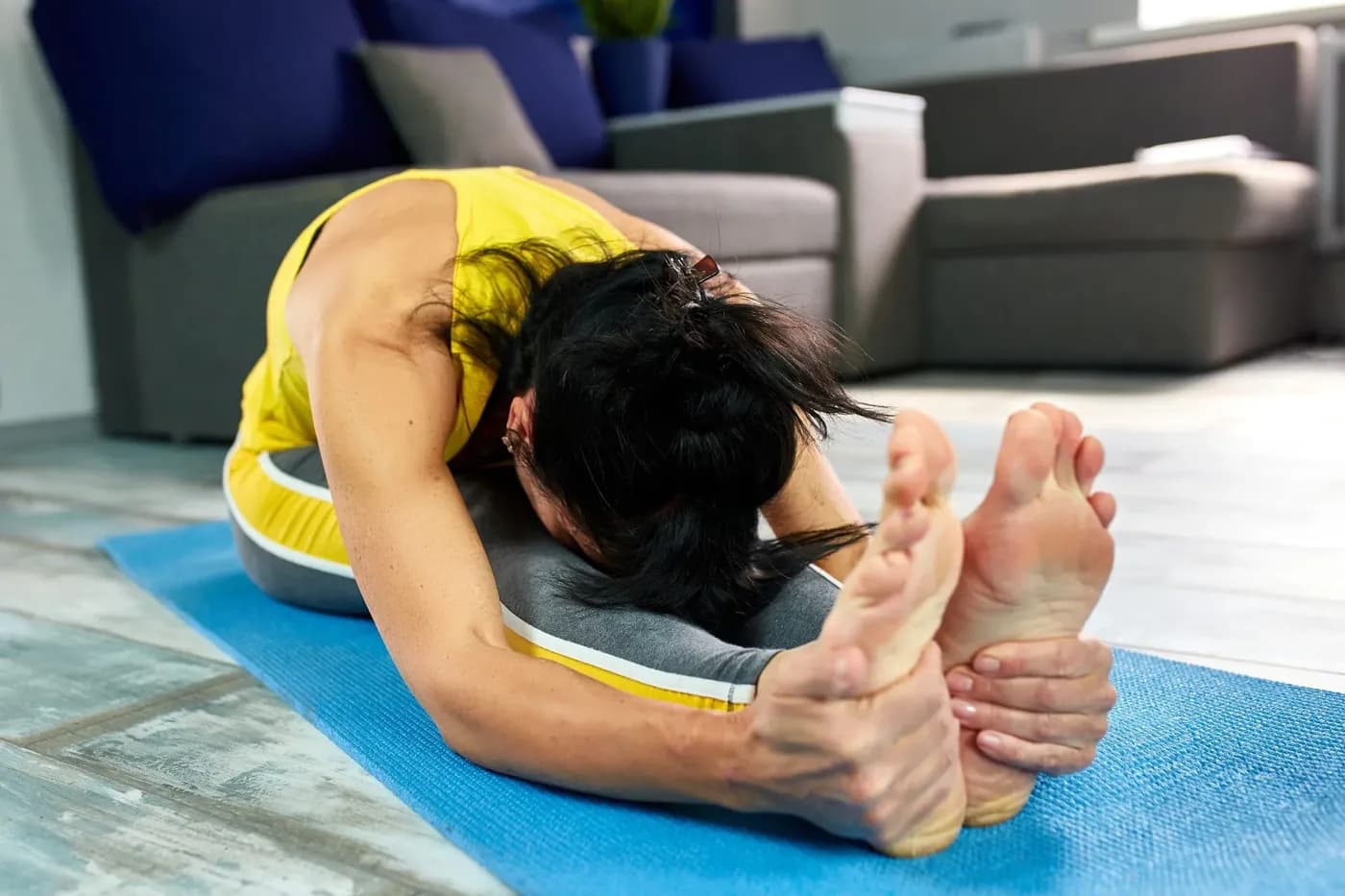
Paschimottanasana, the Seated Forward Fold, deeply stretches the entire posterior chain, stimulates the abdominal organs, calms the nervous system, and builds hamstring and spinal flexibility.
Key Takeaways
- Paschima means west, the back body, since practitioners historically faced east at sunrise.
- Measurable flexibility improvements appear within 2-3 weeks of consistent daily practice.
- The goal is lengthening the spine with each exhale, not forcing the hands to the feet.
- Releasing tight hamstrings directly reduces the posterior pelvic tilt that causes back pain.
- Deep forward-fold compression massages the liver, kidneys, and intestines directly.
- An entry-level pose that still deepens indefinitely with dedicated practice.
Paschimottanasana — the Seated Forward Fold or Intense Stretch of the West — is one of the most therapeutically important poses in the classical Hatha yoga tradition. It deeply stretches the entire posterior chain from the heels to the crown of the head, stimulates the abdominal organs, calms the nervous system, and builds the hamstring and spinal flexibility that form the foundation of a complete yoga practice. It is both an entry-level pose and one that deepens indefinitely with dedicated practice.
What is Paschimottanasana?
Paschimottanasana — pronounced pash-ee-mo-tan-AH-sana — translates as the Intense Stretch of the West (Paschima = west = the back body, Uttana = intense stretch, Asana = pose). In the yoga tradition, the back of the body is the west because practitioners historically faced east toward the rising sun. The pose is therefore a complete stretching of the entire posterior body — from the soles of the feet through the hamstrings, lower back, thoracic spine, and to the back of the neck.
In the practice, the practitioner sits with both legs extended, then folds the torso forward over the thighs — reaching the hands toward the feet while maintaining a lengthened spine. The goal is not to reach the feet but to lengthen the spine and progressively release the posterior chain with each exhalation. Depth comes from patience and breath, not from forcing.
At Habuild, Paschimottanasana is taught as a core seated pose within our morning flexibility and spinal health curriculum. Members managing lower back pain consistently describe the seated forward fold as one of the most transformative poses in their daily practice.
Paschimottanasana Benefits
Physical Benefits
- Deeply Stretches the Hamstrings, Lower Back, and Entire Posterior Chain — The primary and most immediately felt benefit is the deep, sustained lengthening of the entire posterior chain — hamstrings, glutes, lower back, thoracic extensors, and the posterior neck. This complete posterior stretch is unmatched by any other single yoga pose and produces measurable flexibility improvements within 2–3 weeks of daily practice.
- Stimulates Abdominal Organs and Improves Digestion — The deep forward fold compresses the abdominal cavity, massaging the liver, kidneys, and intestines — directly stimulating digestive function, improving peristalsis, and supporting detoxification. This makes it particularly valuable for practitioners managing constipation and sluggish digestion.
- Supports Lower Back Health and Spinal Decompression — By releasing the hamstrings — whose tightness directly causes posterior pelvic tilt and lower back compression — Paschimottanasana produces lasting relief from the most common structural cause of lower back pain. The spinal traction decompresses the lumbar discs.
- Relieves Stress and Activates the Parasympathetic Nervous System — Forward folds are among the most powerfully calming poses in yoga — the spinal flexion and inward orientation activating the parasympathetic nervous system. Held for 3–5 minutes it produces a meditative quality of stillness few other poses replicate.
Mental and Emotional Benefits
- Calms the Mind and Reduces Anxiety — The forward fold's profound parasympathetic activation makes Paschimottanasana one of yoga's most effective poses for anxiety and stress relief. The inward, downward orientation creates a physical sense of withdrawal from external stimulation.
- Builds Patience, Surrender, and Inner Focus — Paschimottanasana teaches perhaps the most important lesson in the practice — that depth comes from releasing, not forcing. The pose's progressive deepening with breath cultivates the patience that distinguishes mature yoga practice from mere physical exercise.
How to Do Paschimottanasana — Step-by-Step Instructions
Key Principles
The fold initiates from the hip crease — not from the lower back rounding. The spine lengthens on every inhale before the torso descends further on every exhale. The hands hold whatever is accessible — feet, ankles, shins, or a yoga strap — without pulling. The legs remain fully extended and active throughout.
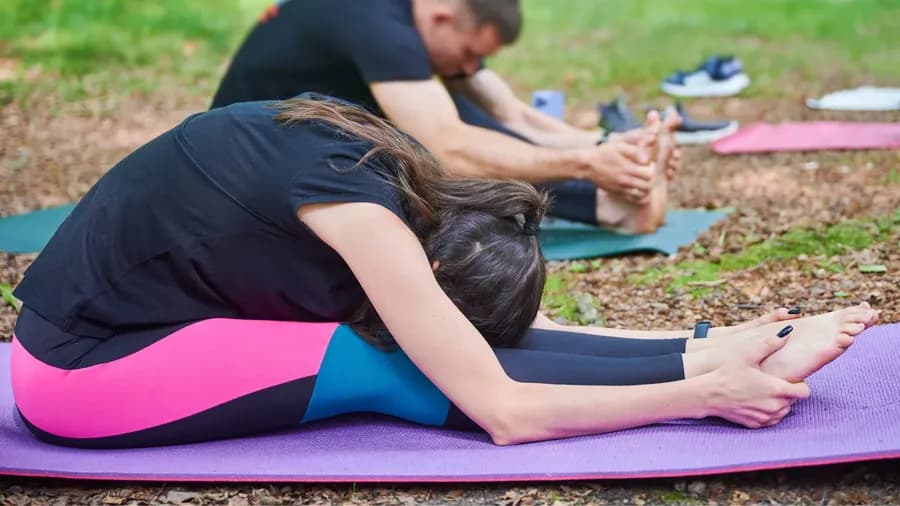
Step 1: Starting Position — Sit in Dandasana — both legs fully extended, spine tall, sitting bones grounded. Flex the feet, pressing through the heels. Place the hands on the floor beside the hips. Establish steady breathing.
Step 2: Inhale and Lengthen the Spine — Inhale and grow the spine tall — lifting through the crown of the head while grounding through the sitting bones. Raise the arms overhead, reaching the fingertips toward the ceiling. The spine must be fully lengthened before the fold begins.
Step 3: Hinge Forward from the Hips — Exhale and hinge the torso forward from the hip crease — not from the waist or lower back. Lead with the chest, keeping the spine long as the torso moves toward the thighs. The pelvis tilts forward over the femur heads.
Step 4: Take Hold and Settle — Reach the hands to wherever they comfortably arrive — the feet, ankles, shins, or a strap looped around the soles. Hold without pulling. Allow the elbows to bend outward as the torso descends. The lower back does not round aggressively — length is maintained.
Step 5: Final Position and Hold — Breathe steadily — inhaling to lengthen and create space, exhaling to release and descend fractionally deeper. The forehead moves progressively toward the shins. Hold for 5–10 breaths or up to 3 minutes for a restorative effect.
Step 6: How to Come Out of Paschimottanasana — Inhale, lengthen the spine, and lead with the chest to lift the torso upright — reversing the hip hinge. Release the hands and return to Dandasana. Take one breath to counterpose with a gentle backbend before continuing practice.
Breathing in Paschimottanasana
Inhale to lengthen — creating internal space and spinal traction. Exhale to surrender — allowing the posterior body to release progressively deeper without muscular forcing. Slow Ujjayi breathing maintains the internal warmth that facilitates hamstring and spinal release. Never hold the breath in the held position.
Preparatory Poses Before Paschimottanasana
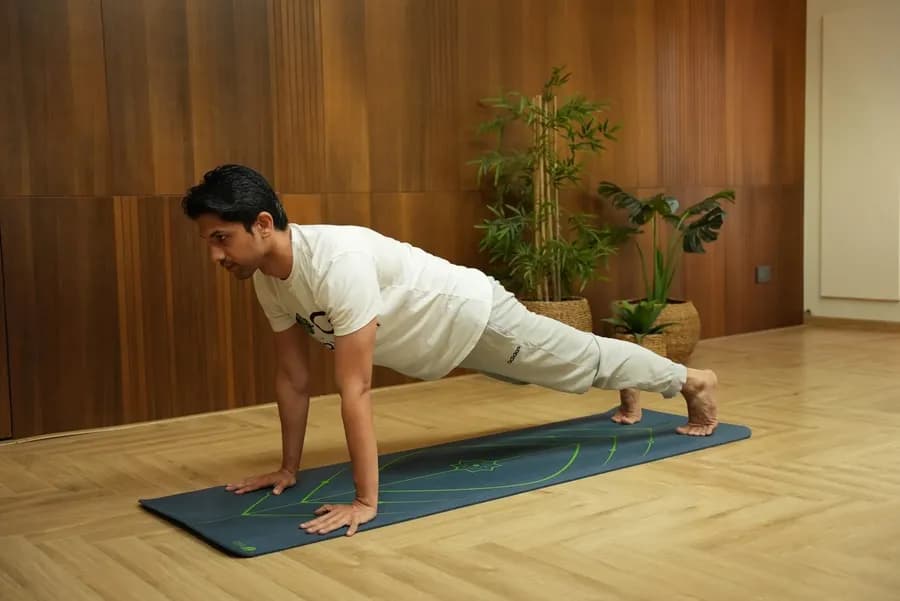
- Dandasana (Staff Pose, 5 breaths) — Establishes the active seated posture and spinal uprightness required for the forward fold.
- Supta Padangusthasana (Reclining Hand-to-Big-Toe Pose, 5 breaths each side) — Opens the hamstrings in the supine position before asking them to release in the seated fold.
- Janu Sirsasana (Head-to-Knee Forward Fold, 5 breaths each side) — Opens each hamstring individually before the bilateral demand of Paschimottanasana.
- Cat-Cow Flow (10 rounds) — Warms the entire spinal column through flexion-extension before the deep sustained forward fold.
Variations of Paschimottanasana
- Variation 1: Supported Paschimottanasana with Strap — Beginner — Loop a yoga strap around the soles of both feet and hold the strap with both hands — allowing the forward fold to occur without the hamstring tightness that prevents beginners from reaching the feet.
- Variation 2: Paschimottanasana with Rolled Blanket — For Tight Hamstrings — Place a rolled blanket beneath the knees to release the hamstring tension that prevents forward pelvic tilt. Ideal for desk workers with chronically shortened posterior chains.
- Variation 3: Restorative Paschimottanasana — Extended Hold — Hold the full or modified pose for 3–5 minutes with complete muscular surrender — supported by a bolster under the forehead if needed. Produces the deepest nervous system calming of any variation.
Common Mistakes to Avoid in Paschimottanasana
- Rounding the lower back instead of hinging from the hips — The fold must initiate from the hip crease. Lower back rounding compresses the lumbar discs rather than decompressing them — the opposite of the intended effect.
- Pulling aggressively on the feet to force depth — Pulling the torso down with the arms bypasses the hamstring release and loads the lumbar spine. The hands hold lightly — depth comes from breath and patience.
- Bending the knees — The legs must remain fully extended throughout. Bent knees release the hamstring tension that is the very thing the pose is designed to address.
- Holding the breath — The release of the posterior chain depends on continuous exhalation. Breath-holding creates the muscular bracing that prevents the progressive deepening the pose produces.
- Forcing the forehead to the shins before the spine is ready — The goal is a long, lengthened spine approaching the legs — not a rounded collapse. Forehead contact is the natural result of open hamstrings and a flexible spine, not a forced endpoint.
Who Should Practise Paschimottanasana?
- Those with Tight Hamstrings and Lower Back Stiffness — Paschimottanasana is the most direct and effective yoga intervention for the hamstring tightness that is the primary structural cause of lower back pain, poor posture, and restricted movement in adults. Daily practice produces measurable posterior chain flexibility within 2–3 weeks.
- Those Managing Stress, Anxiety, and Mental Fatigue — A 3-minute restorative hold at the end of a demanding day produces a quality of nervous system reset that rivals dedicated meditation sessions.
- Is Paschimottanasana Good for Beginners? — Yes — with a strap and a blanket under the knees, Paschimottanasana is fully accessible from the very first session regardless of hamstring flexibility.
Make Paschimottanasana a Part of Your Practice
Paschimottanasana is one of yoga's most complete therapeutic poses — stretching the entire posterior chain, stimulating the digestive organs, calming the nervous system, and building the patience and surrender that mature yoga practice requires.
Whether you are a complete beginner using a strap and blanket, a desk worker systematically releasing the hamstring tightness that years of sitting has created, or an experienced practitioner exploring the restorative extended hold, Paschimottanasana delivers progressive and compounding benefits with every daily session.
The most effective way to learn the correct hip-hinge entry, breath integration, and progressive deepening is under live guidance with real-time corrections.
Start your 14 day free yoga journey with Habuild, today!
Related reads: 10 Benefits of Paschimottanasana You Should Know · Supta Vajrasana: Steps Digestive Benefits and How to Practice
Paschimottanasana is a slow-building stretch — the hamstrings and lower back loosen over repeated sessions, and the calming, digestion-friendly effects of the forward fold deepen along with that flexibility. It's not a pose that rewards forcing; it rewards returning to it. Habuild's Yoga Everyday program includes forward folds like this in a guided daily sequence so the benefits keep building instead of resetting each time.
Frequently Asked Questions
Related Articles

Tadasana — The Mountain Pose
Tadasana, or Mountain Pose, is the quiet foundation every standing yoga pose is built on — simple to look at, precise to get right.

Adho Mukha Svanasana — The Downward-Facing Dog Pose
Adho Mukha Svanasana, universally known as Downward-Facing Dog, is one of yoga's most iconic and versatile postures.
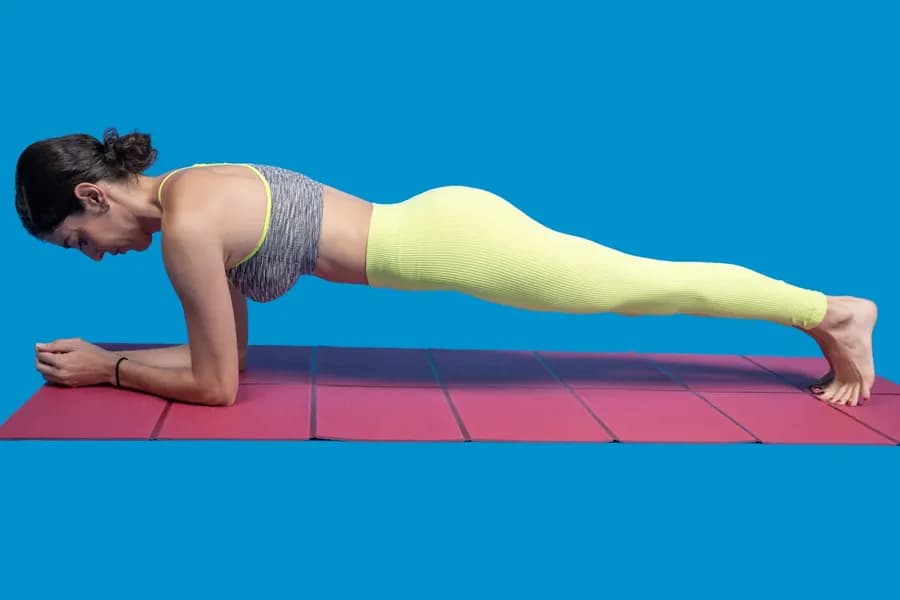
Marjaryasana–Bitilasana — The Cat–Cow Pose
Marjaryasana–Bitilasana, commonly known as Cat–Cow Pose, is a gentle, dynamic flow between two postures that warms up the body and brings flexibility to the entire spine.
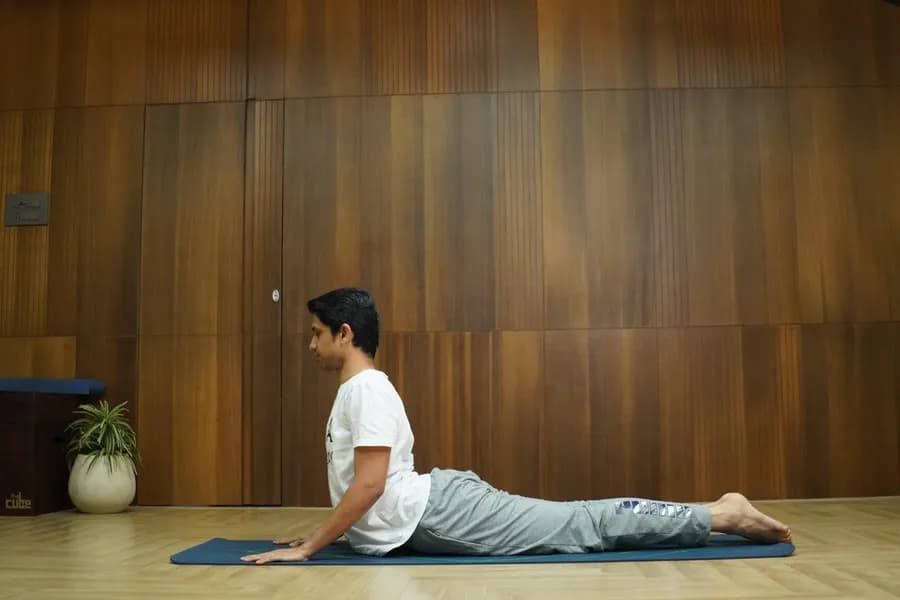
Bhujangasana: Cobra Pose Steps, Benefits & Tips
Bhujangasana, or Cobra Pose, strengthens the spine and entire back musculature, opens the chest, stimulates abdominal organs, and corrects the postural damage of prolonged sitting.
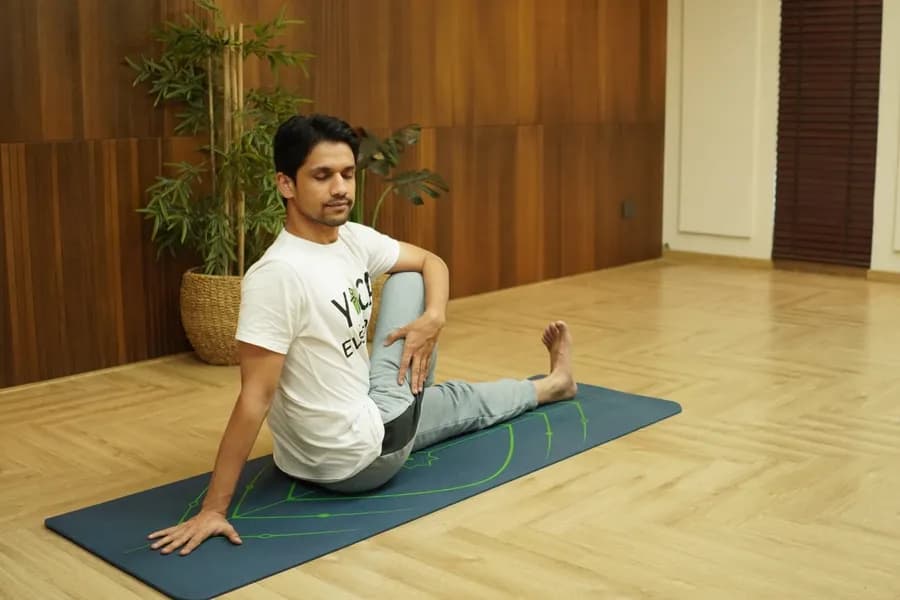
Vakrasana: Twisted Pose, Steps & Yoga Benefits
Vakrasana, or Twisted Pose, is a seated spinal rotation that improves spinal flexibility, stimulates digestive organs, and strengthens the core.