
How to Stretch Hamstrings: 7 Best Hamstring Stretches for Tight Legs and Better Mobility
Tight hamstrings are one of the most under-addressed sources of lower back pain and restricted movement — daily stretching produces meaningful change.

Key Takeaways
- ACSM guidelines note 2-3 weekly stretching sessions produce measurable range-of-motion gains.
- Daily practice produces the fastest results, with most people noticing change in 3-4 weeks.
- Tight hamstrings pull on the pelvis, driving a commonly under-recognised cause of back pain.
- The NSCA identifies adequate hamstring length as foundational for safe lower-body training.
- Hamstring length directly links to running speed, jumping height, and squat depth.
- A realistic goal builds each stretch from 30-45 seconds to 60 seconds over 4-6 weeks.
Tight hamstrings are one of the most common and most under-addressed sources of lower back pain, poor posture, and restricted movement in adults. Modern life shortens them through hours of sitting, then asks them to stretch only occasionally. The good news: hamstring length responds reliably to consistent daily stretching. Per ACSM guidelines on flexibility training, 2–3 sessions per week of stretching produces measurable range-of-motion gains, with daily practice producing the fastest results most people see meaningful change within 3–4 weeks. This guide covers how to stretch hamstrings safely and effectively, the best hamstring stretch exercises for every level, the difference between hamstring sitting stretch and hamstring standing stretch positions, and exercises for hamstring strain recovery.
Benefits of Stretching the Hamstrings
- Reduced Lower Back Pain Tight hamstrings pull on the pelvis, which pulls on the lower back. Stretching them often resolves chronic lower back tension that nothing else has reached. The connection is one of the most under-recognised causes of chronic back pain.
- Better Posture and Spinal Alignment Tight hamstrings make sitting upright difficult. Lengthening them improves seated and standing posture immediately often visible in the first session.
- Improved Athletic Performance Hamstring length is directly linked to running speed, jumping height, and squat depth. Stretching translates to better performance in every leg-driven activity, from cycling to dancing to climbing stairs.
- Lower Injury Risk Tight hamstrings are a leading risk factor for hamstring strains and tears. Per the NSCA’s Essentials of Strength Training and Conditioning, adequate hamstring length is foundational for safe progressive lower-body training. Daily stretching protects against these common injuries particularly important for runners, cyclists, and anyone returning to sport.
- Better Daily Function Bending, Tying Shoelaces, Sitting on the Floor Most “I’m stiff” complaints in adults are tight hamstrings in disguise. Stretching them returns these everyday capabilities. Many people feel measurably younger in their movement within weeks.
How to Get Started with Hamstring Stretching
What You Need to Begin
A small space, a yoga mat or carpet, optionally a yoga strap or towel for assisted stretches, and 10–15 minutes daily.
Setting Realistic Goals
Don’t aim for full forward folds in week one. Aim for measurable monthly progress a few centimetres further reach, less pulling sensation, easier daily movement.
Start with the Basics
Five gentle hamstring stretches done daily, holding each for 30–45 seconds. Building to 60-seconds takes over 4–6 weeks. Pair with our yoga for flexibility programme for full-body mobility work.
Best Hamstring Stretches
Standing Forward Fold (Standing Hamstring Stretch)
Hold 30–60 seconds × 2. Stand with feet hip-width apart, fold forward from the hips. Let the head hang heavy. Bend the knees as much as needed to feel a stretch behind the thighs without strain.
Seated Forward Fold (Hamstring Sitting Stretch)
Hold 30–60 seconds × 2. Sit with legs extended, fold forward as far as comfortable. Reach for the shins, ankles, or feet wherever you can reach.
Single-Leg Standing Hamstring Stretch
Hold 30 seconds each leg × 2. Place one heel on a low chair or step, lean forward gently from the hips. Targets one leg at a time, allowing more depth.
Lying Hamstring Stretch with Strap
Hold 30–45 seconds each leg × 2. Lie on back, loop a strap around one foot, gently extend the leg toward the ceiling. The safest deep hamstring stretch.
Wide-Legged Forward Fold
Hold 45–60 seconds. Stand with feet 3–4 feet apart, fold forward. Stretches both hamstrings and inner thighs simultaneously.
Pyramid Pose (Parsvottanasana)
Hold 30 seconds each side × 2. From a standing split-stance, fold forward over the front leg. A deeper standing hamstring stretch.
Janu Sirsasana (Head-to-Knee Pose)
Hold 30 seconds each side × 2. Seated with one leg extended, fold forward over the extended leg. Pair with our stretching yoga poses guide for complete sequence.
Common Hamstring Stretching Mistakes
Bouncing into the Stretch
The classic error. Bouncing triggers a protective shortening reflex, making the stretch less effective and increasing injury risk.
Locking the Knees
Pushing the knees into hyperextension shifts the stretch from muscle to joint. Keep a micro-bend.
Rounding the Lower Back to Reach Further
Reaching further by rounding the back stretches the back, not the hamstrings. The fix: bend the knees and keep the spine long.
Pushing into Pain
A stretch should feel intense but not painful. Pain causes micro-tears and slows progress.
Who Should Stretch Their Hamstrings?
- Desk Workers and Sedentary Adults The single highest-leverage group. Daily 10-minute hamstring routine reverses much of the sitting damage.
- People with Lower Back Pain Tight hamstrings are a major contributor to lower back pain. Stretching them often resolves what other approaches can’t.
- Runners, Cyclists, and Athletes Hamstring length affects speed, power, and injury risk. Daily stretching is non-negotiable for serious training.
- People Recovering from Hamstring Strain (After Doctor’s Clearance) Once acute pain has resolved, gentle progressive stretching is part of full recovery from a hamstring strain.
Build a Hamstring Mobility Routine with Habuild
Hamstring length is built through consistent daily practice not occasional intense sessions. With expert daily guidance and structured progression, you can build the routine that finally lengthens your legs and resolves the back pain you didn’t know was related.
What you get with Habuild’s daily program:
- Daily live guided yoga and stretching sessions
- Beginner to advanced progression with no equipment
- Expert form correction in real time
- Community accountability for daily consistency
Hamstring length changes measurably within four to six weeks, but only with stretching repeated most days — the same stretch done once a week barely holds the gains from the last session, let alone builds on them. Habuild’s Yoga Everyday program keeps this kind of mobility work on a daily schedule, so the four-to-six-week timeline actually plays out as described.
Frequently Asked Questions
Related Articles
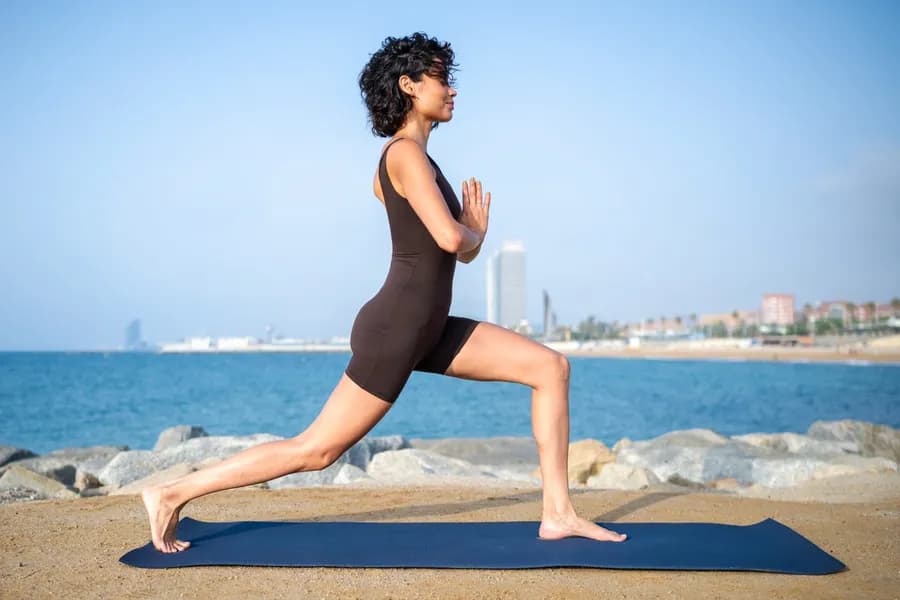
How to Strengthen Hamstrings: Exercises, Tips, and a Plan That Works
The hamstrings power walking, running, squatting, and protect your knees — training them two to three times a week with hip-dominant and knee-flexion moves builds real strength. See the full plan.

How to Reduce Neck Hump: 7 Exercises to Straighten Posture and Remove Hump Fat
Forward head posture, weak upper-back muscles, and tight chest muscles combine to create the protrusion at the base of the neck — and it responds well to consistent daily exercise. See all 7 exercises.


How to Reduce Hip Fat: 7 Best Exercises for Slimmer, Stronger Hips
Hip and thigh fat distribution is hormonally driven, making spot reduction impossible — but strength training combined with overall fat loss reshapes the hips visibly over 8-12 weeks. See the 7 best exercises.