
Power Yoga for Weight Loss: Benefits, Poses & Routine
Discover how power yoga for weight loss works, the best poses, beginner tips, and a structured routine to build consistency and see real results.
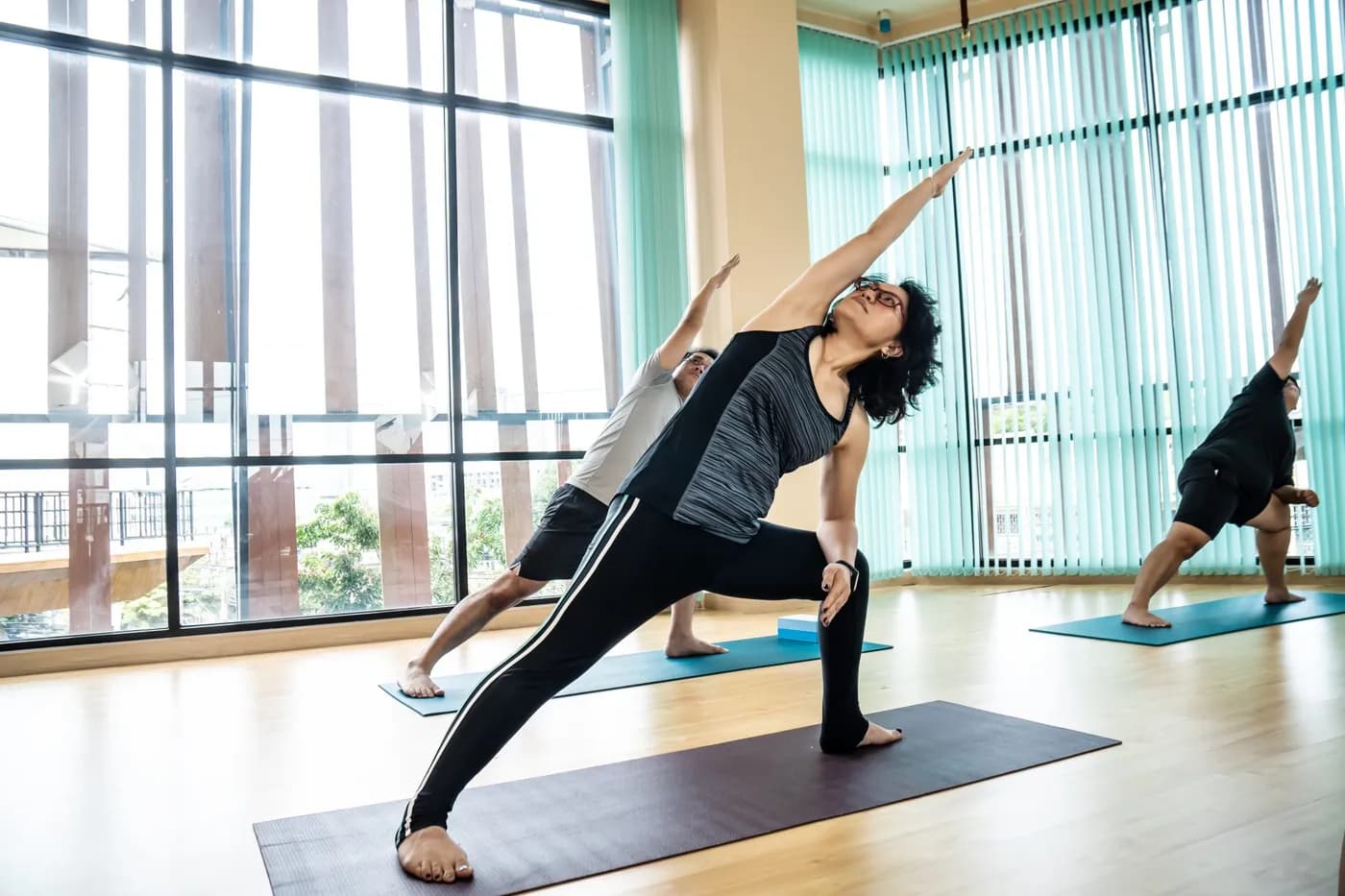
Key Takeaways
- Uses continuous flow and bodyweight resistance, keeping the heart rate elevated throughout.
- Plank, Warrior III, and Chaturanga require holding your own bodyweight to build lean muscle.
- Integrates breathwork and mindfulness that actively help manage cortisol-driven fat storage.
- Almost every pose demands core activation, building deep abdominal stability.
- Physical exertion and nervous system regulation may help you fall asleep faster and recover.
- Aim for 20-30 minutes, 4-5 days per week, using only a mat and bodyweight.
Power yoga for weight loss combines dynamic movement, breath control, and full-body muscular engagement into a practice that elevates heart rate, builds lean muscle, and supports consistent daily effort — making it one of the most accessible home-friendly approaches to managing body composition.
If you’ve been looking for a practice that builds strength, burns calories, and keeps you mentally engaged, power yoga is worth a serious look. Unlike slower yoga styles, it uses bodyweight resistance and continuous flow — effective whether you’re a complete beginner or returning to fitness after a break.
7 Benefits of Power Yoga for Weight Loss
- Burns Calories Effectively Power yoga sessions involve continuous movement through challenging poses. This keeps your heart rate elevated throughout, which means your body expends more energy compared to static yoga styles. Regular practice may gradually support calorie management when combined with mindful eating.
- Builds Lean Muscle Mass Many power yoga poses require you to hold your own bodyweight — think Plank, Warrior III, and Chaturanga. Over time, this builds functional muscle, which can improve your resting metabolism and support a leaner physique. Explore more about yoga for strength to understand how this works in depth.
- Reduces Stress and Cortisol High cortisol levels are directly linked to fat storage, especially around the abdomen. Power yoga integrates breathwork and mindfulness, which actively helps manage stress responses. Practised consistently, it may support better hormonal balance over time.
- Improves Flexibility and Mobility Tight muscles limit your range of motion and make other forms of exercise harder. Power yoga systematically lengthens and strengthens the entire body, reducing injury risk and improving how you move day to day.
- Enhances Core Strength Almost every power yoga pose demands core activation. This steady, low-impact core engagement builds deep abdominal stability — a foundation for better posture and reduced lower back discomfort.
- Supports Better Sleep Poor sleep disrupts hunger hormones and makes fat loss harder. The physical exertion and nervous system regulation from power yoga may help you fall asleep faster and recover better overnight.
- Builds the Habit of Daily Movement The real driver of any body transformation is consistency, not intensity. Power yoga is engaging enough to keep you coming back — which is ultimately what moves the needle. If you’re curious how yoga stacks up against conventional exercise, yoga for weight loss offers a broader perspective.
How to Get Started with Power Yoga for Weight Loss
What You Need to Begin
You don’t need a gym or expensive gear. A non-slip yoga mat, comfortable clothing, and a stable internet connection for a guided class are all you need. Many people practise barefoot at home with no equipment at all — power yoga uses your bodyweight as resistance.
Setting Realistic Goals
Aim for 20–30 minutes of power yoga, 4–5 days per week, for the first month. Don’t chase dramatic results in week one. Focus instead on showing up consistently and building familiarity with the sequences. Gradual, sustainable progress is always more effective than short bursts followed by long breaks.
Start with the Basics
Even in power yoga, form comes before speed. Begin with foundational movements — grounding your feet, engaging your core, and synchronising breath with movement. If a pose feels too demanding, modify it without guilt. Progress in power yoga is measured in weeks and months, not days.
Best Power Yoga Poses for Weight Loss
Surya Namaskar (Sun Salutation)
The cornerstone of most power yoga flows, a single round of Surya Namaskar engages nearly every major muscle group. Moving through 12 positions with rhythmic breathing elevates your heart rate and builds full-body coordination. Start with 5 rounds and gradually increase. Inhale as you stretch upward, exhale as you fold forward.
Adho Mukha Svanasana (Downward-Facing Dog)
This foundational inversion stretches the hamstrings, calves, and spine while building shoulder and arm strength. It also encourages blood flow to the brain and creates a brief moment of active recovery within faster sequences. Press your heels gently toward the floor and lengthen through your spine.
Virabhadrasana I (Warrior I)
Warrior I demands hip flexibility, quad strength, and balance simultaneously. It targets the thighs, glutes, and core while also opening the chest and hip flexors — areas that tighten from prolonged sitting. Hold for 5 steady breaths on each side.
Chaturanga Dandasana (Four-Limbed Staff Pose)
Think of this as yoga’s version of a controlled push-up. Chaturanga builds serious upper body and core strength. The key is to lower slowly with elbows close to the body — rushing through it compromises form and reduces benefit. This pose is a strong marker of progressing power in your practice.
Utkatasana (Chair Pose)
Utkatasana is essentially a deep squat held in stillness. It fires up the quadriceps, glutes, and lower back, making it one of the most metabolically demanding poses in any standing sequence. Arms raised overhead add shoulder engagement. Breathe steadily and resist the urge to come out early.
Navasana (Boat Pose)
Navasana isolates the core intensely. Balancing on your sit bones with legs and torso raised challenges your deep abdominal muscles, hip flexors, and spinal stabilisers. It pairs well with belly-fat reduction goals when practised as part of a regular routine.
Bhujangasana (Cobra Pose)
Used as a counter-pose in most flows, Bhujangasana strengthens the back extensors, opens the chest, and provides active recovery between more demanding postures. It also stimulates the abdominal organs and supports digestion — an often-overlooked aspect of weight management.
Common Mistakes to Avoid in Power Yoga
- Skipping the Warm-Up Jumping straight into dynamic flows without warming up is a fast track to muscle strain. Spend 5 minutes with gentle joint rotations, cat-cow movements, and slow sun salutations before escalating intensity. Cold muscles resist stretch and are far more injury-prone.
- Holding Your Breath During Poses Breath is the engine of power yoga. When the pose gets hard, most beginners unconsciously hold their breath — which spikes tension and fatigue. Practise exhaling during effort (lowering into Chaturanga, folding into poses) and inhaling during opening movements.
- Forcing Into Advanced Poses Too Soon Power yoga progresses in layers. Attempting arm balances or deep backbends before building foundational strength increases injury risk significantly. Trust the process — foundational poses done well develop the prerequisites for advanced work naturally over time.
- Inconsistent Practice Two sessions a week for six months will outperform six sessions a week for three weeks followed by a complete stop. Weight-related goals respond to accumulated, consistent effort over time. This is the consistency gap that matters most — not which poses you do.
Who Should Try Power Yoga for Weight Loss?
- Beginners Power yoga has beginner-friendly modifications for every pose. If you can breathe and move, you can start. The learning curve keeps you mentally engaged rather than bored, which improves adherence over time.
- Women For women managing hormonal fluctuations, PCOS, or stress-related weight gain, power yoga offers a particularly well-rounded approach. The combination of physical effort and nervous system regulation may gradually support hormonal balance alongside consistent practice.
- Older Adults With appropriate modifications, power yoga builds joint stability, balance, and bone health in older adults. Poses can be adapted to chairs or walls to reduce load. As with any new exercise programme, consult your doctor before beginning if you have existing joint or cardiovascular conditions.
- Working Professionals For people spending long hours at a desk, power yoga addresses specific consequences: tight hip flexors, rounded shoulders, weak core, and stress-driven weight gain. A 25-minute morning or evening session can meaningfully shift how your body feels through the workday.
Build a Weight Loss Routine That Actually Works
Building a leaner, stronger body isn’t about finding the perfect pose — it’s about consistency, guided practice, and a structure that fits your real life. Power yoga works best when you have a clear daily routine and expert instruction to ensure you’re practising correctly and progressing safely from home.
What You Get with Habuild’s Yoga Everyday Program:
- Daily live guided yoga sessions including power yoga flows
- Beginner to advanced progression — at your own pace
- No-equipment, fully home-friendly practice
- Expert instructors who correct form in real time
- A community that keeps you accountable and consistent
Looking for the best online yoga classes to begin your power yoga journey? Habuild’s structured program is a strong place to start.
Start Your Power Yoga Journey
Frequently Asked Questions
Related Articles
Does Yoga Help in Weight Loss? the Honest Answer and What Works
Yoga alone rarely produces the dramatic weight loss running or strength training does, but combined with mindful eating it does support sustainable body.


10 Minute Yoga for Weight Loss: Quick Daily Routine and Honest Expectations
Dynamic poses that elevate heart rate combined with abdominal-engaging movements contribute meaningfully to sustainable body composition change over.

Best Yoga Poses for Belly Fat (Abdominal Toning Asanas): Steps, Benefits & Precautions
Navasana, Paschimottanasana, Dhanurasana, and Ardha Matsyendrasana strengthen the deep abdominal muscles and stimulate digestive organs, practised as a.
