
Surya Namaskar for Height Increase: Benefits & Guide
Can surya namaskar for height increase work for you? Discover 10 poses, benefits, mistakes to avoid, and a daily routine to support growth through.
Key Takeaways
- Alternates forward folds and backbends each round, creating space between vertebrae.
- Poses like Ashtanga Namaskar stimulate the pituitary gland, which regulates growth hormone.
- Poor posture alone can steal 2-4 centimeters of functional height that this sequence corrects.
- Plank transitions build the core strength needed to support a neutral, uncollapsed spine.
- The low lunge (Ashwa Sanchalanasana) lengthens hip flexors that otherwise tilt the pelvis forward.
- Sends fresh, oxygenated blood to growth plates in younger practitioners with every round.
Surya namaskar for height increase works by decompressing the spine, correcting posture, and stimulating the endocrine system through a 12-step breath-linked sequence. Practised daily, it can help you stand measurably taller by releasing spinal compression and strengthening the postural muscles that hold you upright.
The 12-step sun salutation stretches and decompresses the entire spine, activates the growth-supporting endocrine system, and builds postural awareness that makes a real difference in how tall you carry yourself. Whether you are a teenager wanting to maximise your growth phase or an adult looking to improve spinal alignment, a consistent surya namaskar practice can gradually support how upright you stand over time.
This guide walks you through the science, the poses, a practical daily routine, and the mistakes that quietly sabotage progress — all so you can build a habit that actually delivers results. For broader context on how yoga supports physical development, see the full guide on yoga for height increase.
10 Benefits of Surya Namaskar That Support Height and Posture
- Spinal Decompression Each round of surya namaskar alternates between forward folds and backbends, gently creating space between vertebrae. Over time, this decompression supports a more elongated, upright spine — directly affecting how tall you stand.
- Stimulation of the Pituitary Gland Poses like Ashtanga Namaskar and the forward bend activate gentle pressure near the lower abdomen and stimulate the endocrine system. The pituitary gland, which regulates growth hormone secretion, may respond positively to this consistent internal stimulation.
- Improved Posture and Spinal Alignment Poor posture — rounded shoulders, a forward head, or a compressed lower back — can steal 2–4 centimetres of functional height. Surya namaskar strengthens the back extensors and opens the chest, steadily correcting these alignment issues. You can also explore dedicated yoga for posture to deepen this work.
- Strengthening of Core and Back Muscles A strong core supports a neutral spine. Without it, the back collapses under its own weight, compressing discs and shrinking apparent height. The plank transitions in surya namaskar build exactly this foundational strength.
- Activation of Leg and Hip Flexors Tight hip flexors tilt the pelvis forward and create a lumbar curve that compresses height. The low lunge (Ashwa Sanchalanasana) in the sun salutation sequence lengthens these muscles with every single round.
- Improved Blood Circulation Throughout the Body The rhythmic flow of the sequence sends fresh, oxygenated blood to the growth plates in younger practitioners and to the intervertebral discs in adults, supporting tissue health and flexibility. This connects closely to yoga for blood circulation benefits that many practitioners report.
- Stretching of the Entire Posterior Chain From the calves through the hamstrings, glutes, and lower back, the Downward Dog and forward fold positions target the full back-line of the body. Releasing this chain allows the spine to elongate naturally.
- Reduction in Stress and Cortisol Levels High cortisol suppresses growth hormone production. The meditative rhythm of surya namaskar — breath-linked movement — gradually reduces the stress response, creating a more favourable hormonal environment for growth and recovery.
- Builds a Consistent Daily Movement Habit Height-supporting benefits come from accumulated practice, not a single session. The structured nature of the sun salutation makes it easier to practise every day — consistency is where the real results live.
- Enhances Flexibility of the Entire Spine A flexible spine can decompress more fully between practice sessions. Greater spinal mobility means less chronic compression — and that translates to standing taller throughout the day.
How to Get Started with Surya Namaskar for Height
What You Need to Begin
You need very little to start: a yoga mat, comfortable clothing that allows free movement, and roughly 15–20 minutes of uninterrupted time. Early morning, on an empty stomach, is the traditional — and practically optimal — time to practise.
- A 4mm–6mm yoga mat for grip and cushioning
- Loose, breathable clothing
- No equipment, no gym membership required
- A quiet space — indoors or outdoors both work
Setting Realistic Goals
Begin with 4–6 rounds daily for the first two weeks, then build to 10 rounds over a month. Focus on breath synchronisation and full range of motion before adding speed or volume. This is a 90-day habit, not a 7-day shortcut.
- Weeks 1–2: 4–6 slow rounds, emphasis on posture in each pose
- Weeks 3–4: 8 rounds, add breath retention holds at peak positions
- Month 2 onward: 10–12 rounds, maintain mindful elongation in every transition
Start with the Basics
Before attempting a full flowing sequence, practise the 12 individual poses in a static hold for 3–5 breaths each. This builds the body awareness and muscle activation patterns that make the flowing version safe and effective. Beginners will also benefit from yoga guidance specifically designed for new practitioners to build this foundation properly.
Best Surya Namaskar Poses for Height Increase
Pranamasana (Prayer Pose)
Stand tall at the front of your mat, feet together, palms pressed at the chest. This is not just a starting position — it is a moment to consciously lengthen through the crown of the head, setting the intention of upright, decompressed posture for the entire sequence. Breathe naturally and feel the spine stack vertebra by vertebra.
Hasta Uttanasana (Raised Arms Pose)
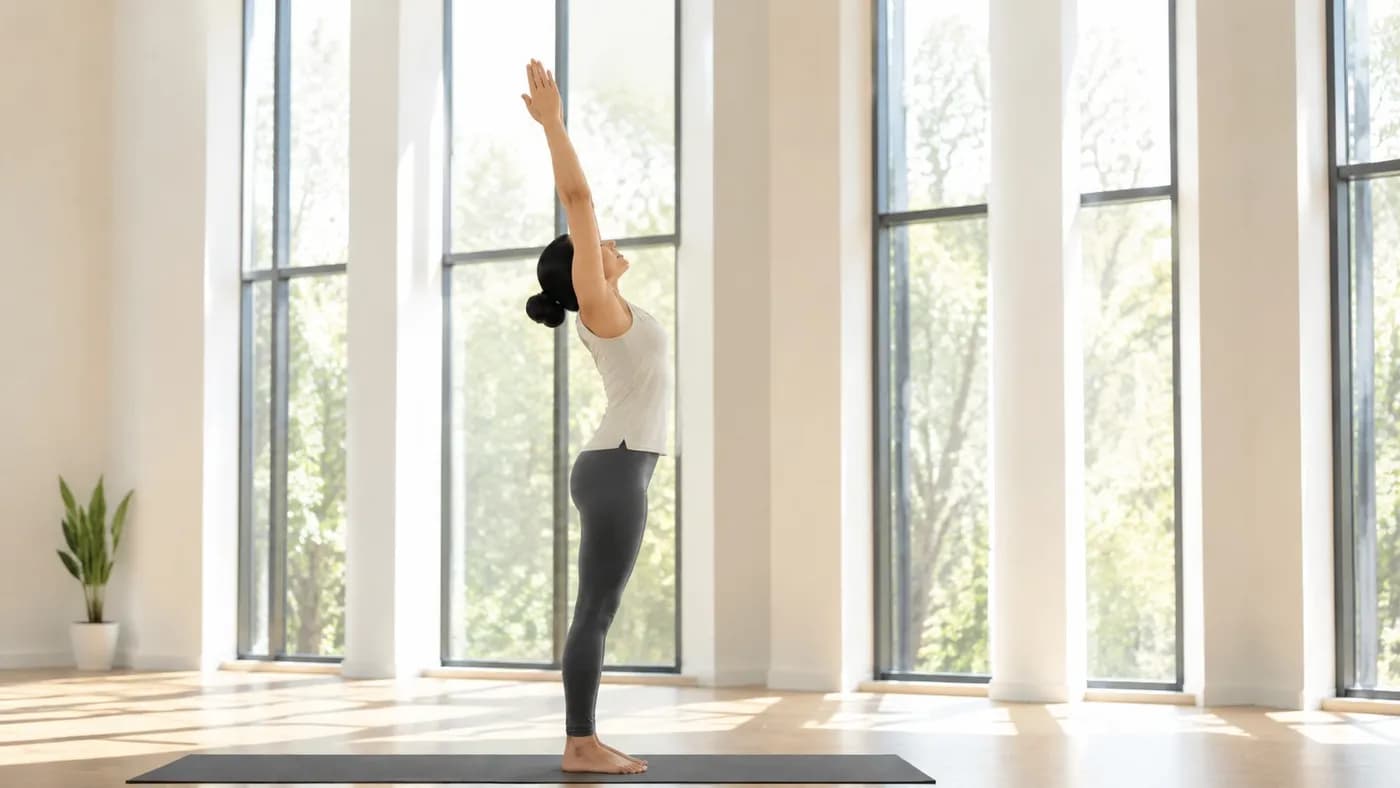
Inhale as you sweep the arms overhead and arch gently backward. This backbend directly stretches the front body and opens the thoracic spine, counteracting the hunching that compresses height. Keep the lower back long — avoid collapsing into the lumbar. Learn more about standalone Hasta Uttanasana for deeper form cues.
Uttanasana (Standing Forward Fold)
Exhale as you hinge forward from the hips, bringing the hands toward the floor. This pose deeply stretches the hamstrings, calves, and the entire posterior spine. With gravity assisting, the spine elongates naturally. Bend the knees slightly if hamstrings are tight — the priority is a long, flat back, not straight legs.
Ashwa Sanchalanasana (Low Lunge / Equestrian Pose)
Step one foot back and lower the back knee toward the floor. This pose targets the hip flexors — the muscles most responsible for anterior pelvic tilt and apparent height loss. Hold for an extra breath and consciously lift the chest and crown upward. Switch sides with each round for balance.
Adho Mukha Svanasana (Downward Facing Dog)
From plank, press the hips high and back, forming an inverted V-shape. This is the single most spine-lengthening position in the entire sequence. The combination of hamstring stretch, shoulder opening, and spinal traction makes it exceptionally valuable for height-supporting practice. Hold for 3–5 breaths when possible.
Bhujangasana (Cobra Pose)
Lower to the floor and press up into a gentle backbend using the back muscles rather than arm pressure. Bhujangasana opens the thoracic spine and chest, counteracts thoracic kyphosis, and stimulates the endocrine glands along the spine. Keep elbows slightly bent to protect the lower back. Inhale as you rise.
Parvatasana (Mountain Pose / Downward Dog repeat)
Return to the inverted V for the second half of the sequence. This second visit allows the hamstrings and calves — now warmer — to release even further, deepening the spinal elongation. Press firmly through all ten fingers and draw the sit bones toward the ceiling.
Common Mistakes to Avoid
- Skipping Warm-Up Jumping straight into surya namaskar on cold muscles — especially the hamstrings and lower back — reduces range of motion and increases injury risk. Spend 3–5 minutes doing gentle ankle rotations, hip circles, and neck rolls before your first round. Warm tissue stretches; cold tissue resists.
- Holding the Breath During Poses Every transition in surya namaskar is linked to either an inhale or an exhale. When you hold your breath, you tighten the diaphragm, compress the thoracic spine, and lose the parasympathetic calming effect that makes the practice so effective. Breathe audibly if needed — it keeps you honest.
- Forcing into Advanced Variations Too Soon Trying to keep legs perfectly straight in forward folds or forcing deep backbends before the body is ready creates strain rather than stretch. A rounded back in Uttanasana or a collapsed lower back in Bhujangasana will compress rather than lengthen the spine — the opposite of the goal. Build depth over weeks, not days.
- Inconsistent Practice This is the single most common reason people do not see results. Two sessions a week will not produce the cumulative spinal decompression and postural reprogramming that daily practice builds. If a full 10-round session is not possible, 4 slow rounds is far better than skipping the day entirely. Consistency over intensity, every time.
Who Should Try Surya Namaskar for Height?
- Beginners Surya namaskar is one of the most accessible yoga sequences because each pose has a beginner-friendly modification. There is no prior flexibility or fitness level required. Starting slowly — 4 rounds with pauses — is completely valid and still delivers full benefits over time.
- Women For women, surya namaskar offers additional benefits beyond height: it supports hormonal balance, relieves lower back tension that worsens posture, and builds the core strength that keeps the spine upright all day. The practice is generally safe during all phases of the menstrual cycle, though intensity should be reduced during the first two days if discomfort arises.
- Older Adults Adults over 40 will not experience growth-plate-based height gain, but they can measurably improve functional height through better spinal alignment and disc health. Practise at a slower pace, use a wall for balance in standing poses if needed, and avoid high-impact transitions. Always consult your doctor if you have a diagnosed spinal condition before starting.
- Working Professionals Desk work is one of the greatest modern contributors to height loss — it compresses the spine and tightens the hip flexors for hours at a time. A 15-minute surya namaskar session before work actively helps reverse the postural effects of a sedentary day. Even 6 rounds at 6:30 am can transform how you stand and feel by 9 am.
Build Flexibility with a Routine That Actually Works
Building height-supporting habits — better posture, spinal decompression, stronger back muscles — is not about one perfect session. It is about showing up every day with guidance that keeps your form correct and your motivation intact.
What You Get with Habuild’s Yoga Everyday Program:
- Daily live guided yoga sessions — including full surya namaskar sequences
- Beginner to progressive difficulty, building safely over time
- No equipment required — practise from your bedroom floor
- Expert instructors who correct form in real time
- A community of thousands of members who keep each other consistent
If you have been searching for the best online yoga classes to build a sustainable morning routine, this is where to start.
Frequently Asked Questions
Related Articles
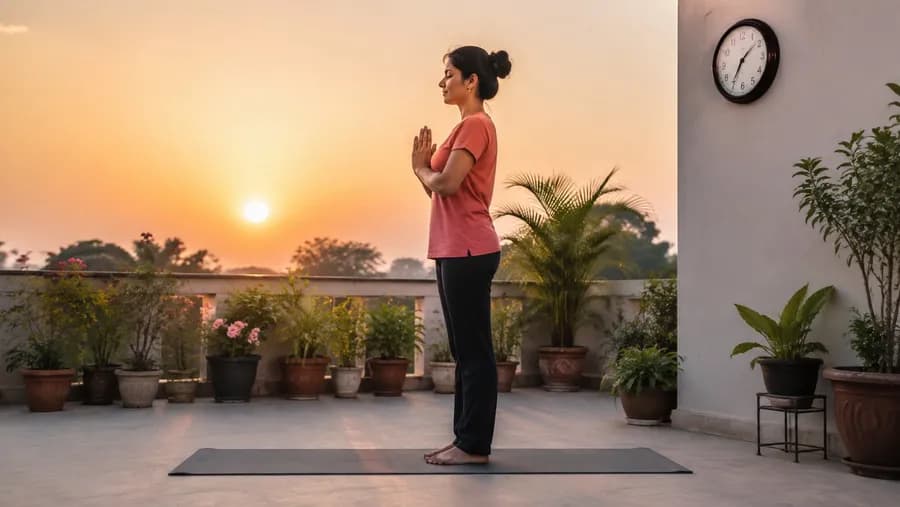
When to Do Surya Namaskar: Best Time, Frequency, and What to Expect
The ideal time is early morning, ideally at sunrise before breakfast, when the body benefits most from the sequence's movement, breath, and natural light alignment. See the full timing and frequency guide.

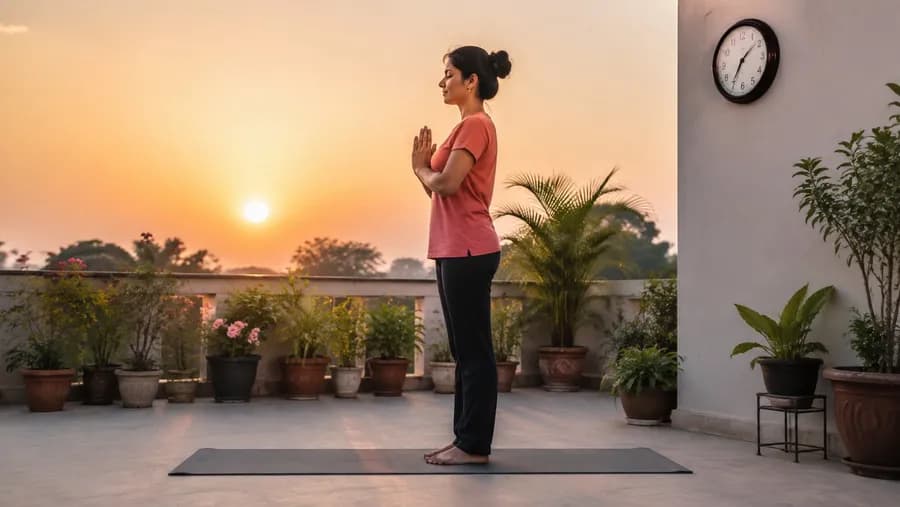
Benefits of Surya Namaskar for Women
This 12-pose sequence builds full-body strength, improves flexibility, and calms the nervous system in just 10 to 15 minutes a day. See why it's suited to women's physiology.

Is Surya Namaskar Good for Weight Loss?
Surya Namaskar raises your heart rate and engages multiple muscle groups, but it works best as part of a structured routine, not a standalone shortcut. See how it supports weight management.