
Hasta Uttanasana (Raised Arms Pose): Steps, Benefits & Precautions
Hasta Uttanasana — the Raised Arms Pose — is the second and eleventh pose in the classical Surya Namaskar (Sun Salutation) sequence and one of the most fundamen
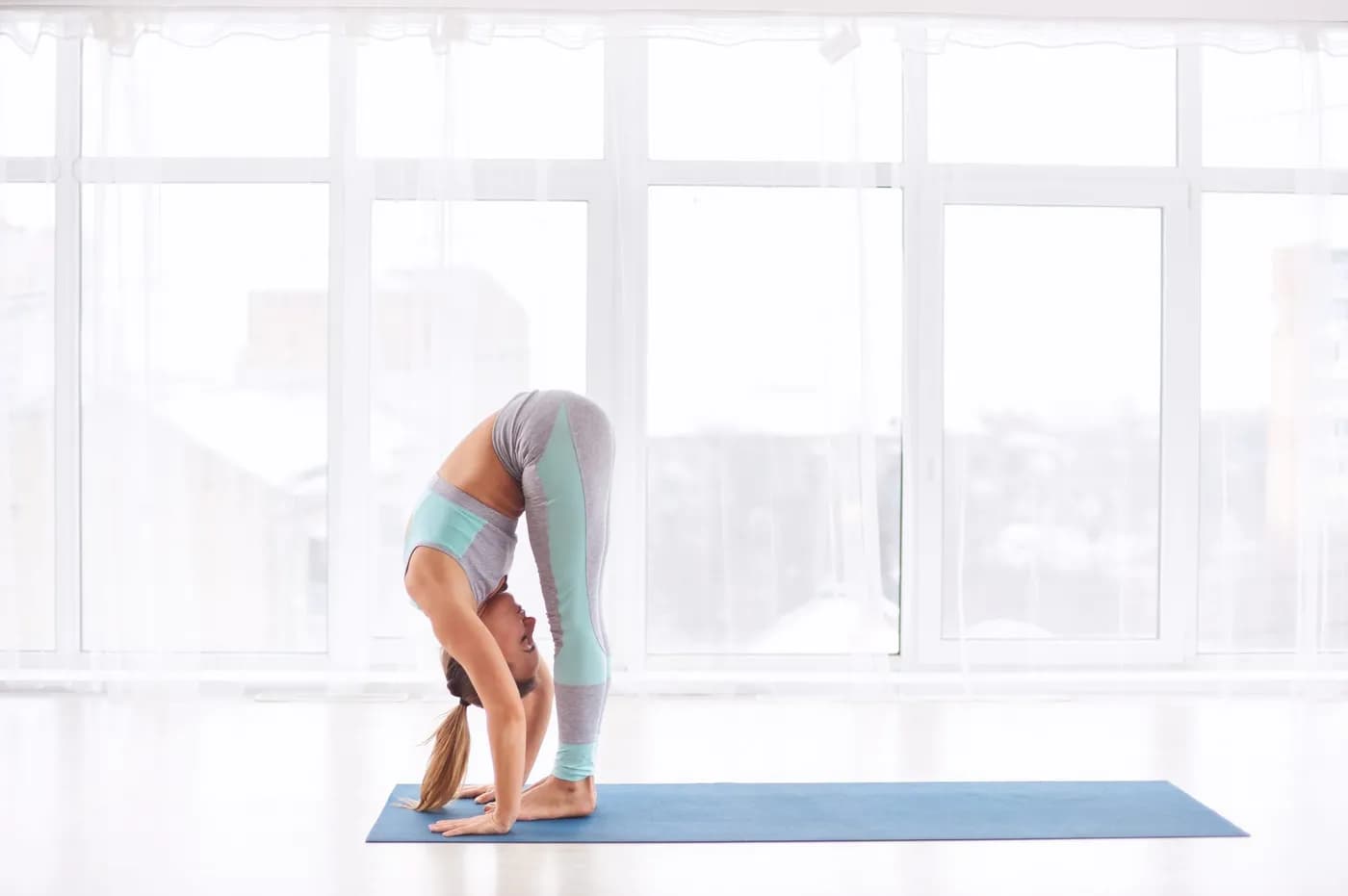
Key Takeaways
- Appears twice in Surya Namaskar, as both the second and eleventh position of the sequence.
- Also called Urdhva Hastasana in some traditions, making it among the world’s most-practised poses.
- The gaze follows the thumbs upward and slightly back as the arms sweep overhead.
- Stretch extends continuously from the fingertips through the torso down to the feet.
- Complements forward-fold digestive compression with an extension-based digestive stimulus instead.
- Signals the symbolic beginning of practice as the sequence’s very first standing posture.
Hasta Uttanasana — the Raised Arms Pose — is the second and eleventh pose in the classical Surya Namaskar (Sun Salutation) sequence and one of the most fundamental standing backbends in yoga. The hasta uttanasana yoga pose opens the chest, stretches the anterior body from fingertips to toes, improves thoracic extension, and sets the energetic tone of upward expansion that characterises the complete Surya Namaskar practice.
What is Hasta Uttanasana?
Hasta Uttanasana — pronounced HAH-stah oo-tah-NAH-sana — translates as Raised Arms Pose (Hasta = hands, Uttana = intense stretch, Asana = pose). It is also called Urdhva Hastasana (Raised Hands Pose) in some traditions, and its placement as the opening movement of Surya Namaskar makes it one of the most practised yoga positions in the world.
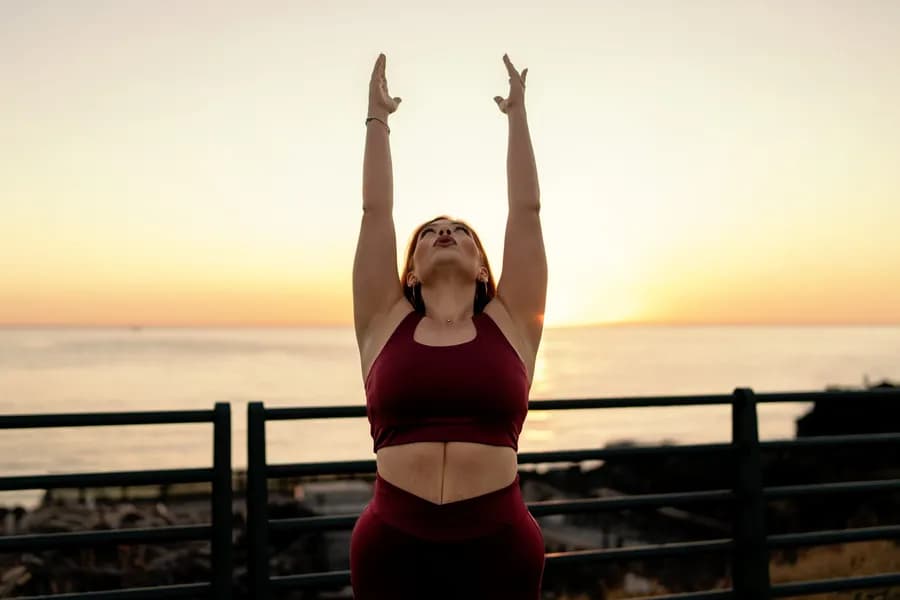
In the hasta uttanasana yoga pose, the practitioner stands in Tadasana and sweeps both arms overhead — palms pressing together or facing each other — creating a gentle thoracic backbend as the arms rise. The gaze follows the thumbs upward and slightly back. The stretch extends from the fingertips through the lateral body, chest, and anterior thighs down to the feet.
At Habuild, Hasta Uttanasana is taught as both a standalone pose and as the second position in the Surya Namaskar sequence that opens every daily session.
Hasta Uttanasana Benefits
Physical Benefits
- Opens the Chest and Improves Thoracic Extension Hasta Uttanasana directly counteracts the forward-rounded chest and thoracic kyphosis of desk posture — the raised arms and gentle back-bend opening the anterior chest, stretching the pectorals, and restoring the thoracic extension that modern sitting progressively eliminates.
- Stretches the Anterior Body from Fingertips to Toes The full hasta uttanasana benefits for the anterior chain include lengthening the lateral torso, stretching the intercostal spaces, opening the abdomen, and creating traction through the entire front body from hands to feet.
- Improves Shoulder Mobility and Overhead Range of Motion The arms reaching overhead in Hasta Uttanasana develops the shoulder flexion range of motion and the scapular upward rotation that healthy shoulder function requires — directly relevant for all overhead yoga poses and daily activities.
- Stimulates the Digestive Organs and Improves Posture The abdominal stretch of the raised-arms backbend stimulates the digestive organs through extension — complementing the compression stimulation of forward folds with an extension-based digestive activation.
Mental and Emotional Benefits
- Cultivates an Upward, Expansive Energy and Positive Outlook The physical gesture of arms raised overhead toward the sky mirrors the mental quality of openness, expansion, and receptivity. Practitioners consistently describe Hasta Uttanasana as a pose that immediately lifts mood and creates a sense of energetic spaciousness.
- Prepares the Mind and Body for Practice As the second position of Surya Namaskar, Hasta Uttanasana signals the beginning of intentional practice — the body opening upward and the mind turning inward together. Its placement in the sequence makes it a daily ritual of preparation and intention.
How to Do Hasta Uttanasana — Step-by-Step Instructions
Key Principles
The backbend is thoracic — not lumbar. The lower ribs do not flare forward. The neck stays long — the gaze follows the hands without cramping the cervical spine. The arms remain shoulder-width if the shoulders are tight — palms can touch overhead only if the shoulders allow it without tension.
Step 1: Stand in Tadasana Stand in Tadasana with feet together, spine tall, arms beside the body. Establish the breath.
Step 2: Inhale and Sweep the Arms Outward and Upward Inhale and sweep both arms out to the sides and upward — the arms tracing a wide arc from the sides to directly overhead.
Step 3: Bring the Palms Together or Parallel Overhead As the arms reach overhead, bring the palms to touch (if the shoulders allow) or keep them parallel, facing each other. Arms are slightly in front of vertical.
Step 4: Gently Arch the Upper Back Allow a gentle arch through the upper back — the sternum lifting upward, the chest opening toward the ceiling. The lower ribs stay in, the lumbar spine does not compress.
Step 5: Gaze Upward Toward the Thumbs Turn the gaze upward — following the thumbs as the arms rise. The neck extends gently, the chin lifting without cramping the cervical spine.
Step 6: Hold and Return Hold for 3–5 breaths or transition into the next Surya Namaskar movement. To return, exhale and sweep the arms back down.
Breathing in Hasta Uttanasana
Inhale to sweep the arms upward — the breath and the movement synchronised so the full inhalation corresponds to the full arm rise. Maintain deep inhalation throughout the hold. Exhale to return or transition. The breath is the primary driver of the pose.
Preparatory Poses Before Hasta Uttanasana
- Tadasana (Mountain Pose, 5 breaths) — Establishes the upright spinal foundation before the arm raise.
- Shoulder rolls and arm swings (10 rounds) — Warms the shoulder joint before the overhead extension.
- Cobra Pose (Bhujangasana, 5 breaths) — Opens the anterior chest before the standing backbend.
- Cat-Cow Flow (10 rounds) — Warms the thoracic spine for the gentle backbend.
Variations of Hasta Uttanasana
- Variation 1: Hasta Uttanasana with Shoulder-Width Arms — Accessible Keep the arms parallel shoulder-width rather than bringing the palms together — this accessible variation removes the shoulder flexibility demand and allows the chest opening to occur without shoulder tension.
- Variation 2: Hasta Uttanasana with Interlaced Fingers — Intermediate Interlace the fingers and turn the palms upward overhead — the reversed grip creating a different shoulder and thoracic stretch quality that opens the lateral body more intensely.
- Variation 3: Hasta Uttanasana as Dynamic Flow — Surya Namaskar Practised as the second and eleventh position of Surya Namaskar, Hasta Uttanasana becomes a dynamic breath-synchronised movement — the inhale and arm rise forming one unified action that generates the heat and energy of the Sun Salutation sequence.
Common Mistakes to Avoid in Hasta Uttanasana
- Arching from the lower back instead of the thoracic spine — The backbend of Hasta Uttanasana comes from the thoracic spine. Lower back arching compresses the lumbar discs and should be avoided.
- Lower ribs flaring forward — The lower ribs stay in and down as the arms rise. Flaring ribs indicates a lumbar rather than thoracic backbend.
- Cramping the back of the neck — The neck extends gently — the chin lifts, the gaze follows the thumbs, but the back of the neck stays long and uncramped.
- Holding the breath during the hold — Hasta Uttanasana is an inhale-based pose — the breath must remain full and expansive throughout. Breath-holding reduces the chest-opening and energetic benefits.
- Bringing the palms together when the shoulders are tight — Forcing the palms together when the shoulders are not open enough creates neck and shoulder tension. Keep the arms shoulder-width until the shoulder flexibility allows a comfortable touch.
Who Should Practise Hasta Uttanasana?
- Those with Rounded Shoulders and Desk Posture
- Hasta Uttanasana is one of the most effective daily correctives for the forward-rounded chest and thoracic kyphosis of desk workers — the raised-arms chest opening directly counteracting the postural collapse of long sitting hours.
- Everyone Practising Surya Namaskar
- As the second position of the Sun Salutation, Hasta Uttanasana is practised by every yoga practitioner performing Surya Namaskar — making correct technique in this foundational pose essential for the entire sequence’s integrity.
- Is Hasta Uttanasana Good for Beginners? Yes — Hasta Uttanasana is one of yoga’s most accessible poses and is typically the second movement taught to all beginners. The shoulder-width arm variation removes any flexibility demand. Habuild’s live instructors teach correct thoracic backbend mechanics and breath synchronisation from the very first session.
Make Hasta Uttanasana a Part of Your Practice
Hasta Uttanasana is the yoga tradition’s simplest and most universally practised chest-opening pose — the raised-arms gesture of upward expansion that opens the session, warms the anterior body, and sets the energetic tone of practice.
Whether practised as a standalone pose or as the second movement of Surya Namaskar, consistent daily practice produces measurable improvement in shoulder mobility, thoracic extension, and the postural uprightness of the chest.
Habuild’s daily sessions begin with Surya Namaskar including Hasta Uttanasana — live corrections ensure correct thoracic mechanics from day one. Your first 7 days start at just 14-day free trial.
Start your 14 day free yoga journey with Habuild, today!
Hasta Uttanasana looks simple, which is exactly why it’s easy to rush through — but the shoulder mobility and spinal extension it offers really only accumulate when it’s practiced daily as part of a full sequence like Surya Namaskar, not in isolation. Habuild’s Yoga Everyday program keeps foundational poses like this one embedded in a daily flow, so the benefits actually stack up over time.
Frequently Asked Questions
Related Articles
Surya Namaskara: Steps Benefits and Daily Practice Guide
Explore Surya Namaskara with Habuild. Discover the powerful benefits of Surya Namaskara to boost energy, improve flexibility, and transform your health today!
Hasta Uttanasana (Raised Arms Pose): Steps, Benefits & Precautions
This foundational standing pose lengthens the spine, opens the chest, and expands the breath — it appears as the second and eleventh position of Surya.
Utthita Hasta Padangusthasana (Extended Hand-to-Big-Toe Pose): Steps, Benefits & Precautions
Standing on one leg while holding the raised foot’s big toe builds single-leg strength, opens the hamstrings and hips, and sharpens present-moment focus.