
What is Hatha Yoga: Practice, Benefits & Complete Beginner Guide
Hatha means the union of solar and lunar energy, sun and moon, achieved through the systematic practice of asanas, pranayama, and purification.

Key Takeaways
- Hatha splits into ‘Ha’ for sun energy and ‘Tha’ for moon energy in classical Sanskrit.
- Defined in the 15th-century Hatha Yoga Pradipika as asana, pranayama, mudra, bandha, and Shatkarma.
- Names Neti, Dhauti, Basti, Nauli, Trataka, and Kapalbhati as its six purification practices.
- Classical Hatha poses are held for 5-10+ breaths with precise, deliberate alignment.
- Lists six classical pranayama practices including Suryabhedan and Bhastrika bellows breath.
- Distinguishes modern ‘Hatha class’ as moderate-paced, unlike vigorous Ashtanga sessions.
Hatha yoga is the classical system of physical yoga — the comprehensive practice of asanas, pranayama, and purification techniques described in texts including the Hatha Yoga Pradipika (15th century CE) that forms the foundation of every contemporary yoga style.
What is Hatha Yoga?
The word ‘Hatha’ has two parts in Sanskrit: ‘Ha’ meaning sun (solar energy, the Pingala nadi) and ‘Tha’ meaning moon (lunar energy, the Ida nadi). Hatha yoga is therefore the union of these two opposing energies — the balance of solar and lunar, active and receptive, masculine and feminine — achieved through systematic physical practice.
Hatha yoga is defined in the Hatha Yoga Pradipika as the practice of asanas, pranayama, mudras, bandhas (energy locks), and the six purification practices (Shatkarma). This classical system was designed to prepare the physical body for higher spiritual practices — the asanas creating the stable, comfortable posture for extended meditation; the pranayama purifying the energy channels (nadis) for Kundalini awakening; and the cleansing practices removing physical obstacles to practice.
In contemporary usage, ‘Hatha yoga class’ typically refers to any physically-oriented yoga class at a moderate pace — distinguishing it from vigorous ashtanga yoga while being broader than any specific modern style. Habuild’s daily sessions are rooted in this comprehensive Hatha yoga approach.
What is Hatha Yoga: Components
Asana — Physical Postures
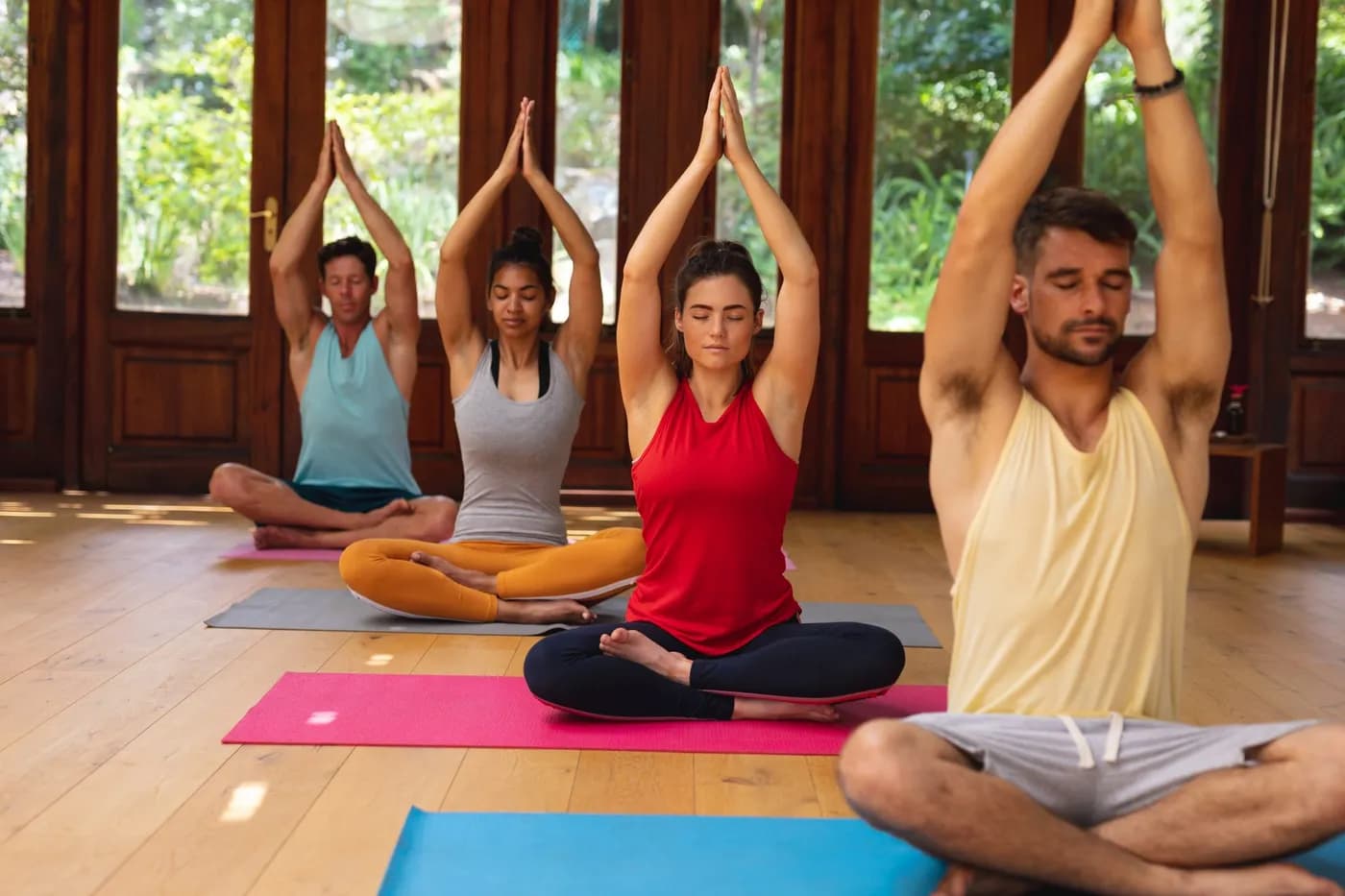
Hatha yoga asanas are held for extended periods (5–10+ breaths) with precise alignment — each pose systematically developing specific physical qualities and subtle energy effects. The classical Hatha asana repertoire includes all major categories: standing, seated, inverted, twisting, and restorative.
Pranayama — Breath Regulation
Hatha yoga pranayama includes the classical breathing practices: Nadi Shodhana (alternate nostril), Kapalbhati (metabolic activation), Bhastrika (bellows breath), Bhramari (humming bee), Ujjayi (ocean breath), and Suryabhedan Pranayama (sun-piercing) — each with specific physiological effects.
Mudras and Bandhas
Mudras (energy seals — hand, eye, and body positions) and Bandhas (energy locks — Mula, Uddiyana, and Jalandhara) are the energetic practices of Hatha yoga that direct and amplify the energy activated by asana and pranayama.
Shatkarma — Six Purification Practices
The Shatkarma (six cleansing practices) of Hatha yoga — Neti, Dhauti, Basti, Nauli, Trataka, and Kapalbhati — physically purify the nasal passages, digestive tract, eyes, and abdominal region, removing the physical obstructions that impede energy flow.
What is Hatha Yoga: Top Benefits
Physical Benefits
Comprehensive Physical Development
Hatha yoga provides the most comprehensive physical development available in a single practice system — strength, flexibility, balance, cardiovascular health, and respiratory function — directly producing the yoga for health benefits that research consistently demonstrates.
Mental Benefits
Prepares the Body-Mind for Meditation
The classical purpose of Hatha yoga asanas is to prepare the body-mind for meditation — removing the restlessness, discomfort, and energetic imbalance that prevent sustained stillness. A mature Hatha yoga practice produces natural meditative absorption.
Senior Citizens (50+)
Hatha yoga’s adaptable pace and comprehensive benefits make it ideal for seniors — every asana has gentle modifications, and the classical system’s emphasis on pranayama and relaxation is particularly beneficial for older practitioners. Consult your doctor before beginning.
Frequently Asked Questions
Related Articles
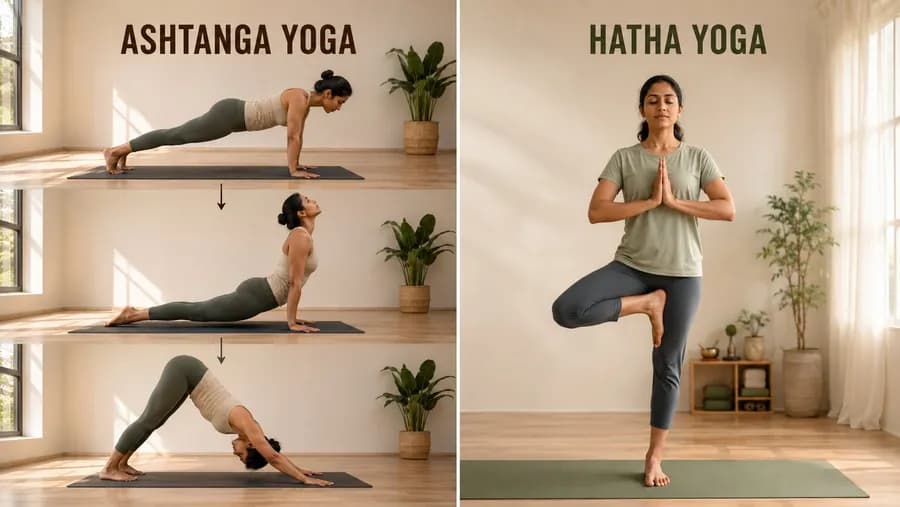
Difference Between Hatha Yoga and Ashtanga Yoga
Explore the key difference between Hatha Yoga and Ashtanga Yoga — pace, structure, and who each style suits best. Start your free trial today.

What Is Iyengar Yoga? A Complete Guide to This Precision-Based Practice
Developed by B.K.S. Iyengar, this style emphasises precise body alignment, extended holding times, and the use of props — making it accessible for.
Hatha Yoga Kya Hai | फायदे, आसन और शुरुआत कैसे करें
Hatha yoga kya hai? जानें इसके फायदे, मुख्य आसन और घर से शुरुआत कैसे करें। Habuild के साथ सिर्फ ₹1 में शुरू करें।