
What Is Kundalini Energy? A Complete Guide to Awakening, Symptoms & Practice
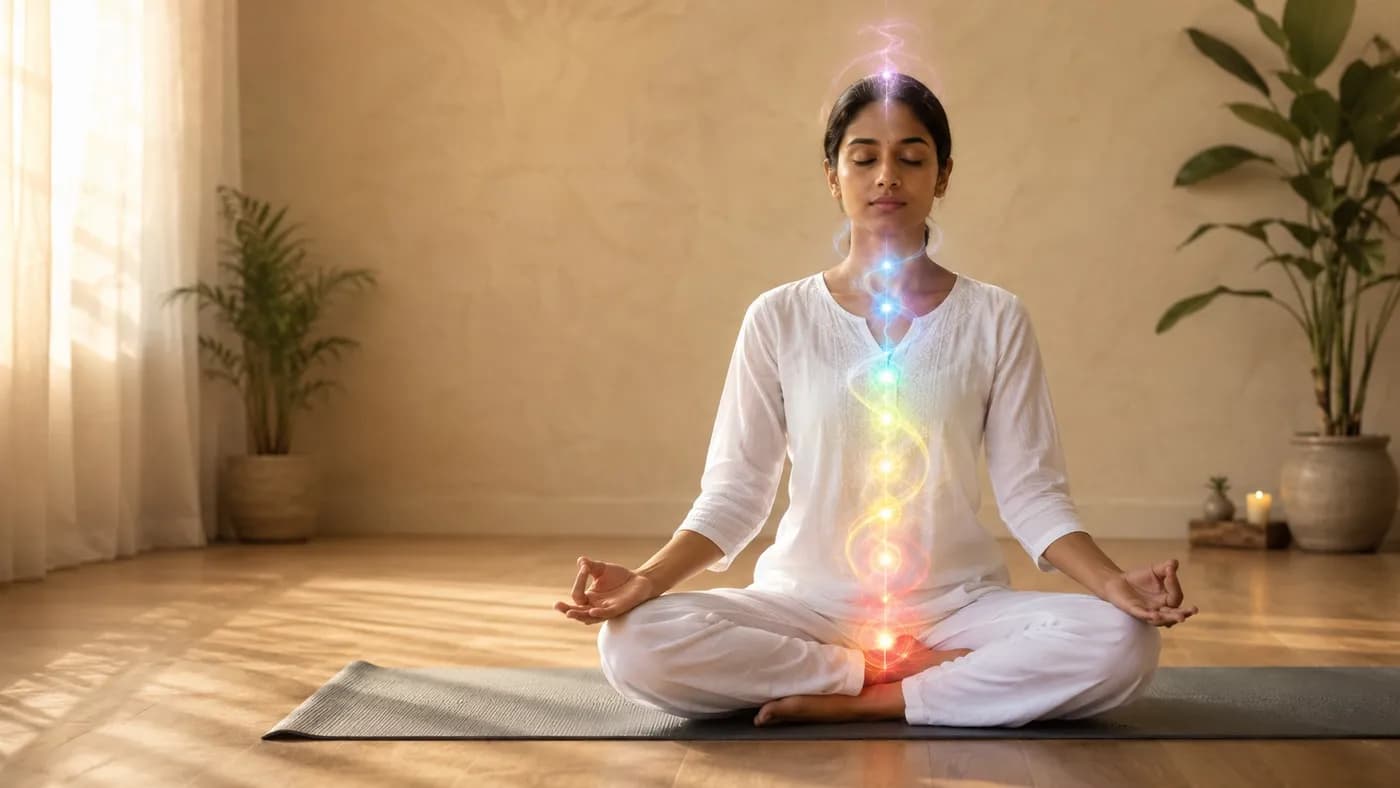
Kundalini is a dormant reservoir of primal life force described as coiled at the base of the spine — consistent, structured yoga practice is the safest.
Key Takeaways
- Described in yogic tradition as a dormant life force coiled at the base of the spine.
- Rising kundalini energy can bring shifts in awareness, sensation, and overall wellbeing.
- Structured practice supports slow, healthy release of stored tension from stress or grief.
- Poses that lengthen and open the spine are central, since kundalini travels along it.
- Grounding postures and breathwork may ease the restlessness of early kundalini experiences.
- People exploring kundalini tend to develop stronger, more consistent morning habits.
Kundalini energy is a dormant reservoir of primal life force described in yogic tradition as coiled at the base of the spine. When this energy begins to rise through the body’s energy channels, it can bring profound shifts in awareness, sensation, and wellbeing — and consistent, structured yoga practice is the safest way to explore it.
Whether you’ve encountered the term in a yoga class or felt something unexplainable during meditation, this guide explains what kundalini energy actually is, what awakening can feel like, and how a daily practice helps you move through it safely.
10 Key Benefits of Working with Kundalini Energy
- Heightened Self-Awareness As kundalini energy begins to move, many practitioners report a sharper sense of who they are and what they truly need. Emotional patterns that once operated on autopilot start becoming visible, making it easier to respond rather than react.
- Deeper Emotional Release Stored tension — whether from stress, grief, or long-held habits — may gradually surface during practice. Working with kundalini through yoga and breathwork can support a slow, healthy release of these layers over time.
- Improved Mind-Body Connection Regular kundalini-aware practice sharpens the link between physical sensation and mental state. Practitioners often notice they become more attuned to subtle signals the body sends before stress or fatigue builds up.
- Greater Energy and Vitality Many people who practise consistently describe a gradual improvement in their baseline energy levels — not a sudden spike, but a steadier sense of aliveness through the day. This is often what draws beginners toward exploring Kundalini Yoga more deeply.
- Reduced Anxiety Over Time Structured breathwork and grounding postures, used regularly, may help ease the restlessness that sometimes accompanies early kundalini experiences. Consistency matters far more than intensity here.
- Enhanced Creativity and Focus A number of practitioners report that as inner “noise” settles, creative thinking and concentration improve — not because kundalini is a magic solution, but because the practice cultivates the mental quietness that supports both.
- Stronger Spiritual Foundation Working with kundalini gradually builds a felt sense of connection to something beyond daily concerns. This doesn’t require any specific belief system — it’s more about a growing comfort with stillness and inner depth.
- Better Sleep Quality A calmer nervous system, developed through consistent practice, often translates into more restful sleep. Many practitioners notice this is one of the earliest and most welcome changes.
- Improved Posture and Spinal Awareness Since kundalini is described as travelling along the spinal column, poses that lengthen and open the spine become central to practice. Over time, this naturally supports better posture and reduced spinal tension.
- A More Consistent Daily Routine People exploring kundalini tend to develop stronger morning habits. A daily practice anchors the rest of the day — which is why joining a structured programme rather than practising randomly makes all the difference.
How to Get Started with Kundalini Yoga Practice
What You Need to Begin
You need very little to start — a yoga mat, comfortable clothing, and a quiet corner of your home are enough. No equipment, candles, or special gear is required. What matters far more is showing up regularly, even for short sessions.
Setting Realistic Goals
Start with 15–20 minutes daily. Kundalini practice is not about dramatic peak experiences — it’s about building a relationship with your own body and breath over weeks and months. Expecting quick, visible results often leads to frustration; expecting gradual, cumulative change tends to keep people practising.
Start with the Basics
Before exploring advanced kriyas or breathwork, spend time with foundational postures and simple pranayama. Learning how your body responds to breath and movement gives you a stable reference point as your practice deepens. For a broader grounding in foundational poses, yoga asanas is a helpful starting point.
Best Yoga Poses for Kundalini Energy
Tadasana (Mountain Pose)
Standing tall with feet together and spine elongated, Tadasana teaches the body what uprightness feels like. It’s a grounding posture that helps you feel rooted before working with rising energy. Inhale to lengthen, exhale to settle.
Adho Mukha Svanasana (Downward-Facing Dog)
This full-body inversion gently decompresses the spine, opens the back of the legs, and encourages energy to flow upward from the base. Hold for five steady breaths, letting the spine lengthen with each exhale.
Bhujangasana (Cobra Pose)
Lying face-down, press the palms beside the chest and lift the upper body on an inhale. Bhujangasana opens the chest and front of the spine — areas central to kundalini pathways — while gently strengthening the back muscles.
Balasana (Child’s Pose)
After more activating postures, Balasana offers the nervous system a chance to integrate. Kneeling with the torso folded forward and arms extended or resting by the sides, this pose encourages a turning inward that is essential in kundalini practice.
Virabhadrasana I (Warrior I Pose)
With one foot forward and arms raised overhead, Warrior I builds the stability and courage that kundalini work calls for. It grounds the lower body while opening the chest and heart upward. Breathe evenly and hold each side for equal time.
Paschimottanasana (Seated Forward Bend)
Seated with legs extended, folding forward with a long spine draws awareness inward and gently stimulates the spinal channels. This pose also supports the nervous system’s shift toward calm — important when kundalini experiences feel intense.
Sarvangasana (Shoulder Stand)
This supported inversion reverses the flow of gravity and is traditionally considered one of the most beneficial poses for overall pranic circulation. Practise with care, using a folded blanket under the shoulders for support. Explore Sarvangasana benefits before incorporating it into your routine.
Common Mistakes to Avoid When Working with Kundalini Energy
- Skipping Warm-Up Jumping into intense kriyas or breathwork without warming the body first is one of the most common missteps. The nervous system needs to be gently prepared before you ask it to handle deeper energy work. Spend at least five to ten minutes in gentle movement first.
- Holding the Breath During Poses The breath is the vehicle through which kundalini practice operates. Holding the breath — usually a sign of straining — disrupts the very flow you’re trying to cultivate. If you notice breath-holding, back off the pose and return to smooth, even breathing.
- Forcing Advanced Practices Too Soon Kundalini traditions include powerful techniques — rapid breathwork, extended holds, intense visualisations — intended for practitioners with a solid foundation. Rushing toward these without adequate preparation can lead to unsettled energy, heightened anxiety, or physical strain. Progress steadily.
- Inconsistent Practice Sporadic sessions — intense one week, absent the next — do not allow the body and nervous system to adapt and integrate. A shorter daily practice is consistently more effective than occasional long sessions. Structure and accountability make the real difference here.
Who Should Try Kundalini Yoga Practice?
- Beginners Kundalini yoga welcomes complete newcomers. Many entry-level kriyas are seated, slow, and breath-focused — accessible to people with no previous yoga experience. The key is having guidance so you practise correctly from the start.
- Women Kundalini practices have long been associated with supporting hormonal balance and easing stress-related irregularities. Women wanting a practice that addresses emotional depth alongside physical fitness often find kundalini-informed yoga particularly resonant.
- Older Adults Many kundalini sequences can be adapted for reduced mobility. The emphasis on breath, seated postures, and meditation makes this style approachable for older practitioners. As always, consult a medical professional before beginning any new physical practice if you have existing health conditions.
- Working Professionals For people carrying chronic stress — deadline pressure, long hours, disrupted sleep — kundalini yoga offers tools that address the root of mental fatigue rather than just its surface symptoms. Even 20 minutes of structured breathwork in the morning can shift the tone of an entire workday.
Build Flexibility with a Routine That Actually Works
Understanding kundalini energy intellectually is one thing — working with it through a consistent daily practice is another entirely. The gap between reading about it and actually feeling its effects comes down to structure, guidance, and showing up every day.
With Habuild’s Yoga Everyday programme, you get exactly that: daily live guided sessions that take you from foundational postures through breath-based energy practices, with expert instruction to keep your form safe and your progress real. If you’re ready to explore online yoga classes that go beyond generic routines, this is where to start.
- Daily live guided yoga sessions
- Beginner to advanced progression
- No equipment required — fully home-friendly
- Expert guidance on breath, alignment, and energy practices
- Community support to help you stay consistent
Start Your Yoga Journey
Ready to experience what consistent practice actually feels like? Enrol in a Habuild yoga class and start today.
Frequently Asked Questions
Related Articles
What is Kundalini Yoga? Meaning, Benefits and How to Begin Safely
Kundalini means coiled snake in Sanskrit, referring to the dormant spiritual energy said to lie at the base of the spine and rise through the chakras when.


Energy Kaise Badhaye | Thakaan Kam Karo, Energy Badhao
Energy kaise badhaye? Jaanein yoga aur daily habits ke through thakaan door karne aur apni energy boost karne ke aasan tarike. 14-day free trial mein.
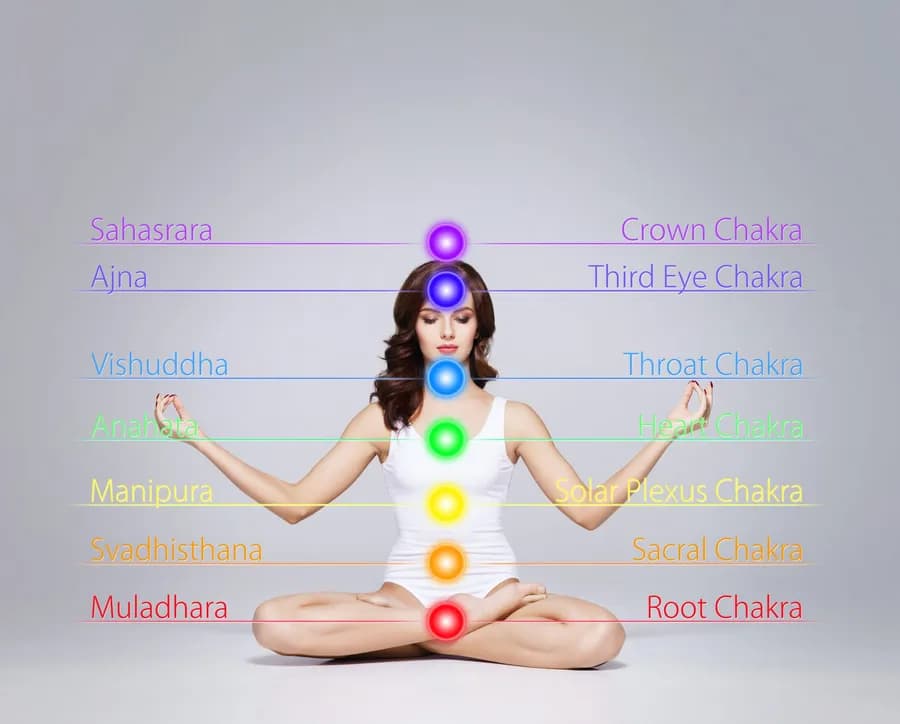
10 Benefits of Kundalini Yoga
Discover the top benefits of kundalini yoga — from hormonal balance to stress relief. Start your 7-day trial with a 14-day free trial with Habuild’s Yoga.