
10 Benefits of Kundalini Yoga
Discover the top benefits of kundalini yoga — from hormonal balance to stress relief. Start your 7-day trial with a 14-day free trial with Habuild’s Yoga.
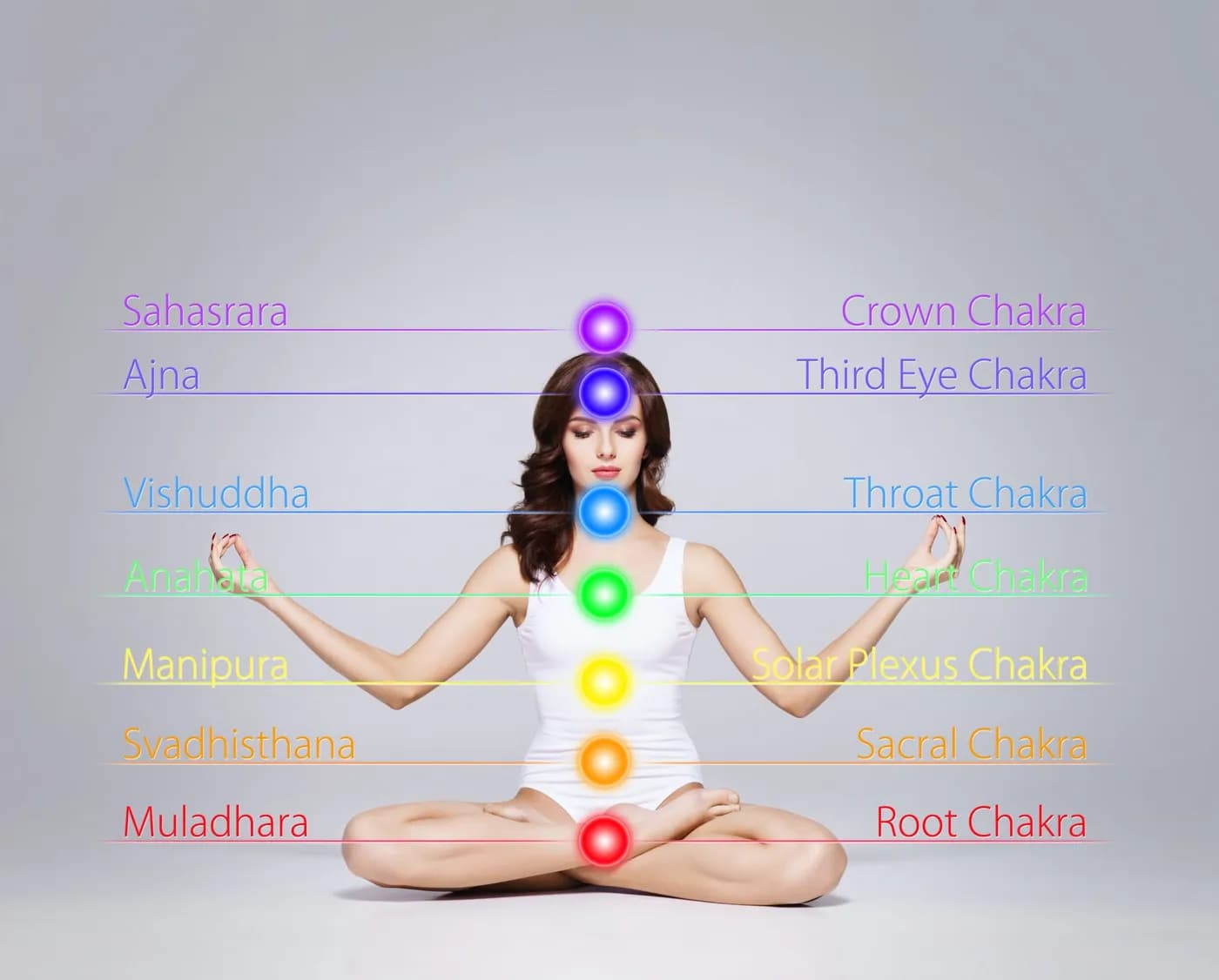
Key Takeaways
- Kriyas stimulate the thyroid, adrenals, and reproductive organs through movement and mudras.
- Alternate nostril breathing and long, slow exhalations activate the parasympathetic system.
- Addresses root causes like cortisol dysregulation and poor sleep, not just calorie burn.
- Trataka and mantra repetition train the prefrontal cortex to sustain focus.
- Evening practices like yoga nidra and shabad kriya are widely reported to ease sleep difficulty.
- Repeated spinal flexes and twists progressively build core endurance and vertebral mobility.
The benefits of kundalini yoga go well beyond flexibility or physical fitness. This practice works on the nervous system, the endocrine glands, and the mind — building a depth of awareness that most other movement practices don’t reach. Whether you are a complete beginner or returning to regular practice, kundalini yoga offers a structured path toward lasting change in how you feel every day.
This guide covers what kundalini yoga does for your body and mind, how to get started, the best kriyas and poses to practise, and who stands to benefit the most. You can also explore the health benefits of yoga more broadly to understand where kundalini sits within the wider practice.
10 Benefits of Kundalini Yoga
- Supports Hormonal Balance Kundalini kriyas directly stimulate the endocrine glands — the thyroid, adrenals, and reproductive organs — through spinal movements, breath retention, and specific mudras. Regular practice may gradually support more stable hormonal balance, which in turn affects energy, mood, and sleep quality.
- Reduces Stress and Anxiety The breath-based techniques in kundalini yoga — particularly alternate nostril breathing and long, slow exhalations — activate the parasympathetic nervous system. Over time, this builds a noticeable capacity to manage daily stress more calmly. Practitioners often report feeling less reactive within the first few weeks of consistent practice.
- Strengthens the Nervous System Many kundalini kriyas are specifically designed to fortify the nervous system through sustained postures and conscious breathwork. A more resilient nervous system translates into better emotional regulation, sharper focus, and improved recovery from mental fatigue.
- Supports Weight Management Kundalini yoga for weight management works differently from high-intensity exercise. It addresses the root causes — cortisol dysregulation, sluggish digestion, poor sleep — rather than just burning calories. Kriyas involving core activation and breath of fire may gradually support a healthier metabolism when practised consistently.
- Enhances Mental Clarity and Concentration The meditative component of kundalini yoga — including trataka and mantra repetition — trains the prefrontal cortex to sustain focus. Many practitioners notice improved concentration at work and a reduction in mental chatter after just a few weeks of regular sessions.
- Improves Sleep Quality The calming effect of evening kundalini practice — particularly yoga nidra and shabad kriya — has been widely reported to help practitioners fall asleep more easily and wake up more rested. If disrupted sleep is a pattern for you, consistent practice may gradually ease it over time.
- Builds Core Strength and Spinal Flexibility Kundalini sequences involve repeated spinal movements — cat-cow variations, spinal flexes, and twists — that progressively build core endurance and improve the mobility of the vertebral column. This supports better posture and may ease chronic discomfort in the lower back.
- Supports Digestive Health Kriyas that incorporate stomach locks (uddiyana bandha) and seated twists directly stimulate the digestive organs. Practised regularly, these movements may support healthier digestion and reduce common issues like bloating and sluggishness after meals.
- Elevates Mood and Emotional Resilience Kundalini yoga is distinctive in how quickly it shifts emotional states. The combination of movement, breath, mantra, and relaxation creates a rapid shift in neurochemistry — many practitioners describe a noticeable lift in mood even after a single session. Over months, this builds a more stable emotional baseline.
- Cultivates Consistent Mind-Body Awareness Unlike many fitness practices, kundalini yoga trains you to notice subtle signals from your body — tension, fatigue, emotional holding patterns. This awareness becomes the foundation for better daily decisions around rest, nutrition, and stress management.
How to Get Started with Kundalini Yoga
What You Need to Begin
Kundalini yoga requires very little to get started. A yoga mat, comfortable loose-fitting clothing, and a quiet corner of a room are sufficient. Most kriyas are practised seated or lying down, so no special equipment is needed. A light shawl or blanket for relaxation at the end of a session is a useful addition.
Setting Realistic Goals
Start with 15–20 minutes daily rather than aiming for hour-long sessions from the beginning. The consistency of daily practice matters far more than the duration. A focused 20-minute kriya practised every morning will build more tangible results over three months than a 90-minute session once a week.
Set a simple, observable goal for your first 40 days — a traditional period in kundalini practice. Something like “I will practise the morning sadhana for 20 minutes before checking my phone” is far more useful than a vague intention to “get fitter.”
Start with the Basics
Begin with foundational kriyas: spinal flex in easy pose, breath of fire (kapalabhati-style rapid breathing), and a basic ego eradicator. Each of these teaches the core principles — spinal engagement, breath coordination, and internal focus — that underpin all more advanced kundalini work. You can explore these foundations further through yoga for beginners resources that complement a structured program.
Best Poses for Kundalini Yoga
Sukhasana (Easy Pose) with Spinal Flex
Sit cross-legged, place hands on knees, and alternate between arching and rounding the spine in rhythm with the breath. Inhale as you arch forward, exhale as you round back. This foundational movement warms the spine, stimulates the lower chakras, and prepares the body for deeper practice. Practise for 1–3 minutes.
Ustrasana (Camel Pose)
Kneel with hips over knees and slowly arch back, reaching for the heels if accessible. Ustrasana opens the chest and throat, stimulates the thyroid and heart centre, and counteracts the forward-folded posture that desk work creates. Hold for 30–60 seconds with steady breathing.
Sat Kriya (Seated Pelvic Pumps)
Sit on the heels in Vajrasana, raise arms overhead with fingers interlaced and index fingers pointing up, and chant “Sat” (navel pumps in) and “Nam” (navel releases). This kriya energises the lower chakras, supports reproductive health, and builds core heat. Begin with 3 minutes and gradually extend.
Ego Eradicator (Breath of Fire with Arms at 60°)
Sit in easy pose, raise both arms to 60 degrees with thumbs pointing up and fingers curled in. Practise breath of fire — rapid equal inhales and exhales through the nose — for 1–3 minutes. This posture opens the lungs, strengthens the nervous system, and creates a pronounced shift in mental alertness.
Supta Matsyendrasana (Supine Spinal Twist)
Lying on your back, draw one knee to the chest and guide it across the body while the opposite arm extends out. Supta Matsyendrasana releases spinal tension accumulated from kriyas, massages the abdominal organs, and supports deeper relaxation. Hold each side for 1–2 minutes with slow, natural breathing.
Shavasana with Yoga Nidra
Every kundalini session closes with deep relaxation in Shavasana — typically 5–11 minutes. During this time, the body integrates the energy activated during the kriya. Skipping this final relaxation significantly reduces the benefit of the session; it is not optional, but essential.
Breath of Fire (Kapalabhati Variation)
Practised seated, this rapid diaphragmatic breathing technique generates internal heat, clears the respiratory tract, and stimulates the solar plexus. It is among the most researched pranayama techniques for supporting metabolic function and alertness. Begin with 1 minute and build to 3 minutes over several weeks.
Common Mistakes to Avoid
- Skipping the Warm-Up Jumping directly into intense kriyas without warming the spine first can cause strain, particularly in the lower back and sacrum. Spend at least 5 minutes on gentle spinal flexes and cat-cow movements before any sustained or vigorous practice.
- Holding the Breath During Poses Many beginners unconsciously hold their breath when a posture becomes challenging. In kundalini yoga, the breath is the engine — not an afterthought. If you cannot maintain the prescribed breath pattern, reduce the intensity or duration of the posture rather than abandoning the breath.
- Forcing into Advanced Kriyas Too Soon Advanced kundalini kriyas — particularly those involving breath retention, root locks, and prolonged arm holds — build on a foundation of simpler practices. Progressing too fast often leads to dizziness, overstimulation, or discouragement. A structured program with progressive loading is far safer and more effective.
- Inconsistent Practice Kundalini yoga is one of the few practices where the tradition itself prescribes specific cycles — 40, 90, 120, or 1,000 days for different kriyas. The rationale is neurological: meaningful change in the nervous system requires sustained repetition. Even 15 minutes daily is more effective than 2 hours once a week.
Who Should Try Kundalini Yoga?
- Beginners Kundalini yoga is more accessible to beginners than many assume. Because most kriyas are performed seated or lying down, there are no complex balancing poses or extreme flexibility requirements at the entry level. The emphasis on breath and awareness makes it ideal for those who find purely physical yoga classes intimidating.
- Women The hormonal and nervous-system benefits of kundalini practice are particularly relevant for women managing conditions like PCOS, irregular cycles, perimenopause, or chronic stress. Specific kriyas target the reproductive and endocrine systems in ways that general yoga classes typically do not.
- Older Adults Because kundalini yoga places less demand on joint mobility than vinyasa or power yoga, it suits older adults well. The emphasis on breath, seated postures, and awareness means that practitioners in their 50s, 60s, and beyond can engage fully without risk of overloading the knees or hips. As always, consult your doctor before starting any new movement practice if you have existing joint or cardiovascular conditions.
- Working Professionals The combination of spinal decompression, breath regulation, and structured relaxation makes kundalini yoga a practical antidote to the physical and mental toll of desk work. A consistent morning practice of 20–30 minutes — kriyas followed by meditation — has been reported by practitioners to noticeably reduce reactivity, sharpen decision-making, and improve sustained attention across the working day.
Build Flexibility with a Routine That Actually Works
Understanding the benefits of kundalini yoga is one thing — building the habit is another. Most people who try yoga on their own hit the same wall: motivation fades, form suffers, and progress stalls. What actually works is structure, live guidance, and a community that keeps you showing up on the days you don’t feel like it.
Habuild’s Yoga Everyday program gives you exactly that — not a library of videos to get lost in, but a daily live-guided session with real instructors who correct your form and keep the practice progressing from beginner to advanced over time.
- Daily live guided yoga sessions — kundalini, hatha, and beyond
- Progressive structure from beginner foundations to advanced kriyas
- No equipment required — practise anywhere at home
- Expert instructors focused on correct form and breath
- Community accountability to build a lasting daily habit
If you have been searching for the best way to experience the full benefits of kundalini yoga — not just read about them — the lowest-commitment way to find out is to try a structured daily program. Explore best online yoga classes and see why thousands of Habuild members have made their daily practice stick.
Frequently Asked Questions
Related Articles
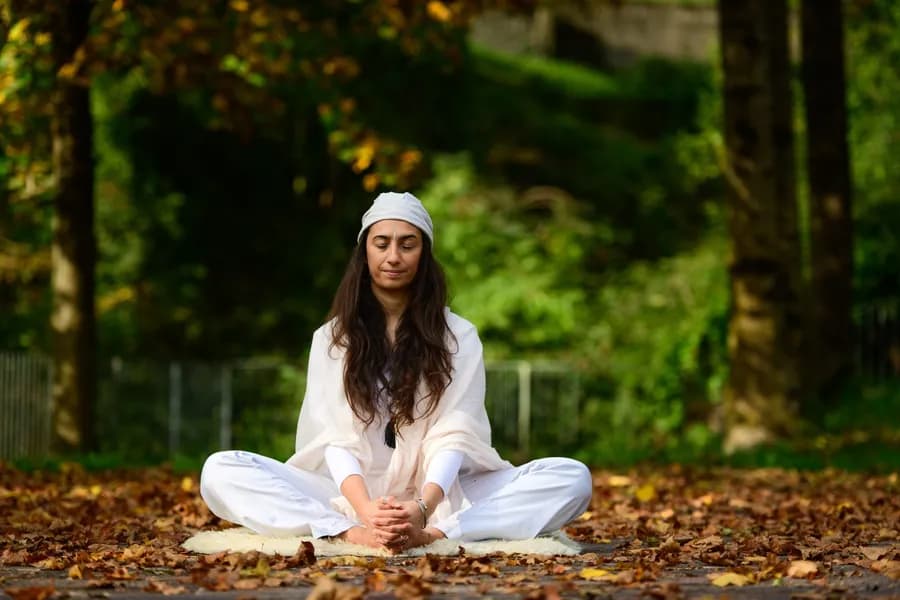
What is Kundalini Yoga? Meaning, Benefits and How to Begin Safely
Kundalini means coiled snake in Sanskrit, referring to the dormant spiritual energy said to lie at the base of the spine and rise through the chakras when.

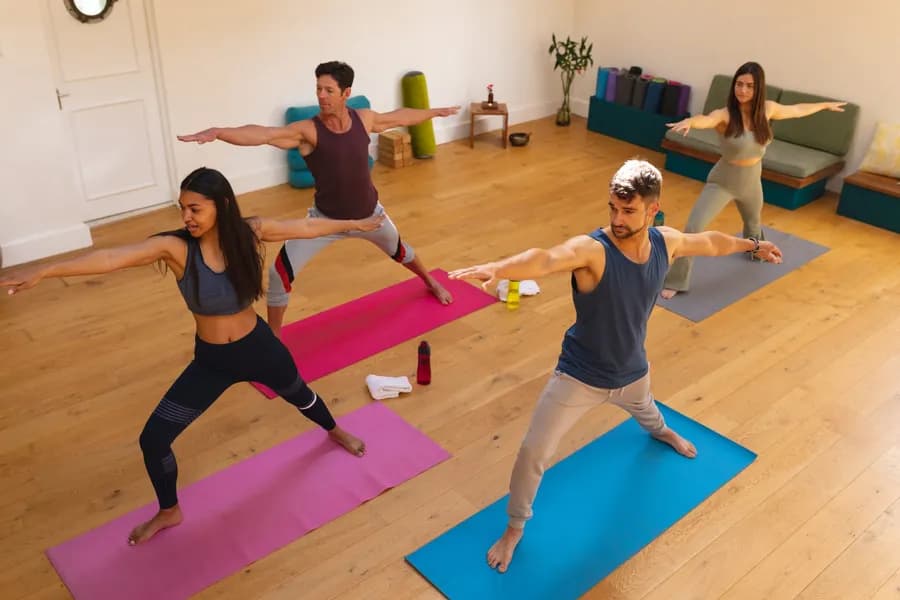
Yoga Sequence for Beginners: Poses, Tips & Daily Routine
Learn the best yoga sequence for beginners — step-by-step poses, breathing tips, common mistakes to avoid, and how to build a daily home practice.
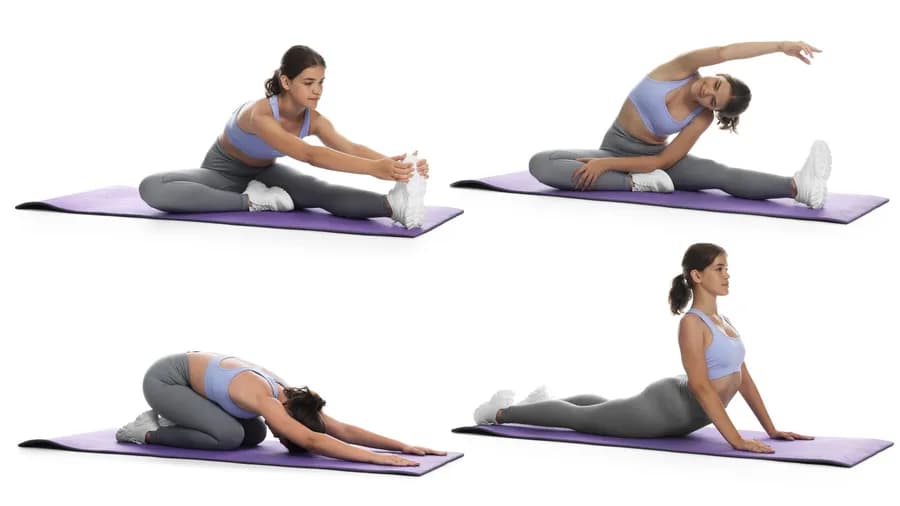
Yoga Warm Up Exercises: Best Poses & How to Start
Discover the best yoga warm up exercises to prepare your body safely. Start your practice right with Habuild’s guided daily yoga — try free for 14 days.