Online Pranayama Classes: A Simple, Safe Guide to Yogic Breathing
Online pranayama classes: breathing techniques explained, safe practice and who should take care.
Key Takeaways
- Pranayama means deliberate, controlled breathing, one of the oldest parts of yoga.
- Techniques range from gentle (deep, alternate nostril, humming breath) to forceful (rapid exhales).
- Forceful breathing needs care for beginners, older adults, pregnancy and health conditions.
- Never strain or hold your breath longer than feels easy. If dizzy, return to normal breathing.
- Practise on an empty or light stomach, sitting comfortably with a straight back.
- In Habuild's sessions, pranayama is part of the regular classes rather than a separate course.
We breathe thousands of times a day without thinking about it. Pranayama is the practice of paying attention to that breath, slowing it down and guiding it deliberately. It has been central to yoga for centuries, and many people today use it to feel calmer and more focused.
Online pranayama classes make it easy to practise regularly at home with guidance. This guide explains what pranayama involves, the common techniques, and how to practise safely.
What Is Pranayama?
The word comes from Sanskrit: "prana" (life force or breath) and "ayama" (extension or control). In practice, it means breathing exercises that change the speed, depth or rhythm of your breath on purpose.
Most people breathe quickly and shallowly, especially when stressed. Pranayama trains slower, fuller breathing, which many people find calming.
Common Pranayama Techniques, Explained Simply
Different teachers use different techniques. These are some of the most widely practised:
Gentle techniques
- Deep belly breathing: slow breaths that expand the abdomen rather than just the chest.
- Anulom Vilom (alternate nostril breathing): breathing in through one nostril and out through the other, alternating sides.
- Bhramari (humming bee breath): breathing out slowly while making a soft humming sound.
- Ujjayi (ocean breath): slow breathing with a gentle sound at the back of the throat.
Forceful or energising techniques
- Kapalbhati: short, strong exhalations through the nose with passive inhalations.
- Bhastrika (bellows breath): forceful inhalations and exhalations.
These are commonly taught, but they need more care than gentle breathing (see below).
Who Should Be Careful With Pranayama
According to the US National Center for Complementary and Integrative Health (NIH), people who are new to yoga should avoid extreme practices, including forceful breathing. It also advises that pregnant women, older adults and people with health conditions talk to their doctor and yoga instructor, as they may need to avoid or modify some yoga practices.
In practice, this means:
- If you're a beginner, start with gentle techniques and take forceful breathing slowly, or skip it until you're comfortable.
- If you're pregnant, older, or have any health condition (for example high blood pressure, a heart condition, a breathing condition, or recent surgery), ask your doctor before practising forceful techniques such as Kapalbhati or Bhastrika.
- If you feel dizzy, light-headed or uncomfortable during any breathing practice, stop and return to normal breathing.
When a forceful technique is taught in class and it isn't right for you, simply continue with slow, gentle breathing.
How to Practise Pranayama Safely
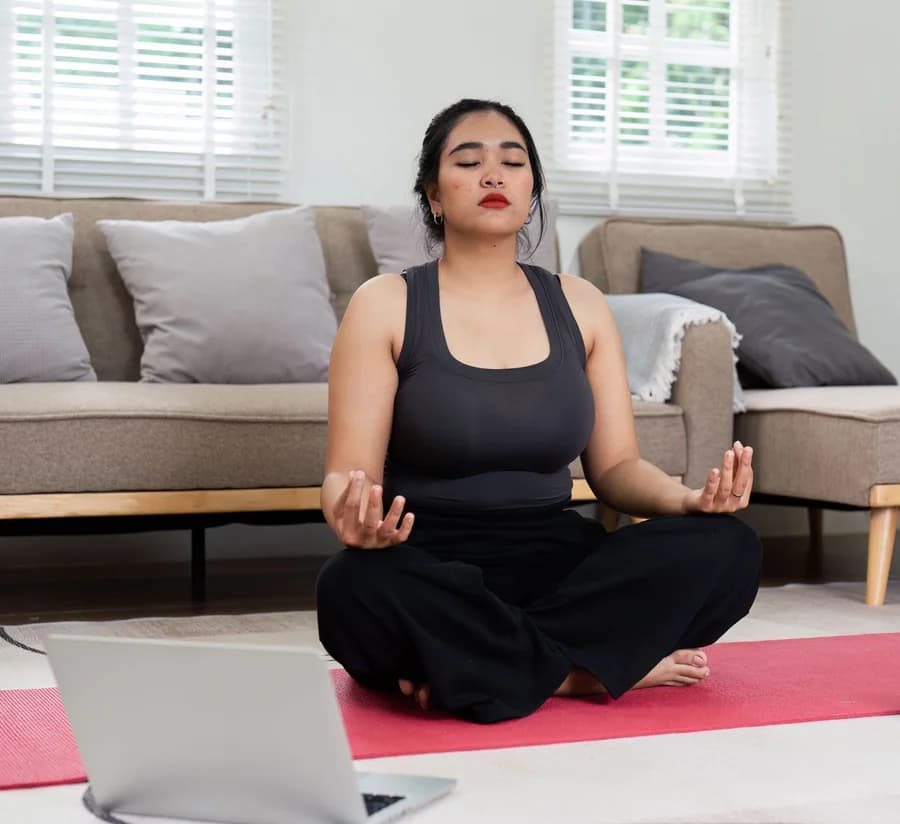
- Sit comfortably on the floor, a cushion or a chair, with a straight but relaxed back.
- Breathe through your nose unless the teacher says otherwise.
- Never strain. Each breath should feel smooth, not forced.
- Don't hold your breath longer than feels easy.
- Stop if you feel dizzy, tingling or uncomfortable, and return to normal breathing.
- Practise on an empty or light stomach.
- Start with fewer rounds and build up slowly.
Pranayama as Part of a Daily Yoga Session
At Habuild, pranayama isn't a separate course. It's part of the regular live yoga sessions, alongside walking, exercises and yoga poses. Practising breathing daily within a full session has advantages:
- The body is warmed up and settled before breathing practice.
- You build the habit naturally, without needing a separate time slot.
- On some days, sessions also include meditation, which follows naturally from breathwork.
What Regular Practice Can Feel Like
Many people who practise pranayama regularly report:
- Feeling calmer after practice
- Finding it easier to slow down when stressed
- Better focus
- Falling asleep more easily
Experiences vary, and pranayama is not a substitute for medical treatment for any condition.
Online vs In-Person Pranayama Classes
Pranayama translates well to online classes because it needs little space and no equipment. The main thing to remember is that in a large live class, the teacher can't watch each person's breathing. Follow the cues carefully, and choose the gentler option whenever you're unsure.
Health Disclaimer
This article is for general information only and is not medical advice. Please consult a doctor before practising forceful breathing techniques, especially if you are pregnant, older or have a health condition.
Flexible Batch Timing
Choose morning or evening classes and join the slot that suits your day.
Morning
6:30 AM
7:30 AM
8:30 AM

Evening
5:00 PM
6:00 PM
7:00 PM

Choose Your Membership Plan
Continue after the trial with membership options designed for long-term consistency support.
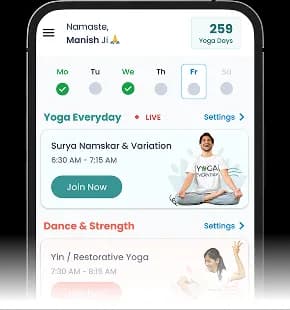
Continue your habit on the Habuild app
Use the Habuild app for reminders, live access, progress support, and habit tracking.