Online Yoga Classes for Beginners: Everything You Need to Know Before Your First Class
Online yoga classes for beginners: what to expect, how to modify poses and mistakes to avoid.
Key Takeaways
- You don't need to be flexible to start yoga. Flexibility is a result of practice, not a requirement.
- A beginner-friendly class mixes gentle movement, simple poses and breathing, not advanced postures.
- Stiffness, shaky balance and quick breathlessness are normal in the first two weeks.
- Bending your knees, using a cushion or doing half a pose is good practice, not cheating.
- Breathing calmly through your nose matters as much as how far you stretch.
- Don't compare your poses with the trainer's. Compare them with your own day one.
Many people want to try yoga but hold back because they think they're too stiff, too old or too unfit. Social media doesn't help: it's full of people folding in half or balancing on their hands.
Real yoga for beginners looks nothing like that. Online yoga classes for beginners are built around simple movements, breathing and steady progress, done at home where nobody is watching. This guide explains what to expect and how to get off to a good start.
The Biggest Myth: "I'm Not Flexible Enough for Yoga"
Saying you're too stiff for yoga is like saying you're too dirty to take a bath. Most beginners can't touch their toes, sit cross-legged comfortably or balance on one leg for long. That's exactly why yoga helps.
Flexibility improves slowly with regular practice. In the beginning, focus on moving within a comfortable range and breathing steadily. The range grows on its own.
What a Beginner-Friendly Online Yoga Class Looks Like
A good beginner session usually includes:
- Gentle movement and walking to warm up the body
- Simple exercises to loosen joints and build basic strength
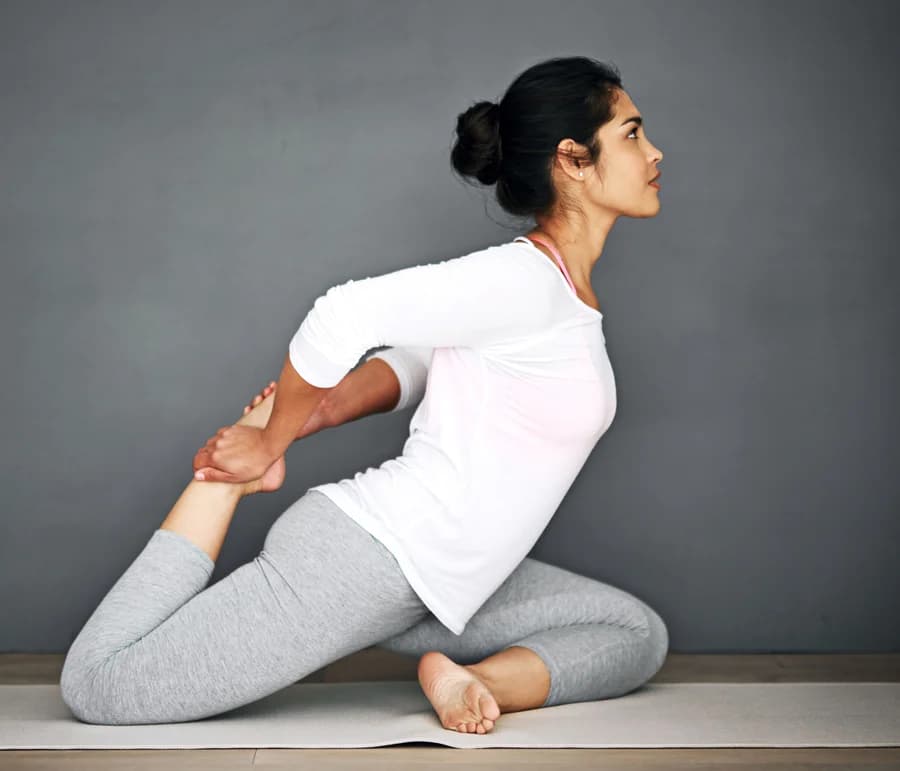
- Basic yoga poses held for a few breaths, with easier options shown
- Pranayama (breathing practice) to calm the mind and steady the breath
- Relaxation at the end
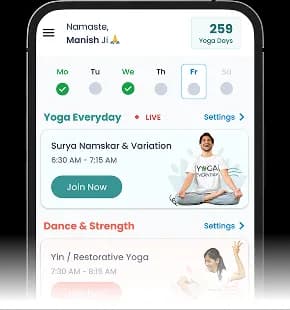
Habuild's live yoga sessions follow this kind of mix every day, which makes them approachable for people who have never done yoga.
What to Expect in Your First Two Weeks
- You'll feel stiff. Hamstrings, hips and shoulders often feel tight. This eases with regular practice.
- Balance poses will wobble. Standing on one leg is harder than it looks. Keep a wall nearby.
- Breathing may feel unnatural. Coordinating breath with movement takes time.
- You may feel mild muscle soreness in places you didn't expect, such as the thighs or between the shoulder blades.
- You'll probably sleep better and feel calmer after class. Many beginners notice this first.
How to Modify Poses When Your Body Won't Cooperate
- Bend your knees in forward bends. A long spine matters more than touching the floor.
- Sit on a folded blanket or cushion for seated poses if your hips are tight.
- Use a wall or chair for balance poses.
- Put your knees down in plank-like positions.
- Take a smaller range. Go only as far as you can while breathing calmly.
- Rest in an easy position whenever you need to.
A modified pose done with steady breath is better practice than a full pose done with strain.
Beginner Mistakes to Avoid
- Forcing the stretch. Yoga should feel like effort, never like pain.
- Holding your breath. If you can't breathe smoothly, ease off.
- Skipping the relaxation at the end. It's part of the practice, not an optional extra.
- Eating a heavy meal before class. Leave two to three hours after a full meal.
- Practising only when you feel like it. Regular short practice beats occasional long sessions.
- Copying the trainer's range exactly. Their body has years of practice; yours is just starting.
Pranayama for Beginners: Start Simple
Breathing practice is part of the regular classes, and beginners often find it the most calming part. Start with slow, comfortable breaths through the nose. Never strain or hold your breath longer than feels easy. If you feel dizzy or light-headed during any breathing practice, return to normal breathing straight away.
How Long Before You Notice a Difference?
- One to two weeks: many people feel calmer and sleep better.
- Three to four weeks: movements feel easier and stiffness reduces.
- Two to three months: flexibility, balance and posture usually improve noticeably.
Everyone progresses at a different pace. Regular practice matters more than any single class.
Setting Up for Yoga at Home
- A yoga mat or a non-slip surface
- Enough space to stretch your arms out and lie down fully
- A cushion or folded blanket for support
- Loose, comfortable clothes
- A screen placed where you can see the trainer clearly, even when lying down
Health Disclaimer
This article is for general information only and is not medical advice. Please consult a doctor before starting yoga, especially if you have a health condition, an injury or are pregnant.
Flexible Batch Timing
Choose morning or evening classes and join the slot that suits your day.
Morning
6:30 AM
7:30 AM
8:30 AM

Evening
5:00 PM
6:00 PM
7:00 PM


Choose Your Membership Plan
Continue after the trial with membership options designed for long-term consistency support.
Continue your habit on the Habuild app
Use the Habuild app for reminders, live access, progress support, and habit tracking.