Yoga for Cholesterol
A yoga practice for cholesterol that may modestly lower LDL and triglycerides while supporting HDL over 8-12 weeks.

Key Takeaways
- Twisting poses stimulate liver function
- Inversions support thyroid-linked metabolism
- May modestly reduce LDL and triglycerides
- Guided by senior instructor Saurabh Bothra's live sessions
- Results typically build over 8-12 weeks of practice
Transform Your Cholesterol Journey with Daily Yoga

Living with high cholesterol can feel like a silent threat — numbers on a report that quietly raise your cardiovascular risk while you carry on with daily life. Diet changes feel restrictive. Medications come with side effects. And most exercise routines are too intense or too inconsistent to stick with long term.
Yoga for cholesterol works differently. It addresses multiple root causes simultaneously: stimulating the liver (where 80% of cholesterol is produced), activating the thyroid for better lipid metabolism, reducing the cortisol that drives LDL production, and building the consistent daily movement your cardiovascular system needs.
Over 1.1.5 Crore+ members have built lasting health habits with Habuild — many of them managing cholesterol, metabolic syndrome, and cardiovascular risk through daily live yoga. Their results speak for themselves.
Ready to start your own journey? Try Habuild’s live yoga classes free for 14 days
Can Yoga Really Help with Cholesterol?
Yes — yoga can help with cholesterol by targeting several of the physiological mechanisms that drive elevated LDL, high triglycerides, and low HDL simultaneously.
The evidence base is growing. Clinical studies have found that consistent yoga practice over 8–12 weeks produces measurable reductions in LDL and triglyceride levels and modest improvements in HDL, particularly when combined with dietary changes. A systematic review published in the European Journal of Preventive Cardiology found yoga to be associated with significant improvements in lipid profiles compared to non-exercise controls.
Here is how yoga addresses the biology of cholesterol:
Liver stimulation — The liver produces and metabolises cholesterol. Twisting asanas apply direct compression-and-release to the hepatic region, supporting lipid metabolism at its primary site.
Thyroid activation — The thyroid governs metabolic rate and lipid processing. Inversions like Sarvangasana directly stimulate the thyroid gland.
Cortisol reduction — Chronic stress elevates cortisol, which directly increases hepatic LDL production. Yoga’s parasympathetic activation lowers cortisol — reducing this stress-driven LDL component.
Metabolic activation — Dynamic sequences like Surya Namaskar raise metabolic expenditure, improve insulin sensitivity, and help mobilise stored fat — all of which improve triglyceride and LDL profiles over time.
Yoga for cholesterol is a complementary practice — it works best alongside prescribed medical management and dietary improvements, not as a substitute for them.
Benefits of Yoga for Cholesterol
1. May Help Support Liver Function and Lipid Metabolism
The liver produces approximately 80% of the body’s cholesterol — and its efficiency directly determines blood cholesterol levels. Spinal twisting poses apply direct compression-and-release to the hepatic region, potentially supporting detoxification and lipid metabolism. Regular twisting practice is one of the most targeted yoga approaches for cholesterol management because it addresses the problem at its primary biological source.
2. Activates the Thyroid for Better Metabolic Rate
The thyroid gland governs the metabolism of lipids. Hypothyroidism — even subclinical — is a recognised secondary cause of elevated cholesterol. Yoga inversions and the chin-lock (Jalandhara Bandha) of Sarvangasana directly stimulate the thyroid, supporting the lipid metabolism that efficient cholesterol processing requires. This is why yoga for thyroid health and cholesterol management share many of the same key poses.
3. May Help Reduce Triglycerides Through Dynamic Practice
Dynamic yoga sequences — particularly Surya Namaskar — may help reduce fasting triglyceride levels through direct metabolic activation, improved insulin sensitivity, and mobilisation of stored fat. Clinical studies have found reductions in triglycerides over 12 weeks of consistent daily yoga practice.
4. Supports Weight Management — A Key Cholesterol Driver
Abdominal fat and overall obesity are primary drivers of elevated LDL and reduced HDL. Consistent yoga practice improves body composition over time — and this weight management benefit has a direct positive effect on cholesterol profiles. People managing cholesterol alongside their weight often find that yoga for weight loss routines provide a powerful dual benefit.
5. Reduces Cortisol — Which Elevates LDL Production
Chronic stress is an underappreciated driver of high cholesterol. Cortisol directly stimulates the liver to produce more LDL cholesterol — meaning that a yoga practice that successfully lowers cortisol addresses a root cause that statins alone do not target. The stress-reduction dimension of yoga is not incidental — it is one of the most important mechanisms for long-term cholesterol management.
Best Yoga Poses (Asanas) for Cholesterol Control
1. Seated Spinal Twist (Ardha Matsyendrasana)
Ardha Matsyendrasana applies direct compression to the hepatic region on one side and decompression on the other with each rotation — the classic mechanism of yoga twists for liver stimulation. This is the single most targeted asana for cholesterol among all yoga poses. Hold for 5 full breaths on each side. Practise on an empty stomach for best results.
How it helps: Direct liver compression and release supports hepatic lipid metabolism and bile production — addressing cholesterol management at its primary biological site.
2. Shoulderstand (Sarvangasana)
The cervical compression and full inversion of Sarvangasana directly stimulates the thyroid gland — the organ governing lipid metabolism. A sluggish thyroid is a common but underdiagnosed contributor to elevated LDL and triglycerides. Hold for 3–5 minutes, building gradually. Avoid with uncontrolled hypertension or neck injuries.
How it helps: Thyroid stimulation supports the metabolic rate and lipid-processing efficiency that cholesterol management requires.
3. Sun Salutation (Surya Namaskar)
12 rounds of Surya Namaskar daily is the most complete metabolic activation practice in yoga — raising cardiovascular demand, improving insulin sensitivity, reducing triglycerides, and supporting the body composition changes that directly improve cholesterol profiles. It is the foundation of any effective best yoga for cholesterol routine.
How it helps: Sustained metabolic activation burns calories, mobilises stored fat, and improves the insulin sensitivity that lowers triglycerides and supports HDL.
4. Kapalbhati Pranayama (Skull-Shining Breath)
Kapalbhati activates the abdominal organs — including the liver — through rapid diaphragmatic contractions with each forceful exhalation. Ten minutes of Kapalbhati daily is among the most consistently recommended practices in cholesterol control yoga. Important: avoid if you have uncontrolled high blood pressure or are pregnant.
How it helps: Rapid abdominal contractions massage the liver and digestive organs, stimulate bile production, and activate the digestive fire (agni) that governs fat metabolism.
5. Seated Forward Fold (Paschimottanasana)
Paschimottanasana creates sustained abdominal compression that massages the liver and digestive organs — stimulating bile production and hepatic processing of dietary fats. Hold for 3–5 minutes. This gentle but effective pose complements the more intense twisting practices for comprehensive cholesterol yoga support.
How it helps: Sustained forward compression stimulates the liver, kidneys, and digestive organs — supporting comprehensive metabolic and lipid processing.
6. Bridge Pose (Setu Bandhasana)
Setu Bandhasana activates the thyroid through a gentle chin-lock, opens the chest and cardiovascular region, and engages the core and gluteal muscles in a way that boosts metabolic expenditure. It is an accessible alternative to Sarvangasana for practitioners with neck sensitivities.
How it helps: Thyroid stimulation and cardiovascular opening support lipid metabolism while building the core strength that underpins a sustainable daily yoga practice.
7. Boat Pose (Navasana)
Navasana engages the core and abdominal region intensely — compressing and stimulating the digestive organs and liver while building the muscular strength associated with improved metabolic rate. Hold for 5–10 breaths, repeat 3 times.
How it helps: Core engagement stimulates abdominal organs, supports liver function, and builds lean muscle mass — all of which contribute to improved cholesterol profiles over consistent practice.
How Habuild's Live Yoga Classes Help with Cholesterol
1. Daily Practice Builds Lasting Results
Clinical evidence is clear: meaningful improvements in cholesterol profiles from yoga require 8–12 weeks of consistent daily practice. Sporadic weekend sessions do not produce the sustained metabolic improvements needed. Habuild’s structure — live classes 6 days a week at set times — is specifically designed to solve the consistency problem that most home yoga attempts fail on.
2. Live Guidance for Correct Form
Poses like Sarvangasana and Ardha Matsyendrasana are most effective — and safest — when performed with correct alignment. Habuild’s live instructors provide real-time correction and modification guidance in every session, so you get the therapeutic benefit of each asana for cholesterol without the injury risk of self-guided practice.
3. Community Accountability Keeps You Consistent
Over 1.1.5 Crore+ members practise with Habuild — and the live community format creates the accountability that keeps attendance rates dramatically higher than solo app-based yoga. When your batch starts at 6:00 AM, you show up. That consistency is the difference between seeing results and giving up after two weeks.
4. Sessions Designed for All Fitness Levels
You do not need to be fit, flexible, or experienced to start. Habuild’s sessions are designed for complete beginners through to experienced practitioners — with modifications offered for every pose so that anyone, regardless of age or current fitness level, can practise safely and effectively from day one.
Who is Yoga for Cholesterol Best Suited For?
1. Complete Beginners
You do not need any prior yoga experience to begin. The asanas for cholesterol described in this article are accessible to complete beginners — and Habuild's instructors provide modifications and support from your very first session. Many of Habuild's most consistent cholesterol management success stories came from members who had never done yoga before joining.
2. Working Professionals with Busy Schedules
High-stress, sedentary work is one of the most common lifestyle drivers of elevated cholesterol. Habuild's early morning and evening batch timings are designed specifically for working professionals — allowing you to practise before or after work without disrupting your schedule. Thirty to forty-five minutes of targeted cholesterol yoga daily is all that is required.
3. People Who Have Tried Other Methods Without Success
If you have tried gym routines, dietary programmes, or home yoga apps without sustaining results, the structure and accountability of Habuild's live programme is specifically designed to solve that consistency gap. The combination of set class times, live community, and expert guidance transforms casual intent into daily habit — which is what produces measurable cholesterol improvements.
4. Anyone Looking for a Sustainable, Long-Term Solution
Cholesterol management is not a short-term project — it is a lifelong lifestyle commitment. Yoga for cholesterol, practised consistently, becomes a sustainable daily habit that addresses cardiovascular risk comprehensively: managing weight, reducing stress, supporting liver function, and maintaining metabolic health year after year.
How Long Does It Take to See Results?
1. Week 1–2: Initial Changes
Most members report improved energy levels, better sleep quality, and a sense of reduced stress within the first two weeks. These early benefits reflect yoga's immediate effects on cortisol and the autonomic nervous system — and set the foundation for the metabolic changes that follow. Your lipid numbers will not change in two weeks, but your body is already shifting.
2. Week 3–4: Noticeable Improvements
By weeks three and four, members typically notice reduced bloating and digestive improvement, more sustained energy through the day, and the beginning of weight changes — particularly around the abdomen — that reflect improving metabolic function. Many members begin to feel the difference in their overall wellbeing before their next blood test.
3. Month 2–3: Significant Transformation
This is the window in which clinical studies find measurable improvements in lipid profiles: LDL beginning to trend downward, triglycerides reducing, HDL improving modestly. Combined with dietary changes, month two to three is when most members see their first meaningful improvement in cholesterol numbers — and when the motivation to continue becomes self-reinforcing.
4. Month 4+: Lasting Lifestyle Change
By month four, the yoga habit is typically established — woven into daily routine in a way that does not require willpower to maintain. Cholesterol improvements tend to be sustained and progressive. Many members report reduced medication requirements (always in consultation with their doctors), improved cardiovascular risk profiles, and a fundamental shift in how they relate to their body and health.
Flexible Batch Timing
Choose morning or evening classes and join the slot that suits your day.
Morning
6:30 am - 7:15 am
7:30 am - 8:15 am
8:30 am - 9:15 am

Evening
5pm - 5:45pm
6pm - 6:45pm
7pm - 7:45pm

Meet Your Yoga for Cholesterol Instructor: Saurabh Bothra

Saurabh Bothra
Founder, Habuild
Your yoga for cholesterol journey is guided by one of India's most qualified instructors—Saurabh Bothra.
Choose Your Membership Plan
Continue after the trial with membership options designed for long-term consistency support.
Continue your habit on the Habuild app
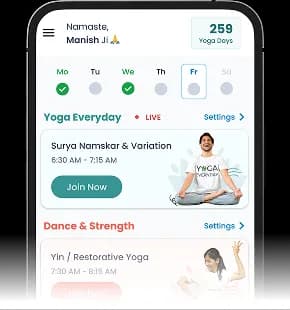
Use the Habuild app for reminders, live access, progress support, and habit tracking.