Yoga for epilepsy
A complementary yoga practice for epilepsy that manages stress-related seizure triggers alongside medical treatment.

Key Takeaways
- Complements medical treatment, not a replacement for it
- Targets stress, poor sleep, and anxiety as key seizure triggers
- Builds overall neurological resilience through gentle daily practice
- Guided by senior instructor Saurabh Bothra's structured sessions
- Used alongside prescribed treatment by Habuild's members
Transform Your Epilepsy Journey with Daily Yoga

Living with epilepsy means navigating unpredictability every single day — the anxiety of not knowing when the next seizure might come, the exhaustion of medications, and the emotional toll of feeling like your body is beyond your control. Millions of people with epilepsy silently carry this burden, and conventional treatment alone rarely addresses the full picture.
Epilepsy yoga therapy offers a powerful, evidence-informed complement to medical treatment — reducing seizure triggers like stress and poor sleep, calming the nervous system, improving emotional regulation, and building a body and mind that are more resilient day by day.
Over 50,000+ Habuild members have experienced meaningful transformation through daily yoga — including those managing neurological conditions. Their consistency is proof that the right practice, done daily, changes lives.
Can Yoga Really Help with Epilepsy?
Yes, yoga can meaningfully support epilepsy management as a complementary practice alongside medical treatment. Yoga does not cure epilepsy, and claims around the cure of epilepsy by yoga are not medically supported. However, epilepsy treatment by yoga as a supportive therapy is well-documented and increasingly recommended by neurologists. This is one of the more nuanced yoga for health conditions applications — where yoga targets the most significant seizure triggers: chronic stress, sleep disruption, anxiety, and hormonal imbalance.
Studies published in the Journal of Alternative and Complementary Medicine show that regular yoga practice reduces seizure frequency in patients with drug-resistant epilepsy. Breathwork and yoga asanas for seizures directly regulate the autonomic nervous system, reducing the hyperexcitability of the brain that underlies epileptic episodes. Always practise under medical supervision and never modify or discontinue epilepsy medication without your neurologist’s guidance.
Benefits of Yoga for Epilepsy
1. Reduces Stress — The Most Common Seizure Trigger
Chronic stress is the leading trigger for epileptic seizures. Yoga for epilepsy incorporates breathwork and mindful movement that lower cortisol, calm nervous system hyperactivity, and build lasting stress resilience — directly reducing one of the most controllable seizure triggers.
2. Regulates the Autonomic Nervous System
Epilepsy yoga therapy targets vagal tone and autonomic balance through pranayama and gentle asana — shifting the nervous system away from chronic sympathetic overdrive toward a calmer, more regulated state. Our fitness resources support the physical rehabilitation dimension of epilepsy management — gently rebuilding the strength and coordination that epilepsy-related deconditioning compromises.
**3. Improves Sleep Quality **
Poor sleep significantly increases seizure frequency. The best yoga for epilepsy incorporates restorative poses and guided relaxation that regulate sleep cycles, improve melatonin production, and support consistently deeper, more restorative rest.
**4. Reduces Anxiety and Emotional Reactivity **
Anxiety and emotional dysregulation are both triggers and consequences of epilepsy. Best yoga poses for epilepsy combined with breathwork create measurable improvements in emotional steadiness. Our well-being guide provides complementary resources on holistic lifestyle practices that support the neurological and emotional resilience that epilepsy management requires.
5. Builds Physical Strength and Confidence
Epilepsy often leads to physical deconditioning and loss of confidence in one’s body. Yoga asanas for seizures — when practised safely — rebuild strength, improve coordination, and restore a sense of physical agency and self-trust.
Best Yoga Poses (Asanas) for Epilepsy
1. Child’s Pose (Balasana)
A deeply calming and grounding pose — one of the most recommended yoga asanas for seizures. Balasana activates the parasympathetic nervous system, relieves tension from the neck and spine, and creates a safe resting position during moments of anxiety or post-ictal fatigue.
Difficulty: Beginner
2. Cat-Cow Stretch (Marjaryasana-Bitilasana)
A gentle, rhythmic spinal movement coordinated with breath — among the best yoga poses for epilepsy for nervous system regulation. The slow, predictable rhythm calms neural hyperactivity and improves spinal fluid circulation.
Difficulty: Beginner
3. Standing Forward Fold (Uttanasana)
A calming inversion that gently increases blood flow to the brain, relieves tension from the neck and shoulders, and activates the parasympathetic system. Practised with care, it is one of the most effective yoga poses for epilepsy management.
Difficulty: Beginner
4. Legs Up the Wall (Viparita Karani)
A restorative inversion that calms the nervous system, reduces anxiety, and supports lymphatic and venous circulation without any risk of falling — making it one of the safest and best yoga for epilepsy poses for daily practice.
Difficulty: Beginner
5. Corpse Pose (Savasana)
The most important pose in any epilepsy yoga therapy session. A guided, 10–15 minute Savasana consolidates the neurological and emotional benefits of the practice — allowing the brain to shift into deep, healing rest.
Difficulty: Beginner
How Habuild’s Live Yoga Classes Help with Epilepsy
1. Daily Practice Builds Lasting Results
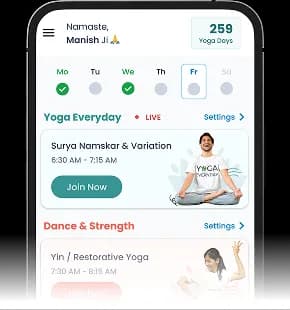
Managing epilepsy requires consistency above all else. Habuild’s six live sessions per week create a daily nervous system regulation routine that becomes an anchor — with every session reinforcing calmer, more resilient neurological function.
**2. Live Guidance for Correct Form **
Yoga asanas for seizures must be practised with specific safety considerations. Habuild’s certified instructor provides real-time guidance in every session, ensuring every pose is performed correctly, safely, and with maximum therapeutic benefit.
3. Community Accountability Keeps You Consistent
WhatsApp streak tracking, daily reminders, and a warm, supportive community ensure you show up every day — because with epilepsy yoga therapy, it is daily consistency that drives meaningful change.
4. Sessions Designed for All Fitness Levels
Whether newly diagnosed or managing epilepsy long-term, Habuild’s sessions accommodate all levels. Members managing related neurological symptoms also benefit from our yoga for vertigo and yoga for headache programmes for comprehensive neurological health support.
Flexible Batch Timing
Choose morning or evening classes and join the slot that suits your day.
Morning
6:30 am - 7:15 am
7:30 am - 8:15 am
8:30 am - 9:15 am

Evening
5pm - 5:45pm
6pm - 6:45pm
7pm - 7:45pm

Meet Your Yoga for Epilepsy Instructor: Saurabh Bothra

Saurabh Bothra
Founder, Habuild
Your yoga for epilepsy journey is guided by one of India's most qualified instructors—Saurabh Bothra. Saurabh's online yoga class for epilepsy sessions combine traditional yoga wisdom with practical techniques for modern lifestyles. His best yoga for epilepsy methods have helped thousands achieve sustainable results.
Choose Your Membership Plan
Continue after the trial with membership options designed for long-term consistency support.
Continue your habit on the Habuild app
Use the Habuild app for reminders, live access, progress support, and habit tracking.