
10 Benefits of Surya Namaskar
This ancient twelve-pose sequence builds strength, improves flexibility, regulates breath, and supports mental clarity in a single 15-20 minute daily practice. See all 10 benefits.
Key Takeaways
- A single 15-20 minute daily round-set works the full body with zero equipment.
- Each round alternates spinal flexion and extension, strengthening upright-posture muscles.
- Practicing on an empty stomach in the morning may support better digestive rhythm.
- Ten rounds at a moderate pace can meaningfully raise metabolic activity.
- Deliberate breath coordination naturally draws the mind away from distraction.
- Requires no equipment or gym membership – just 15-20 minutes to build the habit.
The 10 benefits of surya namaskar span the full body and mind — this ancient twelve-pose sequence builds strength, improves flexibility, regulates breath, and supports mental clarity, all within a single 15–20 minute daily practice. No equipment required.
Whether you are a complete beginner or someone returning after a long break, Surya Namaskar offers a structured, accessible way to build a meaningful daily yoga habit. Each round moves the spine through forward bends, backbends, and extensions — engaging muscles, breath, and focus all at once.
10 Key Benefits of Surya Namaskar
- Improves Whole-Body Flexibility Each round moves the spine through forward bends, backbends, and extensions. Consistent practice gradually eases stiffness in the hamstrings, hips, and shoulders — areas where most adults carry chronic tension.
- Builds Functional Strength Poses like Plank (Phalakasana) and Chaturanga engage your core, arms, and back simultaneously. Practising 10 rounds daily builds real, functional strength without any equipment. Pair this with a wider range of yoga exercises to keep your practice varied and progressive.
- Supports Cardiovascular Health Moving through the sequence at a steady pace elevates your heart rate in a low-impact way. Regular Surya Namaskar practice may gradually support cardiovascular endurance, complementing your existing health care routine.
- Regulates Breath and Builds Lung Capacity Every movement is paired with a specific inhale or exhale. This rhythmic breath awareness trains the lungs to expand more fully and helps practitioners develop calmer, more controlled breathing over time.
- Reduces Stress and Mental Fatigue Coordinated movement and breathing activate the parasympathetic nervous system. Many practitioners notice a gradual reduction in mental restlessness and improved capacity to deal with daily stress after consistent practice.
- Aids Digestion and Gut Function Forward folds and abdominal engagement gently stimulate the digestive organs. Practising on an empty stomach in the morning may support better digestive rhythm when done regularly.
- Supports Weight Management Ten rounds at a moderate pace can meaningfully raise your metabolic activity. Combined with a balanced diet and consistent practice, it supports the body’s natural weight regulation process over time.
- Improves Posture and Spinal Alignment The sequence alternates between spinal flexion and extension, strengthening the muscles that hold an upright posture. People who sit at desks for long hours often find regular Surya Namaskar leaves them feeling more aligned and less fatigued by the end of the day.
- Enhances Focus and Mental Clarity Because each pose requires deliberate breath coordination, the mind is naturally drawn away from distraction. Over weeks of daily practice, many people report improved concentration during work and study.
- Builds a Sustainable Daily Routine Surya Namaskar requires no equipment, no gym membership, and only 15–20 minutes. This simplicity makes it one of the most durable habits you can build — and consistency is ultimately what determines results.
How to Get Started with Surya Namaskar
What You Need to Begin
All you need is a yoga mat and comfortable, non-restrictive clothing. No props, weights, or special footwear are required. A quiet corner at home — even a balcony or bedroom — is sufficient for a full practice.
Setting Realistic Goals
Start with three to five rounds and work up gradually to 10 rounds over two to three weeks. Focus on moving with your breath rather than rushing through poses. Consistency over intensity is what produces lasting improvement. If you are new to structured movement, yoga for beginners resources can help you build the foundation before adding rounds.
Start with the Basics
Learn each of the twelve poses individually before linking them into a flow. Pay attention to breath cues — inhale as you lengthen, exhale as you fold or lower. Once the sequence feels natural, increase pace gradually to raise intensity.
Best Poses Within Surya Namaskar
Surya Namaskar is itself a sequence, but understanding each key pose deepens your practice and helps you get more from every round.
Tadasana (Mountain Pose)
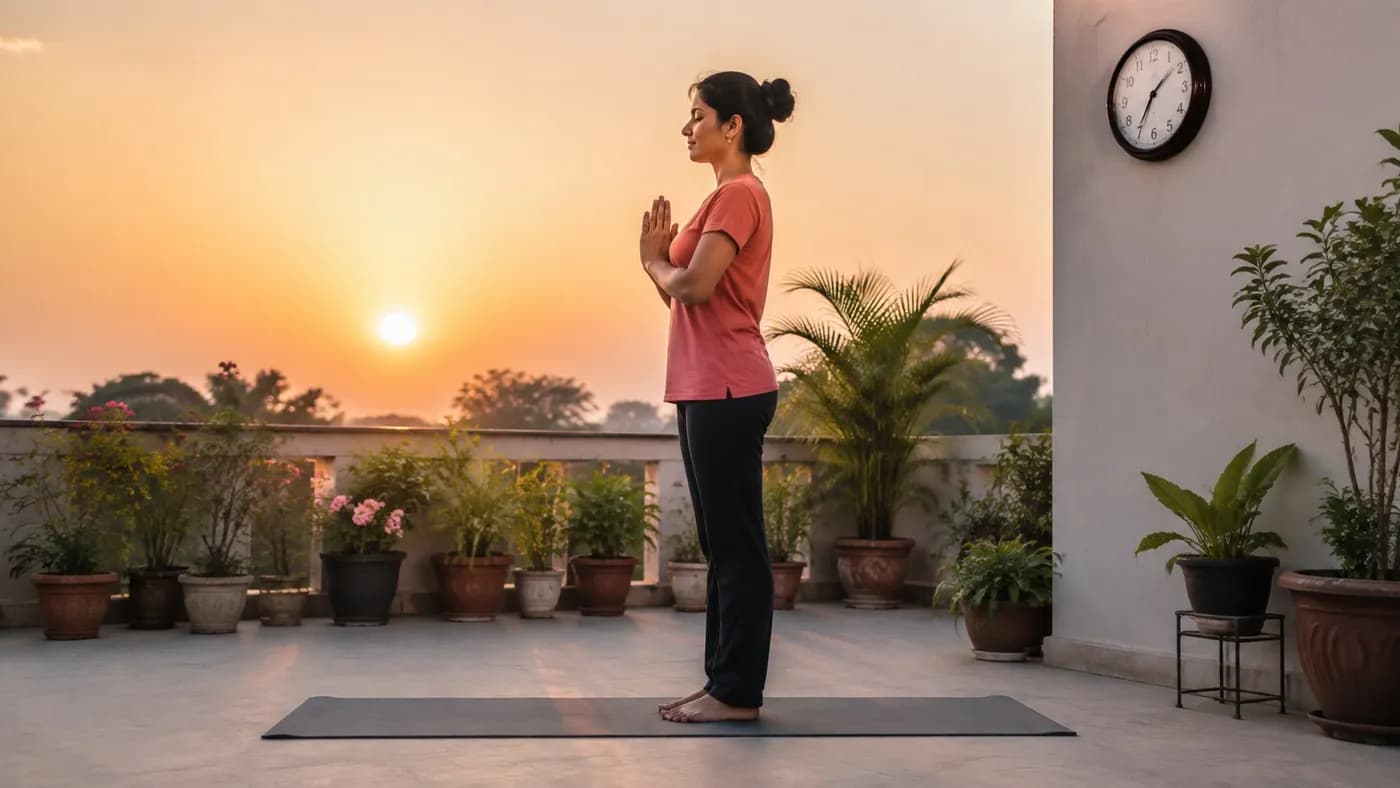
The starting and resting position of the sequence. Stand tall with feet together, spine long, and arms at your sides. Inhale deeply here before raising the arms overhead into the next pose. Understanding the mountain pose benefits reveals why this foundation shapes everything that follows.
Uttanasana (Standing Forward Fold)
Exhale as you fold forward from the hips, lengthening the spine before releasing toward the floor. This pose stretches the hamstrings and calves while gently decompressing the lower back. Soft knees are perfectly fine for beginners.
Adho Mukha Svanasana (Downward-Facing Dog)
From a low push-up position, press the hips up and back to form an inverted V-shape. Hold for a full breath cycle. This pose lengthens the entire posterior chain — calves, hamstrings, spine, and shoulders — all at once.
Bhujangasana (Cobra Pose)
Lie face down, place palms beneath the shoulders, and lift the chest on an inhale without locking the elbows straight. This backbend strengthens the spinal extensors and opens the chest. Learn more about Bhujangasana and its specific effects on posture and back health.
Balasana (Child’s Pose)
Although not always included in every Surya Namaskar variation, Balasana is an essential rest pose. Sit back on your heels, extend arms forward on the mat, and breathe deeply. It gently stretches the lower back and hips and gives the nervous system a moment to reset between rounds.
Common Mistakes to Avoid
- Skipping the Warm-Up Jumping straight into fast-paced rounds without gentle mobilisation first increases the risk of muscle strain, particularly in the hamstrings and wrists. Spend two to three minutes on slow neck rolls, wrist circles, and gentle spinal movements before starting.
- Holding the Breath During Poses This is the single most common error. When practitioners focus hard on alignment, they unconsciously stop breathing. Keep the breath moving at all times — if you cannot breathe comfortably in a pose, ease out of it slightly.
- Forcing Into Poses Too Soon Lowering fully to the floor in Chaturanga or touching the ground in a forward fold are not requirements for a valid practice. Work within your current range and allow the body to open naturally over weeks, not days.
- Inconsistent Practice Doing 30 rounds on a Sunday and skipping the rest of the week produces far less benefit than five rounds done every morning. The physiological and mental benefits of Surya Namaskar accumulate through regularity — missing days resets much of that momentum.
Who Should Try Surya Namaskar?
- Beginners Surya Namaskar is structured and repeatable, which makes it ideal for people who have never practised yoga. The sequence itself teaches you how to breathe, how to move with intention, and how to build body awareness — skills that transfer to every other yoga pose.
- Women The combination of strength, flexibility, and breathwork in Surya Namaskar supports hormonal balance and helps deal with daily stress — two areas many women actively manage. It is gentle enough for most days of the month and can be modified as needed.
- Older Adults The sequence improves joint mobility, spinal flexibility, and balance — all of which tend to decline with age. Older adults should begin with slow rounds and modified poses, particularly with any existing joint sensitivity. Consult your doctor before beginning if you have significant health concerns.
- Working Professionals A 15-minute morning Surya Namaskar session can meaningfully shift how the rest of your day feels. It counteracts the postural effects of desk work, relieves morning stiffness, and provides a mental reset before the workday begins.
Build Flexibility with a Routine That Actually Works
Building flexibility and strength through Surya Namaskar isn’t about intensity — it’s about showing up consistently, with the right guidance, every single day. A structured programme removes the guesswork and makes it far easier to stay on track, especially when motivation dips.
What You Get with Habuild’s Yoga Everyday Programme:
- Daily live guided yoga sessions, including Surya Namaskar
- Beginner-to-intermediate progression built around consistency
- No equipment needed — fully home-friendly practice
- Expert guidance on alignment and breath to prevent injury
- A live community that helps you stay accountable
If you have been meaning to build a yoga habit but haven’t found something that sticks, joining a structured online yoga programme is the most reliable way to close that gap. You can also explore yoga classes at home to find the format that works best for your schedule.
Start Your Yoga Journey
Fifteen to twenty minutes of Surya Namaskar is a small window, but its effect on strength, flexibility, and mental clarity depends entirely on whether that window shows up daily or gets skipped whenever the morning feels rushed. The sequence rewards return more than intensity. Habuild’s Yoga Everyday program is built around that daily return, with guided sessions to keep the momentum going.
Frequently Asked Questions
Related Articles

Surya Namaskara: Steps Benefits and Daily Practice Guide
Explore Surya Namaskara with Habuild. Discover the powerful benefits of Surya Namaskara to boost energy, improve flexibility, and transform your health today!

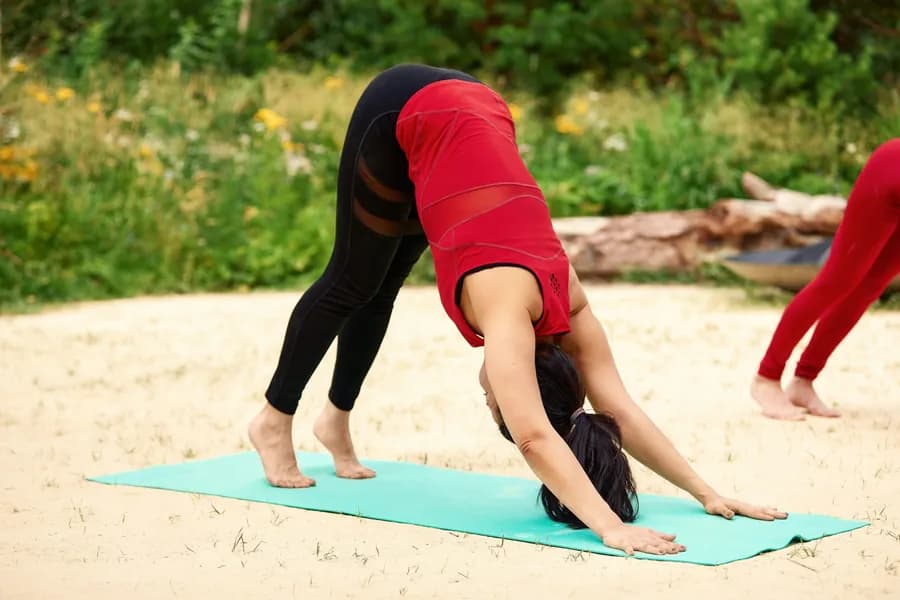
Surya Kriya (Sun Practice): Steps, Benefits & Precautions
Often confused with Surya Namaskar, this is a slow, precise, meditative sequence with specific energetic intentions rather than a dynamic flow. See the steps, benefits, and precautions.

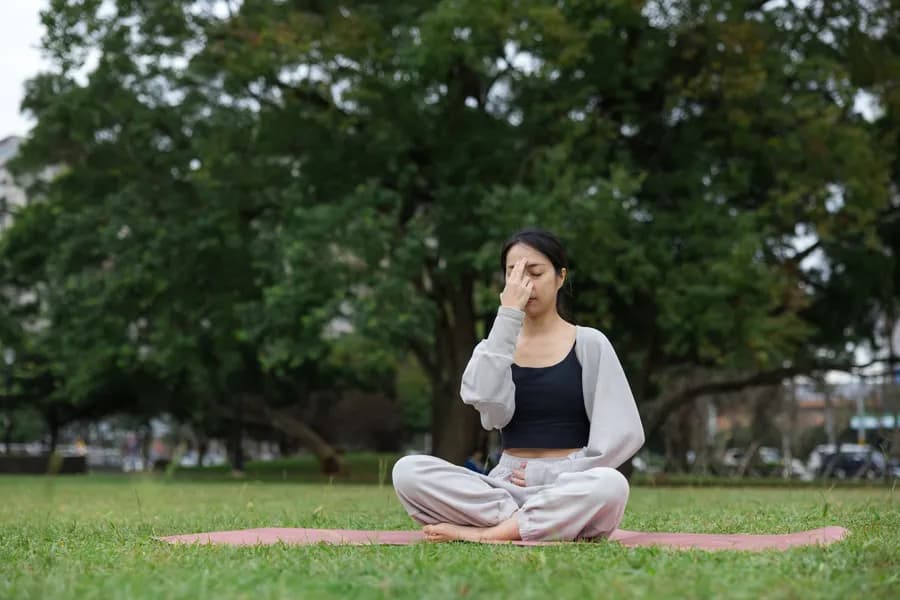
Suryabhedan Pranayam: How to Practice and Its Energy Benefits
Practice Suryabhedan Pranayam with Habuild. Follow the right nostril breathing steps to boost energy, improve circulation, and activate your body. Start today!