
Anahatasana (Melting Heart Pose): Steps, Benefits and Precautions
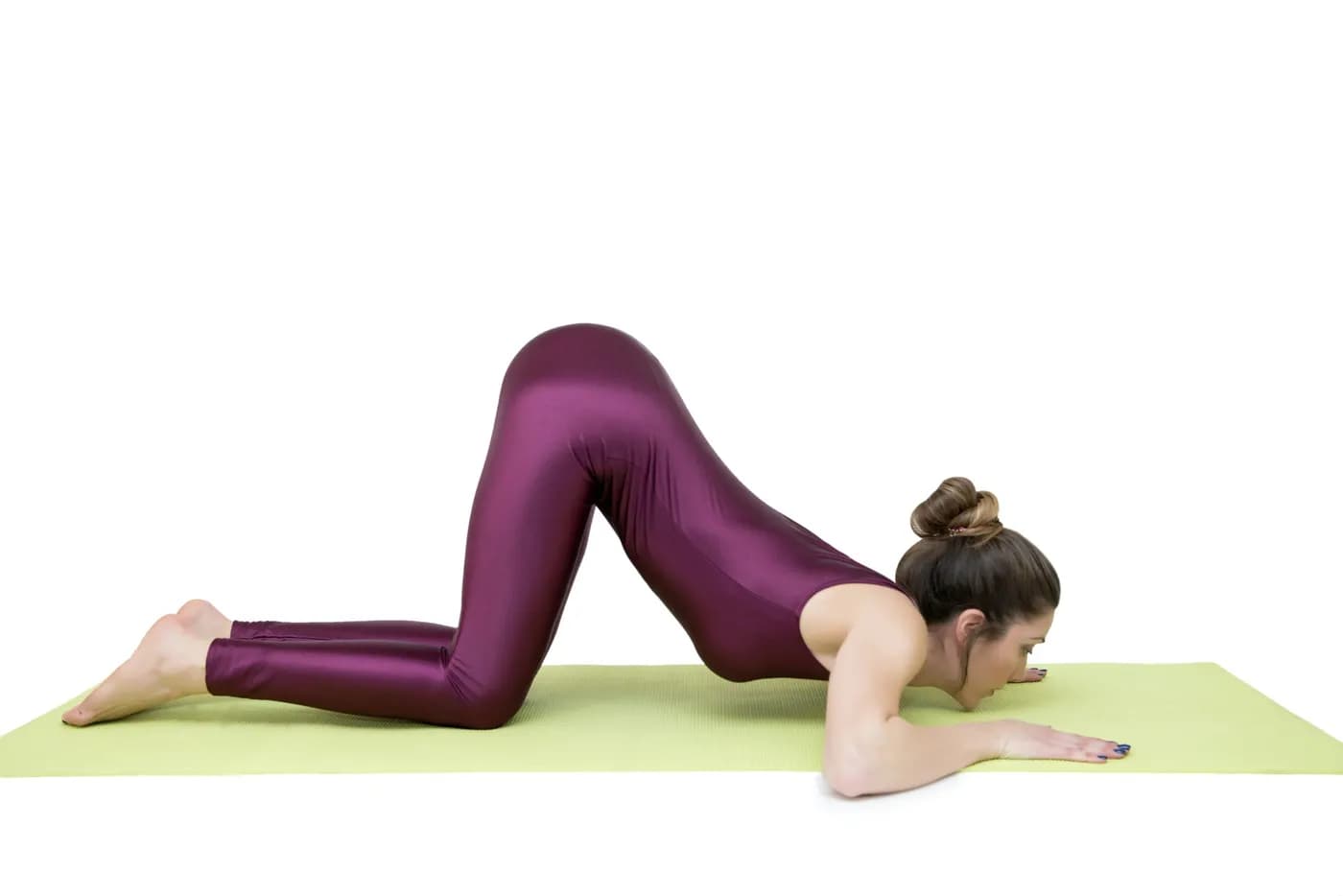
The hips stay directly over the knees while the chest and arms descend toward the floor, creating thoracic extension rather than the spinal flexion of
Key Takeaways
- Named after Anahata, the heart chakra, reflecting the chest’s symbolic melting toward the earth.
- The hips stay directly over the knees, distinguishing it from Child’s Pose’s different alignment.
- Produces thoracic extension rather than the spinal flexion that Child’s Pose creates instead.
- In yin yoga, it’s held for 3-5 minutes to produce connective tissue change brief holds can’t reach.
- Directly counters the thoracic flexion and shoulder rounding that desk posture produces.
- Used as both a physical shoulder opener and a therapeutic release for emotional tension.
What is Anahatasana?
Anahatasana derives from Sanskrit anahata (unstruck, the heart chakra) and asana (pose). The English name Melting Heart Pose captures the essential quality: the heart centre melting downward toward the earth in complete surrender and openness. The pose is a kneeling position where the hips remain directly over the knees while the chest and arms descend toward the floor — creating thoracic extension rather than spinal flexion. This hip-over-knee distinction is what makes Anahatasana specifically a thoracic extension pose rather than a variation of Child’s Pose.
Anahatasana — the Melting Heart Pose — is a kneeling chest-to-floor forward extension that produces one of the deepest available thoracic extensions and anterior shoulder openings in yoga, named after the Anahata (heart) chakra that the chest-forward, heart-melting-to-earth gesture symbolically opens. Related to but distinct from Uttana Shishosana, it specifically targets the thoracic spine, anterior shoulder capsule and the nervous system calming that heart-forward surrender positions produce. This guide covers the complete technique, therapeutic applications and variations.
Anahatasana is used as a therapeutic heart opener, deep anterior shoulder stretch, thoracic spine mobiliser and restorative practice for stress and emotional tension. Its anahatasana benefits for both physical opening and emotional release make it one of the most specifically targeted poses for the intersection of physical and emotional wellbeing that yoga’s holistic approach addresses.
In the yin yoga tradition Anahatasana is held for 3-5 minutes — the sustained passive hold producing connective tissue changes that brief holds cannot achieve. In active yoga traditions it serves as a transition counter-pose after intense shoulder or back work. In both contexts the melting heart quality — genuine surrender of the chest toward the earth — is the defining practice quality.
Anahatasana Benefits
- Physical Benefit 1: Deep Thoracic Extension and Anterior Chest Opening Anahatasana produces one of the most accessible and complete available thoracic extension and anterior chest opening stretches — the gravity-assisted heart-melting toward the floor creating the progressive thoracic extension that desk posture directly opposes. The anahatasana benefits for thoracic spine mobility are the most immediate and most consistent physical outcomes.
- Physical Benefit 2: Anterior Shoulder and Biceps Tendon Release The extended arm position creates a deep anterior shoulder capsule and biceps tendon stretch — lengthening the structures that forward-rounded posture chronically shortens. The anahatasana pose benefits for shoulder mobility directly address impingement risk from prolonged forward-rounded posture.
- Physical Benefit 3: Full Spinal Traction from Cervical to Thoracic The arm extension in Anahatasana creates mild traction along the entire spinal column — decompressing intervertebral discs from cervical through thoracic regions. This gentle traction combined with thoracic extension produces the comprehensive spinal decompression particularly beneficial for upper back tension.
- Mental Benefit 4: Heart Chakra Opening and Emotional Release The melting heart gesture — physically opening the anterior chest while consciousness is directed toward the heart centre — facilitates release of the emotional tension that the chest habitually guards. The anahatasana benefits for emotional release and heart-opening are among the most consistently reported non-physical outcomes of sustained practice.
- Mental Benefit 5: Deep Parasympathetic Calming The chest-lowering position activates frontal lobe vagal pressure receptors and facilitates deep diaphragmatic breathing — producing immediate parasympathetic calming that makes Melting Heart Pose one of the most effective available practices for acute stress relief.
Anahatasana produces thoracic extension loading through the full range of thoracic mobility — research shows consistent thoracic extension practice restores 5–10 degrees of lost extension range over 6–8 weeks, directly improving upright postural endurance.
Research documents that regular thoracic extension practices including Anahatasana reduce thoracic kyphosis angle, improve respiratory capacity and reduce anterior shoulder restriction — the three primary consequences of forward-rounded desk posture.
The anterior shoulder capsule loses 15–20% of its normal range in people working at screens for 6+ hours daily. Anahatasana produces one of the deepest available anterior shoulder capsule stretches in the yoga repertoire — specifically targeting the structures that desk work restricts.
The kneeling extended position of Anahatasana produces traction through the entire spinal column — from the cervical spine to the sacrum — reducing disc compressive load and producing the spinal decompression that prolonged sitting creates demand for.
Research on yoga and emotional processing confirms that anterior chest expansion in forward extension positions produces measurable increases in positive affect and decreases in emotional guardedness — the physiological mechanism behind the heart-opening quality practitioners consistently report.
The chest-to-floor surrender position activates the vagal receptors through the thoracic contact and the diaphragmatic breathing position that the prone orientation supports — producing one of the deepest parasympathetic activations available in kneeling practice.
How to Do Anahatasana — Step-by-Step
Key Principles
The defining feature of Anahatasana: hips remain directly over the knees throughout. This is what creates thoracic extension rather than spinal flexion. If the hips drift backward toward the heels, the chest opens into Child’s Pose and the thoracic extension benefit disappears entirely.
Step 1: Begin in Tabletop
Start in Tabletop with knees directly under hips and wrists under shoulders. Confirm hips directly over knees — this alignment is what the entire practice depends on maintaining throughout.
Step 2: Walk Hands Forward — Hips Stay over Knees
Keeping the hips directly over the knees, walk the hands forward along the floor. The forehead or chin begins to lower toward the floor as the arms extend. Feel the thoracic spine beginning to extend as the chest drops.
Step 3: Lower the Chest — the Melting Heart
Allow the chest to melt toward the floor with each exhalation — gravity progressively deepening the thoracic extension. The arms remain extended with elbows slightly active, palms pressing gently. Feel the specific mid-back opening, not the lumbar arch or the neck craning.
Step 4: Rest Forehead or Chin on Floor
In the full Anahatasana, the forehead or chin rests on the floor, the chest is as close to the floor as current thoracic flexibility allows, and arms are extended forward with palms flat. Hips remain over knees throughout.
Step 5: Hold — the Extended Melt
Hold for 1-5 minutes with slow full breathing. The anahatasana benefits emerge progressively over the sustained hold duration. With each exhalation, consciously soften the chest toward the floor — passive deepening, not active forcing.
Step 6: Come Out through Tabletop to Child’s Pose
Walk the hands back, lifting the chest gradually to Tabletop. Then sit back into Balasana for 5 breaths to neutralise the thoracic extension before any active pose.
Breathing in Anahatasana
Slow full diaphragmatic breathing — each inhalation creating thoracic space, each exhalation allowing chest to melt further. Breath awareness is as important as the position — Anahatasana without conscious breathing is significantly less powerful.
Preparatory Poses
- Balasana — warms the shoulders and familiarises the kneeling forward-fold base.
- Bhujangasana — activates thoracic extensors before the passive opening.
- Thread the Needle — warms thoracic rotators before the bilateral extension.
- Garudasana Arms — releases posterior shoulder capsule that may restrict extended-arm position.
Variations
Variation 1: Chin on Floor (Beginner)
Chin on floor rather than forehead — reduces cervical extension demand, equally effective for thoracic opening. Difficulty: Beginner
Variation 2: Hands on Blocks (All Levels)
Blocks under hands reduce arm extension range required for restricted shoulder mobility. Difficulty: All levels
Variation 3: One Arm Extended (Heart Opener)
One arm extended forward, other behind back — adding posterior shoulder stretch and gentle spinal rotation. Difficulty: Intermediate
Common Mistakes
- Mistake 1: Hips Drifting Back Toward Heels The most common and significant error — converts Anahatasana into Child’s Pose, eliminating thoracic extension entirely. Re-establish hips over knees whenever the pose is revisited.
- Mistake 2: Forcing the Chest to the Floor Using body weight to force the chest down creates anterior shoulder impingement. Allow gravity and breath to deepen passively over the hold duration.
- Mistake 3: Lifeless Passive Arms Completely passive arms allow anterior shoulders to sink into impingement. Maintain subtle engagement — pressing palms gently — while still allowing gravity to melt the chest.
- Mistake 4: Holds Too Brief for Connective Tissue Effect 30-second holds produce awareness but not lasting change. The anahatasana benefits require 1-3 minute sustained holds for connective tissue remodelling.
Who Should Practise Anahatasana?
- Desk Workers with Thoracic Stiffness and Rounded Shoulders A 2-minute daily Anahatasana directly counteracts the most common postural consequences of screen-based work — the most accessible effective pose for thoracic extension and anterior chest opening.
- Is Anahatasana Good for Beginners? Yes — kneeling position eliminates balance and strength challenges. Passive deepening makes it effective regardless of current flexibility. Habuild’s instruction provides the hips-over-knees cue that makes the pose therapeutic from the first session.
- Those Experiencing Stress, Grief or Emotional Holding The heart-opening and emotional release quality makes Anahatasana specifically beneficial for managing stress, anxiety or grief — the physical gesture of melting the heart toward earth creating conditions for the somatic emotional release yoga facilitates.
- Yoga Practitioners Preparing for Deeper Backbends Anahatasana is among the most important preparatory practices for Ustrasana, Dhanurasana and deeper backbends — opening the same anterior structures in a supported accessible position.
Anahatasana’s slow melt through the chest and shoulders tends to reveal itself gradually — the first few times it can feel like a stretch, but with steady practice it becomes a genuine release through the upper back and heart region. Weaving it into a daily sequence alongside other gentle backbends helps that openness stay rather than fade by the next morning. Habuild’s Yoga Everyday program is built around this kind of consistent, guided flow.
Frequently Asked Questions
Related Articles
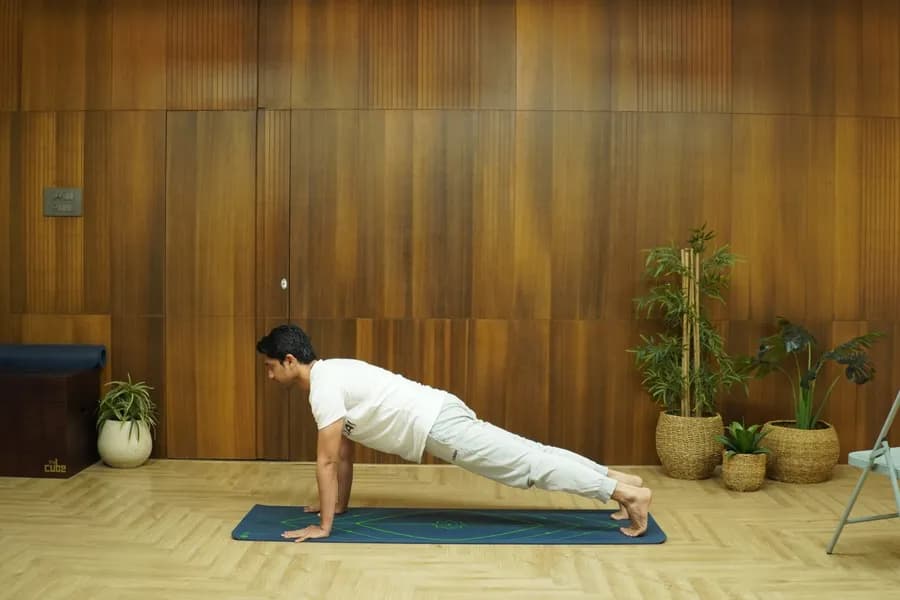
Santolanasana (Balance Pose): Steps, Benefits and Precautions
Also identified with Kumbhakasana, this pose is specifically described in the Bihar School of Yoga tradition as the complete balancing of the body in a push-up position. See the steps, benefits, and precautions.

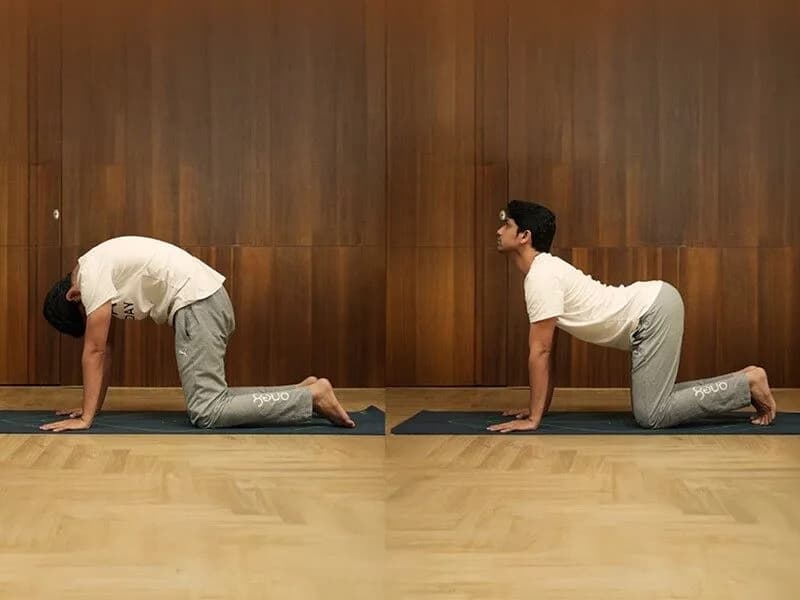
Chakravakasana (Ruddy Goose Pose): Steps, Benefits and Precautions
This four-point kneeling anti-rotation exercise builds lumbar stability and shoulder alignment, named after the ruddy shelduck of Hindu mythology. See the steps, benefits, and precautions.
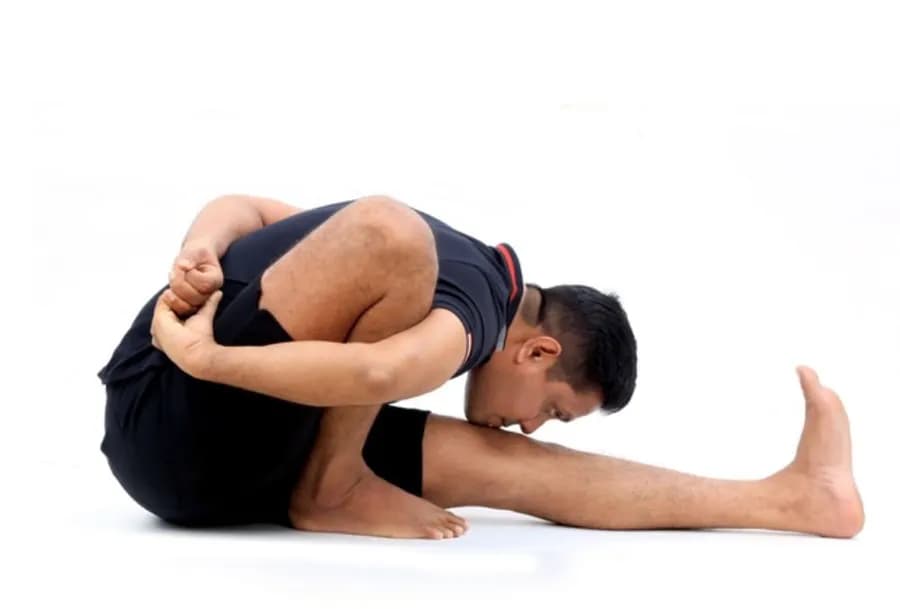
Marichyasana a (Sage Marichi’s Pose a): Steps, Benefits and Precautions
The first of four Marichi poses, this seated forward fold with one knee bent and an arm wrapped behind the back establishes the base that the more complex C and D variations build upon. See the steps, benefits, and precautions.