
Anjaneyasana (Low Lunge Pose): Steps, Benefits & Precautions
Anjaneyasana is a foundational yogic lunge named after Anjaneya — another name for Hanuman, the devoted son of Anjana. The pose builds hip flexor strength and f
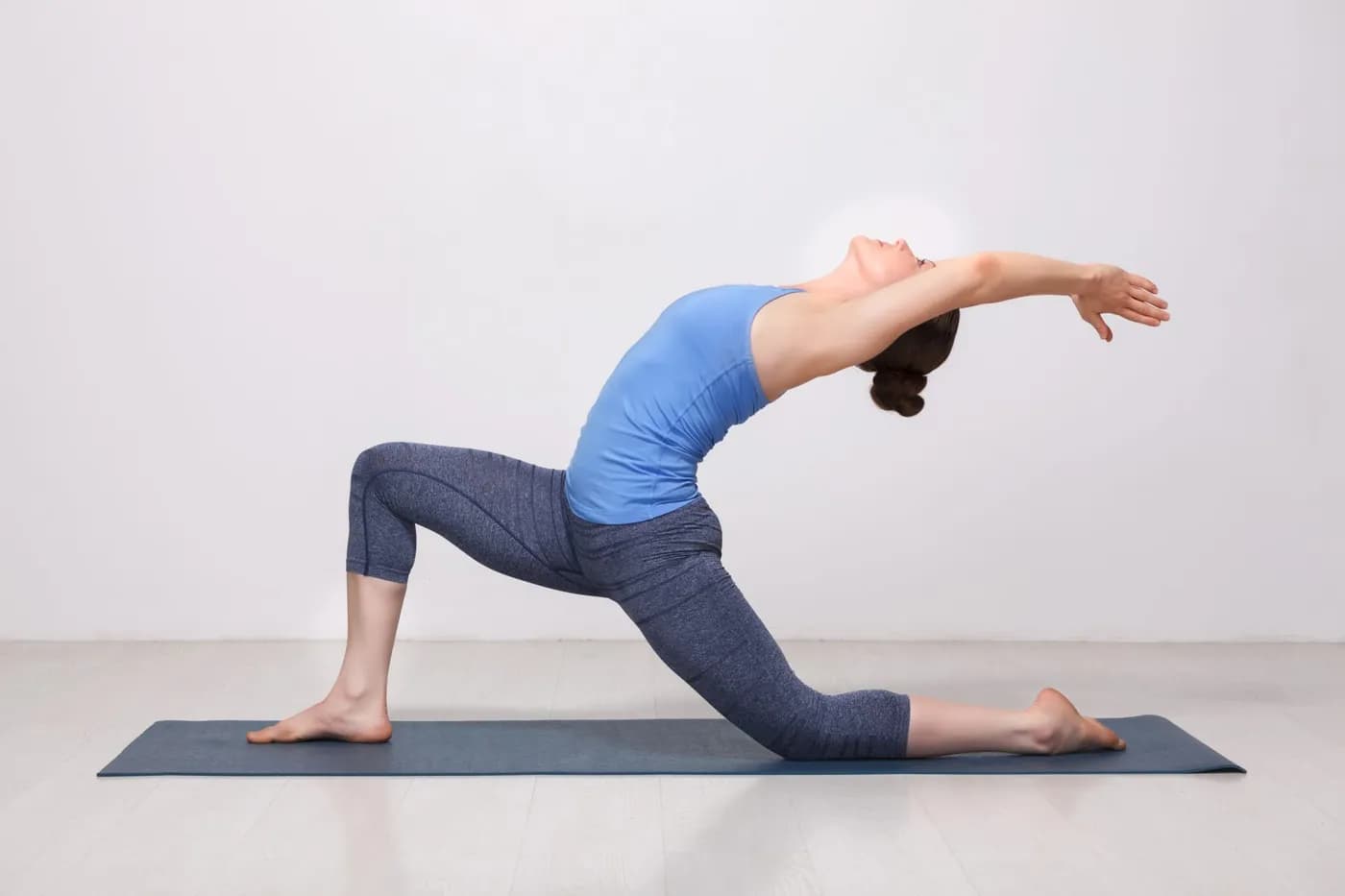
Key Takeaways
- Named after Anjaneya, a devotional name for Hanuman meaning ‘son of Anjana.’
- One knee grounds while the other moves forward, arms rising in a gesture of offering.
- Directly lengthens the iliopsoas, the primary hip flexor shortened by prolonged sitting.
- Relieves the anterior pelvic tilt that is the most common structural cause of low back pain.
- Taught within the morning movement curriculum as accessible to complete beginners.
- Said to cultivate the wholehearted, devotional quality of effort that Hanuman embodies.
Anjaneyasana is a foundational yogic lunge named after Anjaneya — another name for Hanuman, the devoted son of Anjana. The pose builds hip flexor strength and flexibility, opens the chest and shoulders, strengthens the lower body, and cultivates the grounded devotion that Hanuman embodies. It is one of the most accessible and therapeutically valuable poses in the modern yoga curriculum.
What is Anjaneyasana?
Anjaneyasana — the Low Lunge or Crescent Pose — derives its name from Anjaneya, a devotional name for Hanuman meaning “son of Anjana.” The pose physically mirrors the stance of a warrior in prayer — one knee grounded, one knee forward, arms rising — embodying both strength and surrender.
In the classical yoga tradition, Anjaneyasana represents Hanuman’s devotion and his capacity for full-hearted effort. The deep lunge that defines the pose opens the hip flexors — the muscles that carry the body’s accumulated tension from prolonged sitting — while the raised arms open the heart toward the sky in a gesture of offering.
At Habuild, Anjaneyasana is taught as a foundational daily practice within our morning movement curriculum — accessible to beginners, therapeutically essential for desk workers, and progressively deepened for experienced practitioners through breath integration and heart-opening variations.
Anjaneyasana Benefits
Physical Benefits
- Stretches and Releases Tight Hip Flexors Anjaneyasana is one of the most effective hip flexor stretches available in yoga. The deep lunge directly lengthens the iliopsoas — the primary hip flexor chronically shortened by sitting — restoring the natural range of motion that poor postural habits progressively restrict.
- Strengthens the Legs, Glutes, and Core The front thigh, glutes, and core are actively engaged throughout Anjaneyasana. Regular practice builds lower-body functional strength that supports everyday movement, improves posture, and protects the lower back.
- Opens the Chest and Improves Spinal Extension With arms raised, Anjaneyasana creates a full anterior chain opening — chest, shoulders, and thoracic spine all extending against the habitual forward rounding of modern posture. This is particularly valuable for those with desk-related upper-back tightness.
- Supports Lower Back Health By releasing the hip flexors and strengthening the surrounding musculature, Anjaneyasana relieves the anterior pelvic tilt that is the most common structural cause of chronic lower back discomfort.
Mental and Emotional Benefits
- Cultivates Focus and Grounded Presence Holding Anjaneyasana requires sustained attention to balance, breath, and alignment — making it a natural concentration practice. Regular practitioners report a calmer, more grounded quality of attention that extends into daily life.
- Builds Emotional Resilience and Devotional Quality Named for Hanuman’s devotion, Anjaneyasana cultivates the quality of wholehearted engagement — full effort, full openness. Practitioners working with emotional fatigue or low motivation consistently report renewed energy and commitment with regular low lunge practice.
How to Do Anjaneyasana — Step-by-Step Instructions
Key Principles
The pelvis descends toward the floor — not the torso toward the thigh. The front knee tracks directly over the ankle. The back knee is soft and grounded, not hyperextended. The chest lifts and opens throughout, never collapsing forward.
Step 1: Starting Position Begin in Adho Mukha Svanasana (Downward Dog) or standing at the top of your mat. Spine long, breath steady.
Step 2: Step the Right Foot Forward Step the right foot forward between the hands — right knee directly above the right ankle. The left leg extends back.
Step 3: Lower the Back Knee Lower the left knee to the mat. Place a folded blanket beneath it if needed. The left foot may remain flat or the toes can be tucked under.
Step 4: Sink the Hips Draw the hips down and forward — feeling the hip flexor stretch along the left thigh’s front. Pelvis moves toward the floor, not the torso toward the front thigh.
Step 5: Raise the Arms and Open the Chest Inhale and sweep the arms overhead — palms facing each other or touching. Chest lifts. Shoulders draw back and down, away from the ears. Gaze forward or slightly upward.
Step 6: Hold, Then Release Hold for five to eight breaths. To release, exhale the arms down, step back to Downward Dog, and repeat on the left side.
Breathing in Anjaneyasana
Inhale to lengthen and lift — creating space in the spine and chest. Exhale to soften and descend — releasing the hip flexors deeper with each out-breath. Ujjayi breathing maintains internal warmth and deepens the stretch progressively without forcing.
Preparatory Poses Before Anjaneyasana
- Balasana (Child’s Pose, 2–3 minutes) — Releases the lumbar spine before the lunge’s extension demand.
- Supta Padangusthasana (Reclining Hand-to-Big-Toe Pose) — Opens the hamstrings of the front leg before stepping forward.
- Adho Mukha Svanasana (Downward Dog, 5 breaths) — Warms the entire posterior chain and establishes the breath rhythm before entering the lunge.
Variations of Anjaneyasana
- Variation 1: Supported Anjaneyasana — Beginner A folded blanket placed beneath the back knee removes discomfort and allows full focus on the hip flexor release. The arms may rest on the front thigh rather than overhead if shoulder mobility is limited.
- Variation 2: Anjaneyasana with Backbend — Intermediate From the full overhead arm position, gently arch the upper back — thoracic extension deepening the anterior chain opening. Keep the lower ribs from flaring outward; the backbend comes from the upper back only.
- Variation 3: Twisted Anjaneyasana — Advanced From the low lunge, bring the hands to the heart in Anjali Mudra and twist the torso — hooking the opposite elbow outside the front knee. This variation adds spinal rotation and challenges balance simultaneously.
Common Mistakes to Avoid in Anjaneyasana
- Front knee collapsing inward — The front knee tracks the second toe throughout. Inward collapse strains the knee joint.
- Back knee hyperextended — The back leg should rest softly on the mat, not be pressed aggressively into it.
- Pelvis tilting forward without hip descent — The hips descend toward the floor; the pelvis does not tip forward to compensate for tight hip flexors.
- Shoulders creeping toward the ears — Shoulders actively draw down and back when the arms raise overhead.
- Holding the breath — The release of the hip flexors depends on conscious exhalation. Breath-holding prevents the muscular letting-go that produces the stretch.
Who Should Practise Anjaneyasana?
- Those with Hip Flexor Tightness and Lower Back Pain
- Anjaneyasana is the single most accessible and effective yoga pose for the chronically shortened hip flexors that cause or worsen lower back pain in desk-working adults. Daily practice produces measurable improvement in hip mobility within two to three weeks.
- Those Building Lower Body Strength and Stability The quad, glute, and core engagement of Anjaneyasana builds functional lower-body strength that supports every physical activity — from walking to running to more advanced yoga.
- Is Anjaneyasana Good for Beginners? Yes — Anjaneyasana is one of the most beginner-accessible standing poses in yoga. With a blanket beneath the back knee and arms on the front thigh rather than overhead, the pose is immediately available to all practitioners regardless of flexibility.
Make Anjaneyasana a Part of Your Life
Anjaneyasana is among yoga’s most complete foundational poses — building lower-body strength, releasing the hip flexors that modern life chronically tightens, opening the chest, and cultivating the devotional quality of Hanuman that the pose’s name honours.
Whether you are a complete beginner managing desk-related back pain or an experienced practitioner deepening your morning practice, Anjaneyasana delivers progressive, tangible benefits with daily use — and the modifications available make it immediately accessible at every level.
Start your 14 day free yoga journey with Habuild, today!
Anjaneyasana opens tight hip flexors gradually — the first few times you hold it, you’re mostly just finding the stretch, and the real gains in flexibility and strength show up weeks into consistent practice. Skipping around between poses without a routine tends to slow that progress. Habuild’s Yoga Everyday program sequences lunges like this into a daily flow so the hip-opening work actually adds up.
Frequently Asked Questions
Related Articles
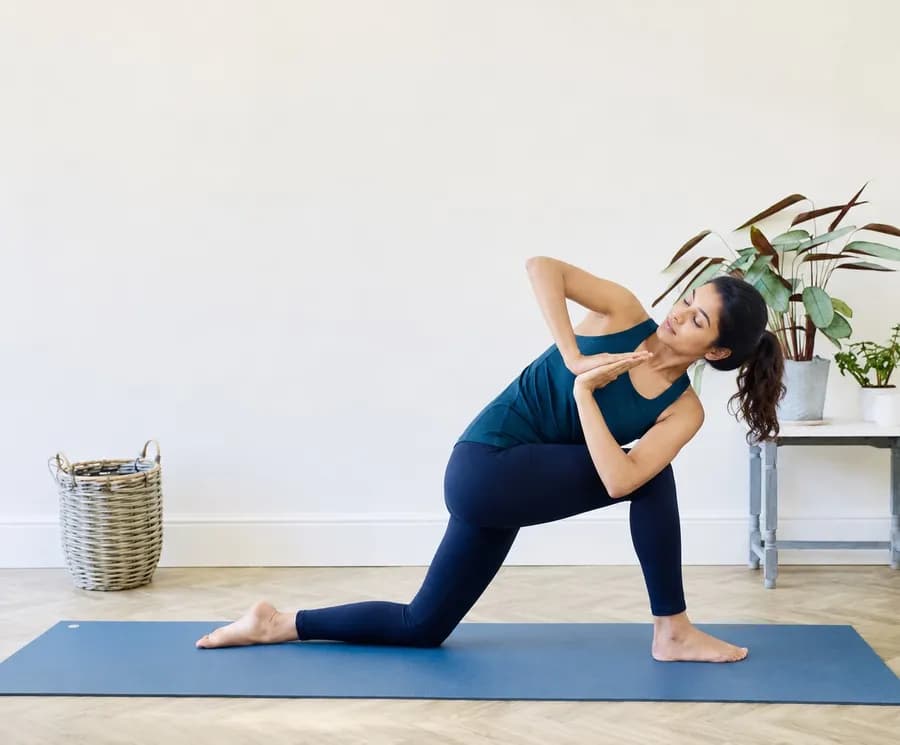
Parivrtta Anjaneyasana (Revolved Crescent Lunge Pose): Steps, Benefits & Precautions
This standing twist combines a deep low lunge with a full spinal rotation, stretching the hip flexors and stimulating the abdominal organs at once. See the steps, benefits, and precautions.

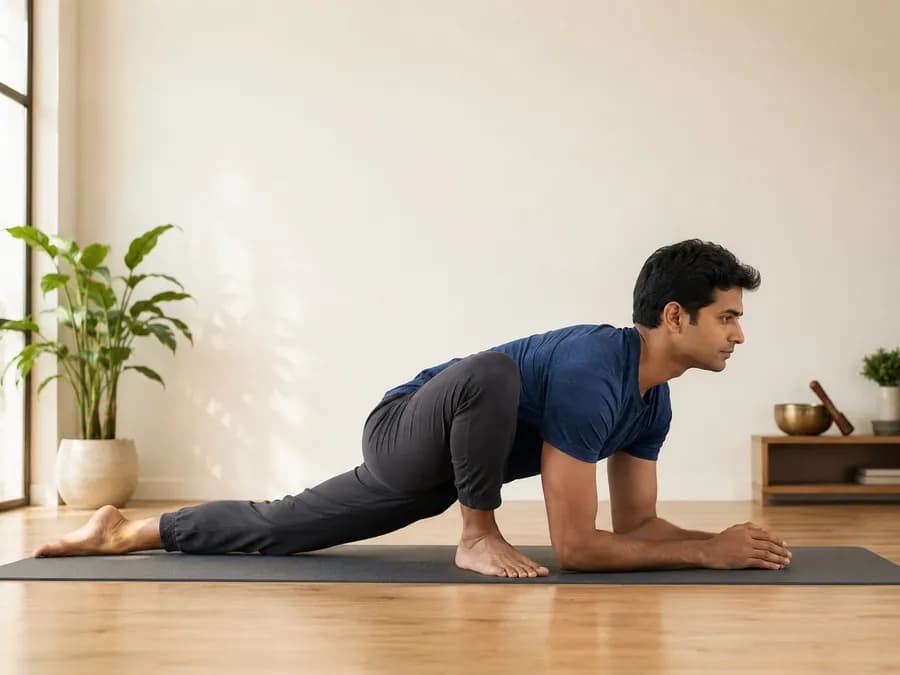
Utthan Pristhasana (Lizard Pose): Steps, Benefits and Precautions
This deep low lunge takes the hip into a more intense range than standard Anjaneyasana, with the front foot outside the hand rather than between them. See the steps, benefits, and precautions.
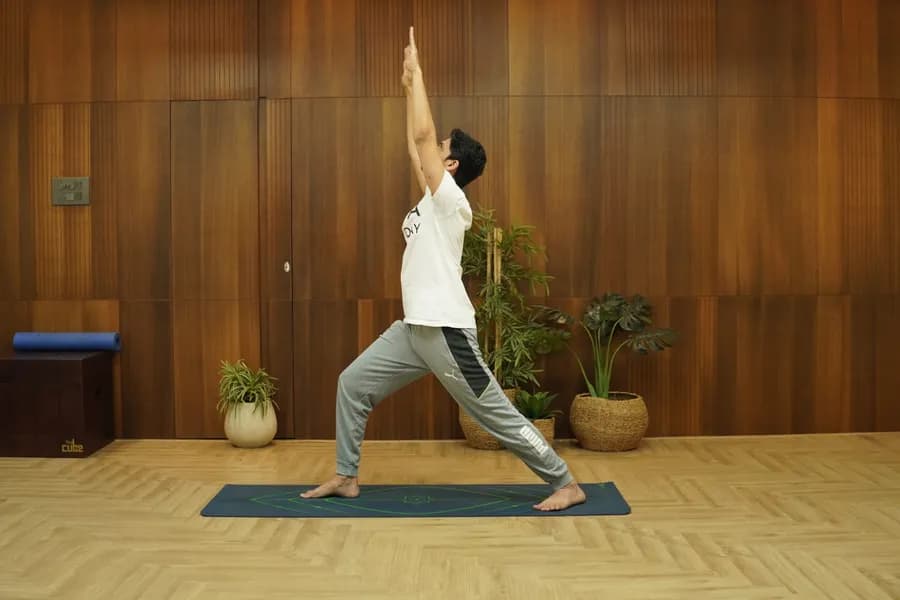
Virabhadrasana 1 (Warrior 1): Steps Benefits and Alignment Cues
Practice Virabhadrasana 1 with Habuild. Follow the Warrior I steps to strengthen your legs, open your hips, and build stamina and mental focus. Start today!