
Guptasana (Hidden or Secret Pose): Steps, Benefits and Precautions
The feet tuck beneath the thighs in this cross-legged seated posture, its benefits traditionally understood as internal and hidden from outside
Key Takeaways
- Its name means ‘hidden’ or ‘secret,’ referring to feet tucked out of sight beneath the thighs.
- Differs from Siddhasana’s heel-to-perineum placement and Sukhasana’s simple ankle cross.
- Both feet tuck beneath the opposite thighs, creating a symmetrical, contained seated base.
- Functions primarily as a stable meditation seat rather than a pose practised for its own sake.
- Its stability specifically suits extended pranayama sessions lasting 20-45 minutes without shifting.
- Hip external rotation and inner thigh flexibility improve progressively with daily practice.
What is Guptasana?
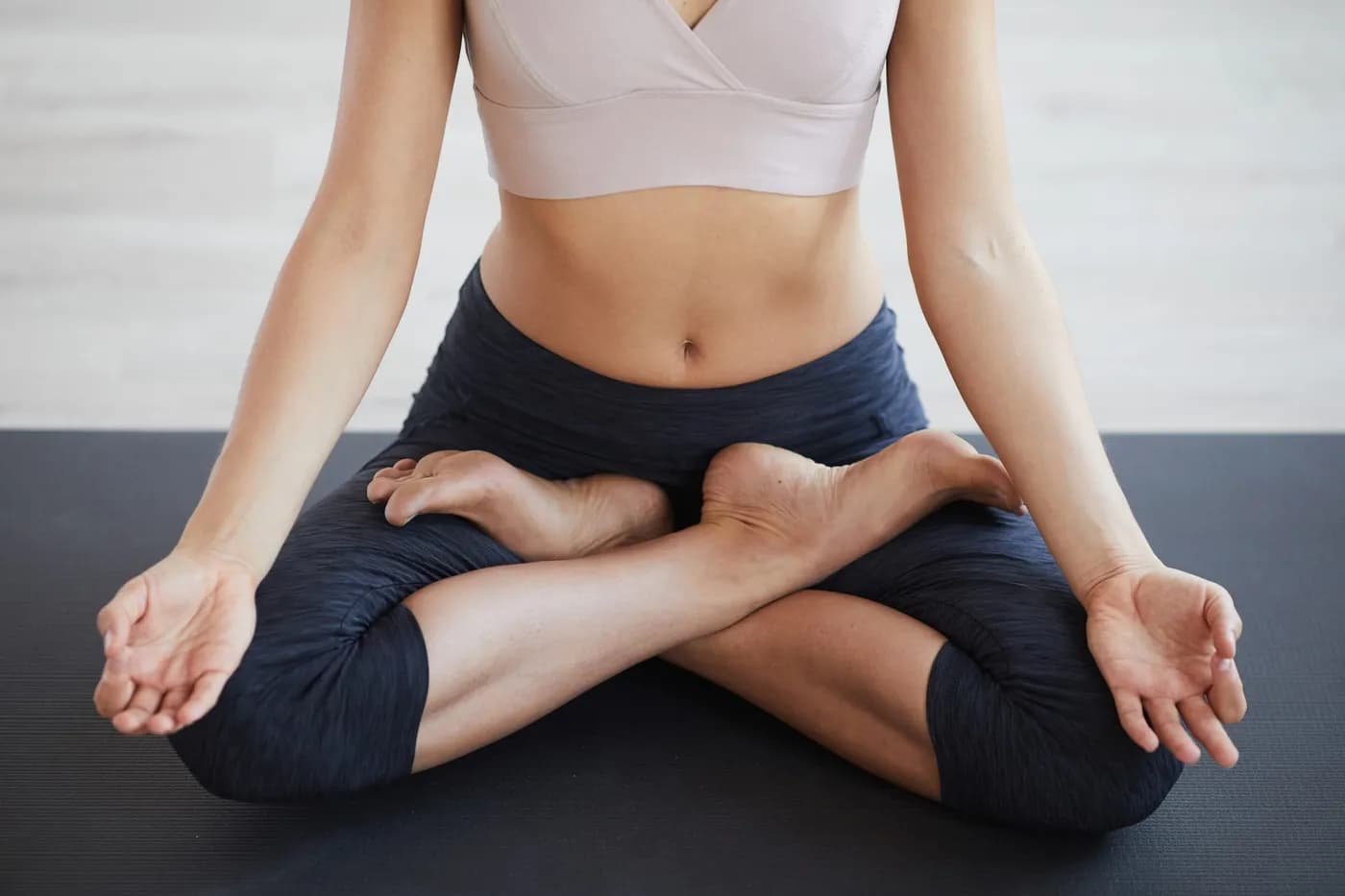
Guptasana — pronounced goop-TAH-sah-nah — derives from the Sanskrit gupta (hidden, secret or concealed) and asana (pose). The English name is Hidden Pose or Secret Pose — a name that reflects both the tucked, concealed position of the feet beneath the thighs in this cross-legged seated posture and the traditional understanding that this pose’s primary benefits are internal and “hidden” from external observation. The pose is also sometimes called the Concealed Pose.
Guptasana — the Hidden or Secret Pose — is a cross-legged seated position that produces deep hip external rotation opening while providing one of the most stable and grounded foundations for pranayama and meditation practice. Its name (gupta meaning hidden or secret in Sanskrit) refers both to the folded, inward-facing quality of the position and to the traditionally less visible nature of the inner practice it supports. This guide covers the technique, hip opening requirements and therapeutic applications.
Guptasana is a cross-legged meditation seat in which both feet are tucked beneath the opposite thighs — the left foot beneath the right thigh and the right foot beneath the left thigh — creating a symmetrical tucked seat that many practitioners find both stable and comfortable for extended meditation practice. It differs from Siddhasana (in which one heel presses the perineum and the other foot rests on top) and from Sukhasana (in which the ankles cross in front of the shins) through this specific under-thigh foot placement.
Guptasana yoga practice is primarily a meditation seat — it provides the stable, upright, comfortable base for extended pranayama and meditation practice that is both the practical and the symbolic purpose of the “hidden” pose. Its guptasana benefits are therefore primarily in the domain of meditation posture quality, hip flexibility development and the prolonged seated comfort that extended inner practice requires.
Guptasana Benefits
- Physical Benefit 1: Hip External Rotation and Inner Thigh Opening The cross-legged foot-tucking position of Guptasana develops the hip external rotation and inner thigh flexibility that sustained comfortable meditation seating requires. Guptasana benefits for hip mobility improve progressively with consistent daily practice — the daily sitting in this position gradually increasing the hip external rotation range that makes longer meditation sessions comfortable.
- Physical Benefit 2: Grounded, Stable Meditation Posture The under-thigh foot placement of Guptasana creates a particularly stable and grounded seated position — the feet tucked beneath the thighs providing a more contained base than standard Sukhasana. This stability quality makes guptasana yoga practice specifically suited for extended pranayama sessions where the practitioner needs to remain completely still for 20-45 minutes.
- Physical Benefit 3: Stimulates the Lower Chakra Region The tucked foot position creates subtle pressure on the inner foot and ankle structures that traditional yoga texts attribute to stimulation of the lower chakra region — the Muladhara and Svadisthana energy centres that the foot placement region corresponds to in the traditional anatomical map. The guptasana benefits for energetic grounding are among the specifically attributed in classical yoga texts.
- Mental and Emotional Benefit 4: Inward Withdrawal and Pratyahara The “hidden” quality of Guptasana — the feet concealed beneath the thighs, the body turned inward — embodies the pratyahara (withdrawal of the senses) that meditation practice develops. Sitting in Guptasana naturally encourages the inward orientation that makes it the hidden pose: the practitioner’s awareness withdraws from the external into the internal, where the real practice of yoga occurs.
- Mental and Emotional Benefit 5: Cultivation of Stillness and Inner Peace The stable, symmetrical, grounded quality of Guptasana creates the physical conditions for the mental stillness that meditation requires. Consistent guptasana yoga practice cultivates the capacity for prolonged comfortable stillness that is the foundational requirement for the deepest available meditation practice.
Guptasana requires sustained hip external rotation that progressively opens the piriformis, obturator and deep hip rotators — the same structures whose chronic restriction produces the sacroiliac pain and hip discomfort that affects 30–40% of sedentary adults.
The symmetrical, low-centre-of-gravity position of Guptasana activates the vestibular grounding response — producing the settled, centred quality that makes it one of the most effective available positions for the nervous system calming that pranayama practice requires.
The heel pressure on the perineal region in Guptasana stimulates the Muladhara energy centre — the classical yoga mechanism of this pose — while also producing mild perineal pressure that activates the pelvic floor in the same way as seated meditation and pranayama practice.
Research on cross-legged seated posture and contemplative practice confirms that symmetrical grounded positions produce significantly lower cortisol and higher sustained attention performance than chair sitting — making Guptasana a measurably better meditation seat than conventional furniture.
The inward, gathered quality of Guptasana — the body folded, the external world reduced, the gaze lowered — cultivates the pratyahara (sensory withdrawal) quality that the classical yoga tradition identifies as the transition point between physical and meditative practice.
How to Do Guptasana — Step-by-Step Instructions
Key Principles
Guptasana should be genuinely comfortable — discomfort in the ankles, feet or knees indicates the hips are not yet sufficiently open for this specific sitting position. The feet tucked beneath the thighs must be in a comfortable, supported position. Use a folded blanket under the sitting bones to elevate the pelvis if needed to reduce hip strain.
Step 1: Begin in Dandasana or Simple Cross-Legged Seat
Begin seated with legs either extended (Dandasana) or in a comfortable cross-legged position (Sukhasana). Sit on a folded blanket if the hip flexibility is not yet sufficient to sit upright comfortably without lower back rounding. Establish the upright spine before beginning the foot placement.
Step 2: Place the Left Foot Beneath the Right Thigh
Bend the left knee and gently slide the left foot under the right thigh — the left foot tucked beneath the right thigh with the sole facing upward. The left ankle and foot should rest comfortably under the thigh without strain. Take several breaths here before adding the right foot.
Step 3: Place the Right Foot Beneath the Left Thigh
Bend the right knee and slide the right foot under the left thigh — completing the symmetrical Guptasana foot placement with both feet tucked beneath the opposite thighs. Both soles face upward. The ankles may cross beneath the perineum in the full expression. Take 3-5 breaths to settle the position and confirm comfort before establishing the upright meditation seat.
Step 4: Establish the Upright Meditation Spine
With the feet tucked, establish the upright meditation spine: sitting bones grounded, lumbar with natural curve, thoracic elongated, crown of head lifting. Place the hands on the knees in Jnana Mudra or Chin Mudra — index finger to thumb, other fingers extended. The eyes may be gently closed or soft-focused at floor level.
Step 5: Full Guptasana — Meditation Seat Established
In the full Guptasana, both feet are tucked beneath the opposite thighs, the spine is upright and elongated, the hands are in mudra and the gaze is soft and inward. This is the meditation seat. Hold for 5-20 minutes of pranayama or meditation, building duration progressively as the hip flexibility and seated endurance develop.
Step 6: How to Come Out of Guptasana
To release, gently remove one foot at a time from beneath the opposite thigh. Extend the legs into Dandasana and shake the ankles gently to release any compression. Alternate the cross of the legs between sessions to develop equal bilateral hip flexibility.
Breathing in Guptasana
Guptasana is designed for pranayama — all breathing practices from the complete yogic breath through Nadi Shodhana to Kumbhaka are appropriately performed in this seated position. The stable, upright base allows full diaphragmatic breathing without the hip or back strain that less stable positions can produce during extended pranayama.
Preparatory Poses Before Guptasana
- Sukhasana (Easy Pose) — the simpler cross-legged seat that develops the hip openness before the tucked-foot position.
- Baddha Konasana (Bound Angle) — opens the hip external rotators toward comfortable Guptasana.
- Siddhasana (Accomplished Pose) — a related meditation seat that develops similar hip flexibility requirements.
- Butterfly stretch — gentle inner thigh and groin opening before the tucked position.
Variations of Guptasana
Variation 1: Sukhasana (Beginner Alternative)
Simple cross-legged with ankles in front of shins — the accessible entry seat that develops the hip flexibility toward Guptasana without the under-thigh foot placement challenge. Difficulty: Beginner
Variation 2: Guptasana with Blanket Support (All Levels)
Sitting on a folded blanket to elevate the pelvis — allows the upright spinal alignment that is the primary meditation seat requirement before full hip flexibility makes floor sitting comfortable. Difficulty: All levels
Variation 3: Siddhasana (Advanced Meditation Seat)
One heel pressing the perineum, the other foot resting on top — the traditional advanced meditation seat that shares the seated meditation purpose with Guptasana while developing the additional Muladhara stimulation of the heel contact. Difficulty: Intermediate-Advanced
Common Mistakes to Avoid in Guptasana
- Mistake 1: Forcing the Feet Under Before Hip Flexibility Allows It Forcing the feet into the tucked position when the hip external rotation is insufficient creates ankle and knee strain rather than the comfortable stable seat Guptasana is designed to provide. Use Sukhasana until the hip opening makes Guptasana naturally accessible.
- Mistake 2: Rounding the Lower Back in the Seated Position Rounding the lumbar spine in Guptasana defeats the upright meditation posture purpose. Use a blanket under the sitting bones to maintain the natural lumbar curve if floor sitting rounds the back — the upright spine is non-negotiable for meditation practice.
- Mistake 3: Unequal Sitting Time on Each Side Sitting with only one foot-cross orientation consistently develops unequal hip flexibility. Always alternate which foot is placed beneath which thigh between sessions for bilateral hip development.
- Mistake 4: Ignoring Ankle or Foot Discomfort Numbness or pain in the tucked foot requires immediate release. The under-thigh compression should not produce circulation-compromising pressure — if the foot goes numb, adjust immediately or return to Sukhasana.
Who Should Practise Guptasana?
- Meditation and Pranayama Practitioners Guptasana is specifically a meditation and pranayama seat — its primary audience is practitioners who require a stable, comfortable and grounded base for extended inner practice. The guptasana benefits are most fully realised in the context of daily seated practice.
- Those Developing Hip Flexibility for Meditation Seating Guptasana provides the natural progression from Sukhasana toward the fuller hip-opening meditation seats of Siddhasana and Padmasana — developing the hip external rotation that advanced seated practice requires through the daily repetition of this accessible intermediate seat.
- Is Guptasana Good for Beginners? Yes — with the blanket support and the Sukhasana alternative, the essence of Guptasana is accessible from early practice. The under-thigh foot placement follows naturally as hip flexibility develops. Habuild’s sessions provide the seated meditation posture guidance that makes Guptasana effective from the first session.
- Working Professionals Seeking a Grounded Daily Meditation Seat Guptasana’s grounded, stable quality makes it specifically suited for the daily meditation practice that working professionals seeking stress management and mental clarity need — a comfortable, accessible seat for 10-20 minutes of morning pranayama and mindfulness.
650,000+ people building better habits every morning every morning. Live daily sessions. Real-time corrections. Cancel anytime.
Guptasana’s cross-legged base becomes more comfortable to sit in only through repetition — the hips and ankles gradually open to the position, and what once felt tight starts to feel like a natural resting seat. That kind of change happens through daily practice, not an occasional attempt at the pose. Habuild’s Yoga Everyday program can help you build that consistency with guided seated and hip-opening sequences.
Frequently Asked Questions
Related Articles
Santolanasana (Balance Pose): Steps, Benefits and Precautions
Also identified with Kumbhakasana, this pose is specifically described in the Bihar School of Yoga tradition as the complete balancing of the body in a push-up position. See the steps, benefits, and precautions.

Chakravakasana (Ruddy Goose Pose): Steps, Benefits and Precautions
This four-point kneeling anti-rotation exercise builds lumbar stability and shoulder alignment, named after the ruddy shelduck of Hindu mythology. See the steps, benefits, and precautions.
Marichyasana a (Sage Marichi’s Pose a): Steps, Benefits and Precautions
The first of four Marichi poses, this seated forward fold with one knee bent and an arm wrapped behind the back establishes the base that the more complex C and D variations build upon. See the steps, benefits, and precautions.