
Prana Mudra (Life Force Seal): Steps, Benefits & Precautions
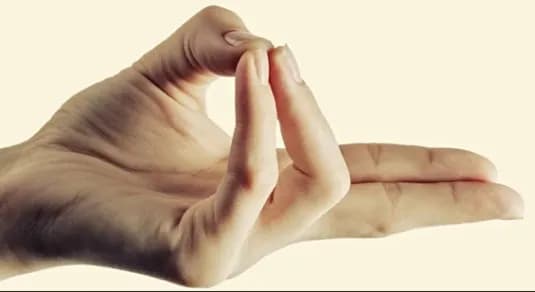
The ring finger and little finger curl to touch the thumb while the index and middle fingers extend outward, said to awaken and channel the body’s primary.
Key Takeaways
- The ring and little fingers curl to touch the thumb while index and middle stay extended.
- Associated with the root chakra (Muladhara), combining the earth and fire elements.
- Traditionally used as a starting point for pranayama, creating a grounded energy base first.
- Regular 15-30 minute practice is linked to gradually improved overall energy levels.
- Some practitioners report reduced eye strain, tied to the thumb’s fire element governing sight.
- Creates a closed energy circuit believed to activate the parasympathetic nervous system.
What is Prana Mudra?
Prana Mudra — pronounced prah-nah moo-drah — translates directly as the “Seal of Life Force.” In Sanskrit, prana refers to the vital life energy that animates every living being, and mudra means a sacred seal or gesture formed by the hands. Together, they describe a hand position said to awaken and channel the body’s primary life energy.
Visually, the pose is simple and unassuming: the ring finger and little finger curl to touch the tip of the thumb, while the index and middle fingers extend outward, relaxed and straight. This compact gesture can be held while seated in Padmasana, Sukhasana, or even during a quiet moment at your desk.
Within the broader system of Hasta Mudras — hand gestures used in yoga and Ayurveda — Prana Mudra holds a particularly foundational place. It is associated with the root chakra (Muladhara), the earth element, and the fire element of the thumb, making it one of the most energising mudras in the classical tradition. Practitioners have used it for centuries as a starting point for pranayama and meditation, precisely because it is thought to create a stable, grounded base of energy before deeper practices begin.
Prana Mudra Benefits
- Supports Vitality and Reduces Fatigue One of the most widely reported prana mudra benefits is a gradual improvement in overall energy levels. Regular practice — typically 15 to 30 minutes daily — may help the body feel less sluggish over time, particularly during periods of chronic tiredness. This is attributed to the stimulation of the root chakra, which governs the body’s foundational energy reserves.
- May Strengthen the Immune Response Prana Mudra is traditionally associated with supporting the body’s natural defences. When practised consistently alongside conscious breathing, it is believed to support the smooth circulation of pranic energy through the body’s energy channels, which classical yoga texts link to better overall resilience. It complements — not replaces — medical care for immunity-related concerns.
- Supports Eye Health Through Regular Practice Among the more specific benefits of prana mudra noted in traditional yoga is its association with eye health. Some practitioners report a gradual reduction in eye strain and improved visual comfort after several weeks of sustained daily practice. This is thought to connect to the fire element of the thumb, which in Ayurveda governs sensory organs including the eyes.
- Calms the Nervous System and Eases Anxiety Prana Mudra creates a closed energy circuit in the hands that, when paired with slow, even breathing, may help activate the parasympathetic nervous system. Practitioners often describe a noticeable shift in mental tension within minutes of holding the gesture — a gradual settling rather than an instant fix. Over weeks of daily use, it can support better management of everyday stress and anxious feelings.
- Improves Concentration and Mental Clarity Because Prana Mudra is linked to stabilising the root chakra, it can help create a grounded mental state that makes sustained focus easier. Students, professionals, and anyone dealing with scattered thinking often find that 10 to 15 minutes of Prana Mudra before study or deep work helps them settle into the task at hand. It pairs well with simple breath awareness or silent meditation. Exploring the full range of mudras and their benefits can give you a broader sense of how hand gestures complement an established yoga routine.
How to Do Prana Mudra — Step-by-Step Instructions
Key Principles
Keep your spine long and your shoulders relaxed away from your ears throughout the practice. The gesture should feel effortless — fingers touching lightly, not pressed hard. Both hands hold the mudra simultaneously, resting on the thighs with palms facing upward. Breathe naturally through the nose unless a specific pranayama is paired with the practice.
Step 1: Starting Position
Sit comfortably in Sukhasana (simple cross-legged position) or Padmasana. Place both hands on your thighs with palms facing upward. Close your eyes and take three slow, deep breaths to settle the mind before forming the gesture. Feel the contact of your sitting bones with the floor — this grounding is part of the practice.
Step 2: Extend the Index and Middle Fingers
Allow the index and middle fingers to extend naturally and softly. There is no tension in these fingers — they simply point outward without rigidity. Think of them as antennas receiving, not pointing. The wrist remains neutral, not bent up or down.
Step 3: Fold the Ring Finger
Gently bring the tip of your ring finger to touch the tip of your thumb. The touch is light — the pads of the fingertips make contact without pressing. You should feel a subtle, soft connection rather than pressure. The ring finger connects to the earth element in classical mudra theory, making this contact the grounding component of the seal.
Step 4: Fold the Little Finger
Now bring the tip of your little finger to also touch the tip of the thumb, joining the ring finger. Both fingertips rest lightly against the thumb tip simultaneously. The little finger relates to the water element, adding a fluid, nurturing quality to the energy seal. Check that neither finger is straining or bending at an uncomfortable angle.
Step 5: Final Position and Hold
Both hands now hold the complete Prana Mudra. Rest them on your thighs, palms upward. Keep your spine tall without stiffness, chin slightly tucked, and eyes softly closed. Hold this position for 15 to 30 minutes if possible, or begin with 5 minutes and extend gradually over days and weeks of practice.
Step 6: How to Come Out of Prana Mudra
Release the gesture slowly by first relaxing the little finger, then the ring finger, letting both straighten naturally. Place your hands flat on your thighs for a moment. Take two full, slow breaths before opening your eyes. Move mindfully — avoid standing up abruptly, as deep mudra practice can leave you feeling pleasantly unhurried.
Breathing in Prana Mudra
Natural, slow nasal breathing is the default. Inhale for a count of four, pause briefly, and exhale for a count of six — a simple ratio that activates the relaxation response while keeping the energy aware and present. If you practise Anulom Vilom or Nadi Shodhana alongside Prana Mudra, the combination is traditionally considered especially effective for building sustained vitality. Avoid holding the breath forcefully; all pauses should feel comfortable and unhurried.
Preparatory Poses Before Prana Mudra
Prana Mudra is a hand gesture rather than a body posture, so physical preparation focuses on creating a comfortable, sustainable seated base and opening the fingers and wrists gently.
- Sukhasana (Easy Pose) — Establishes a stable, grounded seat so the mind can settle before holding the mudra for extended periods.
- Finger and wrist circles — Roll each wrist clockwise and counterclockwise five times, then gently spread and close the fingers. This warms the small joints and makes the light finger contact in Prana Mudra feel natural rather than forced.
- Padmasana (Lotus Pose) — For practitioners comfortable with the lotus position, this deeper seated posture creates an even more stable energetic foundation for extended mudra practice, encouraging the spine to lengthen without effort.
- Three-part breath (Dirga Pranayama) — Spending two to three minutes filling the belly, ribcage, and chest in sequence primes the respiratory system and settles mental chatter before the mudra practice begins.
Variations of Prana Mudra
Variation 1: Seated Prana Mudra with Eyes Open (Beginner-Friendly)
Difficulty: Beginner. Instead of closing the eyes, maintain a soft downward gaze at a fixed point about a metre ahead. This variation is ideal for those new to meditation who find closed-eye practice mentally restless. The grounding quality of Prana Mudra is preserved while the visual anchor helps sustain focus for longer.
Variation 2: Standing Prana Mudra (Active Variation)
Difficulty: Beginner to Intermediate. Hold the same hand gesture while standing in Tadasana (Mountain Pose) with feet hip-width apart. This variation activates the mudra’s energising properties while the body is upright, which some practitioners find particularly helpful for combating mid-afternoon fatigue. Hold for 5 to 10 minutes with steady, slow nasal breathing.
Variation 3: Prana Mudra with Nadi Shodhana Pranayama (Advanced)
Difficulty: Intermediate to Advanced. While holding Prana Mudra in one hand, use the other hand to practise alternate-nostril breathing (Nadi Shodhana). Switch the active hand after completing each full cycle. This combination is described in several classical yoga texts as particularly potent for balancing the body’s energy channels and supporting mental steadiness over time.
Common Mistakes to Avoid in Prana Mudra
- Pressing the Fingers Together Too Firmly The touch between the ring finger, little finger, and thumb should be feather-light — just the pads of the fingertips making gentle contact. Pressing hard creates muscular tension that works against the mudra’s calming effect. If your fingertips are white from pressure, ease off significantly.
- Holding Tension in the Shoulders and Jaw Many practitioners unconsciously hunch their shoulders or clench their jaw during extended holds. Every few minutes, consciously drop your shoulders away from your ears and let your jaw soften. The rest of the body should be as relaxed as the hands.
- Using Only One Hand Prana Mudra is traditionally practised with both hands simultaneously. Using only one hand disrupts the bilateral energy balance the mudra is intended to create. Make it a habit to form the gesture with both hands from the very first session.
- Practising for Too Short or Too Irregular a Time A single five-minute session will not deliver the gradual improvements Prana Mudra is associated with. The classical recommendation is a minimum of 15 minutes daily, ideally at the same time each morning. Consistency over weeks matters far more than any single long session.
- Confusing Prana Mudra with Gyan Mudra A frequent mix-up: in Gyan Mudra only the index finger and thumb touch; in Prana Mudra both the ring finger and little finger join the thumb. Check your hand before beginning — the difference in finger contact changes the energetic intention entirely.
- Slouching the Spine The quality of your seated posture directly affects the benefit of the practice. A collapsed lower back compresses the abdomen and restricts full breathing. Sit on the edge of a folded blanket if needed to tilt the pelvis gently forward and maintain a natural lumbar curve throughout the session.
Who Should Practise Prana Mudra?
- Those Dealing with Fatigue, Low Energy, or Vitamin Deficiencies Prana Mudra is often recommended for individuals who consistently feel drained, whether from a demanding lifestyle, nutritional gaps, or recovering from illness. Consistent daily practice may gradually support a more stable sense of vitality alongside appropriate dietary and medical care. It is not a substitute for addressing underlying causes of fatigue but can form a useful part of a broader wellness routine.
- Those Managing Stress, Anxiety, or Poor Sleep Because Prana Mudra pairs naturally with slow breathing and encourages the body to shift toward a calmer state, it can be a gentle daily support for those dealing with persistent mental tension. Practised in the evening, it may help ease the transition toward restful sleep. Pairing the mudra with a dedicated pranayama practice deepens the calming effect considerably.
- Is Prana Mudra Good for Beginners? Absolutely. Prana Mudra requires no prior yoga experience, no special equipment, and no physical flexibility. It can be practised on a chair, on the floor, or even during a quiet commute. The gesture is simple enough to learn in under a minute and is safe for most people of all ages. If you are exploring yoga for the first time, building your knowledge of foundational yoga asanas alongside mudra practice creates a well-rounded daily routine.
- Working Professionals and Students Anyone who spends long hours at a desk, screen, or in high-focus intellectual work can benefit from Prana Mudra’s grounding and focusing effect. A 10-minute session before a demanding meeting or study block can help create a more settled, alert mental state. Unlike other yoga practices, it requires no change of clothes, no mat, and no dedicated space — making it genuinely accessible within any schedule.
Make Prana Mudra a Part of Your Life
Prana Mudra is one of the most accessible and rewarding practices in the yoga tradition — a simple hand gesture that, when held consistently with conscious breathing, may gradually support better energy, calmer nerves, and sharper focus. It suits complete beginners, busy professionals, and anyone looking to bring a moment of intentional stillness into their day.
Whether you are dealing with fatigue, mental scatter, or simply want a low-commitment starting point for a daily practice, Prana Mudra meets you exactly where you are. Modifications like practising on a chair, reducing hold time, or keeping the eyes open make it genuinely accessible regardless of experience or physical condition — and live instruction removes the guesswork around correct technique.