
Raja Kapotasana (King Pigeon Pose): Steps, Benefits and Precautions
The back leg bends with the foot held overhead and the torso deep in a backbend reaching toward the raised foot — the most complete expression of the
Key Takeaways
- The ‘king’ designation marks it as the most extreme full expression of the entire Pigeon family.
- Combines the hip external rotation of Eka Pada Rajakapotasana with a full spinal backbend.
- The back leg bends with the foot drawn overhead while the torso arches back to meet it.
- Simultaneously stretches the hip flexor, quadriceps, chest, shoulders, and cervical spine at once.
- Represents one of the deepest backbends found in the Ashtanga second series progression.
- The one-legged variation, without the extreme backbend, is far more commonly taught to students.
What is Raja Kapotasana?
Raja Kapotasana derives from Sanskrit raja (king or royal), kapota (pigeon or dove) and asana (pose). The English name is King Pigeon Pose — the royal full expression of the Pigeon family. The “king” designation indicates this is the most complete, most demanding expression of the kapota family — with the back leg bent, foot held overhead and torso in a deep backbend reaching toward the raised foot.
Raja Kapotasana — the King Pigeon Pose — is yoga’s most comprehensive anterior chain opening pose: a full expression of the Pigeon family that combines the deep hip external rotation and psoas stretch of Eka Pada Rajakapotasana with a full spinal backbend that reaches the foot of the bent-back leg toward the head. It is one of the most coveted and most demanding poses in the Hatha yoga repertoire, representing the integration of hip flexibility, spinal extension and the courage to open completely. This guide covers the full systematic progression.
Raja Kapotasana and Eka Pada Raja Kapotasana are related but distinct poses. The eka pada raja kapotasana (one-legged version) is more commonly taught: one leg extended back, the other knee bent forward, in a hip opener without the extreme backbend. Full Raja Kapotasana adds the deep backbend — the back leg is bent and the foot drawn overhead while the torso arches dramatically backward to meet it. The word “raja” (king) designates this extreme full expression.
Raja Kapotasana is among the most comprehensive available single-pose practices: simultaneously a deep hip flexor stretch, an extreme thoracic and lumbar backbend, a quadriceps stretch, a shoulder and anterior chest opening, and a cervical extension. The raja kapotasana benefits are therefore among the most wide-ranging available from any single asana.
Raja Kapotasana Benefits
- Physical Benefit 1: Comprehensive Anterior Body Opening Raja Kapotasana stretches the entire anterior body from the front hip through the abdomen, thoracic chest, anterior shoulders and cervical throat — all in a single continuous anterior body lengthening that no other available pose achieves in one gesture. The raja kapotasana benefits for anterior chain flexibility are the most comprehensive in the single-pose backbend category.
- Physical Benefit 2: Deep Hip External Rotation and Hip Flexor Opening The front knee’s pigeon hip opening and back knee’s bent hip extension simultaneously develop complementary hip mobility dimensions — making the ekapada raja kapotasana and full raja kapotasana variations the most comprehensive available single hip mobility practice, developing both anterior and external hip dimensions together.
- Physical Benefit 3: Extreme Thoracic Spinal Extension The full expression produces a depth of spinal extension that preparatory backbends cannot reach — directly developing the spinal flexibility that the deepest available Ashtanga second series backbends require. The raja kapotasana benefits for thoracic spine mobility represent the culmination of the progressive backbend development journey.
- Mental Benefit 4: the Most Profound Available Heart Opening The full Raja Kapotasana position — chest maximally elevated, anterior body fully opened from hip to crown — creates the most complete available anterior heart and throat opening. The raja kapotasana benefits for heart chakra activation and the emotional opening accompanying this extreme expansion are consistently described as among the most profound available through physical yoga practice.
- Mental Benefit 5: Courage and Complete Trust The depth of surrender required for full Raja Kapotasana — complete opening of the anterior body, extreme spinal arc, foot drawn to head — requires and develops the ultimate available yoga quality of courage combined with surrender. Consistent raja kapotasana practice produces the most profound available qualities of physical and psychological openness.
Raja Kapotasana simultaneously stretches the iliopsoas, rectus femoris, anterior chest, anterior shoulder and abdominal wall — producing the most comprehensive single-pose anterior chain opening available in the entire yoga repertoire.
Raja Kapotasana produces simultaneous hip flexor, quadriceps, thoracic, anterior shoulder and cervical lengthening — the most comprehensive single-pose anterior chain opening available in the entire yoga asana system.
The hip external rotation of Raja Kapotasana reaches the maximum available range of the piriformis, obturator and deep hip rotators — directly addressing the hip restriction that is the structural precondition for sacroiliac pain, lower back stiffness and the majority of hip complaints.
The full spinal backbend of Raja Kapotasana requires and progressively builds the maximum available thoracic extension — the 60+ degrees that represent the most significant structural counteraction to the forward-rounding pattern of modern daily life.
Raja Kapotasana is consistently identified by practitioners as the pose that produces the most profound emotional release in the yoga repertoire — the complete anterior vulnerability combined with the deep hip opening creating the conditions for the somatic processing that trauma-informed yoga specifically prescribes.
Approaching Raja Kapotasana requires a specific form of courage — the willingness to open completely without reservation or self-protection. The months-long journey toward the full expression builds the deepest available form of embodied courage and self-trust in the yoga practice.
How to Do Raja Kapotasana (Eka Pada) — Step-by-Step
Key Principles
Begin with Eka Pada Raja Kapotasana (hip opener) before approaching full Raja Kapotasana (extreme backbend). Full Raja Kapotasana requires years of progressive backbend preparation — Ustrasana, Bhekasana and Kapotasana must be firmly established first. The instructions below cover the Eka Pada version with full Raja Kapotasana as the advanced progression.
Step 1: Begin in Low Lunge
From Downward Dog, step the right foot forward between the hands. Lower into a low lunge — right knee over ankle, left knee on the floor.
Step 2: Bring Right Knee Forward — Pigeon Position
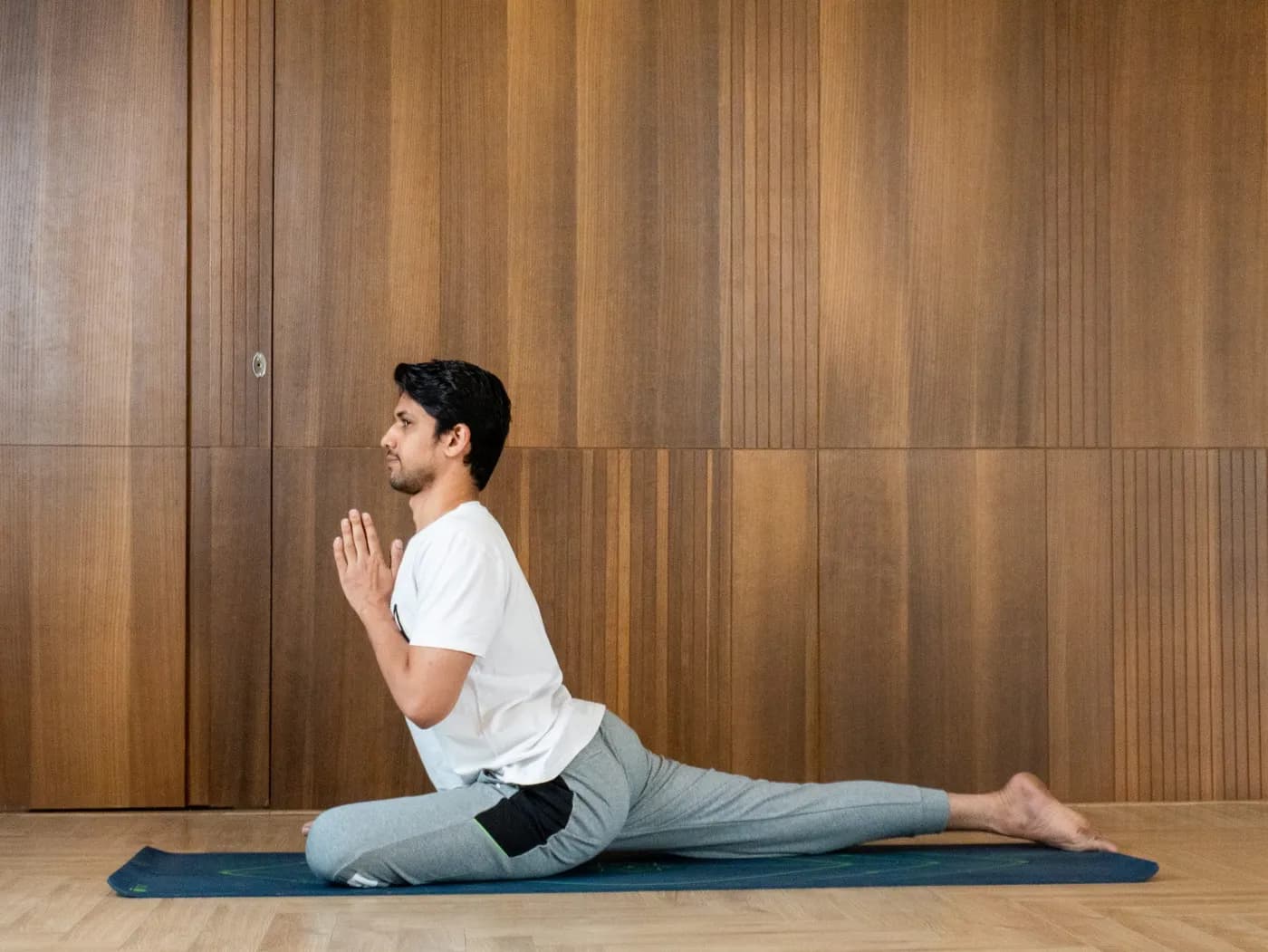
Slide the right knee toward the right wrist — the right shin moving toward horizontal across the mat. The right foot moves toward the left wrist. Allow the right hip to lower toward the floor. This is the fundamental pigeon hip opener — one of the deepest available hip external rotation stretches in yoga.
Step 3: Extend Left Leg Back — Square the Hips
Extend the left leg directly back, top of left foot pressing into the floor. Square the hips as much as possible toward the front of the mat, using a blanket under the right hip if needed. The squared hips maximise the hip opening and protect the sacroiliac joint.
Step 4: Torso Upright — Eka Pada Raja Kapotasana
Press hands into the floor and rise the torso upright — spine elongated. For the eka pada raja kapotasana, begin to arch backward from the thoracic spine, hands walking back toward the hips. This is the ekapada raja kapotasana upright expression.
Step 5: Bend Back Knee — Full Raja Kapotasana Begins
For full Raja Kapotasana, bend the left knee drawing the left foot toward the head. The thoracic arch deepens as the foot rises. Reach the arms overhead and back to hold the raised foot. The crown moves toward the foot — closing the extreme spinal extension arc. Only attempt with a fully warm spine under teacher guidance.
Step 6: Come Out and Switch Sides
Release the back foot carefully and return to the floor. Rest in the prone pigeon position for 5 breaths, then transition through Downward Dog before performing the opposite side. After full Raja Kapotasana, rest in Child’s Pose for 3-5 minutes to allow spinal neutralisation.
Breathing in Raja Kapotasana
In Eka Pada Raja Kapotasana, full diaphragmatic breathing — each exhalation deepening the hip opening. In the full backbend, maintain slow shallow nasal breathing throughout the extreme extension. Never hold the breath in the full expression.
Preparatory Poses
- Utthan Pristhasana (Lizard Pose) — deepens hip flexor opening prerequisite.
- Bhekasana (Frog Pose) — opens quadriceps and anterior hip for the back leg bend.
- Ustrasana (Camel Pose) — develops thoracic extension for the full backbend.
- Eka Pada Raja Kapotasana hip opener — must be fully established before adding any backbend component.
Variations
Variation 1: Eka Pada Raja Kapotasana — Forward Fold Hip Opener (Beginner-Intermediate)
Pigeon position with torso in forward fold over the front shin — most accessible and most commonly taught version. Focuses primarily on hip external rotation without backbend. Difficulty: Beginner-Intermediate
Variation 2: Eka Pada Raja Kapotasana — Upright Torso (Intermediate)
Pigeon with upright torso and modest backbend — developing the hip-plus-backbend combination before the back knee is bent. Difficulty: Intermediate
Variation 3: Full Raja Kapotasana — Foot to Head (Expert)
Complete king pigeon with back foot drawn to crown of head in extreme spinal extension — requires years of preparatory backbend development. Difficulty: Expert
Common Mistakes
- Mistake 1: Unsquared Hips in Pigeon Base Allowing one hip to collapse and the other to rise creates SI joint misalignment. Use a blanket under the lower hip to maintain the squared-hip position throughout.
- Mistake 2: Approaching Full Backbend Without Prerequisites The full Raja Kapotasana backbend requires years of progressive preparation. Approaching without established Ustrasana, Bhekasana and Kapotasana creates risk of lumbar compression and cervical strain.
- Mistake 3: Holding Breath During Backbend Phase Breath holding creates tension preventing progressive deepening. Maintain slow continuous breathing throughout the full raja kapotasana backbend despite restricted respiratory depth.
- Mistake 4: Insufficient Time in Hip Opener Phase Rushing through the hip opener to reach the backbend misses the primary therapeutic value — the hip external rotation opening. Hold the hip opener for 2-5 minutes each side before adding any backbend component.
Who Should Practise Raja Kapotasana?
- Athletes with Hip Flexor Tightness Eka Pada Raja Kapotasana is among the deepest and most therapeutically effective available hip opener poses — the raja kapotasana benefits for hip external rotation and flexor lengthening make it a high-priority practice for runners, cyclists and athletes with anterior hip restriction.
- Is Raja Kapotasana Good for Beginners? Eka Pada Raja Kapotasana in the forward fold hip opener version is accessible to intermediate practitioners. The full backbend is for advanced practitioners only. Habuild’s progressive curriculum introduces the hip opener phase before any backbend component is added, ensuring safe systematic development.
- Advanced Practitioners Building Deep Backbend Capacity Full Raja Kapotasana is the comprehensive anterior body practice for advanced practitioners — simultaneously developing hip opening, thoracic extension and spinal flexibility that the deepest yoga practice requires.
- Anyone Seeking the Most Complete Hip and Backbend Practice Raja Kapotasana is the single pose most comprehensively addressing the anterior body mobility that modern sedentary life restricts — the most complete available gesture of openness and surrender in the physical yoga practice.
650,000+ people building better habits every morning every morning. Live daily sessions. Real-time corrections. Cancel anytime.
Raja Kapotasana is the full expression of the pigeon family, and reaching it safely has far less to do with one deep stretch than with steadily building hip and shoulder mobility over weeks of consistent practice. Rushing the backbend invites strain, while a gradual, well-sequenced routine lets the flexibility arrive on its own timeline. Habuild’s Yoga Everyday program can help you build that foundation safely with structured daily sessions leading up to deeper poses like this one.
Frequently Asked Questions
Related Articles
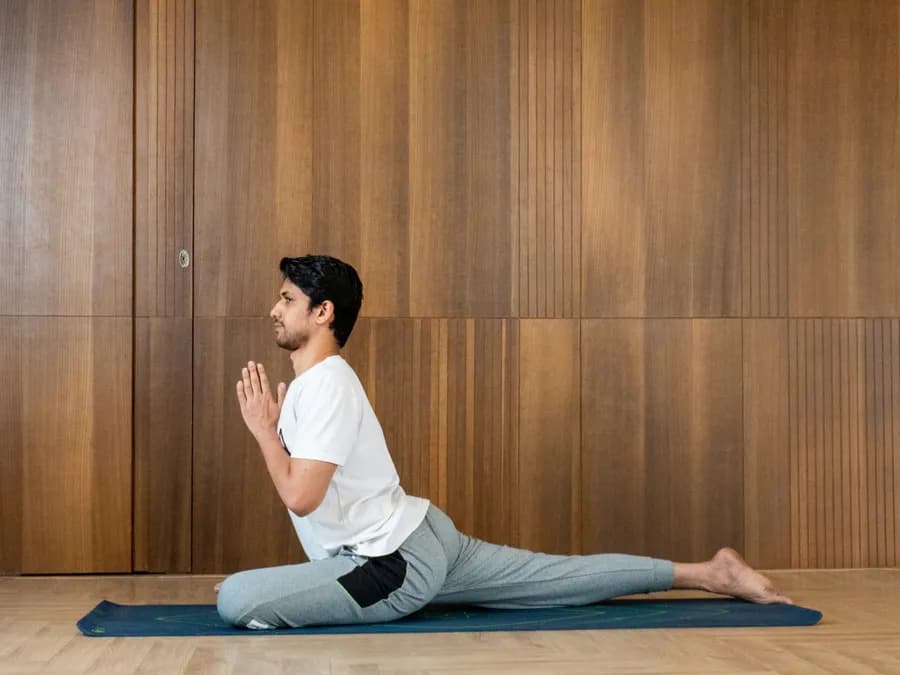
Eka Pada Rajakapotasana (Pigeon Pose): Steps and Hip Opening Benefits
Practice Eka Pada Rajakapotasana with Habuild. Follow the pigeon pose steps to open your hips, boost flexibility, and relieve lower back pain. Start today!

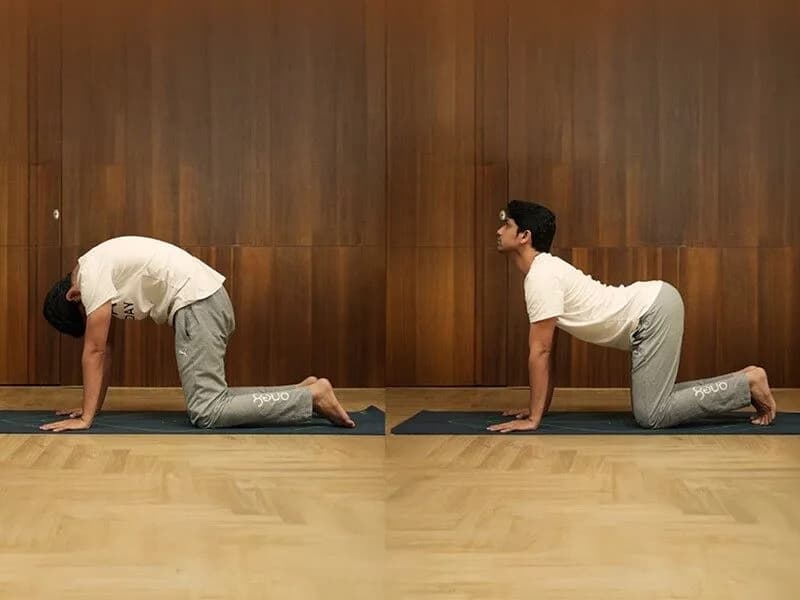
Chakravakasana (Ruddy Goose Pose): Steps, Benefits and Precautions
This four-point kneeling anti-rotation exercise builds lumbar stability and shoulder alignment, named after the ruddy shelduck of Hindu mythology. See the steps, benefits, and precautions.
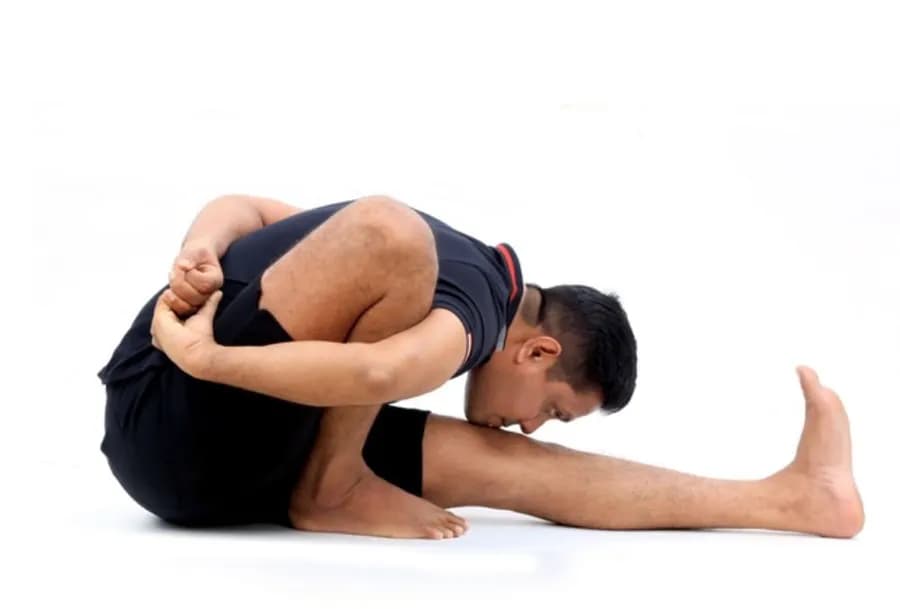
Marichyasana a (Sage Marichi’s Pose a): Steps, Benefits and Precautions
The first of four Marichi poses, this seated forward fold with one knee bent and an arm wrapped behind the back establishes the base that the more complex C and D variations build upon. See the steps, benefits, and precautions.