
Salamba Bhujangasana (Sphinx Pose): Steps and Back Health Benefits
Practice Salamba Bhujangasana with Habuild. Follow the sphinx pose steps to strengthen your spine, open your chest, and relieve back pain today. Start now!
Key Takeaways
- Forearm support eliminates the wrist compression that full unsupported Cobra creates.
- Named the safest entry-level prone backbend, suitable even for back-sensitive beginners.
- Yin-style holds of three to five minutes target thoracic fascia that brief holds can’t reach.
- Requires only mild spinal-extensor activation, unlike the active engagement of full Cobra.
- Taught both as a warm-up backbend and as a standalone restorative posture in its own right.
- Gentle thoracic extension is specifically safe for practitioners managing lower back sensitivity.
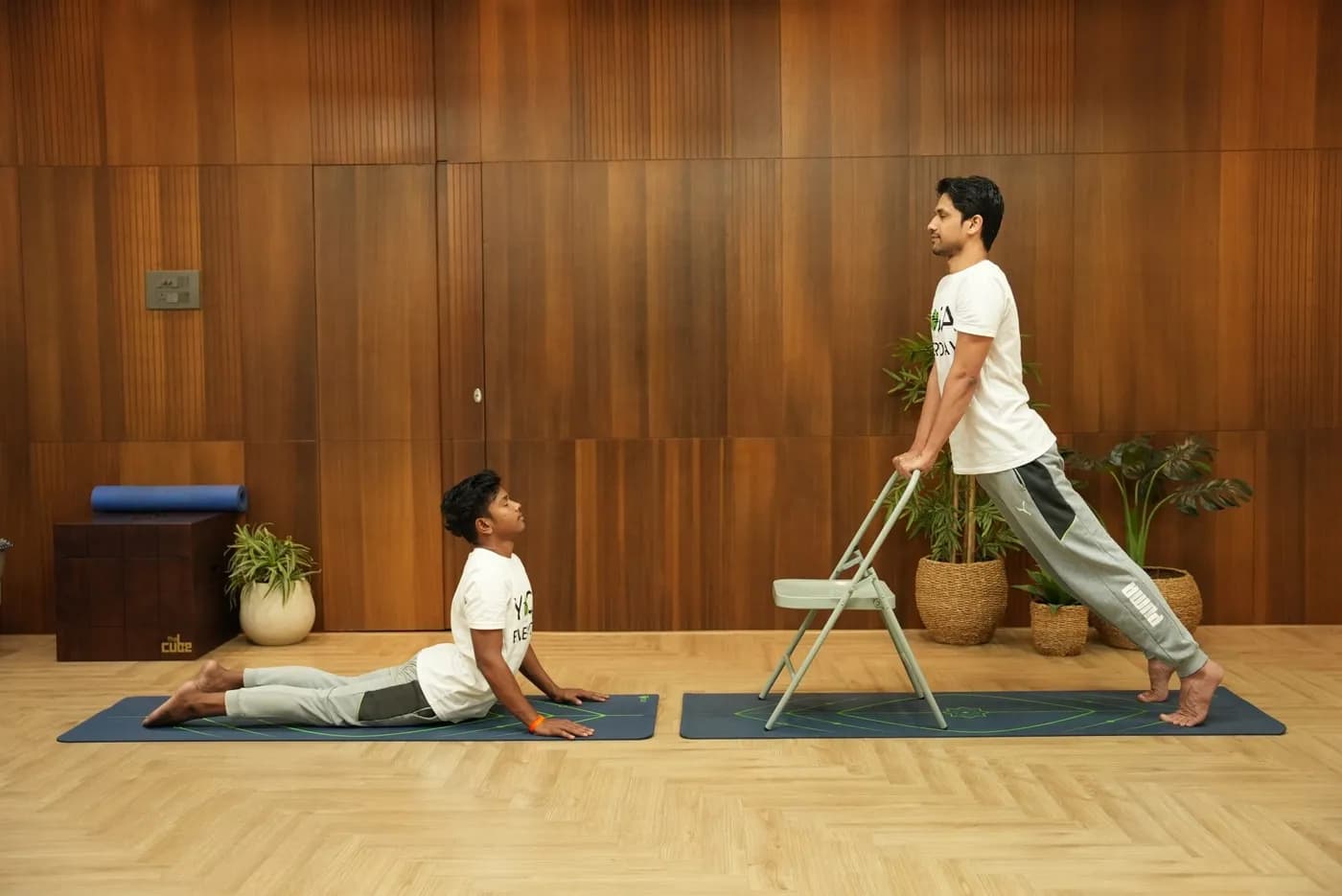
Salamba Bhujangasana, or Sphinx Pose, is a forearm-supported prone backbend that gently opens the thoracic spine, strengthens the spinal extensors, and stimulates digestion. In extended Yin holds it targets the thoracic connective tissue for lasting flexibility gains. Simultaneously the safest entry-level prone backbend and one of yoga’s most therapeutically powerful thoracic openers. Suitable for all levels including beginners and those with back sensitivity.
What is Salamba Bhujangasana?
Salamba Bhujangasana — known in English as Sphinx Pose or Supported Cobra — derives from Sanskrit: Salamba (supported), Bhujanga (cobra or serpent), and Asana (posture). The name distinguishes it from unsupported Bhujangasana (Cobra Pose): in the Sphinx variation the forearms rest on the floor and provide a stable base — creating a passive, supported backbend that requires minimal muscular effort compared to the active engagement of full Cobra.
Salamba Bhujangasana holds a unique place in yoga’s backbend sequence — it is simultaneously the most accessible entry point into prone backbend practice and the most sustainable long-held restorative backbend. Its forearm support eliminates the wrist compression of Bhujangasana, its gentle thoracic extension is safe for practitioners with lower back sensitivity, and its passive nature makes it ideal for the extended Yin holds that develop thoracic connective tissue flexibility over time.
At Habuild, Salamba Bhujangasana is taught both as a gentle warm-up backbend preceding more active prone postures and as a restorative posture in its own right — with the extended Yin-style hold providing deep thoracic tissue release that active backbends cannot replicate.
Salamba Bhujangasana Benefits
Physical Benefits
- Gently Strengthens the Spinal Extensors and Relieves Back Pain Even the supported, passive form requires mild activation of the spinal extensors to maintain the chest lift — building posterior chain strength that is the primary protection against lower back pain from a fully accessible, low-strain position. This makes Sphinx the ideal first therapeutic backbend for anyone with back sensitivity.
- Opens the Thoracic Spine and Chest for Respiratory Health The gentle thoracic extension progressively opens the anterior chest and intercostal muscles — improving thoracic mobility and respiratory capacity over consistent practice. Specifically beneficial for practitioners with thoracic restriction, posture-related breathing limitation, and respiratory health management.
- Targets Thoracic Connective Tissue in Extended Yin Holds Held for three to five minutes in Yin practice, Salamba Bhujangasana targets the thoracic connective tissue — the fascia, ligaments, and joint capsules that determine long-term spinal mobility. This is the foundation of thoracic anterior body flexibility that no brief active hold can reach.
- Stimulates Digestive Organs Through Abdominal Extension The abdominal lengthening of the prone backbend stimulates the digestive organs through gentle extension — contributing to digestive health particularly in the extended restorative form.
Mental and Emotional Benefits
- Activates the Parasympathetic Nervous System for Deep Rest Salamba Bhujangasana held for three to five minutes activates the parasympathetic nervous system through the supported, open-chest, belly-down position that the nervous system interprets as safety and rest — making it specifically valuable for insomnia and evening stress recovery.
- Opens the Heart with Maximum Accessibility The heart-opening quality — chest lifted, anterior body exposed — is accessible to practitioners not yet ready for active Cobra or deeper backbends, making it one of the most inclusive heart-opening experiences available regardless of experience level.
How to Do Salamba Bhujangasana — Step-by-Step Instructions
Key Principles
Key Principles Three principles govern effective Salamba Bhujangasana: elbows directly below the shoulders — the structural foundation determining the backbend angle; chest leads the lift — the sternum moves forward and upward, not the chin or the lower back; and complete muscular release in extended holds — the Yin benefit requires genuine surrender to gravity.
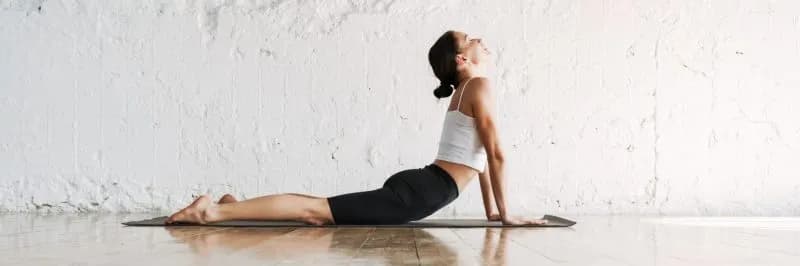
Salamba Bhujangasana — Step by Step Step 1: Prone Starting Position Lie face-down on the mat, legs extended, tops of the feet on the floor. Allow the entire body to relax into the mat — release the lower back, glutes, and legs completely before beginning.
Step 2: Position the Forearms Place the forearms on the floor with the elbows directly below the shoulders — creating a 90-degree angle at the elbow. Palms flat, fingers pointing forward and slightly spread.
Step 3: Press the Forearms and Lift the Chest Inhale and press the forearms gently into the floor — lifting the chest forward and upward. The sternum moves forward, the chest opens — the abdomen remains on or close to the floor.
Step 4: Retract the Shoulder Blades Draw the shoulder blades back and down — opening the chest and avoiding shoulder rounding. The collarbones widen and the chest expands forward. The back of the neck stays long.
Step 5: Active Version — 5-10 Breath Cycles For the active short-hold version: breathe into the chest, expanding forward and upward on each inhale. Hold for five to ten breath cycles. Builds spinal extensor strength and warms the thoracic extensors.
Step 6: Yin Version — 2-5 Minutes, Then Release For the extended Yin version: release all muscular effort and allow the body to completely surrender to gravity. Hold for two to five minutes. To release: exhale and lower the chest to the floor slowly. Rest in Makarasana (Crocodile Pose) for thirty seconds.
Breathing in Salamba Bhujangasana
Active version: breathe into the chest — expanding forward and upward on each inhale, settling deeper on each exhale. Yin version: allow the breath to become completely natural and effortless — the thoracic fascial release responds to the absence of muscular effort. Yin Sphinx breath should be barely audible, slow, and involuntary.
Preparatory Poses Before Salamba Bhujangasana
These poses warm the spinal extensors and anterior chest before the prone backbend.
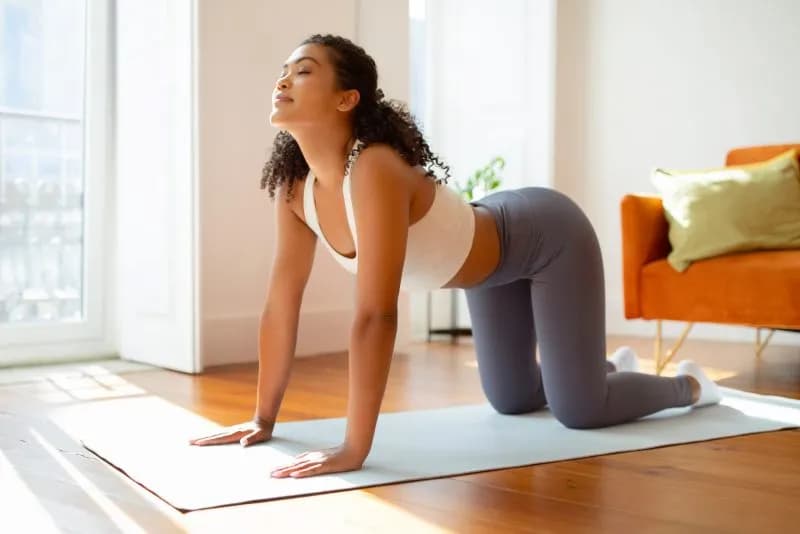
- Marjariasana-Bitilasana (Cat-Cow, 10 rounds) — Mobilises the thoracic and lumbar spine through full flexion-extension before the backbend.
- Setu Bandhasana (Bridge Pose, 30 seconds) — Warms the spinal extensors and posterior chain before the prone position.
- Balasana (Child’s Pose, 60 seconds) — Provides the anterior counter-stretch that makes the subsequent chest opening more accessible.
Variations of Salamba Bhujangasana
- Variation 1: Standard Sphinx — Active Short-Hold Form Elbows below shoulders, chest lifted, mild spinal extensor engagement. Five to ten breath cycles. The standard warm-up backbend and Cobra alternative for practitioners with wrist sensitivity.
- Variation 2: Yin Sphinx — Extended Passive Hold Held for two to five minutes with complete muscular release — the primary Yin yoga expression targeting thoracic connective tissue for deep, cumulative flexibility improvement. The most therapeutically powerful use of the posture.
- Variation 3: Sphinx with Chin Rest — Fully Passive Cervical Variation From Sphinx, the chin lowers to rest on the back of the hands — completely passive, providing thoracic opening without neck extension. Ideal for practitioners with neck sensitivity.
- Variation 4: Transition to Bhujangasana — Progressive Backbend From Salamba Bhujangasana, pressing into the hands and straightening the arms into Bhujangasana — using Sphinx as the entry point before the more demanding Cobra expressions.
Common Mistakes to Avoid in Salamba Bhujangasana
- Elbows Placed Forward of the Shoulders The most structurally consequential positioning error — placing the elbows forward of the shoulders reduces the thoracic extension angle, shifts load toward the lumbar spine, and diminishes the chest opening that is the posture’s primary benefit. Elbows must be directly below the shoulders.
- Rounding the Shoulders Inward Shoulders rolling forward eliminates the chest opening and creates the same anterior shoulder compression the posture is designed to counteract. Actively draw the shoulder blades back and together throughout every version.
- Maintaining Muscular Tension in the Yin Version The extended Yin hold requires genuine, complete muscular surrender — any maintained engagement prevents the connective tissue loading that produces the flexibility gains. Check that glutes, lower back, and shoulders are entirely relaxed before beginning the timed hold.
Who Should Practise Salamba Bhujangasana?
- Beginners and Those with Back Sensitivity Salamba Bhujangasana is the ideal first prone backbend for complete beginners and the safest backbend modification for practitioners with lower back sensitivity. Its forearm support, accessible extension angle, and absence of wrist load make it genuinely safe from the first yoga session.
- Those Seeking Thoracic Flexibility Through Yin Practice The extended Yin Sphinx is one of the most effective single yoga postures for improving thoracic extension mobility — the most underserved dimension of spinal health in forward-bending dominant modern lifestyles.
- Is Salamba Bhujangasana Good for Beginners? Yes — it is specifically designed as the universally appropriate entry point into prone backbend practice. No prior backbend experience is required, and the natural progression from Sphinx to Cobra follows as spinal extensors strengthen over weeks.
Make Salamba Bhujangasana a Part of Your Daily Practice
Salamba Bhujangasana is yoga’s most accessible and most therapeutically precise prone backbend — its forearm-supported extension delivering genuine thoracic opening, spinal extensor development, and deep connective tissue release from the gentlest position in the backbend family.
Whether using the five-breath active version as a daily morning warm-up, the two-to-five-minute Yin hold as an evening thoracic release, or the Sphinx position as a safe Cobra alternative for a sensitive lower back, the posture rewards every duration and intention with progressive thoracic health.
The most effective way to learn Salamba Bhujangasana correctly — with elbow positioning, shoulder retraction, and Yin release guidance — is under live expert instruction with Habuild.
Start your 14 day free yoga journey with Habuild, today!
Related reads: Bhujangasana (Cobra Pose): Steps Benefits and Common Mistakes · Purna Bhujangasana: Steps Benefits and Difference from Cobra Pose
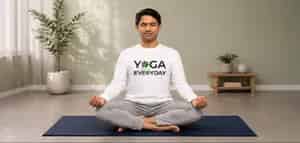
Sphinx Pose is gentle enough to hold for several minutes, and that duration is exactly what lets it ease back tension over time — a quick pass through the shape does far less than a sustained, regular hold. Practiced daily, especially after long hours of sitting, it tends to keep the lower back from tightening up in the first place. Habuild’s Yoga Everyday program includes gentle backbends like this to counter a sedentary day.
Frequently Asked Questions
Related Articles
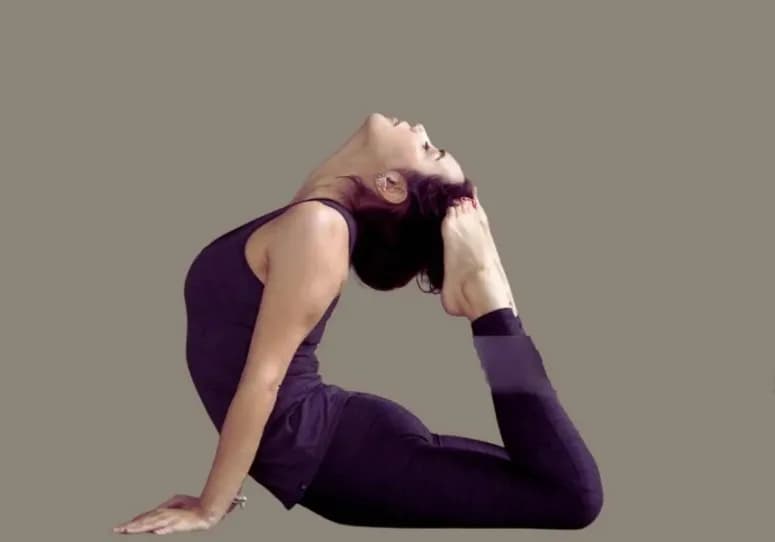
Purna Bhujangasana: Steps Benefits and Difference from Cobra Pose
Practice Purna Bhujangasana with Habuild. Follow the full cobra pose steps to strengthen your spine, open your chest, and enhance your flexibility. Start today!
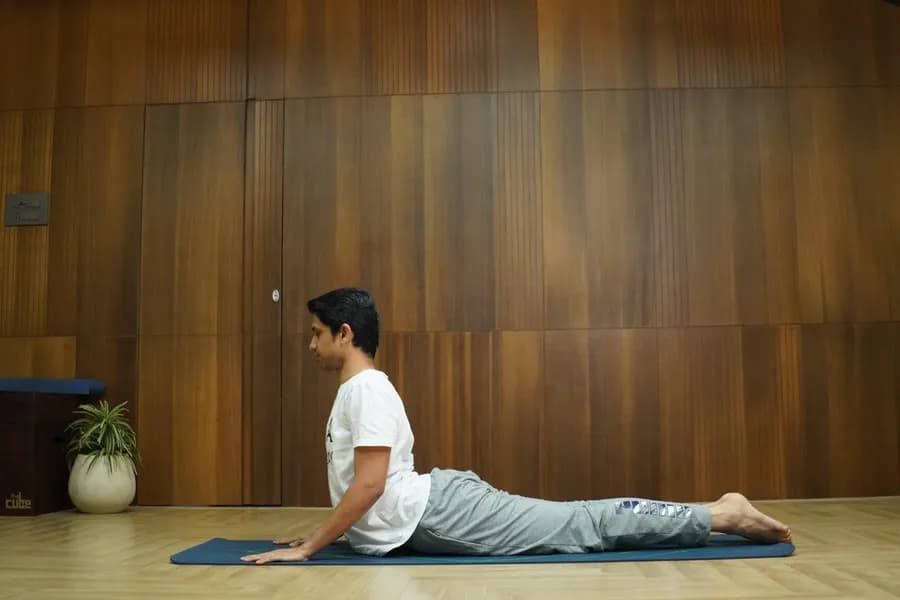
Bhujangasana: Cobra Pose Steps, Benefits & Tips
Bhujangasana, or Cobra Pose, strengthens the spine and entire back musculature, opens the chest, stimulates abdominal organs, and corrects the postural damage of prolonged sitting.

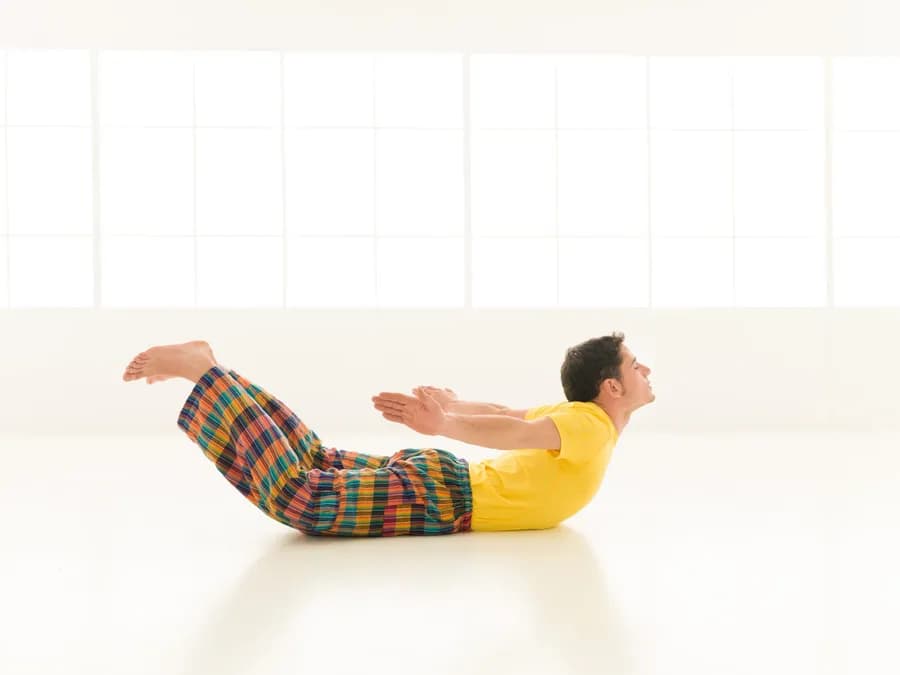
Shalabhasana (Locust Pose): Steps, Back Benefits and Precautions
Practice shalabhasana with Habuild. Try shalabhasana yoga to strengthen your back, improve posture, and boost core strength. Start your yoga session today!
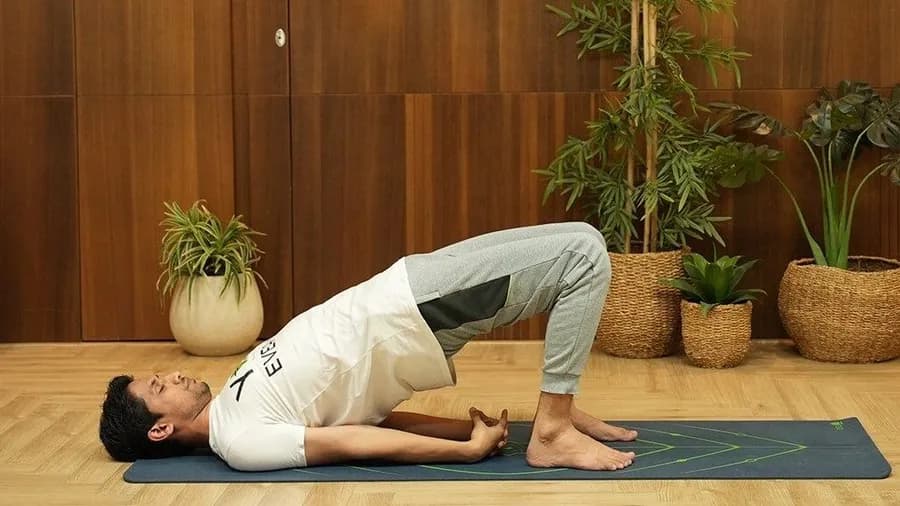
Setu Bandhasana (Bridge Pose): Steps Benefits and Modifications
Try setu bandhasana with Habuild. Master the setu bandhasana bridge pose to strengthen your spine, open the chest, and reduce stress. Start your session now!