
Shalabhasana (Locust Pose): Steps, Back Benefits and Precautions
Practice shalabhasana with Habuild. Try shalabhasana yoga to strengthen your back, improve posture, and boost core strength. Start your yoga session today!
Key Takeaways
- One of yoga’s twelve classical Hatha postures, unlike gravity-assisted passive backbends.
- Requires active muscular contraction to lift the body against gravity, unlike Bhujangasana.
- Taught in three expressions – half locust, bilateral leg lift, and the full simultaneous lift.
- Named for resembling a locust’s powerful rear-end lift at the moment of flight.
- Strengthens gluteal and hamstring muscles in the same hip-extension pattern that protects knees.
- Called yoga’s most directly posterior-chain-strengthening prone posture available.
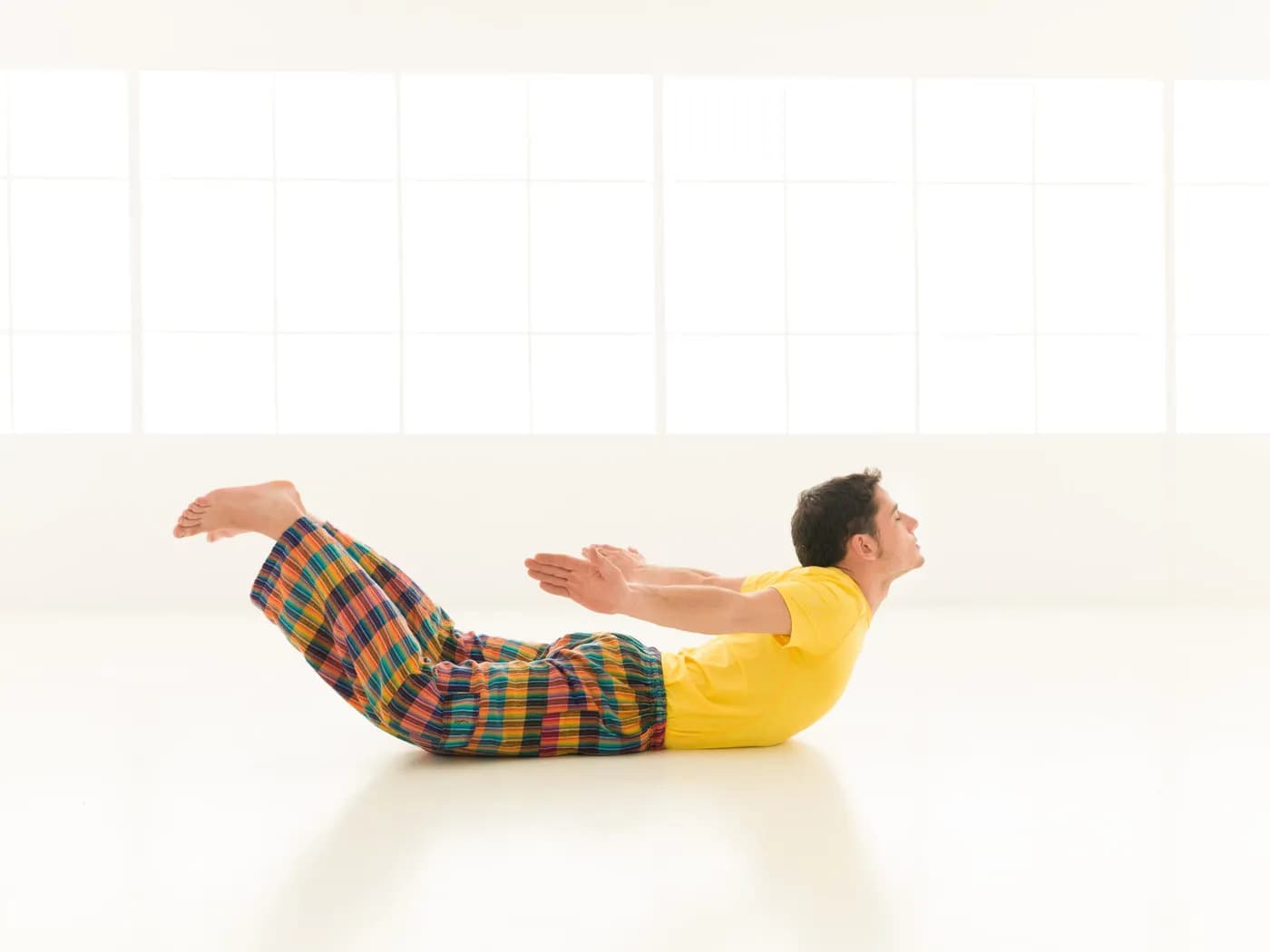
Shalabhasana, or Locust Pose, is a prone backbend in which the legs, chest, and arms are simultaneously lifted off the floor — building exceptional posterior chain strength, relieving back pain, and stimulating digestive organs. It is one of yoga’s most effective postures for strengthening the spinal extensors and the entire back of the body. Suitable for all levels with progressive modifications.
What is Shalabhasana?
Shalabhasana — known in English as Locust Pose or Grasshopper Pose — derives from Sanskrit: Shalabha (locust or grasshopper) and Asana (posture). The name captures the characteristic shape of the pose: lying prone with the legs raised, the body resembles the powerful rear-end lift of a locust or grasshopper at the moment of launching into flight.
Shalabhasana is one of the twelve classical Hatha yoga postures and a cornerstone of all backbend progressions. Unlike passive or gravity-assisted backbends, Shalabhasana requires the active contraction of the spinal extensors, glutes, hamstrings, and posterior shoulder muscles to lift the body against gravity — making it the most direct posterior chain strengthening posture in yoga. It is the active, strength-building complement to the passive flexibility of Bhujangasana.
At Habuild, Shalabhasana is taught in all three of its classic expressions — Ardha Shalabhasana (half locust, one leg at a time), the standard bilateral leg lift, and the full expression with simultaneous chest, arm, and leg lift — ensuring progressive posterior chain development at every stage of practice.
Shalabhasana Benefits
Physical Benefits
- Builds Posterior Chain Strength and Relieves Back Pain Shalabhasana is yoga’s most directly posterior-chain-strengthening prone posture. The simultaneous engagement of the erector spinae, multifidus, gluteus maximus, hamstrings, and posterior deltoids under loaded contraction builds the back strength that is the primary prevention and treatment for chronic lower back pain. This functional posterior chain strength supports the spine in every posture and movement throughout daily life.
- Strengthens the Glutes and Hamstrings The leg-lifting component of Shalabhasana specifically develops gluteal and hamstring strength in the hip extension pattern — the same movement that protects the knee joint in running, stair-climbing, and all lower-body functional activities. This posterior thigh development is directly relevant to athletic performance and injury prevention.
- Stimulates Digestive Organs Through Abdominal Compression The prone position and abdominal compression of Shalabhasana directly stimulate the digestive organs — improving gut motility, stimulating digestive enzyme production, and providing relief from sluggish digestion. The pressure on the abdominal organs produces a beneficial compression-and-release effect that no standing or seated posture can replicate.
- Opens the Chest and Supports Respiratory Health The lifting of the chest in the full Shalabhasana expression opens the anterior chest and stretches the intercostal muscles — counteracting the thoracic flexion of desk-based postures and creating the chest expansion that respiratory health requires.
Mental and Emotional Benefits
- Builds Determination and Mental Resilience The sustained muscular effort required to hold Shalabhasana — particularly the full bilateral expression — is intense and demands significant mental determination. Maintaining the pose through muscular burning with steady breath builds the same mental resilience that makes challenging life situations more manageable.
- Activates and Energises Shalabhasana is one of yoga’s most energising prone postures — its full-body posterior chain activation produces a distinctive sense of vitality and physical aliveness. Practised in the morning after Salamba Bhujangasana and Bhujangasana, it establishes a tone of physical confidence and energy for the day.
How to Do Shalabhasana — Step-by-Step Instructions
Key Principles
Key Principles Three principles govern effective Shalabhasana: the lift is active throughout — the legs, chest, and arms are held up by muscular engagement, never resting; the pubic bone presses into the mat — this is the stabilising ground point that protects the lumbar spine; and the neck is long — the head is held in line with the spine, not hyperextended backward.
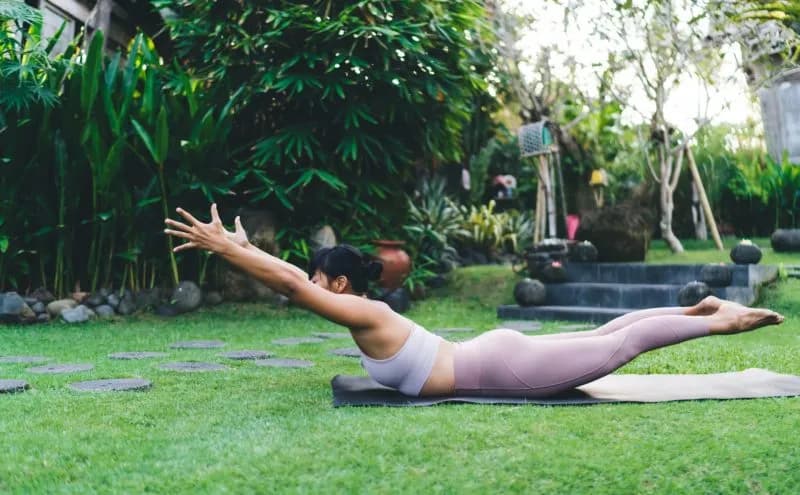
Shalabhasana — Step by Step Step 1: Prone Starting Position Lie face-down on the mat, legs extended, feet hip-width apart or together, forehead or chin resting on the mat. Arms extend alongside the body, palms facing downward. Allow the entire body to relax briefly before beginning.
Step 2: Ardha Shalabhasana — Right Leg (Preparation) For the preparatory half locust: on an inhalation, engage the right gluteus and hamstring and lift the right leg upward — keeping the leg straight and the hip of the right side pressing into the mat. Hold for three to five breaths. Lower and repeat on the left leg.
Step 3: Prepare the Arms Alongside the Hips For the full Shalabhasana: bring the arms alongside the body with the palms facing downward or inward toward the hips. The hands may press lightly against the mat or be held just above it.
Step 4: Inhale and Lift Both Legs Simultaneously On an inhalation, engage both glutes and hamstrings simultaneously and lift both legs off the floor — keeping the legs straight. The pubic bone presses firmly into the mat as the stabilising contact point.
Step 5: Full Shalabhasana — Lift the Chest and Arms For the full expression: simultaneously lift the chest, head, and arms off the floor alongside the leg lift — the entire anterior body except the pubic bone and lower abdomen lifts off the mat. The body balances on the lower abdomen.
Step 6: Hold and Release to Makarasana Hold for three to eight breath cycles, maintaining the lift with steady breathing. On an exhalation, lower everything slowly to the mat. Rest in Makarasana (Crocodile Pose) for five breaths before repeating. Practise two to three rounds.
Breathing in Shalabhasana
Inhale to initiate and establish the lift; breathe steadily throughout the hold. The breath in Shalabhasana tends to become shallow under the muscular demand — consciously directing the breath into the posterior ribcage (the back body expands because the front is compressed) maintains the oxygen supply that allows longer, more productive holds. Never hold the breath during the muscular effort.
Preparatory Poses Before Shalabhasana
These poses warm the posterior chain and prepare the spinal extensors before the demanding Locust Pose lift.
- Marjariasana-Bitilasana (Cat-Cow, 10 rounds) — Mobilises the spine and warms the spinal extensors before the active backbend.
- Salamba Bhujangasana (Sphinx Pose, 5 breaths) — Gently activates the spinal extensors in the supported position before the unsupported Shalabhasana demand.
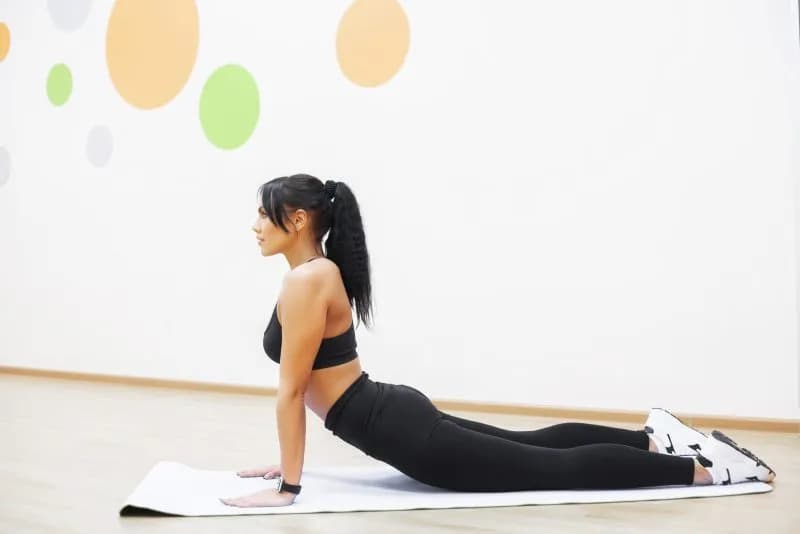
- Bhujangasana (Cobra Pose, 5 breaths) — Warms the posterior chain and chest opening that full Shalabhasana requires.
- Setu Bandhasana (Bridge Pose, 3 rounds) — Activates the glutes and hamstrings in the supine position before the prone posterior chain demand.
Variations of Shalabhasana
- Variation 1: Ardha Shalabhasana — Half Locust (Beginner) One leg lifts at a time — the most accessible entry into the Locust Pose family. Ardha Shalabhasana allows the posterior chain of each side to be developed individually before the bilateral demand of the full pose. It is the recommended starting form for all beginners and for practitioners with lower back sensitivity.
- Variation 2: Standard Shalabhasana — Both Legs Lifting Both legs lift simultaneously while the chest and arms remain on or near the floor — the standard intermediate expression. This bilateral leg lift provides the comprehensive posterior thigh and lumbar extensor strengthening that the half version cannot fully replicate.
- Variation 3: Full Shalabhasana — Chest, Arms, and Legs Lifting The complete expression with simultaneous lift of the legs, chest, arms, and head — the body balanced on the lower abdomen. This full expression is the most demanding and most therapeutically comprehensive form, requiring and developing the complete posterior chain from the backs of the heels to the upper back.
Common Mistakes to Avoid in Shalabhasana
- Allowing the Hips to Lift Off the Mat In the leg-lift version, the hips must remain grounded — particularly the hip of the lifting leg in Ardha Shalabhasana. Hips lifting off the mat converts the posterior chain lift into a lateral hip flexor compensation, eliminating the therapeutic spinal extensor and glute engagement.
- Hyperextending the Neck The most common positional error in the full expression — the head thrown backward places compressive strain on the cervical posterior joints. The neck extends only as far as the natural continuation of the thoracic extension — the crown of the head points forward and slightly upward, never straight up.
- Holding the Breath During the Hold The muscular demand of Shalabhasana creates a strong urge to hold the breath. Maintaining steady, continuous breathing throughout the hold is both the physiological requirement for sustained muscular effort and the mental training that makes the pose genuinely strengthening rather than a brief, gasping exertion.
Who Should Practise Shalabhasana?
- Those with Chronic Back Pain from Posterior Chain Weakness Shalabhasana is one of the most direct and effective yoga interventions for the posterior chain weakness that causes the majority of chronic lower back pain in sedentary adults. Daily Ardha Shalabhasana and progressive building toward the full expression provides the spinal extensor strength that all other therapeutic interventions depend upon.
- Athletes Seeking Posterior Chain Development Runners, cyclists, swimmers, and any athlete requiring powerful hip extension benefit from the specific glute, hamstring, and spinal extensor development that Shalabhasana provides in a pose that requires no equipment and can be practised as part of a daily yoga session.
- Is Shalabhasana Good for Beginners? Yes — Ardha Shalabhasana (single leg lift) is accessible from the first yoga session and immediately therapeutic. The progression from Ardha to standard to full Shalabhasana occurs naturally over weeks of consistent daily practice.
Make Shalabhasana a Part of Your Daily Practice
Shalabhasana is yoga’s most powerful posterior chain strengthening posture — its prone lifting action building the spinal extensor, glute, and hamstring strength that protects the lower back, supports athletic performance, and directly counteracts the posterior chain weakness that modern sedentary lifestyles produce.
Whether you are beginning with Ardha Shalabhasana as the first therapeutic back-strengthening step, building the standard bilateral leg lift, or developing the full chest-arms-legs expression, consistent daily practice produces rapid and measurable strength improvements within two to three weeks.
The most effective way to learn Shalabhasana correctly — with pubic bone grounding, neutral neck alignment, and progressive repetition structure — is under live expert guidance with Habuild.
Start your 14 day free yoga journey with Habuild, today!
Related reads: Viparita Shalabhasana (Superman Pose): Steps, Benefits and Precautions · Shalabhasana Benefits: Steps, Variations & Precautions
Locust Pose strengthens the back through the same principle any strength work follows — small, repeated loads over time, not one strong hold. Practising Shalabhasana consistently is what eventually improves posture and gives the core the support it needs to hold that posture up. Habuild’s Yoga Everyday program sequences back-strengthening poses like this so the gains build session over session.
Frequently Asked Questions
Related Articles
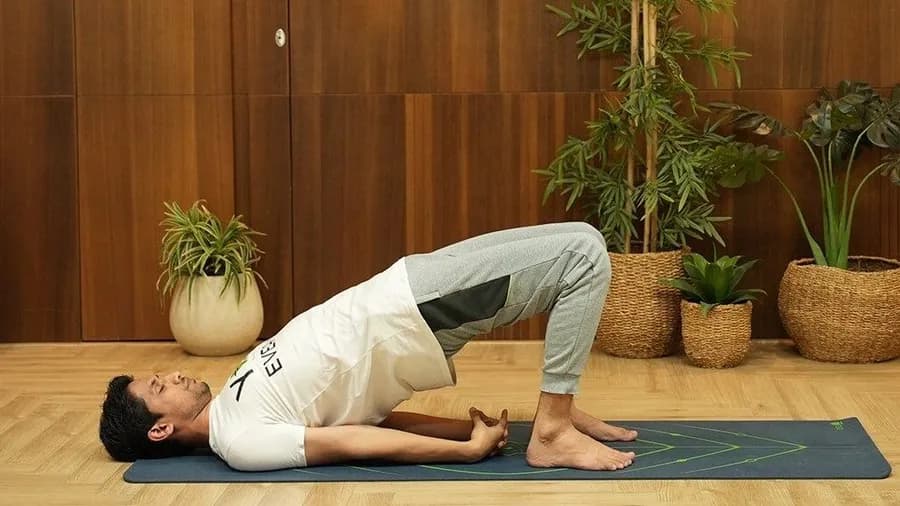
Setu Bandhasana (Bridge Pose): Steps Benefits and Modifications
Try setu bandhasana with Habuild. Master the setu bandhasana bridge pose to strengthen your spine, open the chest, and reduce stress. Start your session now!
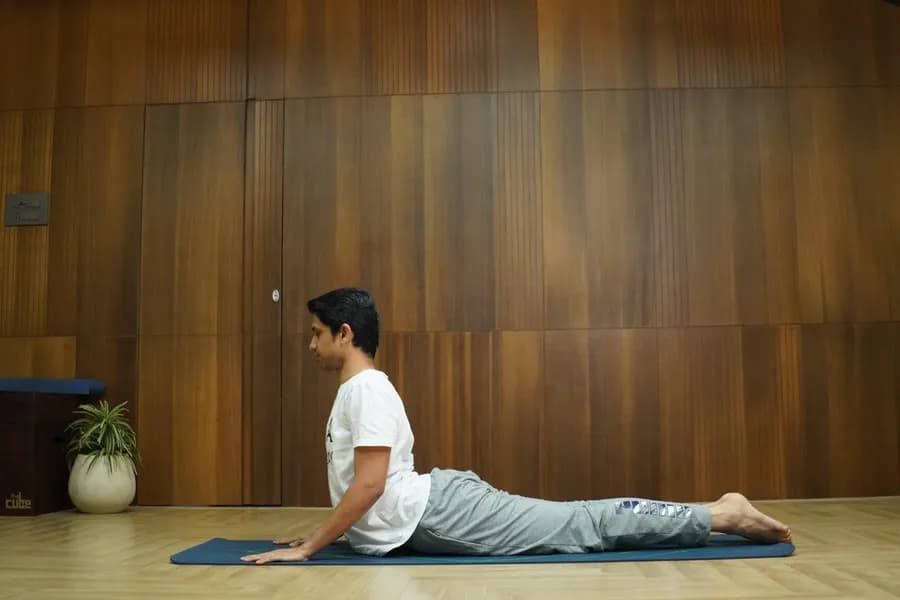
Bhujangasana: Cobra Pose Steps, Benefits & Tips
Bhujangasana, or Cobra Pose, strengthens the spine and entire back musculature, opens the chest, stimulates abdominal organs, and corrects the postural damage of prolonged sitting.

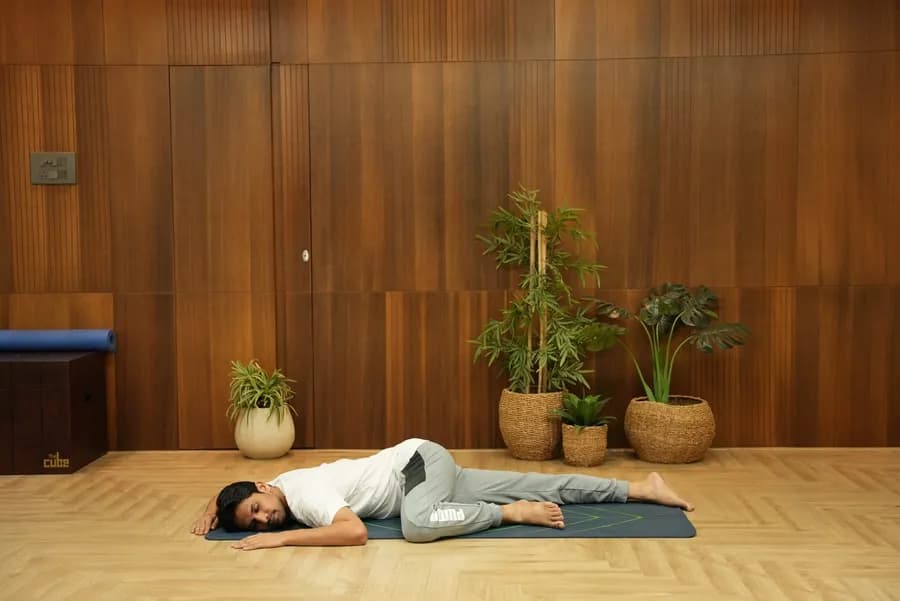
Makarasana (Crocodile Pose): Steps and Relaxation Benefits
Try makarasana with Habuild. Explore the makarasana pose to relieve back pain, reduce stress, and improve your spinal flexibility. Start your yoga today now!
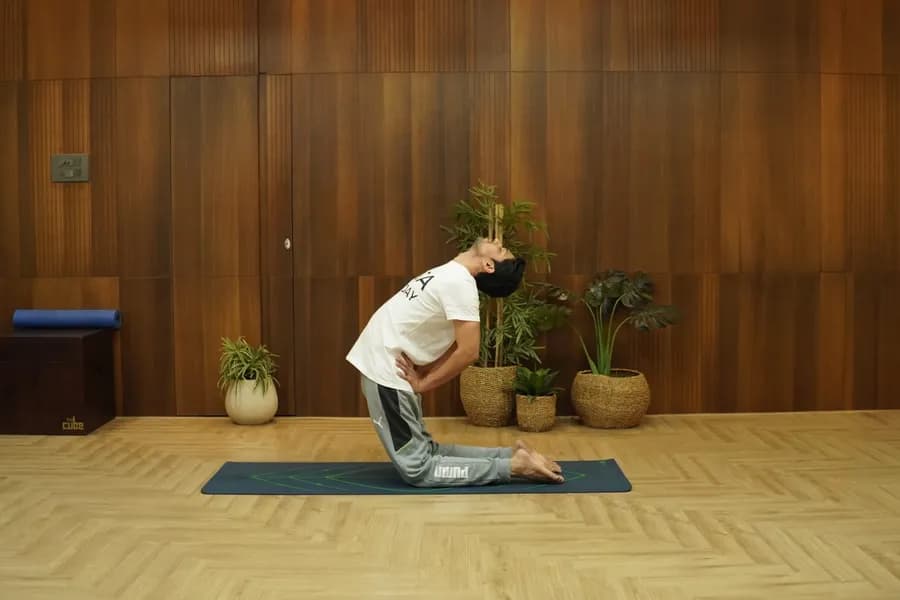
Ustrasana: Camel Yoga Pose, Steps & Yoga Benefits
Ustrasana, or Camel Pose, is a kneeling backbend that deeply stretches the hip flexors, chest, and entire anterior spine while strengthening the back.
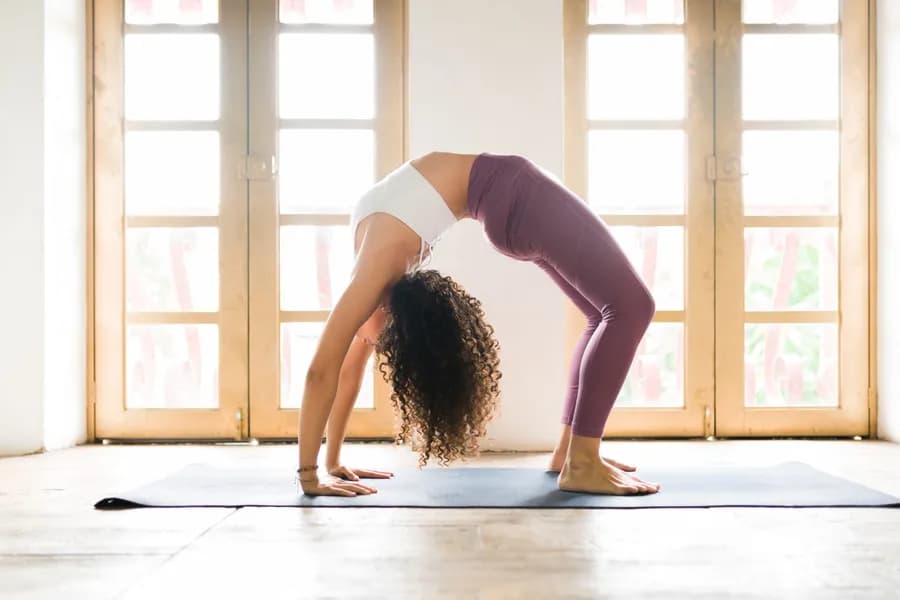
Chakrasana (Wheel Pose): Steps Benefits and Safety Precautions
Practice Chakra Asana with Habuild. Follow the wheel pose steps to open your chest, strengthen your spine, and improve flexibility and hormonal health. Start!