
Purna Bhujangasana: Steps Benefits and Difference from Cobra Pose
Practice Purna Bhujangasana with Habuild. Follow the full cobra pose steps to strengthen your spine, open your chest, and enhance your flexibility. Start today!
Key Takeaways
- Fully straightened arms distinguish this from basic bent-elbow Bhujangasana, Half Cobra.
- Always taught only after warming the spine with half Bhujangasana first.
- Full neck extension increases circulation specifically to thyroid and parathyroid glands.
- Names three principles – warm up first, lead with the chest, keep the pelvis grounded.
- A critical component of the Surya Namaskara sequence, not a standalone posture alone.
- Mood elevation is described as particularly noticeable when combined with slow chest breathing.
Purna Bhujangasana, or Full Cobra Pose, fully straightens the arms to maximise spinal extension, strengthen the posterior chain, open the chest, and stimulate the thyroid and digestive organs. It progresses naturally from basic Bhujangasana (Half Cobra). Suitable for all levels through the step-by-step bent-elbow to full-arm progression.
What is Purna Bhujangasana?
Purna Bhujangasana — known in English as Full Cobra Pose — derives from Sanskrit: Purna (full or complete), Bhujanga (cobra or serpent), and Asana (posture). The word Purna distinguishes this from basic Bhujangasana (Partial Cobra): in the full expression, the arms are completely straightened and the spine reaches its maximum extension — the body rising into a complete cobra arch.
Purna Bhujangasana is the natural progression from foundational Bhujangasana — advancing from a gentle chest lift with bent elbows to a full spinal extension with straight arms, maximum anterior body opening, and deep stimulation of the spinal extensors. It is a critical component of Surya Namaskara and one of yoga’s most important postures for spinal health.
At Habuild, Purna Bhujangasana is taught with progressive spine warming — always beginning with half Bhujangasana before advancing to the full expression.
Benefits
Physical Benefits
- Strengthens the Entire Spinal Extensor Chain Purna Bhujangasana develops the erector spinae, multifidus, and thoracic extensors through sustained load — building the posterior chain strength that is the most direct antidote to the spinal weakness causing chronic back pain.
- Opens the Chest and Improves Respiratory Capacity Full arm extension and maximum thoracic extension opens the anterior chest completely — expanding the intercostal muscles, stretching the pectorals and anterior deltoids.
- Stimulates the Thyroid and Endocrine System The full neck extension increases circulation to the thyroid and parathyroid glands — valuable for thyroid health and hormonal balance.
- Stimulates Digestive Organs The anterior body stretch and abdominal elongation stimulate the digestive organs — improving gut motility and contributing to overall digestive health.
Mental Benefits
- Uplifts Mood and Energises The full chest-open, anterior-body-expanded position produces a noticeable mood elevation — particularly combined with slow, full chest breathing during the hold.
- Opens the Heart and Cultivates Courage The full anterior body exposure is one of yoga’s most powerful heart-opening postures, cultivating the emotional openness and physical confidence that daily practice develops.
How to Do Purna Bhujangasana — Step-by-Step Instructions
Key Principles
Key Principles Three principles: warm up the spine first — always begin with half cobra before the full expression; lead with the chest — the lift initiates from the thoracic spine and sternum; and maintain pelvic grounding — the hips and pubic bone remain on the floor throughout.
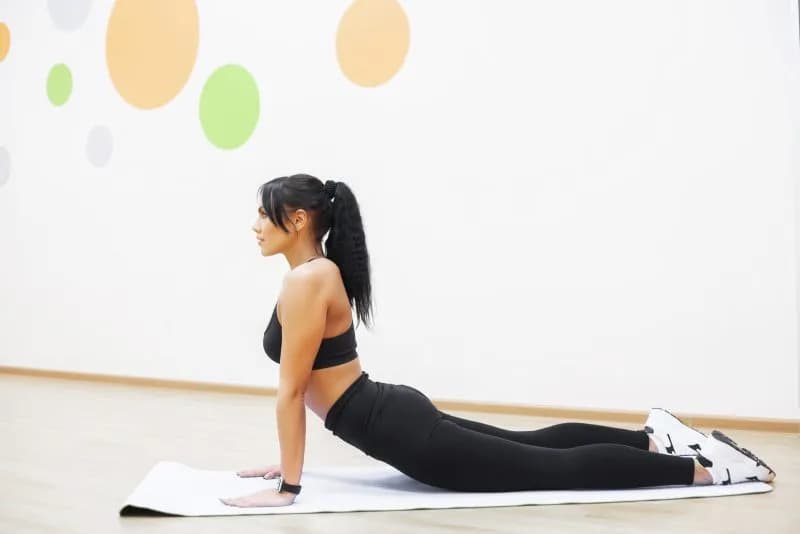
Purna Bhujangasana — Step by Step Step 1: Prone Starting Position Lie face-down on the mat, legs together, tops of the feet on the floor. Place both hands beside the chest, fingers pointing forward, elbows close to the body.
Step 2: Half Cobra First — Elbows Bent Inhale and lift the head and chest with elbows slightly bent — half cobra. Hold for two breaths to warm the spinal extensors before proceeding.
Step 3: Press to Full Arm Extension On the next inhale, press through the hands and straighten the arms fully — lifting chest, ribs, and navel off the floor. The spinal extensors lead the lift; the arms assist.
Step 4: Hips and Pubic Bone Remain Grounded Check that hips and pubic bone remain on the mat throughout. If they lift, reduce the arm extension — the pelvic grounding is the primary safety check.
Step 5: Shoulders Back and Head Gentle Draw the shoulders back and down, away from the ears. Allow the head to extend gently back — looking upward without compressing the back of the neck.
Step 6: Hold and Lower to Makarasana Hold for 5–8 breath cycles. To release: exhale and lower slowly — chest, then forehead. Rest in Makarasana for five breaths between repetitions.
Breathing
Inhale to expand the chest and create the lift. Breathe continuously throughout the hold — expanding the chest forward and upward on each inhale. Short, constrained breaths indicate the backbend exceeds current spinal flexibility.
Preparatory Poses
- Salamba Bhujangasana (Sphinx Pose) — The gentler forearm-supported warm-up before the full cobra extension.
- Shalabhasana (Locust Pose) — Warms the posterior chain in the prone position before the full cobra.
- Marjariasana-Bitilasana (Cat-Cow) — Mobilises the spine before the backbend.
Variations
- Variation 1: Bhujangasana (Half Cobra) — Foundation Elbows bent, lift to comfortable height. The essential preparatory form that must always precede the full expression.
- Variation 2: Purna Bhujangasana (Full Cobra) — Standard Arms fully extended, maximum anterior body extension — the complete form described in the steps.
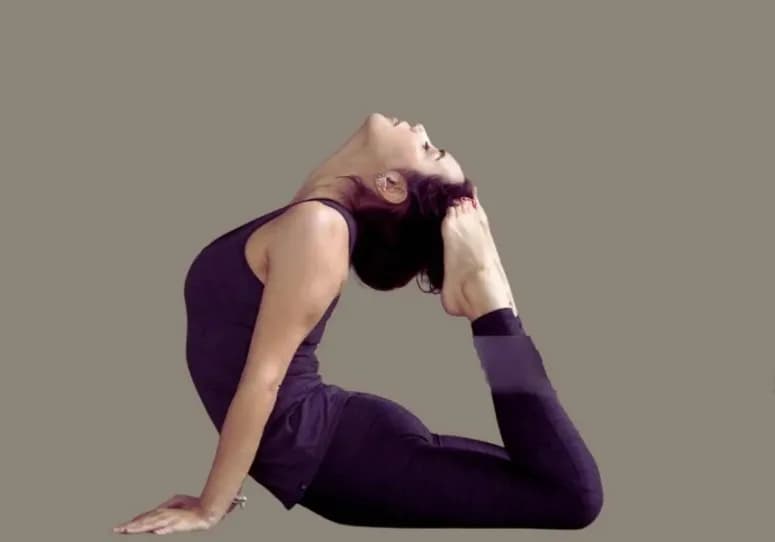
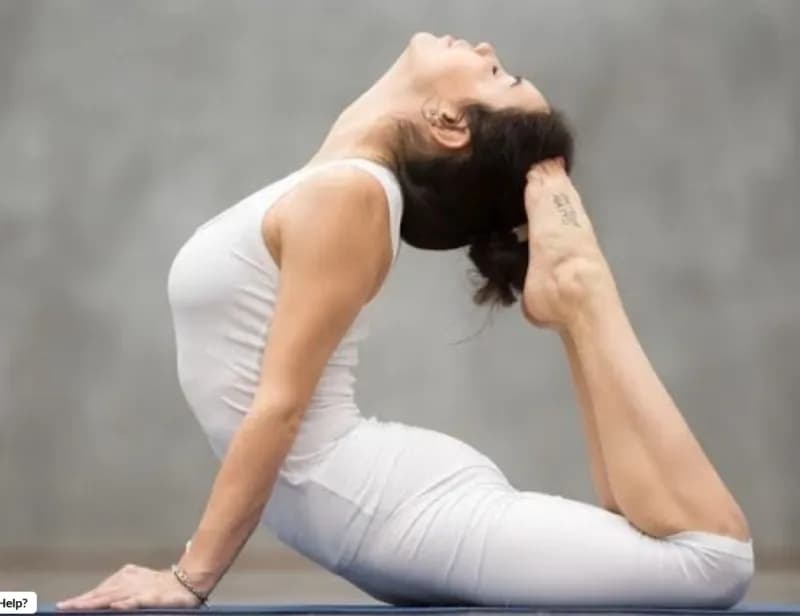
- Variation 3: Raja Bhujangasana (King Cobra) — Expert From Full Cobra, knees bend and feet lift toward the head. Requires exceptional flexibility — practise under direct expert supervision only.
Common Mistakes to Avoid
- Using Arm Strength Rather Than Spinal Extensors to Push Up The chest and spinal extensors initiate the lift — the arms assist. Pushing primarily with arm strength concentrates the extension at the lumbar rather than distributing it through the thoracic spine.
- Hips Lifting Off the Mat The hips must remain grounded throughout. Hips lifting signals that the backbend depth exceeds the current spinal flexibility — reduce the arm extension.
- Compressing the Back of the Neck Look forward and slightly upward rather than throwing the head straight back. The back of the neck should remain long, not compressed.
Who Should Practise?
- Those with Chronic Back Pain and Poor Posture One of yoga’s most direct and accessible treatments for spinal weakness and thoracic kyphosis — building the posterior chain strength that chronic back pain requires.
- Practitioners Building Toward Advanced Backbends The essential progression between basic Bhujangasana and deeper backbends — developing the spinal extension, shoulder openness, and anterior body flexibility that Ustrasana and Urdhva Dhanurasana require.
- Is Purna Bhujangasana Good for Beginners? Yes — as the natural second step after establishing half cobra, Purna Bhujangasana is both safe and immediately beneficial when the pelvic grounding and chest-led lift are maintained.
Make Purna Bhujangasana a Part of Your Practice
Purna Bhujangasana is yoga’s most versatile prone spinal extension posture — its full arm extension delivering maximum anterior body opening, posterior chain strengthening, thyroid stimulation, and the mood-lifting chest expansion of the complete cobra arch.
Whether working through the half cobra warm-up stage or developing the full straight-arm expression, daily practice produces rapid and measurable improvements in spinal extension, posterior chain strength, and postural awareness.
The most effective way to learn Purna Bhujangasana correctly — with hip-grounding, chest-lead, and neutral neck guidance — is under live expert guidance with Habuild.
Start your 14 day free yoga journey with Habuild, today!
Related reads: Bhujangasana (Cobra Pose): Steps Benefits and Common Mistakes · 10 Benefits of Bhujangasana (Cobra Pose)
Full Cobra pushes further into the backbend than its more common variation, and that extra range in the spine and chest is earned through weeks of consistent, gradual practice rather than pushing into it cold. Warming the spine daily with the simpler Cobra variation first is what makes the fuller expression safe to work toward. Habuild’s Yoga Everyday program sequences these backbend progressions into its daily flow.
Frequently Asked Questions
Related Articles
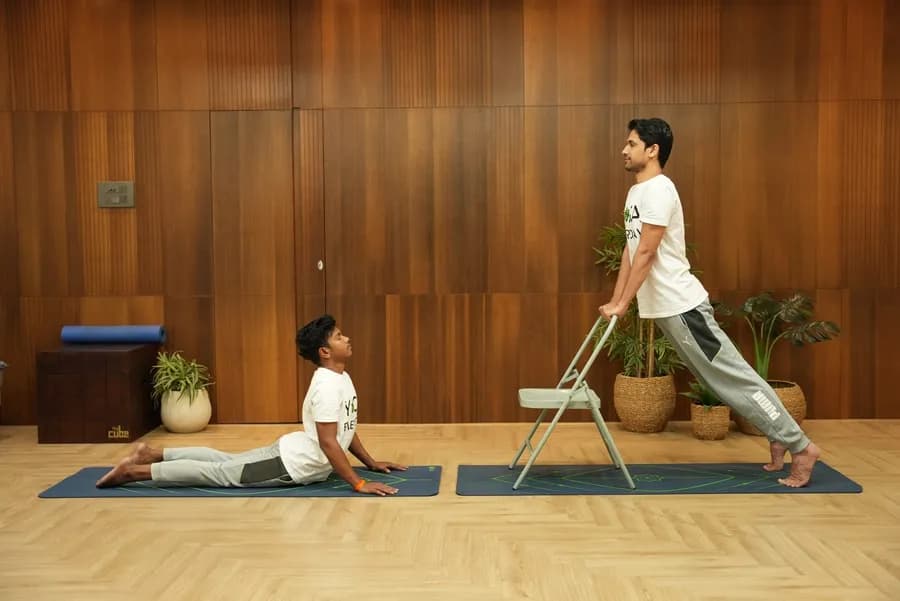
Salamba Bhujangasana (Sphinx Pose): Steps and Back Health Benefits
Practice Salamba Bhujangasana with Habuild. Follow the sphinx pose steps to strengthen your spine, open your chest, and relieve back pain today. Start now!
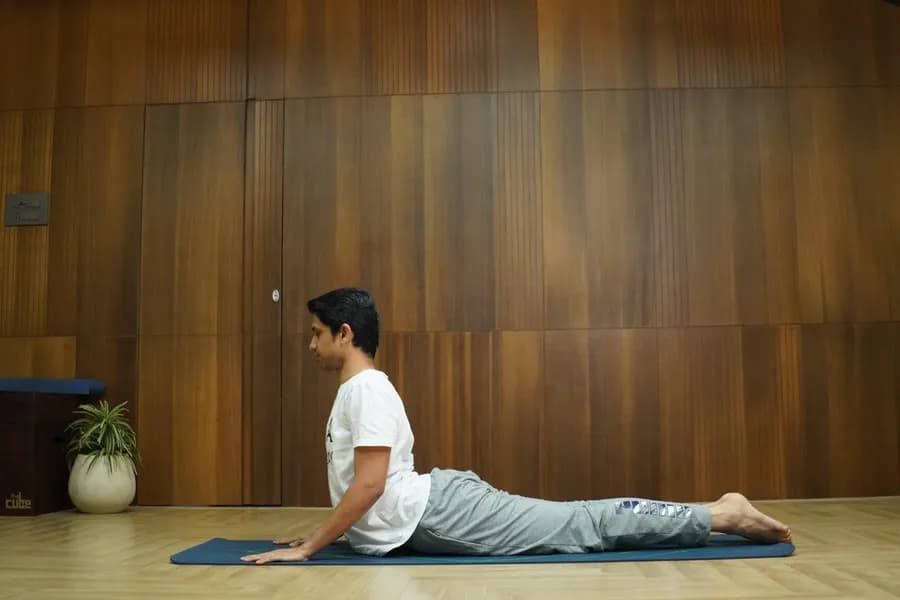
Bhujangasana: Cobra Pose Steps, Benefits & Tips
Bhujangasana, or Cobra Pose, strengthens the spine and entire back musculature, opens the chest, stimulates abdominal organs, and corrects the postural damage of prolonged sitting.

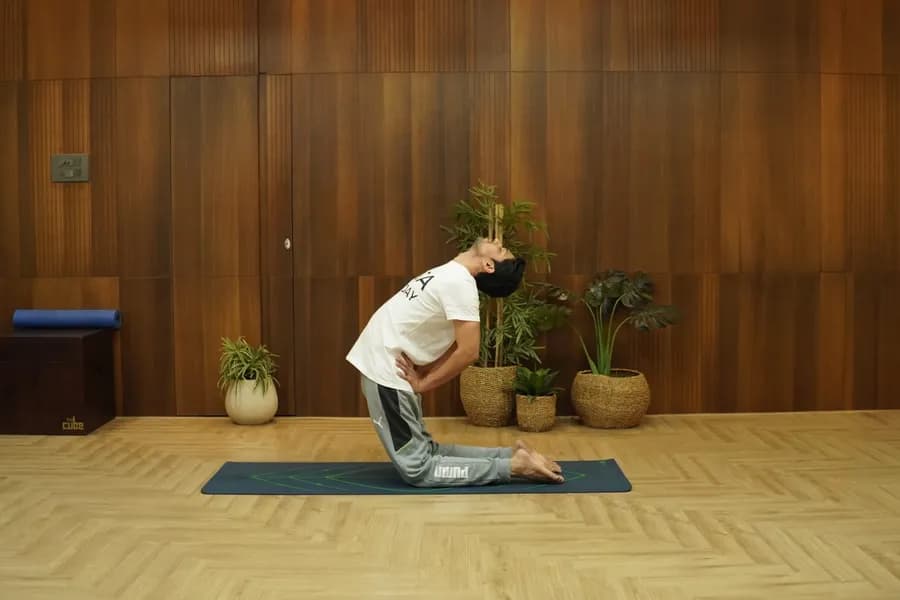
Ustrasana: Camel Yoga Pose, Steps & Yoga Benefits
Ustrasana, or Camel Pose, is a kneeling backbend that deeply stretches the hip flexors, chest, and entire anterior spine while strengthening the back.
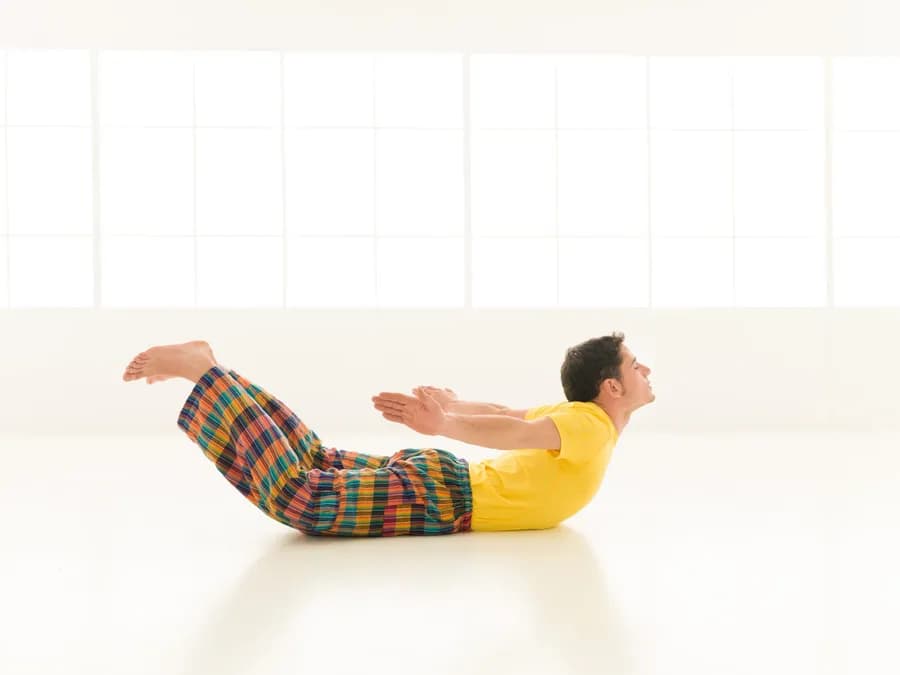
Shalabhasana (Locust Pose): Steps, Back Benefits and Precautions
Practice shalabhasana with Habuild. Try shalabhasana yoga to strengthen your back, improve posture, and boost core strength. Start your yoga session today!