
Skandasana (Side Lunge Pose): Steps, Benefits & Precautions
Skandasana is a deep lateral lunge named after Skanda — the Hindu god of war and son of Shiva — representing swift, powerful movement and focused action. The sk
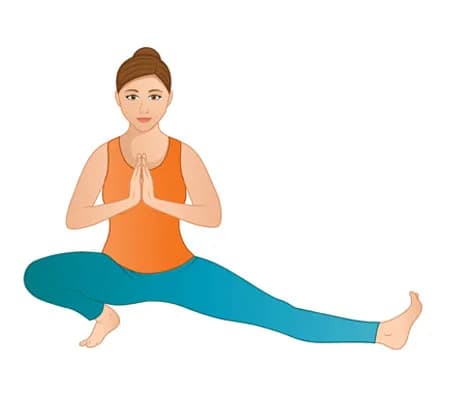
Key Takeaways
- Named after Skanda, also called Kartikeya, the swift Hindu god of war and Shiva’s son.
- Opens the inner thigh through full lateral leg extension, a stretch forward lunges never reach.
- Weight shifts entirely onto the bent leg while the straight leg opens deep into the groin.
- Trains lateral hip mobility specifically, the frontal-plane range desk-bound adults lose fastest.
- Progresses from supported beginner variations to full heel-to-floor grounding for advanced work.
- Strengthens ankle lateral stability, valuable for those with a history of lower-limb injury.
Skandasana is a deep lateral lunge named after Skanda — the Hindu god of war and son of Shiva — representing swift, powerful movement and focused action. The skandasana pose stretches the inner thighs and groin deeply, strengthens the legs and hips, improves lateral mobility, and builds the stable, rooted lower body that modern movement practice demands. It is one of the most complete hip-opening and leg-strengthening poses in the yoga tradition.
What is Skandasana?
Skandasana — the Side Lunge or Lateral Squat Pose — is named after Skanda, also known as Kartikeya or Murugan, the swift and powerful god of war in the Hindu tradition. The pose embodies Skanda’s lateral agility — the ability to move powerfully and purposefully sideways, covering ground that forward-facing movement cannot reach.
In the skandasana pose, one leg extends fully to the side with the foot flat on the floor, while the opposite knee bends deeply into a squat — the weight shifting entirely to the bent leg while the extended leg opens the inner thigh in a long, deep stretch. The torso stays upright and the spine remains long throughout, creating a grounded and open posture that is both demanding and deeply releasing.
At Habuild, Skandasana is taught as a key pose within our hip mobility and lower-body strength curriculum — progressed carefully from supported variations for beginners through to the full expression of the pose with heel-to-floor grounding for advanced practitioners.
Skandasana Benefits
Physical Benefits
- Deeply Stretches the Inner Thighs and Groin The extended leg of Skandasana creates one of the deepest inner thigh and adductor stretches available in yoga — the full lateral extension lengthening muscles that forward-facing exercise rarely targets. Regular skandasana practice progressively opens the groin and inner hip in a way that no forward lunge or squat replicates.
- Strengthens the Legs, Hips, and Glutes The bent-leg side of Skandasana demands full engagement of the quadriceps, glutes, and hip stabilisers to support the deep lateral squat position. This unilateral loading builds functional lower-body strength and stability that supports every plane of movement — not just the forward-and-back plane that most exercise focuses on.
- Improves Lateral Hip Mobility and Range of Motion Skandasana directly trains lateral hip mobility — the range of motion in the frontal plane that desk-bound adults lose most rapidly. Consistent skandasana benefits include improved ability to step sideways, squat deeply, and move freely through the full range of hip motion, reducing injury risk in sport and daily activity.
- Supports Knee and Ankle Health The deep knee bend of Skandasana, when practised with correct alignment, strengthens the supporting musculature around the knee and trains the ankle’s lateral stability. This makes it a valuable preventive practice for those with histories of lower-limb injury, when introduced progressively with appropriate modifications.
Mental and Emotional Benefits
- Builds Concentration and Mental Steadiness Holding Skandasana requires continuous attention to balance, alignment, and breath — the unstable, asymmetric position making mental steadiness a physical requirement. Practitioners consistently report that the sustained focus demanded by the pose carries into improved concentration in daily life.
- Cultivates Courage and Lateral Thinking Named for the god of swift and decisive action, Skandasana cultivates the willingness to move in unfamiliar directions — both physically and metaphorically. Practitioners working with mental rigidity or habitual fixed-pattern thinking report greater openness and adaptability with regular lateral-movement practice.
How to Do Skandasana — Step-by-Step Instructions
Key Principles
The extended leg’s foot stays flat on the floor — or the heel is elevated on a rolled blanket for beginners. The bent knee tracks directly over the toes of the squatting foot. The spine remains upright throughout — it does not collapse forward. The pelvis descends toward the floor rather than the torso hinging forward.
Step 1: Starting Position Begin standing in Tadasana (Mountain Pose) with feet wide apart — approximately one and a half times hip-width. Hands at the heart in Anjali Mudra or resting on the hips. Spine tall, breath steady.
Step 2: Turn the Right Foot Out Turn the right foot out to 45 degrees. The left foot remains pointing forward or turns slightly inward. Both feet are fully grounded.
Step 3: Shift Weight and Bend the Right Knee Exhale and shift your weight to the right — bending the right knee deeply over the right foot. The right knee tracks the right toes and does not collapse inward.
Step 4: Extend the Left Leg Fully As the right knee bends, the left leg extends fully to the left — left foot flat on the floor or heel lifted on a folded blanket. The left inner thigh lengthens as the leg straightens completely.
Step 5: Find Your Arm Position and Upright Spine Bring the hands to the heart, rest them on the right thigh, or lower the fingertips to the floor for balance. Spine lifts tall — do not allow the torso to collapse forward over the bent knee.
Step 6: Hold, Then Switch Sides Hold for five to eight breaths. To release, press through the right foot, straighten both legs, and repeat on the left side — bending the left knee and extending the right leg.
Breathing in Skandasana
Exhale to shift and descend into the lateral squat — the out-breath facilitating the release of the inner thigh and groin. Inhale to lengthen the spine upward within the held position. Maintain slow, steady Ujjayi breathing throughout to warm the inner hip and allow the adductors to release progressively without forcing.
Preparatory Poses Before Skandasana
Prasarita Padottanasana (Wide-Legged Forward Fold, 3–5 breaths) — Opens the inner thighs and hamstrings before the lateral squat’s adductor demand.
- Baddha Konasana (Bound Angle Pose, 2–3 minutes) — Releases the groin and inner hip before the deep lateral stretch.
- Malasana (Garland Pose, 5 breaths) — Warms the deep hip flexors and ankle mobility required for the squatting leg of Skandasana.
- Lateral leg swings (10 each side) — Activates the hip abductors and lubricates the hip joint before the full lateral lunge.
Variations of Skandasana
- Variation 1: Supported Skandasana — Beginner Place a folded blanket or yoga block beneath the heel of the extended leg and another block under the sitting hip if it does not reach the floor. This supported variation allows beginners to experience the full shape of the skandasana pose with proper spinal alignment before the full floor version is accessible.
- Variation 2: Skandasana with Forward Fold — Intermediate From the full skandasana position, hinge forward over the extended leg — folding the torso toward the straight leg’s thigh while the hands walk forward along the floor. This variation deepens the hamstring and inner thigh stretch simultaneously and increases the challenge to balance and hip stability.
- Variation 3: Dynamic Skandasana Flow — Intermediate to Advanced Flow dynamically between the right and left sides of Skandasana — shifting laterally from one bent-knee side to the other in a continuous, fluid movement. This dynamic variation builds the lateral agility and hip stability that static holds develop more slowly, and is particularly valuable for athletes and active practitioners.
Common Mistakes to Avoid in Skandasana
- Knee collapsing inward on the bent leg — The bent knee must track directly over the toes at all times. Inward collapse places significant strain on the medial knee structures.
- Torso collapsing forward — The spine stays upright throughout Skandasana — the descent is of the hips toward the floor, not of the chest toward the thigh. Use blocks under the hips if the spine cannot stay tall.
- Extended leg foot lifting off the floor — The heel of the extended leg must stay grounded — or be supported on a blanket. A lifted heel indicates the inner thigh is not yet open enough for the full pose; use a block.
- Rushing the transition between sides — The weight shift in Skandasana is slow, controlled, and breath-led. Rushing creates momentum that bypasses the muscular work and risks knee strain.
- Holding the breath — Inner thigh and groin release requires continuous exhalation. Practitioners who hold the breath through the difficult range will not access the depth that slow breathing produces.
Who Should Practise Skandasana?
- Those with Tight Hips, Groin, and Inner Thighs
- Skandasana is the yoga tradition’s most direct lateral hip opener — targeting the adductors and inner groin in a way that no forward-facing lunge, squat, or forward fold replicates. For desk workers, runners, and anyone with chronically tight inner thighs, regular skandasana practice delivers progressive and measurable improvement in lateral hip range of motion.
- Athletes and Active Practitioners Seeking Lateral Mobility
- Sports that require lateral movement — football, tennis, basketball, martial arts, and dance — demand the hip mobility and lateral stability that Skandasana directly trains. The pose addresses the lateral plane that most gym-based training ignores, making it a valuable complement to any strength or sports programme.
- Is Skandasana Good for Beginners?
- Skandasana requires more hip and inner thigh openness than many beginner poses, but it is fully accessible with the right modifications. Beginners should start with a folded blanket beneath the extended heel and a block under the squatting hip — these supports allow the full shape to be practised safely from the first session while the flexibility to do the unassisted version develops over time.
Make Skandasana a Part of Your Practice
Skandasana is one of yoga’s most complete lateral movement practices — simultaneously opening the inner thighs and groin, building unilateral lower-body strength, improving lateral hip mobility, and cultivating the focused agility that the pose’s divine namesake embodies.
Whether you are a beginner using blocks to access the shape for the first time, a desk worker reclaiming the lateral range of motion that sitting progressively reduces, or an athlete building the hip stability that sport demands, Skandasana rewards consistent practice with progressive and tangible benefits.
Start your 14 day free yoga journey with Habuild, today!
Skandasana’s deep lateral stretch opens the hips and inner thighs, but tight hips rarely loosen from one lunge — it takes returning to the pose regularly for the range of motion to actually shift. Treat each session as one rep in a longer process. Habuild’s Yoga Everyday program can help keep that process going with guided daily sessions.
Frequently Asked Questions
Related Articles
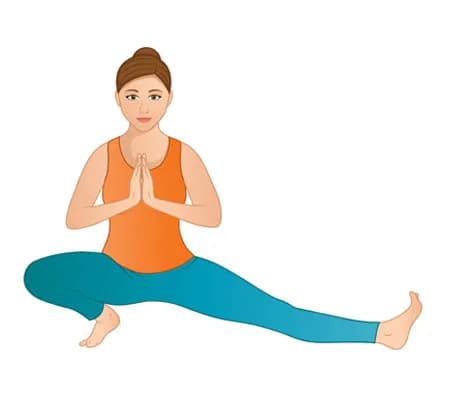
Skandasana Benefits: Steps, Variations & Precautions
Discover skandasana benefits for flexibility, hips, and focus. Learn how to do skandasana step-by-step.

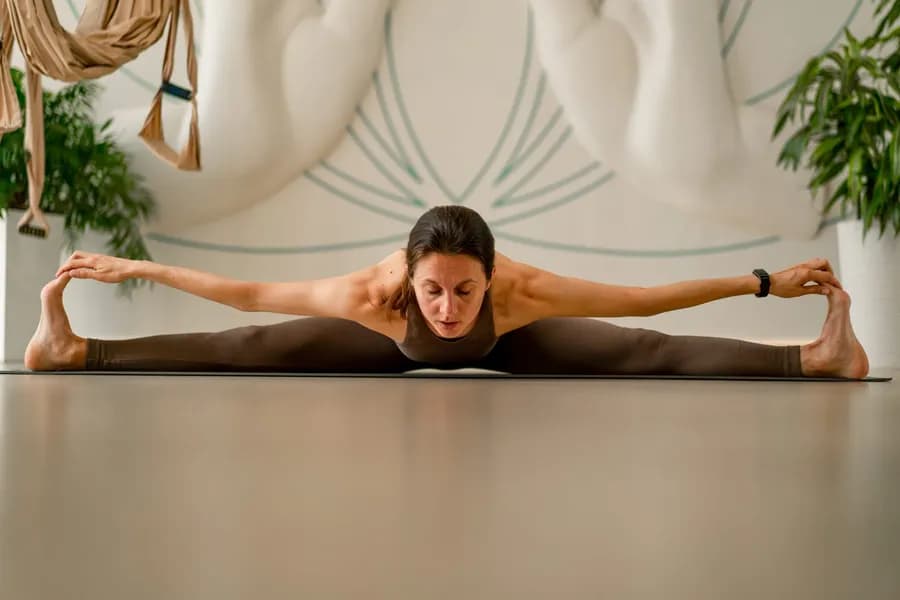
Upavista Konasana: Steps Benefits and Flexibility Guide
Practice Upavista Konasana with Habuild. Follow the seated wide-angle steps to open your hips, stretch your hamstrings, and build flexibility. Start today!
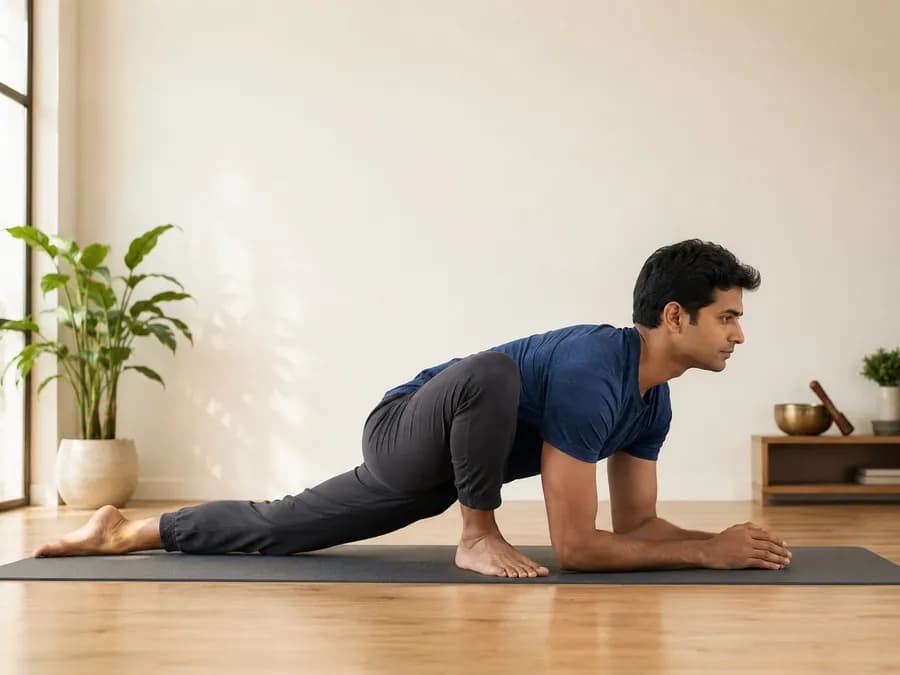
Utthan Pristhasana (Lizard Pose): Steps, Benefits and Precautions
This deep low lunge takes the hip into a more intense range than standard Anjaneyasana, with the front foot outside the hand rather than between them. See the steps, benefits, and precautions.