
Vasisthasana (Side Plank Pose): Steps, Benefits & Precautions
Vasisthasana — the Side Plank Pose — is one of yoga's most demanding lateral strength poses, named after the great sage Vasistha whose unwavering steadiness the
Key Takeaways
- Named after sage Vasistha, renowned for his perfect steadiness of mind and purpose.
- Balances on one hand and the outer edge of one foot in a single diagonal line to the crown.
- Loads the lateral abdominal chain in a way that standard planks and crunches never reach.
- Practitioners managing frozen shoulder use supported variations within rehabilitation work.
- Builds equanimity specifically through physical demand, teaching composure under strain.
- The stacked-leg position simultaneously tones the glutes, adductors, and quadriceps.
Vasisthasana — the Side Plank Pose — is one of yoga’s most demanding lateral strength poses, named after the great sage Vasistha whose unwavering steadiness the pose embodies. It builds the lateral core strength, shoulder stability, and whole-body integration that forward-facing exercise cannot develop alone.
What is Vasisthasana?
Vasisthasana — pronounced vah-sish-TAHS-ana — translates as the pose of the sage Vasistha (Vasistha = most excellent, Asana = pose). Vasistha was one of the seven great sages of Vedic tradition, renowned for his perfect steadiness of mind and purpose — qualities that the balancing side plank demands and cultivates simultaneously.
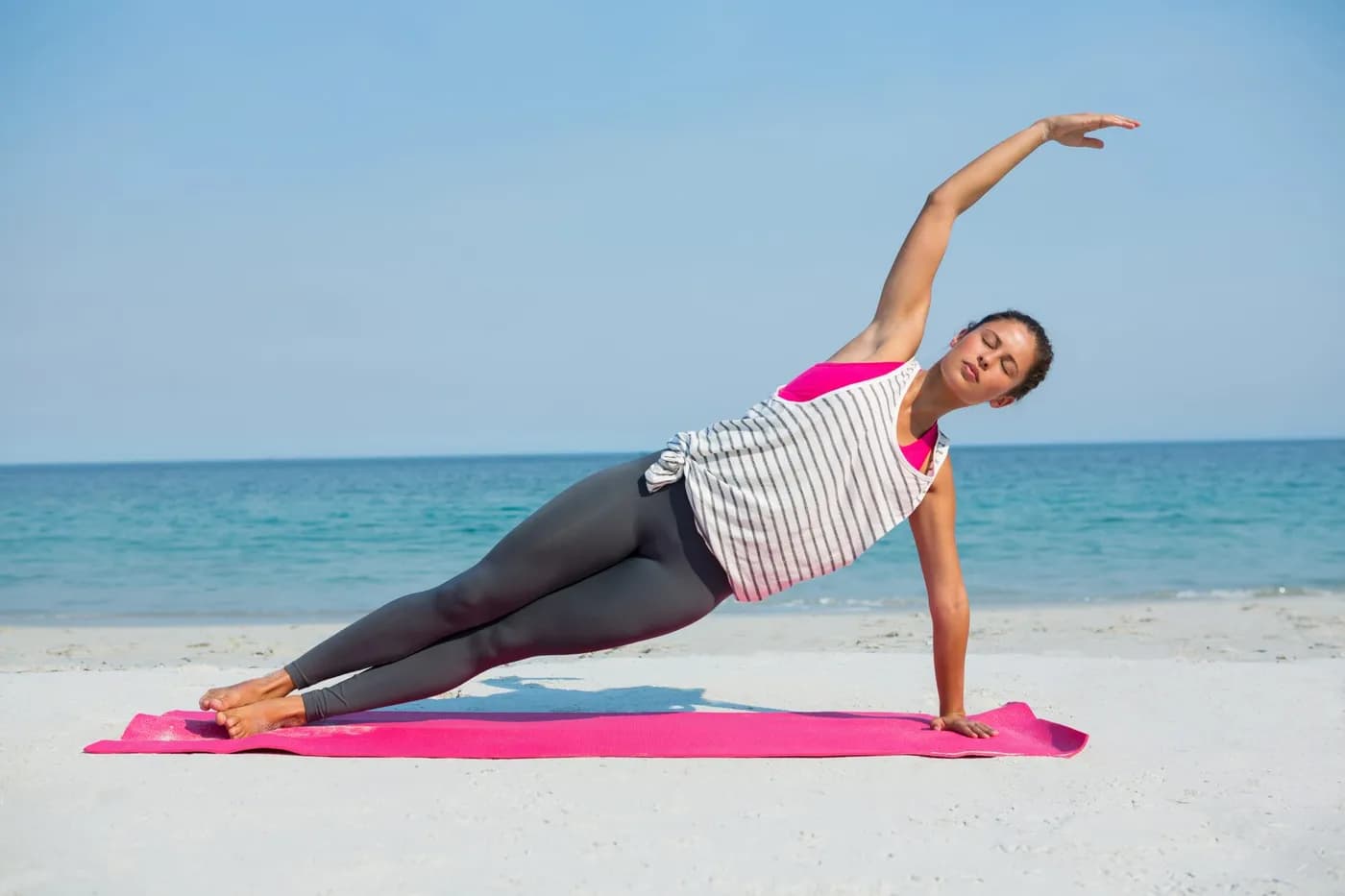
In the vasisthasana pose, the practitioner balances on one hand and the outer edge of one foot, with the body forming a single straight diagonal line from heel to crown. The top arm extends vertically, the chest opens to the side, and the lateral body — from the outer ankle through the obliques to the shoulder — engages as a unified structural unit.
At Habuild, Vasisthasana is taught as a key strength and stability pose within our core and shoulder health curriculum. Members building lateral strength alongside their work on yoga for posture find it one of the most rapidly transformative poses for spinal alignment.
Vasisthasana Benefits
Physical Benefits
- Builds Lateral Core Strength and Oblique Stability Vasisthasana directly loads the lateral abdominal chain — the obliques, quadratus lumborum, and lateral hip stabilisers — in a way that planks and crunches do not target. This lateral core strength is the foundation of spinal stability in the frontal plane.
- Strengthens the Shoulder, Wrist, and Arm The grounded arm bears the full body weight in Vasisthasana — developing shoulder stability, wrist strength, and the rotator cuff engagement that protects the joint. Practitioners managing frozen shoulder use supported variations as part of their rehabilitation progression.
- Improves Balance and Proprioception Balancing on one hand and the outer foot challenges the entire vestibular and proprioceptive system — developing the body awareness and neuromuscular coordination that enhances performance in every physical activity.
- Tones the Legs and Glutes The stacked-leg position of Vasisthasana requires sustained engagement of the glutes, adductors, and quadriceps — developing lower body tone and strength alongside the primary lateral core work.
Mental and Emotional Benefits
- Builds Willpower and Mental Focus Holding Vasisthasana demands sustained mental focus — the physical difficulty requiring complete concentration to maintain alignment and balance. This develops the willpower and present-moment attention that complements yoga for concentration practice.
- Cultivates the Steadiness of the Sage Named for the steadiest of sages, Vasisthasana builds equanimity through physical demand — the practitioner learning to stay composed and focused under strain.
How to Do Vasisthasana — Step-by-Step Instructions
Key Principles
The body forms a single straight line from heel to crown — no sagging hips, no raised hips. The grounded hand is directly beneath the shoulder. The top arm extends vertically, not diagonally. Begin with the modified knee-down version before attempting the full pose.
Step 1: Starting Position Begin in Adho Mukha Svanasana (Downward Dog) or a high plank position — hands beneath shoulders, body in one straight line.
Step 2: Shift to the Right Hand Turn onto the outer edge of the right foot, stacking the left foot on the right. Shift all weight onto the right hand — the right wrist directly beneath the right shoulder.
Step 3: Lift the Hips to Form a Straight Line Press through the right hand and outer right foot — lifting the hips until the body forms a single straight diagonal line. Engage the lateral abdominals firmly.
Step 4: Extend the Left Arm Upward Raise the left arm vertically toward the ceiling — the two arms forming a single vertical line perpendicular to the floor. Rotate the chest to face the side wall. Gaze upward or forward.
Step 5: Hold, Then Switch Sides Hold for 3–5 breaths. Lower the hips, return to high plank, and repeat on the left side.
Step 6: How to Come Out of Vasisthasana Exhale and lower the hips to return to high plank. Rest in Child’s Pose (Balasana) for 3 breaths before continuing.
Breathing in Vasisthasana
Inhale to expand the lateral ribcage and maintain the straight body line. Exhale to firm the obliques without losing height. Steady Ujjayi breathing throughout prevents the breath-holding that leads to premature fatigue.
Preparatory Poses Before Vasisthasana
Plank Pose (Phalakasana, 5 breaths) — Builds the full-body tension and shoulder stability the side plank requires.
- Side-lying leg lifts (10 each side) — Activates the lateral hip stabilisers before the full side plank demand.
- Dolphin Pose (Ardha Pincha Mayurasana, 5 breaths) — Builds shoulder stability and forearm strength.
- Chaturanga Dandasana (5 breaths) — Establishes the upper body pressing strength required for Vasisthasana.
Variations of Vasisthasana
- Variation 1: Vasisthasana with Knee Down — Beginner Lower the bottom knee to the floor — reducing the body weight on the grounded hand and making the lateral core engagement accessible for beginners. All the vasisthasana benefits of lateral core activation apply in this supported variation.
- Variation 2: Vasisthasana with Top Foot Raised — Intermediate From the full pose, lift the top foot off the bottom foot and raise it toward the ceiling — the body forming a vertical T shape. This variation significantly increases the balance and hip abductor demand.
- Variation 3: Vasisthasana with Big Toe Hold — Advanced From the full pose, bend the top knee, reach the top hand to hold the big toe, and extend the top leg vertically. This advanced variation combines lateral balance with hamstring flexibility.
Common Mistakes to Avoid in Vasisthasana
- Hips sagging toward the floor — The lateral abdominals must be actively engaged to maintain the straight body line. Sagging hips compress the lumbar spine and reduce the lateral core benefit.
- Grounded hand not beneath the shoulder — The weight-bearing wrist must be directly beneath the shoulder — not forward or backward — to distribute the load safely through the joint.
- Top arm not fully vertical — The top arm should extend straight up, not diagonally — the vertical line maximises the thoracic rotation and shoulder opening.
- Holding the breath — Breath-holding causes premature fatigue. Steady breathing sustains the pose and maintains the neuromuscular activation required.
- Attempting the full pose before building base strength — Always master the knee-down variation before the full Vasisthasana — the lateral plank demands significant shoulder and core strength that must be built progressively.
Who Should Practise Vasisthasana?
- Those Building Core Strength and Spinal Stability
- Vasisthasana builds the lateral core strength that supports spinal stability in the frontal plane — the most neglected dimension of core training. This makes it essential for practitioners managing lower back pain caused by lateral spinal weakness and instability.
- Athletes Seeking Whole-Body Integration The total lateral body engagement of Vasisthasana — from ankle to shoulder in a single integrated line — develops the functional whole-body coordination that performance sports demand.
- Is Vasisthasana Good for Beginners? The knee-down variation makes Vasisthasana accessible to all beginners with basic upper body strength. Habuild’s live instructors ensure correct shoulder and hip alignment from the first session.
Make Vasisthasana a Part of Your Practice
Vasisthasana builds the lateral strength, shoulder stability, and mental steadiness that a complete yoga practice demands — addressing the dimensions of physical and mental development that forward-facing practice cannot reach alone.
Whether you are beginning with the knee-down modification or working toward the advanced toe-hold variation, consistent daily practice compounds strength and balance gains rapidly.
The most effective way to learn Vasisthasana safely — with correct wrist alignment, engaged lateral chain, and steady breath — is under live guidance. Habuild’s daily sessions are built precisely for this. Your first 7 days start at just 14-day free trial.
Start your 14 day free yoga journey with Habuild, today!
Vasisthasana is genuinely demanding, and the shoulder and core strength it requires is built the way most strength is — through regular, repeated practice, not a single attempt at holding the full pose. Trying it occasionally without a structured build-up usually just leads to frustration. Habuild’s Yoga Everyday program can help you build toward it steadily, with the consistency strength poses actually need.
Frequently Asked Questions
Related Articles
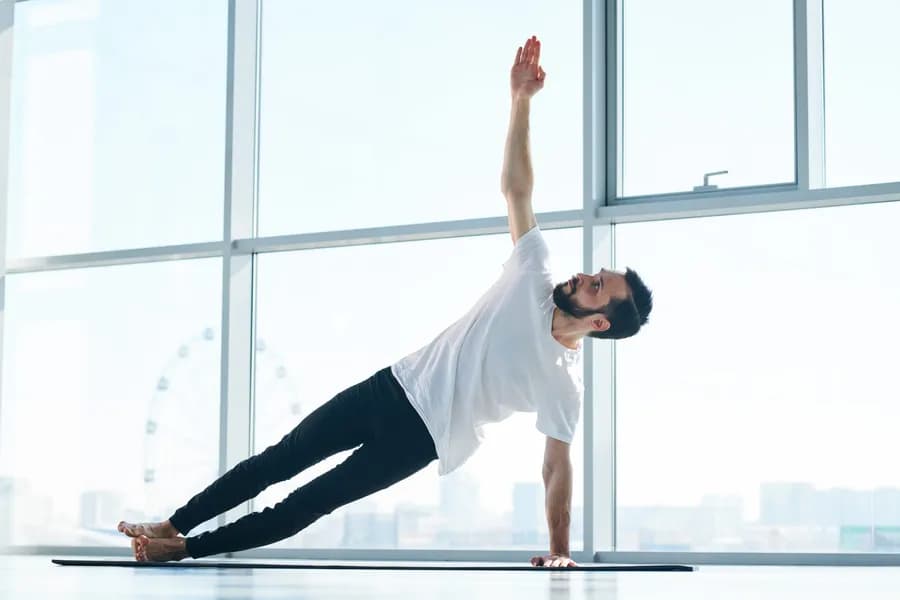
Vasisthasana Benefits: Steps, Variations & Precautions
Discover vasisthasana benefits for strength, balance & focus. Learn steps, variations & who should practise this powerful side plank yoga pose.

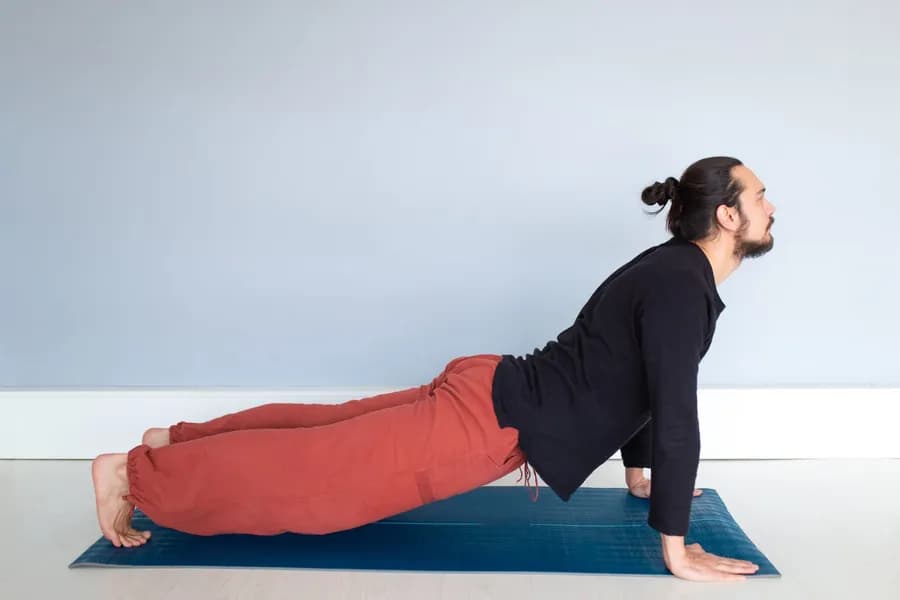
Phalakasana (Plank Pose): Steps, Benefits & Precautions
The body holds a straight line from crown to heels, supported by the hands and toes — usually part of the sun salutation flow or held as a stand-alone exercise. See the steps, benefits, and precautions.
Yoga Poses for Strength (Power Yoga Asanas): Steps, Benefits & Precautions
Chaturanga Dandasana, Navasana, and Virabhadrasana build muscular endurance, core stability, and joint strength through sustained isometric holds. See the.