Loading articles…

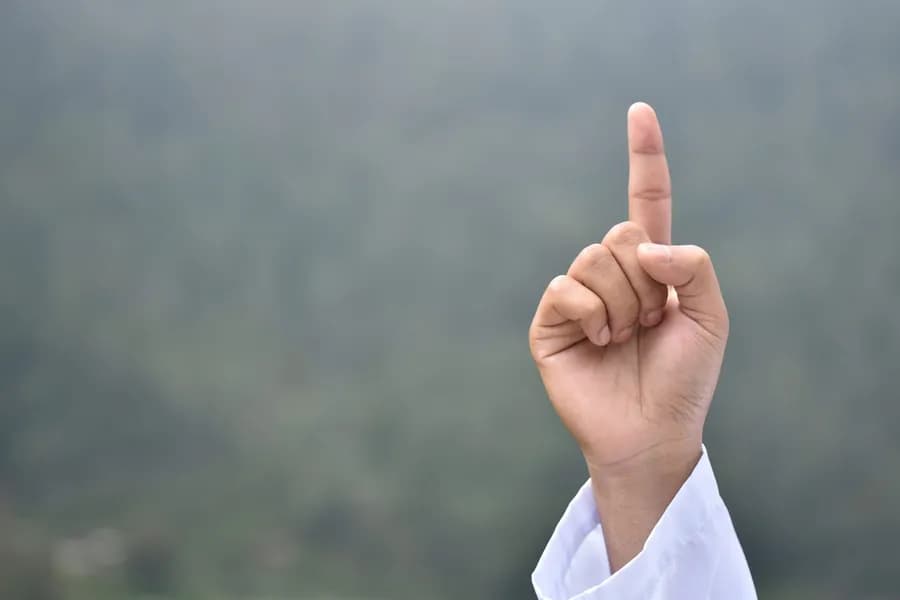
Extending the index finger upward while the remaining fingers curl into the palm traditionally supports digestive regularity and nervous-system calm. See.

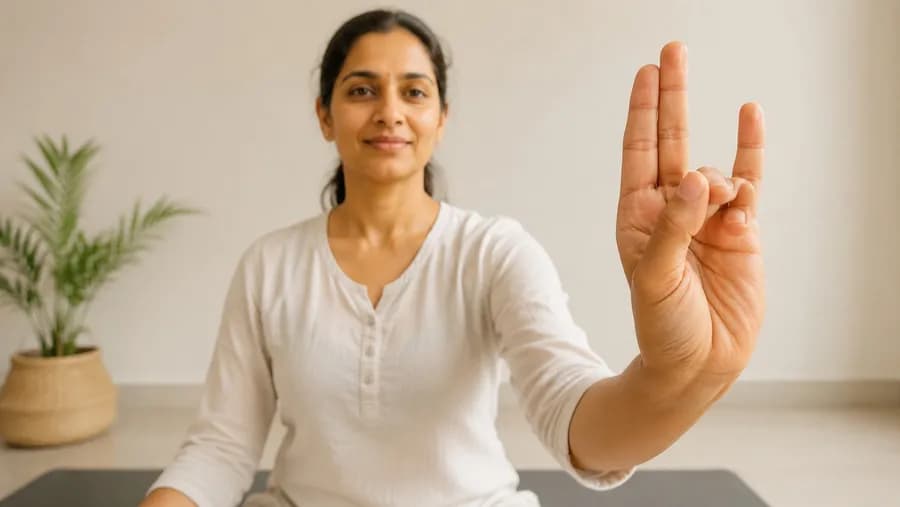
Folding the ring finger to the thumb’s base and pressing the thumb on its second joint activates the body’s fire element to support digestion and mental.

Pavanamuktasana, the Wind-Relieving Pose, involves drawing the knees into the chest and wrapping the arms around the shins, compressing the abdomen.

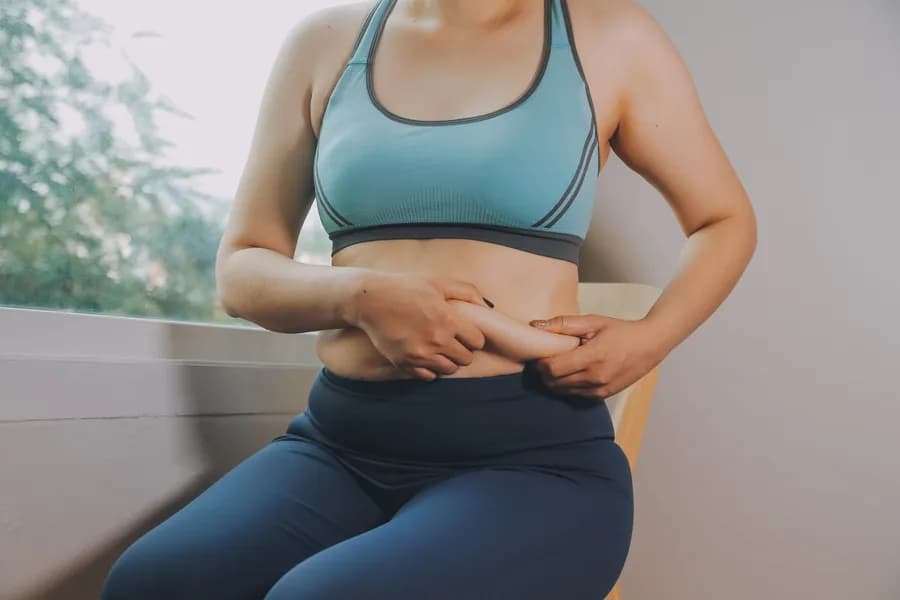
Navasana, Paschimottanasana, Dhanurasana, and Ardha Matsyendrasana strengthen the deep abdominal muscles and stimulate digestive organs, practised as a.
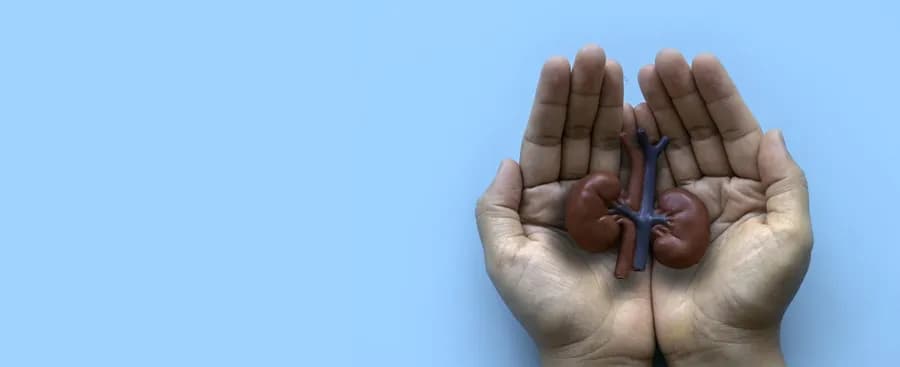
Pawanmuktasana, Uttanasana, and Setu Bandhasana increase circulation to the renal region and gently massage the abdominal and lumbar organs. See the poses.
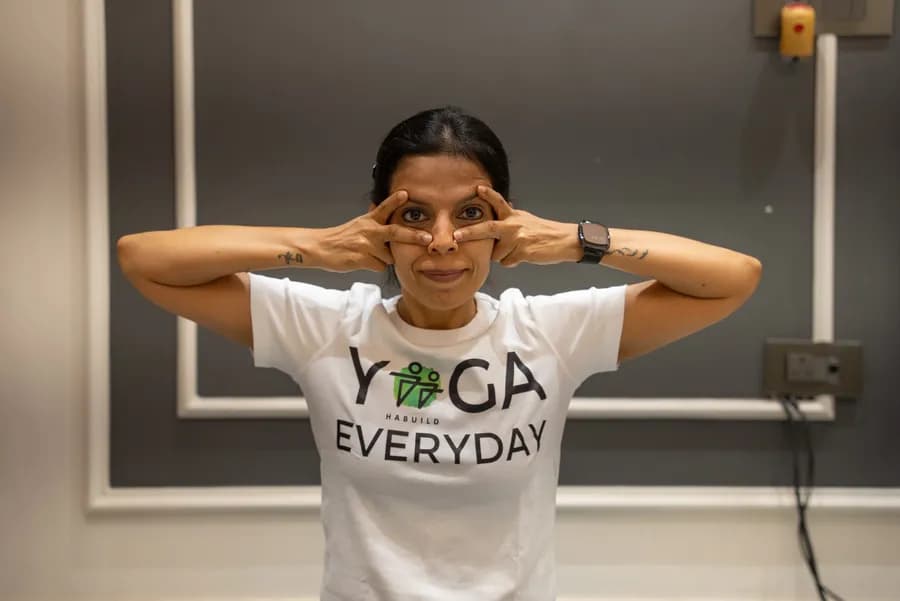
Netra Vyayama, or eye yoga, uses deliberate, mindful movements applied specifically to the eyes and surrounding muscles, part of the traditional Hatha.
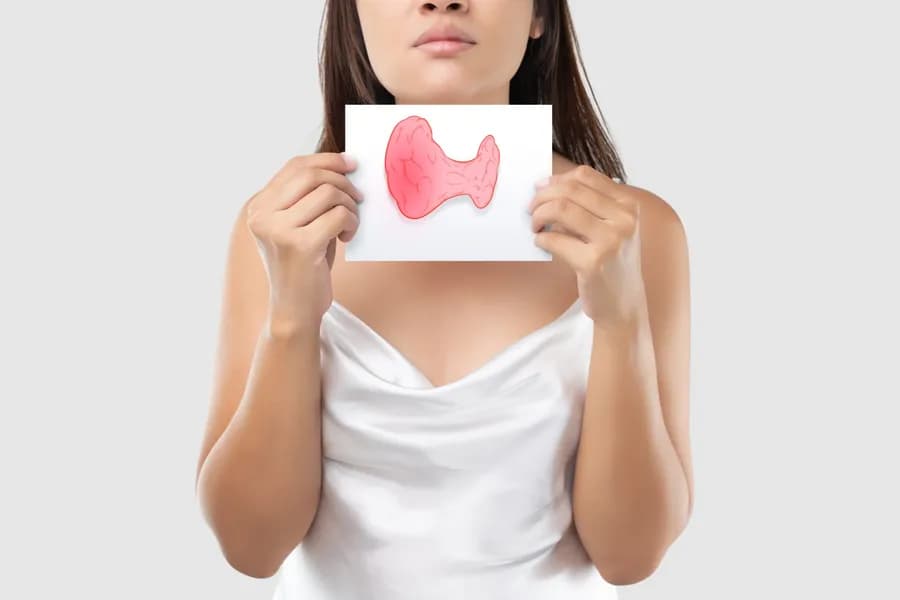
Poses that stretch, compress, or invert the neck are thought to stimulate circulation around the thyroid gland at the base of the throat. See the poses.

Chaturanga Dandasana, Navasana, and Virabhadrasana build muscular endurance, core stability, and joint strength through sustained isometric holds. See the.
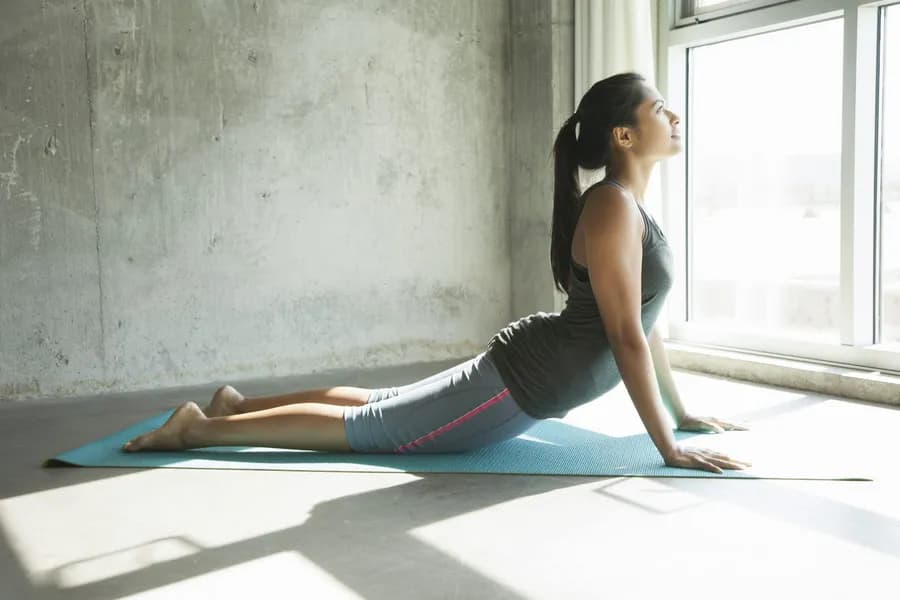
These poses target the seven vertebrae running from the base of the skull to the upper back, sometimes grouped as Griva Sanchalana, or neck movement.
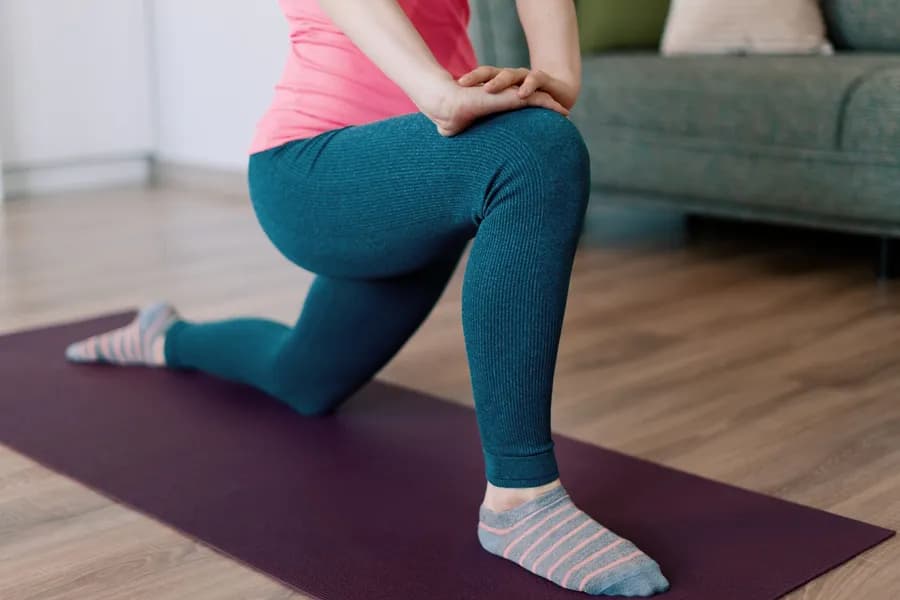
Baddha Konasana and Eka Pada Rajakapotasana open, mobilise, and strengthen the hip joint and its surrounding musculature — the flexors, glutes, adductors.
Expert guidance on yoga, wellness, nutrition, ayurveda, and the habits that transform every morning.
Ready to Start?
Daily yoga, strength training, health programs and a lot more - all in one place.