
Ahiphenasava: Uses, Benefits, Dosage & Side Effects
Explore Ahiphenasava in Ayurveda, including traditional uses, properties, preparation guidance, side effects and precautions.
.%2520Monika&w=3840&q=40)

Key Takeaways
- Uses processed, detoxified opium in very small quantities as its primary analgesic agent.
- Lavanga, maricha, and ahiphena act synergistically to relieve sharp, gripping abdominal pain.
- Specifically indicated for Vata-type and Kapha-type atisara with pain and mucus.
- Trikatu components restore gastric secretion and motility in mandagni, low digestive fire.
- Warm water as anupana enhances the formulation’s vasodilatory, pain-relieving effects.
- Documented in Bhaishajya Ratnavali and Sharangadhara Samhita for colic and diarrhoea.
Ahiphenasava is a classical Ayurvedic asava (fermented herbal liquid preparation) documented in traditional Ayurvedic texts. An asava is prepared by fermenting fresh herbal juices or decoctions with jaggery and other ingredients, allowing self-generated alcohol to act as a preservative and carrier. Ahiphenasava’s primary indication is the management of ama-related digestive disorders, colic pain, diarrhoea, and associated respiratory distress. It primarily balances Vata and Kapha doshas.
Ahiphenasava — Formulation Profile
Property: Details
Formulation Type: Asava (self-generated fermented herbal liquid)
Classical Source: Bhaishajya Ratnavali, Sharangadhara Samhita
Primary Dosha: Vata, Kapha
Primary System: Digestive system (Pachaka), Respiratory system
Anupana (Vehicle): Warm water or as directed by physician
Key Ingredients
Ingredient: Sanskrit Name; Role
Opium (processed/detoxified): Ahiphena; Primary analgesic and antidiarrhoeal agent; used in very small, carefully processed quantities
Dry Ginger: Shunthi; Deepana (digestive stimulant), anti-inflammatory, relieves colic
Long Pepper: Pippali; Enhances bioavailability (yogavahi), respiratory support
Black Pepper: Maricha; Carminative, digestive, anti-ama
Clove: Lavanga; Analgesic, aromatic digestive, anti-spasmodic
Cardamom: Ela; Carminative, improves palatability, digestive
Jaggery: Guda; Fermentation base, nourishing, mildly laxative
Dhataki flowers: Dhataki; Aids fermentation, astringent, digestive tonic
Therapeutic Uses and Benefits
- Relief from Atisara (Diarrhoea and Dysentery) Ahiphenasava is classically indicated for atisara, the Ayurvedic category covering diarrhoea, dysentery, and loose stools. The processed ahiphena (opium) component provides astringent and anti-motility effects that reduce intestinal cramping and watery stools. Supportive spices like shunthi and pippali correct digestive fire and eliminate the ama (metabolic toxins) that trigger diarrhoeal episodes. Classical texts recommend this formulation particularly for Vata-type and Kapha-type atisara with pain and mucus.
- Management of Abdominal Colic and Pain (Shula) The analgesic properties of this formulation make it effective for abdominal shula (colic pain). Lavanga, maricha, and ahiphena act synergistically to reduce intestinal spasm and relieve sharp, gripping abdominal pain. Vata-type colic — characterised by distension, gurgling, and intermittent pain — responds particularly well. Warm water as anupana enhances the vasodilatory and pain-relieving effects of the formulation.
- Digestive Fire Enhancement (Deepana-Pachana) Ahiphenasava kindles mandagni (low digestive fire), a root cause of many digestive ailments in Ayurveda. The trikatu components (shunthi, pippali, maricha) are classical deepana herbs that restore proper gastric secretion and motility. Regular use under supervision corrects the underlying digestive imbalance, reducing recurrence of bloating, indigestion, and bowel irregularity.
- Respiratory Support in Kasa and Shvasa The Kapha-alleviating herbs in Ahiphenasava support respiratory conditions such as cough (kasa) and breathing difficulties (shvasa). Pippali is a well-documented bronchodilator and expectorant in classical texts. Lavanga reduces bronchial spasm. The fermented base ensures rapid absorption and distribution of these active principles across the respiratory tract lining.
- Adjunct in Grahani (Irritable Bowel) Management Grahani roga, the classical equivalent of irritable bowel conditions, responds to Ahiphenasava as a short-term adjunct. The formulation stabilises gut motility, reduces hypersecretion, and alleviates the alternating constipation and diarrhoea pattern. It should be combined with agni-restoring therapies and dietary modifications for sustained improvement.
- Analgesic Effect in Pain Conditions The detoxified ahiphena content provides measurable analgesic activity useful in conditions involving visceral pain. Traditional preparation processes (shodhana) significantly reduce the alkaloid load while preserving therapeutic benefit. This makes the formulation valuable where pain management and gut-calming effects are simultaneously required.
Dosage and Administration
Age Group: Dosage; Frequency; Anupana; Duration
Adults: 12–24 ml; Twice daily after meals; Equal quantity of warm water; As prescribed, typically 2–4 weeks
Elderly: 10–15 ml; Once or twice daily after meals; Warm water; Under physician supervision
Children (above 12): 5–10 ml; Once daily; Warm water; Only under Ayurvedic physician guidance
Side Effects and Contraindications
Known Contraindications
- Pregnancy — absolutely contraindicated due to the processed ahiphena content
- Lactation — avoid; active alkaloids may pass into breast milk
- Liver disease or hepatic insufficiency
- History of substance dependency or addiction
- Inflammatory bowel disease in active flare (Crohn’s, ulcerative colitis)
Drug Interactions
- Opioid medications or narcotic analgesics — potentiating risk
- CNS depressants, sedatives, benzodiazepines
- Anti-diarrhoeal medications (loperamide, bismuth) — overlapping action
- Blood thinners — use with caution; clove may mildly affect coagulation
Who Should Avoid
- Children under 12 years without direct physician oversight
- Individuals with known hypersensitivity to any ingredient
- Patients on prescription opioids or pain management protocols
- Those with respiratory depression or severe asthma
{"@context":"https://schema.org","@type":"FAQPage","mainEntity":[ {"@type":"Question","name":"What is Ahiphenasava used for?","acceptedAnswer":{"@type":"Answer","text":"Ahiphenasava is used primarily for diarrhoea, dysentery, abdominal colic, digestive weakness, and Vata-Kapha type bowel disorders. It is also used as a supportive formulation in cough and respiratory distress."}}, {"@type":"Question","name":"What is the dosage of Ahiphenasava?","acceptedAnswer":{"@type":"Answer","text":"The standard adult dosage is 12–24 ml twice daily after meals, diluted in an equal quantity of warm water. Dosage must be individualised by a qualified Ayurvedic physician."}}, {"@type":"Question","name":"Can Ahiphenasava be taken long-term?","acceptedAnswer":{"@type":"Answer","text":"No. Ahiphenasava is intended for short-term therapeutic use only. Long-term use is not recommended due to the processed opium constituent."}}, {"@type":"Question","name":"Does Ahiphenasava have side effects?","acceptedAnswer":{"@type":"Answer","text":"Overdose or self-medication may cause nausea, drowsiness, constipation, or CNS effects. It must only be used under qualified Ayurvedic supervision."}}, {"@type":"Question","name":"What are the main ingredients in Ahiphenasava?","acceptedAnswer":{"@type":"Answer","text":"Key ingredients include processed ahiphena, shunthi, pippali, maricha, lavanga, ela, guda, and dhataki flowers."}} ]}
Related reads: Rasanadi: Uses, Benefits, Dosage & Side Effects · Mridvikarishta: Uses, Benefits, Dosage & Side Effects
Ahiphenasava’s traditional role in digestive and respiratory support, alongside pain management, points to a body that benefits from gentle, consistent movement rather than intense exertion — slow yoga sequences ease digestive tension, support steady breathing, and keep joints mobile enough to reduce the stiffness chronic pain often brings. Habuild’s free yoga challenge is a good low-intensity way to start.
Frequently Asked Questions
Related Articles

Agastya Haritaki Rasayan: Uses, Benefits, Dosage & Side Effects
Explore Agastya Haritaki Rasayan in Ayurveda, including traditional uses, properties, preparation guidance, side effects and precautions.


Agarkasth: Benefits, Uses & Ayurvedic Properties
Explore Agarkasth in Ayurveda, including traditional uses, properties, preparation guidance, side effects and precautions.

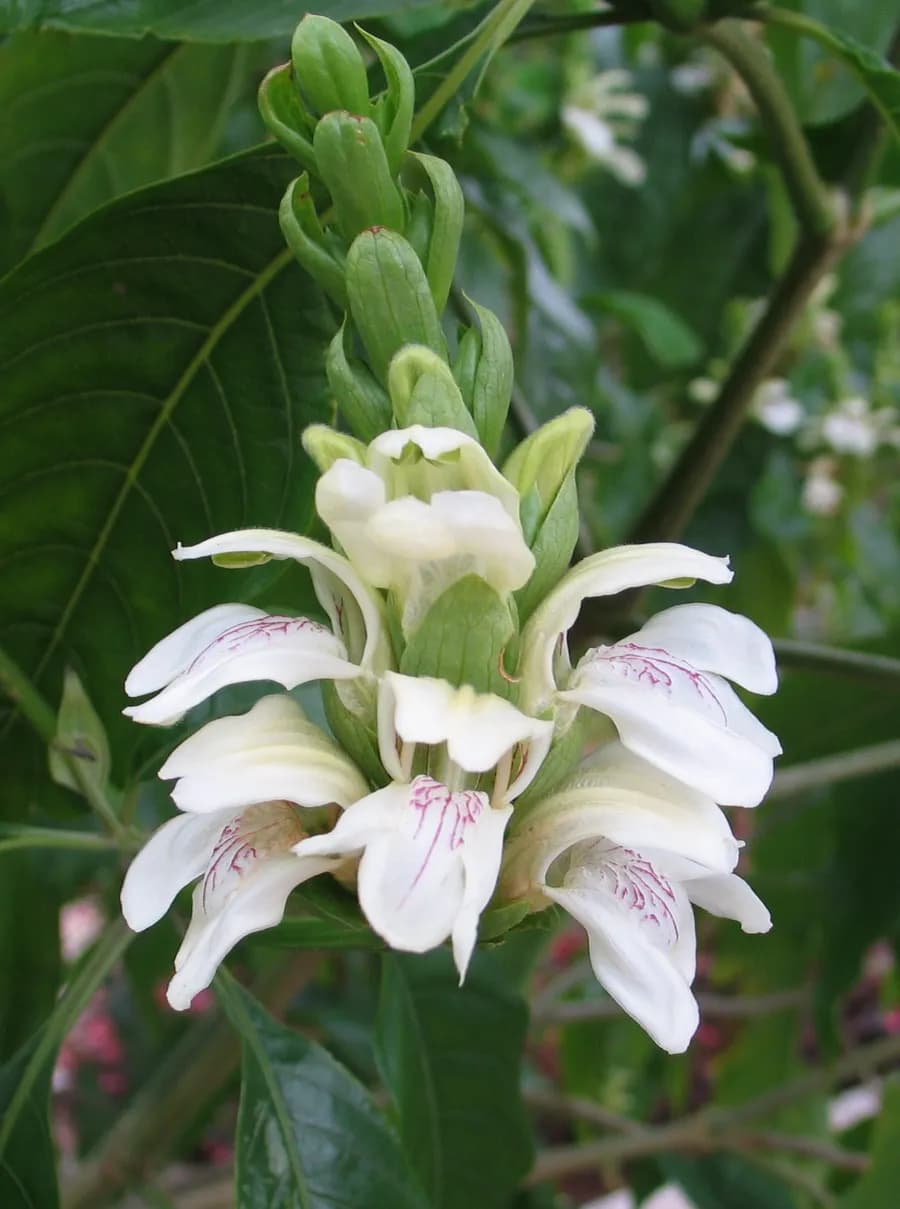
Adusa: Benefits, Uses & Ayurvedic Properties
Explore Adusa in Ayurveda, including traditional uses, properties, preparation guidance, side effects and precautions.